Issue · Labor & Employment

Labor & Employment

Every labor & employment bill, vote, and legislator stance in United States, automatically classified by Maddy, our AI policy reader.

Total bills
1,583
119th Congress
Top supporter
Brian K. Fitzpatrick
93% support rate
Top opponent
Bernard Sanders
23% support rate
Ranked legislators
10
5 support · 5 oppose
Key legislators

Who's moving labor & employment in United States

Legislators moving labor & employment in United States
Legislator Party Stance Support rate Decisive votes
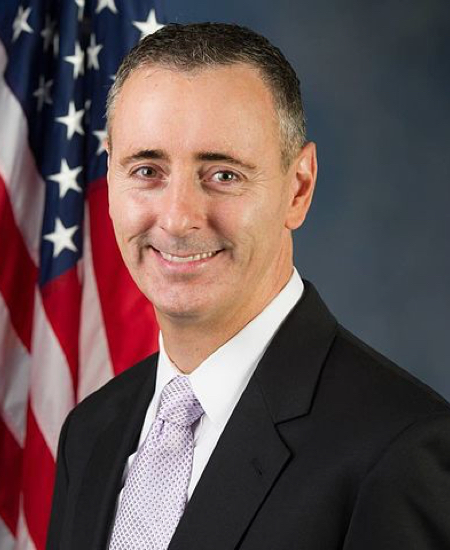
Brian K. Fitzpatrick
Brian K. Fitzpatrick House · District 1
R
Strong +
93% 14
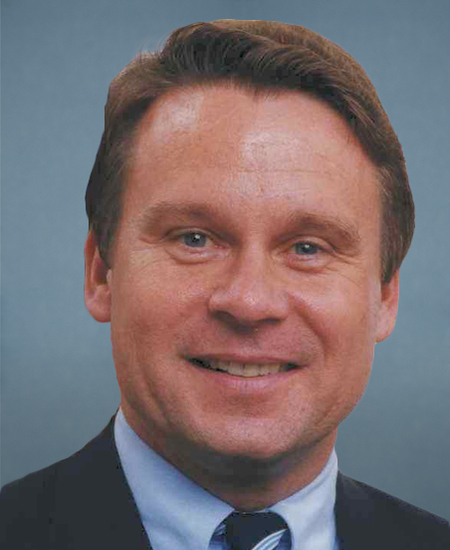
Christopher H. Smith
Christopher H. Smith House · District 4
R
Strong +
93% 14
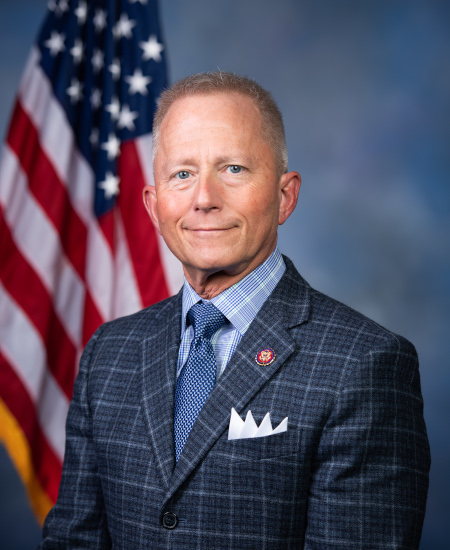
Jefferson Van Drew
Jefferson Van Drew House · District 2
R
Strong +
93% 14
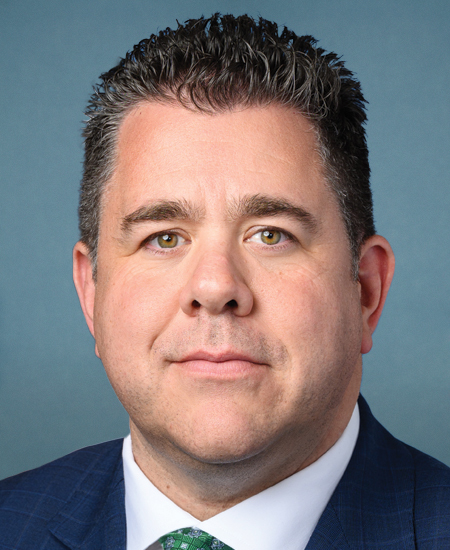
Nick LaLota
Nick LaLota House · District 1
R
Strong +
93% 14
Robert P. Bresnahan, Jr.
Robert P. Bresnahan, Jr. House · District 8
R
Strong +
93% 14
Bernard Sanders
Bernard Sanders Senate
I
Oppose
23% 13
Edward J. Markey
Edward J. Markey Senate
D
Oppose
23% 13
Elizabeth Warren
Elizabeth Warren Senate
D
Oppose
23% 13
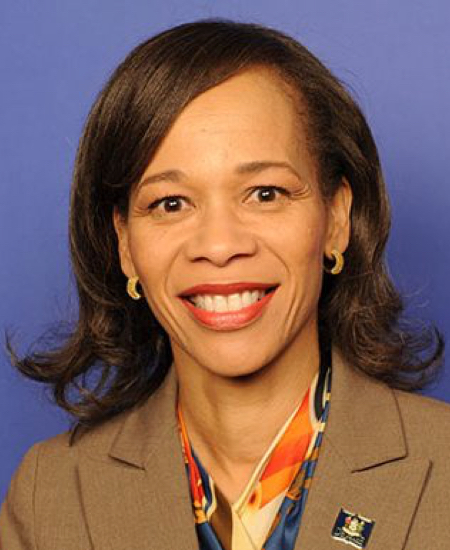
Lisa Blunt Rochester
Lisa Blunt Rochester Senate
D
Oppose
23% 13
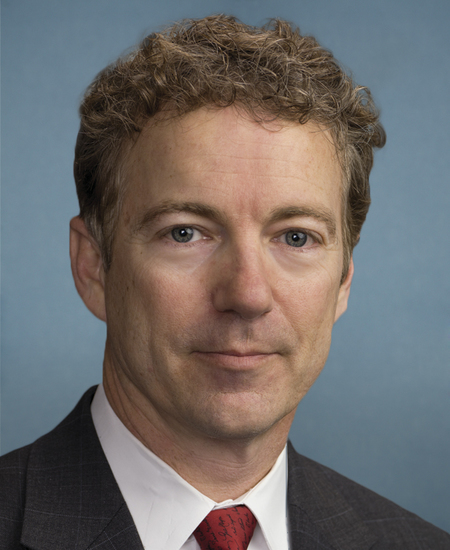
Rand Paul
Rand Paul Senate
R
Oppose
25% 12
Showing 891–900 of 1,583 bills

All labor & employment bills

in committee · United States · Senate Mar 12, 2025

S 988: Women's Retirement Protection Act

The Women's Retirement Protection Act (S 988) requires spousal consent for certain distributions from defined contribution retirement plans (like 401(k)s), addressing a gap where these common plans currently lack protections for spouses that traditional pension plans provide. It aims to protect women's retirement savings during divorce, when retirement accounts are often the largest asset divided. The bill also authorizes $100 million annually for grants to improve financial literacy among women and assist low-income women and domestic violence survivors in obtaining retirement benefits through divorce. These provisions directly affect millions of women who face retirement income gaps due to the gender pay gap and caregiving responsibilities.
Sub-Topics Retirement Benefits
in committee · United States · House Jan 28, 2026

HR 7261: Motor Carrier Safety Screening Modernization Act

This bill modernizes how motor carriers (like trucking companies) screen driver safety records. It makes safety history checks voluntary for employers, prohibiting them from using such data to deny jobs without first giving applicants notice and a chance to appeal (per Section 31150(c)(3)). It also requires labeling safety violations under review in databases and creates a formal appeals process for disputed data (Sections 31150(d)-(e)). The law directly affects motor carrier employers and job applicants in the commercial driving industry by changing how safety data is used in hiring decisions.
in committee · United States · House Apr 10, 2025

HR 2900: PACE Act

Promoting Affordable Childcare for Everyone Act or the PACE Act This bill increases and makes refundable the tax credit for qualified child and dependent care expenses. The bill also increases the exclusion from gross income for employer-provided child and dependent care benefits. Under current law, a nonrefundable tax credit is allowed for up to 35% (maximum tax credit percentage) of qualified child and dependent care expenses incurred by an individual to work or look for work, up to a maximum amount. The percentage of such expenses allowed as a tax credit may be reduced, but not below 20% (minimum tax credit percentage), based on an individual’s adjusted gross income. The bill generally increases the tax credit for qualified child and dependent care expenses by increasing the maximum tax credit percentage to 50%, increasing the minimum tax credit percentage to 35%, and adjusting the maximum credit amounts annually for inflation. The bill also makes the tax credit for qualified child and dependent care expenses refundable. Finally, the bill increases and adjusts for inflation the amount that may be excluded from gross income for employer-sponsored child and dependent care benefits (e.g., dependent care flexible spending arrangements) to $7,500 (from $5,000).
Sub-Topics Tax Credits
in committee · United States · Senate Feb 6, 2025

S 466: Fairness for Disabled Young Adults Act

This bill raises the age limit for disabled young adults to continue receiving Social Security disability benefits from 22 to 26 years old. It directly affects young adults with disabilities who currently lose benefits at age 22 but would now qualify until age 26. The key mechanism updates multiple provisions in the Social Security Act (including Sections 202(d), 205(j), 225(a), and 1631(a)) to replace "age of 22" with "age of 26" in all relevant places. These changes ensure consistent eligibility across different benefit programs without altering other eligibility requirements.
Tags People with Disabilities
in committee · United States · Senate Feb 3, 2025

S 357: Federal Freeze Act

S 357, the Federal Freeze Act, freezes federal hiring and pay for one year starting from its enactment date. It prohibits agencies from increasing their workforce beyond current levels (the "baseline number") or raising employee pay rates, with limited exceptions for law enforcement, public safety, national security, or declared disaster emergencies. After the initial freeze, agencies must reduce their workforce by 2% within two years and 5% within three years of enactment, while exempting employees deemed essential for the same security or emergency reasons. This directly affects all federal agencies and their hiring and compensation practices.
Sub-Topics Public Employees
in committee · United States · House Mar 20, 2026

HR 7201: Rural Service and Workforce Corps Act

The Rural Service and Workforce Corps Act creates a program offering scholarships, tuition assistance, student loan repayment, stipends, and relocation incentives to individuals who commit to working for three years in rural areas with critical workforce shortages. It prioritizes filling gaps in health care (including primary care and behavioral health), skilled trades (like electricians and plumbers), energy infrastructure (lineworkers and renewable technicians), and utilities (water operators and broadband technicians). Designated areas include persistent poverty counties, health professional shortage areas, and regions with Native American communities. Employers meeting wage and training standards - such as public agencies, nonprofits, and tribal organizations - can participate to recruit and retain workers in these targeted sectors.
in committee · United States · Senate Oct 7, 2025

S 2982: Federal Employees Civil Relief Act

This bill provides temporary relief to federal workers during government shutdowns by pausing specific civil obligations. It directly affects federal employees (including contractor employees) who are furloughed or working without pay, suspending actions like evictions, mortgage foreclosures, student loan collections, tax payments, and insurance lapses during the shutdown and for 30 days afterward. Key mechanisms include court-ordered stays for rent, mortgages, and loans; automatic student loan deferment; tax payment deferrals; and protection against insurance policy termination due to unpaid premiums. The relief applies only to civil matters (not criminal cases or child support) and requires court involvement for certain actions.
Sub-Topics Mortgages Renters
in committee · United States · House Nov 25, 2025

HR 6295: The Working for Tips Tax Relief Act of 2025

This bill creates a tax deduction for certain reported cash tips received by workers in occupations that traditionally rely on tips, such as servers and bartenders. It allows a deduction of up to $35,000 per year for tips reported to employers (e.g., via Form 4137), but phases out for individuals earning over $50,000 annually (single) or $100,000 (joint). The deduction requires a Social Security number and applies only to taxable years starting in 2026 through 2028, with a Treasury pilot program to evaluate extending it permanently. It excludes tips from occupations not traditionally tip-based and mandates annual reviews of living wage thresholds.
in committee · United States · House Jun 24, 2025

HR 4082: Industrial Certification for Coast Guard Veterans Act

This bill requires the Secretary of Homeland Security to submit a report within 180 days of enactment, analyzing how Coast Guard personnel skills (like engineering and navigation) can transfer to the dredging industry. The report must include a plan to connect separating or retiring Coast Guard members with dredging jobs, evaluate certification programs for their skills, and detail coordination with agencies like the Army Corps of Engineers. It directly affects Coast Guard personnel seeking transition opportunities and the dredging industry, which maintains critical waterways for national security. The bill focuses on creating pathways for veteran employment through skill recognition and industry partnerships, without establishing new regulations.
in committee · United States · Senate May 8, 2025

S 1672: Forest Protection and Wildland Firefighter Safety Act of 2025

S 1672, the Forest Protection and Wildland Firefighter Safety Act of 2025, modifies a permit rule under the Federal Water Pollution Control Act to streamline firefighting operations. It adds an exception allowing the aerial application of fire retardants listed on the Forest Service's Qualified Products List without requiring a separate pollution discharge permit during wildfires. This directly affects wildland firefighters and federal agencies (like the Forest Service) using these approved products during emergency fire suppression. The key change removes a bureaucratic barrier for using essential firefighting chemicals during active fire events.
Sub-Topics Forestry Water Quality
Showing 891 to 900 of 1,583 bills
Previous 1 … 89 90 91 … 159 Next