Issue · Labor & Employment

Labor & Employment

Every labor & employment bill, vote, and legislator stance in United States, automatically classified by Maddy, our AI policy reader.

Total bills
1,564
119th Congress
Top supporter
Brian K. Fitzpatrick
93% support rate
Top opponent
Bernard Sanders
27% support rate
Ranked legislators
10
5 support · 5 oppose
Key legislators

Who's moving labor & employment in United States

Legislators moving labor & employment in United States
Legislator Party Stance Support rate Decisive votes
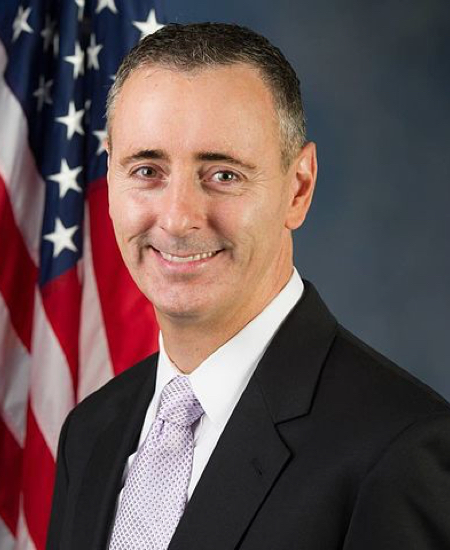
Brian K. Fitzpatrick
Brian K. Fitzpatrick House · District 1
R
Strong +
93% 14
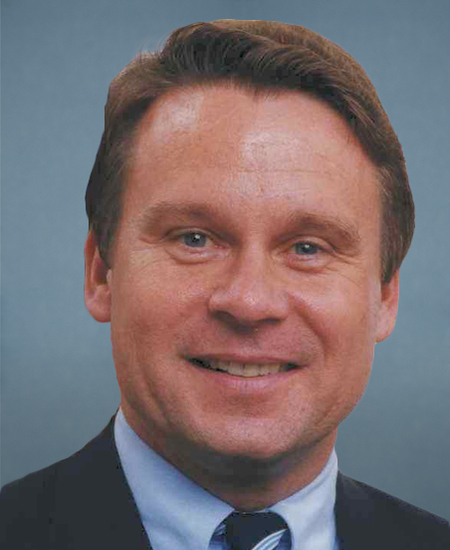
Christopher H. Smith
Christopher H. Smith House · District 4
R
Strong +
93% 14
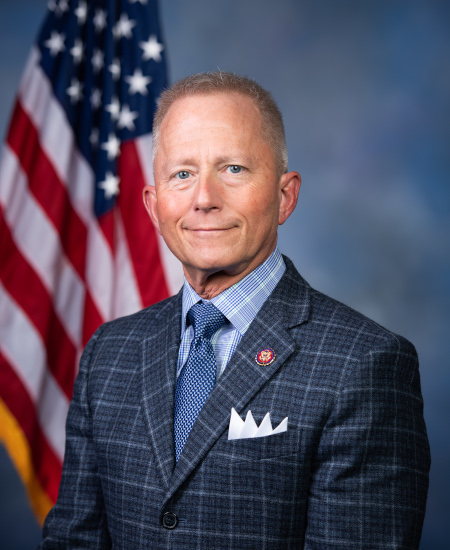
Jefferson Van Drew
Jefferson Van Drew House · District 2
R
Strong +
93% 14
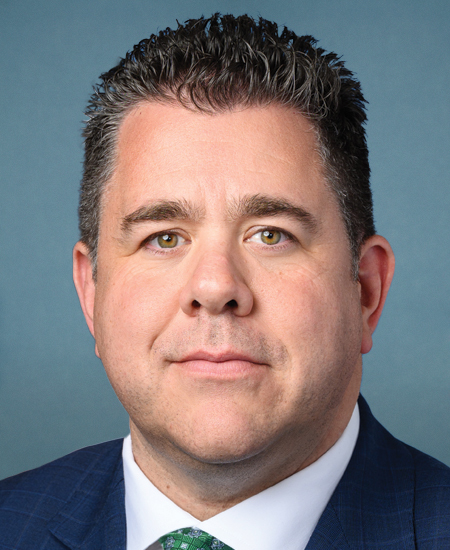
Nick LaLota
Nick LaLota House · District 1
R
Strong +
93% 14
Robert P. Bresnahan, Jr.
Robert P. Bresnahan, Jr. House · District 8
R
Strong +
93% 14
Bernard Sanders
Bernard Sanders Senate
I
Oppose
27% 11
Edward J. Markey
Edward J. Markey Senate
D
Oppose
27% 11
Elizabeth Warren
Elizabeth Warren Senate
D
Oppose
27% 11
Lisa Blunt Rochester
Lisa Blunt Rochester Senate
D
Oppose
27% 11
Chip Roy
Chip Roy House · District 21
R
Oppose
29% 14
Showing 521–530 of 1,564 bills

All labor & employment bills

in committee · United States · Senate Jul 17, 2025

S 2324: Pesticide Injury Accountability Act of 2025

This bill creates a new legal pathway for individuals injured by pesticides. It allows people harmed by pesticide use - whether to their person or property - to sue the company that registered the pesticide in federal court for monetary damages. The law specifies that recovered damages can include both compensatory and punitive amounts (at the court's discretion), but excludes attorney fees or court costs. Crucially, it clarifies that this federal right of action does not override existing state laws, meaning affected individuals can also pursue claims under state regulations. The bill directly impacts pesticide registrants (companies) and anyone suffering pesticide-related harm.
in committee · United States · House Feb 13, 2025

HR 1308: FISC Act

The FISC Act establishes a new monthly payment program for pregnant women after 20 weeks of pregnancy and caregivers of eligible children under 18. Payments are $800 per month for pregnancy, $400 for children under 6, and $250 for children 6 and older, with a 20% increase if married. Payments phase out for higher earners (starting at $125,000 individual income or $250,000 for joint filers) and are capped at 1/12 of the previous year's adjusted gross income. The bill repeals the existing child tax credit and requires the Social Security Administration to track program data through a new Bureau of Family Statistics, submitting annual reports to Congress.
Sub-Topics Tax Credits
in committee · United States · Senate Sep 3, 2025

S 2691: Rural Microentrepreneur Assistance Act of 2025

This bill increases funding limits and modifies terms for the Rural Microentrepreneur Assistance Program. It raises the maximum microloan amount from $50,000 to $75,000 per borrower and allows loans to cover up to 50% of real estate improvement costs (like construction or demolition) for business projects. The bill also changes repayment terms to require 100% repayment (up from 75%) and extends the program's funding period from 2019-2023 to 2026-2030. These changes directly affect rural microentrepreneurs seeking small business loans for startup or expansion, particularly those needing physical space improvements.
Tags Rural Communities Small Business
in committee · United States · Senate Jul 17, 2025

S 2337: Providing Child Care for Police Officers Act of 2025

S 2337, the Providing Child Care for Police Officers Act of 2025, establishes a federal grant program to help law enforcement agencies provide child care for the minor children of officers during nontraditional work hours. It allocates $24 million annually from 2026 to 2030 for competitive grants to lead agencies (state or local child care administrators), which will fund child care programs through covered entities like law enforcement agencies or consortia. At least 20% of funds are reserved for small agencies (fewer than 200 officers) or consortia including them, with recipients required to provide increasing matching funds over three years (10%, 25%, and 33.3%). The bill specifies allowable uses of funds, including startup costs, provider training, sick child care, and facilities, and mandates two studies to evaluate program effectiveness after 2 and 4 years.
Tags Children
in committee · United States · House Jan 30, 2026

HR 7279: Nurse Faculty Shortage Reduction Act of 2026

HR 7279, the Nurse Faculty Shortage Reduction Act of 2026, creates a federal program to address nurse faculty shortages by covering the pay gap between nursing faculty salaries and clinical nursing salaries. It authorizes $15 million annually (2027-2031) for nursing schools to supplement faculty salaries for up to three years, targeting faculty who previously worked in clinical practice or are new hires. Schools must submit detailed salary data comparing clinical nurse pay to faculty pay and demonstrate plans to sustain funding after the grant period. The program prioritizes schools in health professional shortage areas, serving vulnerable populations, or focusing on underrepresented faculty, with a report due to Congress within three years of enactment.
in committee · United States · House Apr 10, 2025

HR 2859: Child Care Nutrition Enhancement Act of 2025

HR 2859, the Child Care Nutrition Enhancement Act of 2025, adds a 10-cent per meal reimbursement to the Child and Adult Care Food Program (CACFP) for meals served to children in licensed childcare settings. This change directly affects childcare providers, including family and group day care homes and centers participating in CACFP, starting after the bill's enactment. The bill amends existing law to require this additional payment for every meal and supplement served under the program. The increase applies to all qualifying meals served after the effective date, without altering existing reimbursement tiers or eligibility rules.
Tags Children
passed · United States · House Sep 16, 2026

HR 4646: Whistleblower Protection Act of 2025

This bill extends existing whistleblower protections to workers on all contracts funded by the Department of Housing and Urban Development (HUD). It applies Section 4712 of U.S. law - which prohibits retaliation against employees reporting fraud or waste - to every HUD contract, subcontract, grant, or personal services agreement, regardless of when the contract was signed. This means employees working on HUD-funded projects can now seek legal protection if they face retaliation for raising concerns about misconduct. The law directly affects HUD contractors and their employees by ensuring they have the same legal safeguards as other federal contract workers.
in committee · United States · House Mar 26, 2025

HR 2391: Strengthening Supply Chains Through Truck Driver Incentives Act of 2025

HR 2391 creates a new $7,500 federal tax credit for eligible commercial truck drivers in 2025, increasing to $10,000 for new drivers. To qualify, drivers must hold a Class A commercial driver’s license, operate qualifying tractor-trailers, earn under $135,000 annually (for joint filers), and drive at least 1,900 hours yearly (or average 40 hours weekly). Special rules apply for apprenticeship program participants and drivers with fewer than 1,420 hours. The credit expires after 2026 and adjusts annually for inflation starting in 2026.
in committee · United States · House Nov 21, 2025

HR 6284: Strengthening Loan Forgiveness for Public Service Workers Act

This bill creates a new loan forgiveness program for public service workers with federal student loans taken out after its enactment. It provides 15% forgiveness after 24 months of qualifying public service employment, with additional 15% increments at 48, 72, and 96 months, totaling 100% forgiveness after 120 months (10 years) of service. Only borrowers with new federal Direct Loans made after the bill passes qualify, and the bill simplifies employment certification through self-certification forms or automatic verification. Interest accrued during the application process is also canceled.
in committee · United States · Senate Jul 28, 2025

S 2470: College Athlete Economic Freedom Act

This bill gives college athletes the right to profit from their name, image, and likeness (NIL) without affecting their athletic eligibility or scholarships. It prohibits schools and athletic associations from blocking athletes from negotiating NIL deals or forming collective representatives to do so. The bill requires institutions to provide equitable NIL marketing support regardless of gender, race, or sport, and includes specific provisions for international student-athletes regarding visa status and employment authorization. Enforcement will be handled by the Federal Trade Commission and through private lawsuits.
Sub-Topics Higher Education
Showing 521 to 530 of 1,564 bills
Previous 1 … 52 53 54 … 157 Next