Issue · Labor & Employment

Labor & Employment

Every labor & employment bill, vote, and legislator stance in United States, automatically classified by Maddy, our AI policy reader.

Total bills
1,420
119th Congress
Top supporter
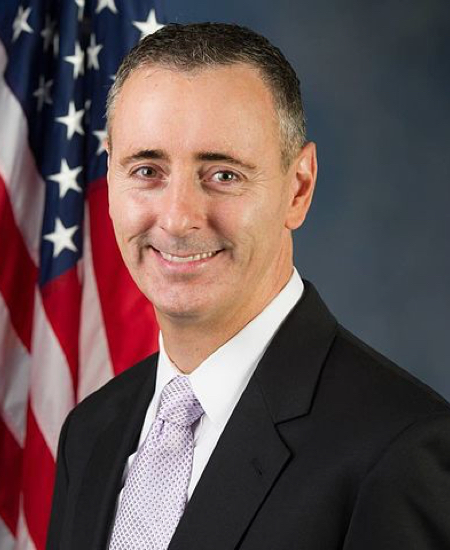
Brian K. Fitzpatrick
93% support rate
Top opponent
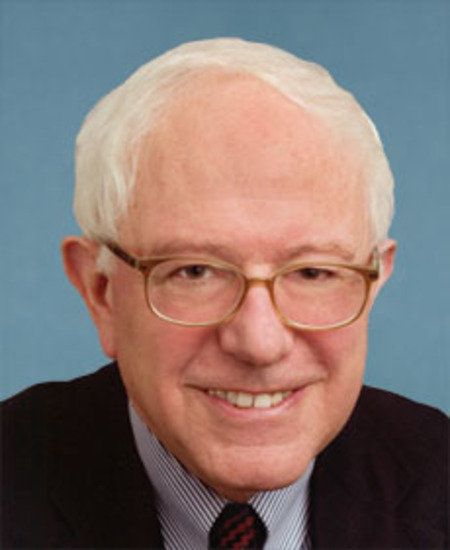
Bernard Sanders
27% support rate
Ranked legislators
10
5 support · 5 oppose
Key legislators

Who's moving labor & employment in United States

Legislators moving labor & employment in United States
Legislator Party Stance Support rate Decisive votes
Brian K. Fitzpatrick
Brian K. Fitzpatrick House · District 1
R
Strong +
93% 14
Christopher H. Smith
Christopher H. Smith House · District 4
R
Strong +
93% 14
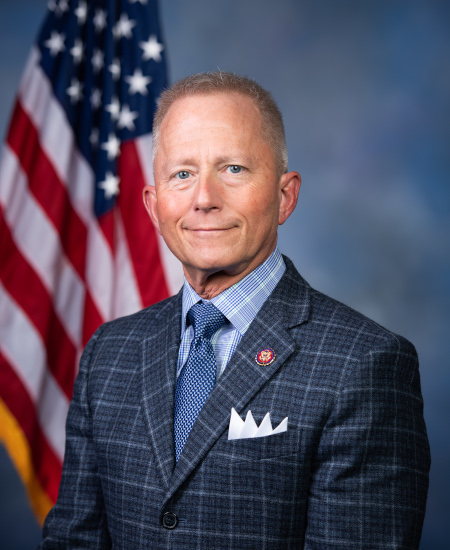
Jefferson Van Drew
Jefferson Van Drew House · District 2
R
Strong +
93% 14
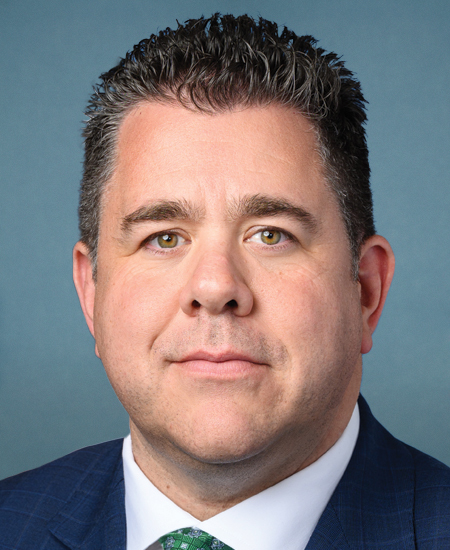
Nick LaLota
Nick LaLota House · District 1
R
Strong +
93% 14
Robert P. Bresnahan, Jr.
Robert P. Bresnahan, Jr. House · District 8
R
Strong +
93% 14
Bernard Sanders
Bernard Sanders Senate
I
Oppose
27% 11
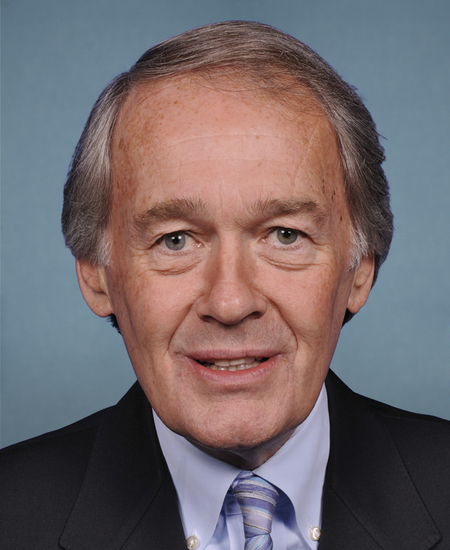
Edward J. Markey
Edward J. Markey Senate
D
Oppose
27% 11
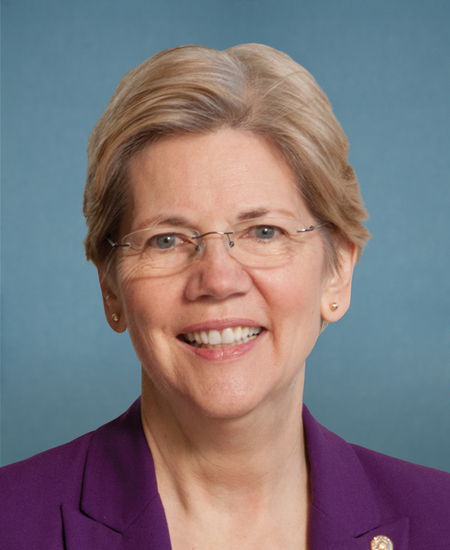
Elizabeth Warren
Elizabeth Warren Senate
D
Oppose
27% 11
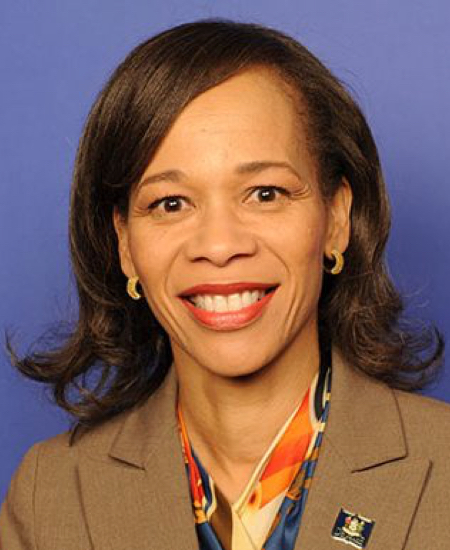
Lisa Blunt Rochester
Lisa Blunt Rochester Senate
D
Oppose
27% 11
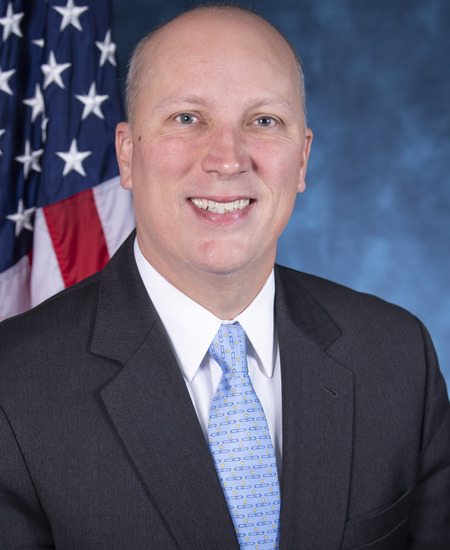
Chip Roy
Chip Roy House · District 21
R
Oppose
29% 14
Showing 1,201–1,210 of 1,420 bills

All labor & employment bills

in committee · United States · Senate Jul 10, 2025

SCONRES 16: A concurrent resolution recognizing the significance of equal pay and the disparity in wages paid to men and to Black women.

This symbolic resolution (SCONRES 16) recognizes the persistent wage gap affecting Black women in the U.S., specifically noting they earn just 66 cents for every dollar paid to White, non-Hispanic men for full-time work. It highlights that Black women face compounded racial and gender-based pay discrimination, with data showing the gap would take over 200 years to close at current rates. The resolution does not create new laws but formally acknowledges the economic impact on Black women - such as lost lifetime earnings and reduced family financial security - and reaffirms congressional support for equal pay principles. It was introduced to coincide with Black Women’s Equal Pay Day (July 10, 2025), using Census and EEOC data to underscore the disparity.
in committee · United States · Senate Jan 27, 2026

S 3698: Mental Health and MAMA Act of 2026

This bill requires health insurance plans to cover mental health and substance use disorder services without copays, deductibles, or other out-of-pocket costs for pregnant and postpartum individuals. It applies to in-network providers and includes telehealth services, covering care from pregnancy diagnosis through the first year after birth. The law takes effect for plan years beginning two years after enactment. It directly affects individuals enrolled in employer-sponsored or individual health insurance plans who need mental health support during pregnancy and the postpartum period.
in committee · United States · House Dec 16, 2025

HR 6752: Investing in American Workers Act

The Investing in American Workers Act creates a new 20% tax credit for employers providing training to non-highly compensated employees (earning below 60% of top compensation levels) that leads to recognized credentials like certificates, degrees, or apprenticeships. Eligible small businesses (with under $5 million in annual revenue) can claim this credit against income taxes or apply it directly to payroll taxes, with a $250,000 annual cap per business. The credit covers costs for training through approved programs including community colleges, registered apprenticeships, and industry partnerships. It becomes effective for taxable years beginning after enactment, aiming to incentivize employer-funded workforce development.
in committee · United States · House Sep 15, 2025

HR 5354: Equal Employment for All Act of 2025

HR 5354, the Equal Employment for All Act of 2025, prohibits most employers from using credit reports or credit history in hiring decisions or employment-related actions like job denials. It directly affects employers nationwide by banning the use of consumer reports (including credit checks) for employment purposes, except for positions requiring national security clearance or when required by law. The bill amends the Fair Credit Reporting Act to create this broad prohibition, stating employers cannot use credit information to deny jobs or make other employment decisions, even if an applicant consents. Exceptions are limited to national security roles or legal mandates, and the bill maintains existing disclosure requirements for credit checks used in permitted circumstances.
in committee · United States · Senate Jan 15, 2026

S 3648: Immediate Access for the Terminally Ill Act

This bill allows individuals diagnosed with certain terminal illnesses to receive Social Security disability benefits without the standard 5-month waiting period. To qualify, a person must have a condition listed by the Social Security Administration that meets three criteria: it must be on the Compassionate Allowance list, have a life expectancy of five years or less from diagnosis, and have no known cure. If they choose this option, they receive 93% of their standard benefit amount starting from the first month they are disabled, but the election is permanent and must be made when applying for benefits. The Social Security Administration must update the qualifying condition list every five years, and any new addition requires congressional approval.
Sub-Topics Unemployment
in committee · United States · Senate Jun 11, 2025

S 2028: Supporting Apprenticeship Colleges Act of 2025

S 2028, the Supporting Apprenticeship Colleges Act of 2025, provides federal grants to colleges offering construction and manufacturing apprenticeships to expand student recruitment and support services. It creates two grant programs: (1) community outreach grants (max $500,000 per college) to connect with high schools, employers in rural areas, and workforce boards - prioritizing rural, first-generation, minority, and nontraditional students; and (2) student support grants (max $500,000 per college) for advising, mental health services, childcare, and career development to improve program retention and completion. The bill authorizes $5 million annually (2026-2030) for these programs, targeting colleges that sponsor registered apprenticeships in construction or manufacturing. It directly affects eligible apprenticeship colleges by funding specific activities to grow enrollment and support underrepresented students in these fields.
in committee · United States · Senate Jan 22, 2025

S 189: CONSTRUCTS Act of 2025

The CONSTRUCTS Act of 2025 establishes a federal grant program to fund training programs for residential construction careers at rural community colleges and similar institutions. It prioritizes serving rural communities and underserved populations - including low-income individuals, veterans, and groups with historically low construction industry employment - through competitive grants. Grantees must create or expand training in specific trades (like carpentry, plumbing, and electrical work), form partnerships with construction businesses to ensure fair wages, and offer flexible scheduling and job placement support. The program authorizes $20 million annually from 2025 to 2029 to increase skilled construction workers and support affordable housing development.
in committee · United States · House Mar 18, 2025

HR 2173: Tools Tax Deduction Act

This bill allows employees in trades requiring specialized tools (like construction) to deduct work-related expenses directly from their gross income, rather than as itemized deductions. Specifically, it creates an above-the-line deduction for construction tools, personal protective gear, and other necessary work expenses. This change exempts these costs from the usual 2% floor on miscellaneous itemized deductions. The policy affects blue-collar workers who must purchase or maintain essential equipment to perform their jobs, making these costs fully deductible starting in 2026.
Sub-Topics Income Tax
in committee · United States · Senate Jan 13, 2026

S 3626: Federal Correctional Officer Paycheck Protection Act of 2026

This bill increases base pay for Federal correctional officers by 35% above their current General Schedule or law enforcement officer rates, replacing their existing base pay for all compensation purposes. It directly affects Bureau of Prisons correctional officers whose duties involve inmate custody, control, or routine direct contact in custodial settings, including certain supervisory roles. The pay increase is capped at the rate for Executive Schedule Level V (for officers) or Level IV (for Federal Wage System employees), and expires after five years unless the Department of Justice Inspector General certifies progress in reducing non-custodial staff "augmentation" and excessive overtime. The law requires a review 180 days before expiration to assess staffing changes and impacts on recruitment, retention, and safety.
in committee · United States · House Jul 23, 2025

HR 4740: No Tax on Overtime for All Workers Act

This bill creates a federal tax deduction for certain overtime pay, making it non-taxable for eligible workers. It directly affects employees who earn overtime under the Fair Labor Standards Act (FLSA) or as specified in binding collective bargaining agreements, specifically pay exceeding 40 hours per workweek at 1.5x their regular rate. The key provision amends tax law to exclude this defined "qualified overtime compensation" from taxable income, removing federal income tax liability for those specific overtime earnings. The change applies to tax years beginning after December 31, 2024.
Showing 1,201 to 1,210 of 1,420 bills