Issue · Healthcare

Healthcare

Every healthcare bill, vote, and legislator stance in United States, automatically classified by Maddy, our AI policy reader.

Total bills
3,079
119th Congress
Top supporter
Christopher Murphy
81% support rate
Top opponent
Bill Hagerty
13% support rate
Ranked legislators
10
5 support · 5 oppose
Key legislators

Who's moving healthcare in United States

Legislators moving healthcare in United States
Legislator Party Stance Support rate Votes
Christopher Murphy
Christopher Murphy Senate
D
Strong +
81% 221
Raphael G. Warnock
Raphael G. Warnock Senate
D
Strong +
81% 222
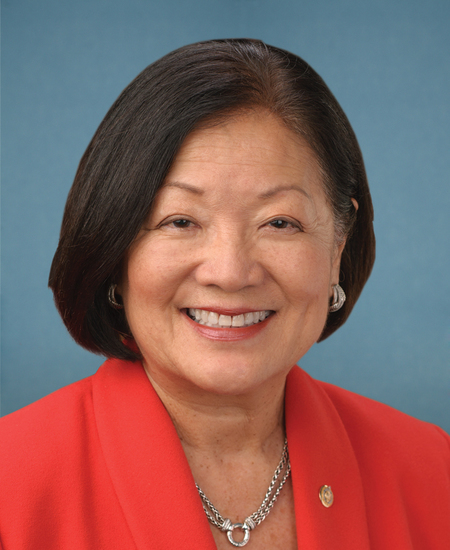
Mazie K. Hirono
Mazie K. Hirono Senate
D
Support
76% 223
Ron Wyden
Ron Wyden Senate
D
Support
76% 223
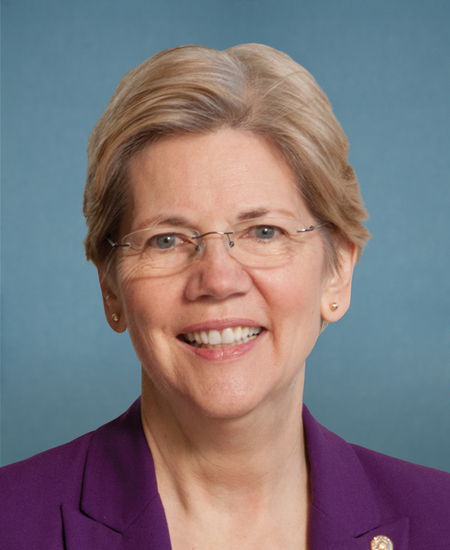
Elizabeth Warren
Elizabeth Warren Senate
D
Support
76% 223
Bill Hagerty
Bill Hagerty Senate
R
Strong −
13% 218
Roger F. Wicker
Roger F. Wicker Senate
R
Strong −
13% 220
James C. Justice
James C. Justice Senate
R
Strong −
19% 216
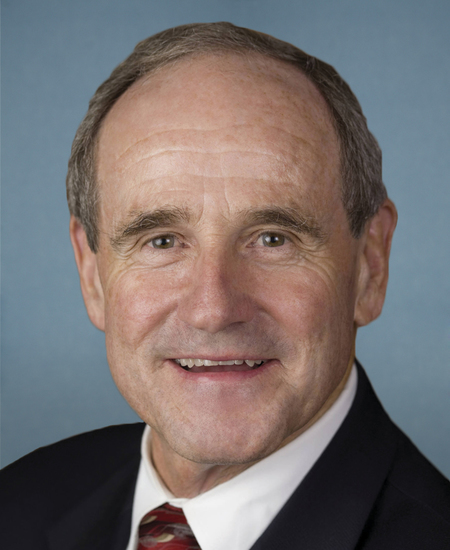
James E. Risch
James E. Risch Senate
R
Strong −
19% 221
Mitch McConnell
Mitch McConnell Senate
R
Strong −
19% 197
Showing 3,061–3,070 of 3,079 bills

All healthcare bills

in committee · United States · Senate Mar 19, 2026

S 2903: Safe Step Act

S 2903, the Safe Step Act, requires health insurance plans and employers offering health coverage to establish a clear, timely process for patients or doctors to request exceptions when step therapy protocols (where insurers require trying cheaper drugs first) would harm a patient. It mandates approval for exceptions if prior drugs failed, delay would cause severe harm, a drug is unsafe, or a patient is stable on their current medication. Plans must respond to requests within 72 hours (or 24 hours in emergencies) and cover the requested drug without extra cost-sharing. The bill also requires annual reports to the government on exception requests, approvals, denials, and trends by medical condition or specialty. This directly affects patients on health plans with step therapy, their doctors, and the insurers managing those plans.
in committee · United States · Senate May 7, 2025

S 1640: Medicare Patient Access and Practice Stabilization Act of 2025

This bill extends Medicare payment adjustments for physicians and healthcare practitioners through 2025, replacing previous references to 2021-2024 with "2021 through 2025." It specifically sets a 8.51% payment rate for services provided between June 1, 2025, and January 1, 2026. The bill directly affects Medicare-participating doctors and medical practices by stabilizing reimbursement rates during this period. It modifies existing Social Security Act provisions to align with these updated payment timelines and rates.
Sub-Topics Medicare
in committee · United States · Senate Jul 24, 2025

SRES 338: A resolution recognizing the importance of independent living and economic self-sufficiency for individuals with disabilities made possible by the Americans with Disabilities Act of 1990 and calling for further action to strengthen and expand health care for individuals with disabilities to work and live in the community.

SRES 338 is a non-binding Senate resolution recognizing how the Americans with Disabilities Act (ADA) of 1990 enables independent living and economic self-sufficiency for people with disabilities. It highlights that over one-third of disabled individuals rely on Medicaid for health coverage and community-based care, yet many remain in segregated institutions due to Medicaid limitations and insufficient community services. The resolution calls for bipartisan action to strengthen Medicaid funding, oppose cuts or work-reporting requirements that hinder access to care, and expand home-based services to support employment and community living. It specifically urges federal agencies to improve accessibility in housing, transportation, emergency services, and competitive employment opportunities for people with disabilities, particularly those of color facing systemic barriers. This resolution does not create new law but advocates for policy changes to fulfill the ADA’s promise.
Sub-Topics Medicaid Tags People with Disabilities
in committee · United States · House Dec 10, 2025

HRES 944: Impeaching Robert F. Kennedy Jr., Secretary of Health and Human Services, for high crimes and misdemeanors.

HRES 944 is a House resolution proposing the impeachment of Robert F. Kennedy Jr., Secretary of Health and Human Services, alleging he violated his constitutional duties. The resolution claims he canceled over 2,600 biomedical research grants ($8.9 billion in funding), shut down key public health programs (including childhood cancer research and mental health services), and undermined vaccine safety policies by firing the Advisory Committee on Immunization Practices and removing vaccines from CDC recommendations. It further alleges he made false public statements about health issues (like linking vaccines to autism) and terminated programs like water fluoridation directives. This resolution directly affects public health research, medical innovation, and access to services like reproductive care and pandemic preparedness.
in committee · United States · Senate Apr 2, 2025

S 1264: Mental and Physical Health Care Comorbidities Act of 2025

This bill establishes a 5-year Medicare demonstration program (2025-2030) testing integrated care models for patients with co-occurring mental and physical health conditions. Eligible hospitals in underserved communities must develop plans addressing social determinants like housing and food access while coordinating care across providers. The program tracks outcomes including reduced emergency visits, cost savings, and improved health metrics, with findings reported to Congress by 2031. It directly affects Medicare beneficiaries with serious mental illness plus chronic conditions or high-risk circumstances (e.g., frail elderly, disability) in vulnerable communities.
in committee · United States · House Sep 2, 2025

HRES 671: Prioritizing mental health to the same degree as physical health to address the epidemics of suicide and drug overdose in the United States.

HRES 671 is a non-binding House resolution expressing support for treating mental health with the same priority as physical health to combat suicide and overdose epidemics. It calls for enforcing existing mental health parity laws in insurance coverage, reducing cultural stigma around mental illness, and backing the 2024 National Suicide Prevention Strategy. The resolution directs the House to advocate for increased funding and resources to expand mental health workforce capacity, improve access to medication-assisted treatment, and implement evidence-based suicide prevention programs. It specifically emphasizes supporting school-based mental health services, culturally tailored care, and digital campaigns targeting youth. As a symbolic resolution, it does not create new laws or allocate funds but urges federal and state action on these priorities.
in committee · United States · Senate Dec 17, 2025

S 3521: PEERS Act of 2025

This bill expands Medicare coverage to include peer support services for beneficiaries with mental health conditions or substance use disorders. It requires Medicare to cover these services when provided by certified peer support specialists at community mental health centers, rural health clinics, or similar facilities. Peer support specialists must be individuals recovering from similar conditions and certified under specific guidelines. The policy change takes effect January 1, 2027, directly affecting Medicare beneficiaries seeking these services and the certified providers offering them.
in committee · United States · Senate Jun 16, 2025

S 2085: Postpartum Lifeline Act

The Postpartum Lifeline Act requires states to provide 12 months of continuous Medicaid and CHIP coverage for pregnant individuals, replacing the previous 60-day postpartum coverage limit. It directly affects low-income pregnant and postpartum individuals enrolled in Medicaid or CHIP, ensuring they maintain health coverage through the first year after pregnancy. The bill repeals the existing provision that restricted coverage to pregnancy-related services for only 60 days and mandates full coverage for all medical needs during the 12-month period. States must comply with this requirement starting no later than one year after the bill's enactment, though they may choose an earlier effective date. This policy change eliminates a major gap in postpartum care access for eligible individuals.
in committee · United States · Senate Jan 9, 2025

S 46: Health Care Affordability Act of 2025

This bill adjusts tax credit rules for health insurance under the Affordable Care Act to make coverage more affordable for lower-income households. It replaces a flat income threshold with a sliding scale, reducing the percentage of income people pay for premiums based on their household income relative to the poverty line (e.g., 0% for incomes up to 150% of poverty, rising to 8.5% at 400%+). The change directly affects individuals buying insurance through health insurance marketplaces who qualify for tax credits. It takes effect for tax years beginning after 2025, modifying how the IRS calculates subsidy eligibility.
Sub-Topics Tax Credits Insurance
in committee · United States · House Oct 31, 2025

HR 5899: Caring for Mothers Act of 2025

The Caring for Mothers Act of 2025 requires health insurance plans to cover pregnancy-related care, postpartum care, and mental health services for birth mothers who place their newborns for adoption. It directly affects birth mothers (citizens or lawfully present individuals who are pregnant or within six months postpartum) and their health insurance plans. To activate coverage, an adoptive parent must submit a joint request with the birth mother, including attestations about the adoption plan. Coverage begins the month after the request is received and lasts up to one year from the child’s birth, ending if either party requests termination. The law explicitly states it does not require an adoption to proceed or impose penalties if adoption is not completed.
Showing 3,061 to 3,070 of 3,079 bills