Issue · Healthcare

Healthcare

Every healthcare bill, vote, and legislator stance in United States, automatically classified by Maddy, our AI policy reader.

Total bills
3,079
119th Congress
Top supporter
Christopher Murphy
81% support rate
Top opponent
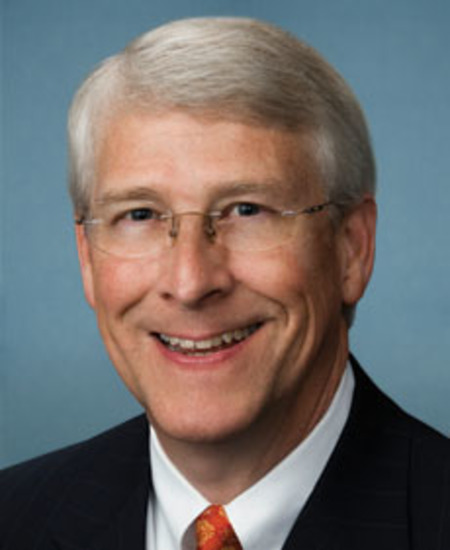
Bill Hagerty
13% support rate
Ranked legislators
10
5 support · 5 oppose
Key legislators

Who's moving healthcare in United States

Legislators moving healthcare in United States
Legislator Party Stance Support rate Votes
Christopher Murphy
Christopher Murphy Senate
D
Strong +
81% 221
Raphael G. Warnock
Raphael G. Warnock Senate
D
Strong +
81% 222
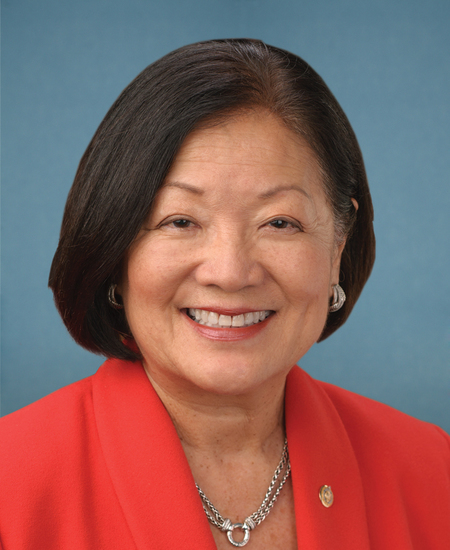
Mazie K. Hirono
Mazie K. Hirono Senate
D
Support
76% 223
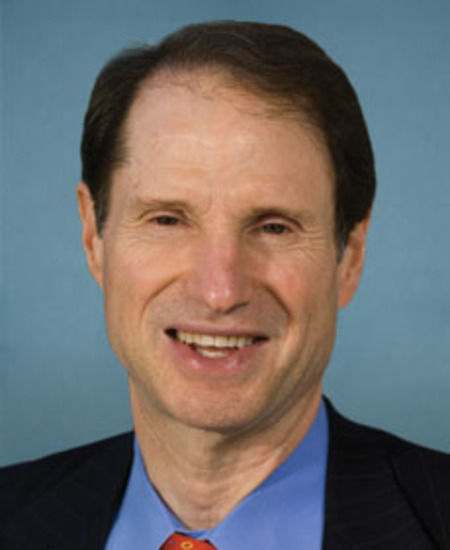
Ron Wyden
Ron Wyden Senate
D
Support
76% 223
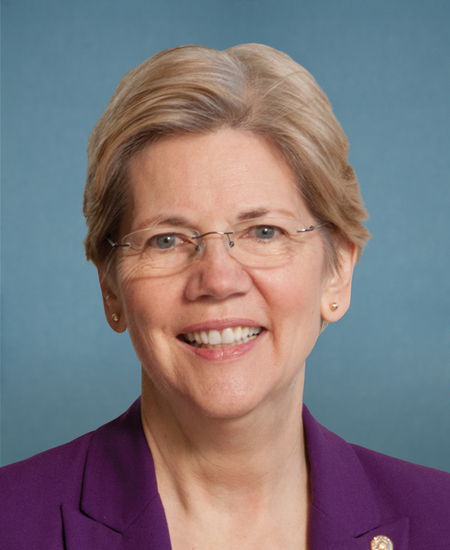
Elizabeth Warren
Elizabeth Warren Senate
D
Support
76% 223
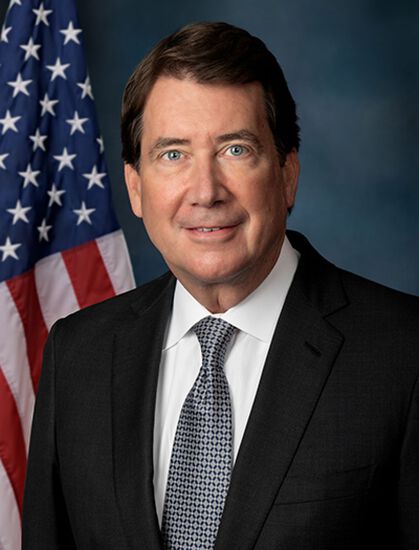
Bill Hagerty
Bill Hagerty Senate
R
Strong −
13% 218
Roger F. Wicker
Roger F. Wicker Senate
R
Strong −
13% 220
James C. Justice
James C. Justice Senate
R
Strong −
19% 216
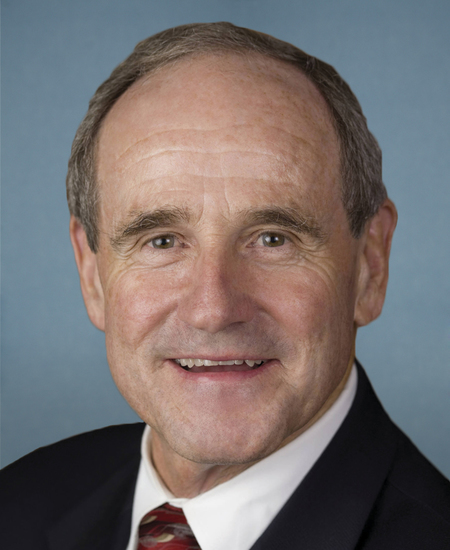
James E. Risch
James E. Risch Senate
R
Strong −
19% 221
Mitch McConnell
Mitch McConnell Senate
R
Strong −
19% 197
Showing 3,051–3,060 of 3,079 bills

All healthcare bills

in committee · United States · House Dec 10, 2025

HR 6314: Lung Cancer Screening Expansion Act of 2025

This bill requires all health insurers and federal health programs to cover annual lung cancer screenings (using low-dose CT scans or equivalent) with no out-of-pocket costs for eligible adults. It directly affects adults aged 50-80 who are deemed at increased lung cancer risk by their healthcare provider due to personal, environmental, or family factors. The law prohibits prior authorization, step-therapy, or annual screening limits stricter than one per year, ensuring immediate access to screening without administrative barriers. Federal health agencies must issue implementing rules within 180 days of the bill's enactment to ensure compliance.
in committee · United States · Senate Jul 10, 2025

SRES 318: A resolution recognizing that climate change poses a growing threat to public health and necessitates coordinated action to mitigate its impacts and safeguard the health and well-being of all people in the United States.

This non-binding resolution recognizes climate change as a growing public health threat and urges the Department of Health and Human Services (HHS) to prioritize climate resilience in healthcare. It recommends specific actions, including reinstating the Office of Climate Change and Health Equity, directing funding toward underserved communities for infrastructure upgrades, establishing worker heat protection standards, and requiring annual progress reports on health equity outcomes. The resolution directly affects HHS agencies, healthcare providers (especially in rural, Tribal, and low-income areas), and workers facing climate-related health risks. It does not create new laws but calls for coordinated federal action to address climate-driven health impacts like heat-related illnesses, mental health strain, and disease spread.
in committee · United States · Senate May 21, 2025

S 1836: SMART Prices Act

The SMART Prices Act (S 1836) changes how Medicare negotiates drug prices. It increases the number of drugs eligible for negotiation from 15 to 50 per year starting in 2028, shortens the time drugs must be the sole source for eligibility from 7 to 3 years, and adjusts price ceiling percentages for negotiated drugs (e.g., raising the maximum fair price from 75% to 76% for some drugs). These changes directly affect Medicare Part D beneficiaries and pharmaceutical companies by altering the negotiation process and pricing caps. The bill modifies existing Medicare drug pricing rules without creating new programs, applying to initial price negotiations beginning in 2028.
in committee · United States · Senate Feb 25, 2025

S 729: Hospital Transparency Compliance Enforcement Act

This bill requires all U.S. hospitals to publicly list their standard prices for common services within six months of enactment (or six months after opening for new hospitals) and update this list annually. Hospitals must ensure this pricing information is accessible online and cannot hide it from search results. Non-compliant hospitals face daily fines - ranging from $600 per day for small hospitals to $11,000 per day for large facilities - based on bed size, with the government publishing a public list of violators every six months. The law aims to make healthcare pricing transparent for patients and enforceable through specific penalties.
in committee · United States · House Sep 2, 2025

HR 5094: Protect Patients from Costly Care Act

HR 5094, the "Protect Patients from Costly Care Act," repeals two specific provisions from a prior reconciliation law (Public Law 119-21) that would have increased patient costs. It restores Medicaid cost sharing rules to their pre-2023 state, directly affecting Medicaid beneficiaries by preventing higher out-of-pocket costs. It also reverses changes to orphan drug exclusions under the Drug Price Negotiation Program, bringing those medications back under federal price negotiation rules for manufacturers. The bill does not create new policies but undoes specific cost-increasing changes to existing programs.
Sub-Topics Medicaid
in committee · United States · Senate Mar 14, 2025

S 1085: MedShield Act of 2025

The MedShield Act of 2025 establishes a new pandemic preparedness program under the Department of Health and Human Services (HHS), requiring the use of artificial intelligence to improve national biodefense. It directs HHS to create a system for real-time pathogen tracking, accelerate vaccine development, and optimize treatment distribution using AI tools, as outlined in Section 3(c). The program mandates annual funding of $300 million in 2025, increasing to $500 million by 2029 (Section 6), and requires a report to Congress within 180 days of enactment (Section 4). This bill directly affects federal agencies coordinating pandemic response and aims to create a continuous, integrated system for addressing biological threats, replacing ad-hoc efforts like Operation Warp Speed.
in committee · United States · Senate Feb 27, 2025

S 763: Telehealth Expansion Act of 2025

This bill amends IRS rules to require health insurance plans to cover telehealth services without applying deductibles, preventing plans from being disqualified as high-deductible health plans (HDHPs) solely because they waive deductibles for telehealth. It directly affects health insurance plans and employers offering HDHPs by changing how telehealth services are treated under IRS regulations. Key provisions include creating a specific exemption for telehealth services in the Internal Revenue Code and clarifying that such coverage does not disqualify plans from HDHP status. The changes take effect for plan years starting after December 31, 2024.
in committee · United States · Senate Mar 10, 2025

SCONRES 9: A concurrent resolution expressing support for the recognition of March 10, 2025, as "Abortion Provider Appreciation Day".

SCONRES 9 is a symbolic congressional resolution expressing support for recognizing March 10, 2025, as "Abortion Provider Appreciation Day." It honors abortion providers and staff for their work amid increased challenges following the Dobbs decision, which overturned Roe v. Wade. The resolution specifically acknowledges the risks providers face, including harassment and clinic closures, and affirms Congress’s commitment to their safety and patients’ access to abortion care. As a non-binding statement, it does not create new policy but publicly recognizes the contributions of providers in a landscape of restrictive abortion laws.
in committee · United States · House Feb 12, 2025

HJRES 44: Providing for congressional disapproval under chapter 8 of title 5, United States Code, of the rule submitted by the Environmental Protection Agency relating to "National Primary Drinking Water Regulations for Lead and Copper: Improvements (LCRI)".

HJRES 44 is a congressional resolution seeking to block an Environmental Protection Agency (EPA) rule titled "National Primary Drinking Water Regulations for Lead and Copper: Improvements (LCRI)" that was published in the Federal Register on October 30, 2024. The bill directs Congress to disapprove this specific EPA rule under a federal process outlined in Title 5, U.S. Code, which would prevent the rule from taking effect. If passed, the resolution would nullify the EPA's updated regulations aimed at improving lead and copper testing and treatment standards in public drinking water systems. This resolution directly affects the implementation of the EPA's proposed water quality standards and would halt the rule's enforcement.
passed · United States · Senate Oct 6, 2025

SRES 422: A resolution recognizing the seriousness of polycystic ovary syndrome (PCOS) and expressing support for the designation of September 2025 as "PCOS Awareness Month".

SRES 422 is a non-binding Senate resolution recognizing polycystic ovary syndrome (PCOS) as a serious health condition affecting many women and girls. It formally supports designating September 2025 as "PCOS Awareness Month" to raise public and medical awareness about PCOS and its related health risks, including infertility, diabetes, heart disease, and mental health challenges. The resolution urges improved diagnosis, treatment, and research but does not create new laws or allocate funding. Introduced by Senators Warren, Fischer, Blumenthal, and others, it serves solely as an awareness tool without legal force.
Sub-Topics Mental Health
Showing 3,051 to 3,060 of 3,079 bills