Issue · Education

Education

Every education bill, vote, and legislator stance in United States, automatically classified by Maddy, our AI policy reader.

Total bills
1,237
119th Congress
Top supporter
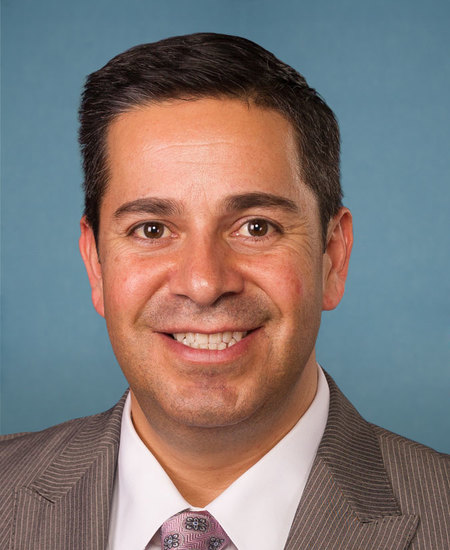
Ben Ray Luján
92% support rate
Top opponent
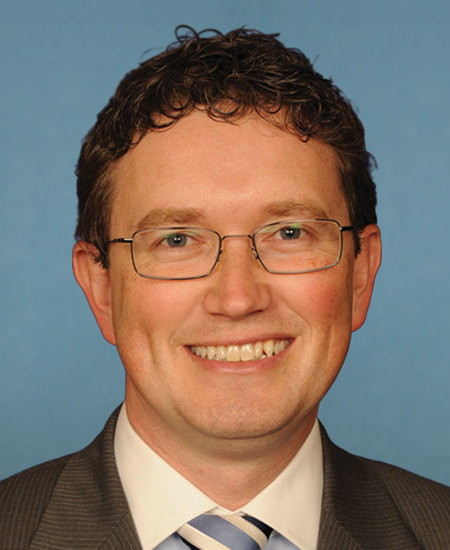
Thomas Massie
12% support rate
Ranked legislators
10
5 support · 5 oppose
Key legislators

Who's moving education in United States

Legislators moving education in United States
Legislator Party Stance Support rate Decisive votes
Ben Ray Luján
Ben Ray Luján Senate
D
Strong +
92% 12
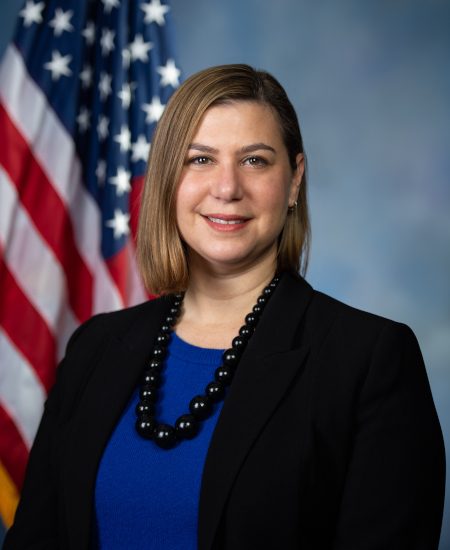
Elissa Slotkin
Elissa Slotkin Senate
D
Strong +
92% 12
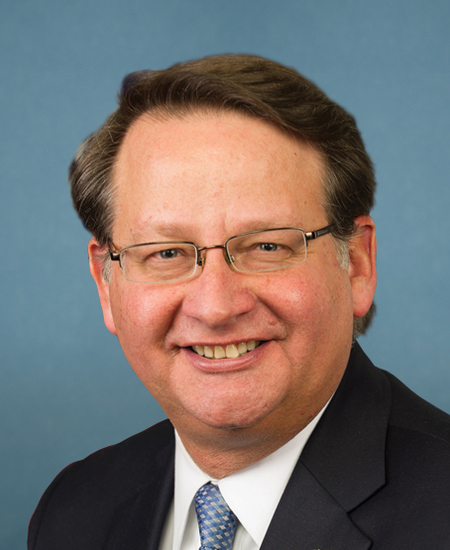
Gary C. Peters
Gary C. Peters Senate
D
Strong +
92% 12
John W. Hickenlooper
John W. Hickenlooper Senate
D
Strong +
92% 12
Maria Cantwell
Maria Cantwell Senate
D
Strong +
92% 12
Thomas Massie
Thomas Massie House · District 4
R
Strong −
12% 8
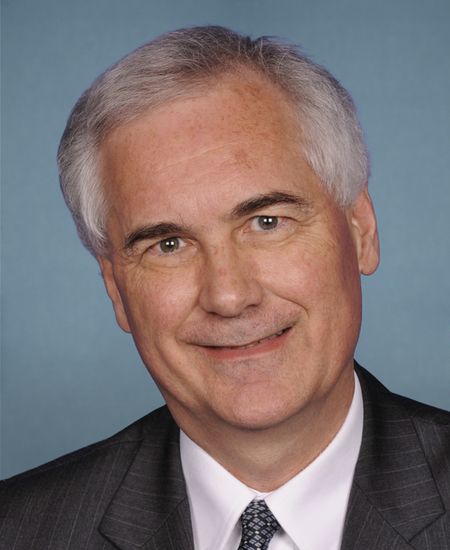
Tom McClintock
Tom McClintock House · District 5
R
Strong −
12% 8
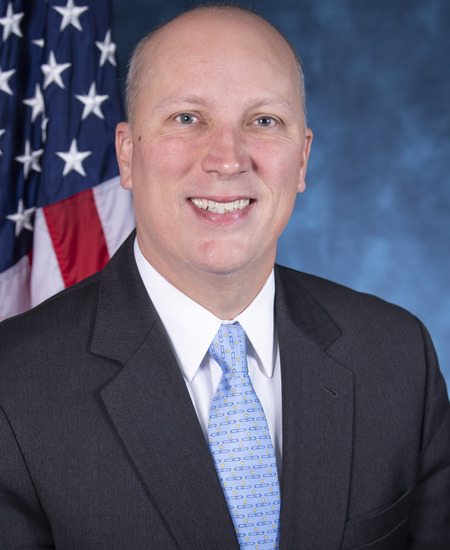
Chip Roy
Chip Roy House · District 21
R
Strong −
14% 7
Rand Paul
Rand Paul Senate
R
Strong −
17% 12
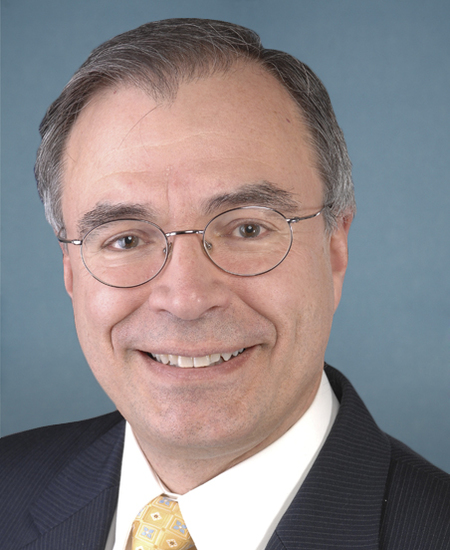
Andy Harris
Andy Harris House · District 1
R
Strong −
20% 10
Showing 551–560 of 1,237 bills

All education bills

in committee · United States · House Jun 12, 2025

HR 3939: RISE Act

The RISE Act (HR 3939) streamlines documentation for college students with disabilities by requiring institutions to accept multiple forms of proof, including past Individualized Education Programs (IEPs), Section 504 plans, or licensed professional evaluations, instead of demanding current documentation. It mandates that colleges establish transparent, accessible processes for determining accommodation eligibility and share these policies with students, parents, and faculty. The bill also requires institutions to report specific data on students with disabilities (like enrollment numbers and accommodations used) to federal databases, while authorizing $10 million for a national support center. These changes directly affect colleges receiving federal aid and students seeking disability accommodations in higher education.
Sub-Topics Higher Education Special Education Tags People with Disabilities
in committee · United States · Senate Mar 12, 2025

S 978: HELPER Act of 2025

The HELPER Act of 2025 creates a new FHA mortgage insurance program specifically for first responders and teachers, allowing them to purchase homes with no down payment. It defines "first responders" as full-time law enforcement officers, firefighters, paramedics, EMTs, and K-12 teachers employed by government or accredited schools. The program requires applicants to be first-time homebuyers with 4 years of recent employment in their field, complete housing counseling, and intend to remain in their role for at least one year after closing. Mortgages under this program must be used for a primary residence, cover 100% of the home's appraised value, and exclude monthly insurance premiums.
in committee · United States · House Oct 3, 2025

HRES 787: Expressing support for the designation of September 2025 as "Hawaiian History Month" to recognize the history, culture and contributions of Native Hawaiians and reaffirm the United States Federal trust responsibility to the Native Hawaiian community to support their well-being.

This resolution expresses congressional support for designating September 2025 as "Hawaiian History Month." It recognizes the history, culture, and contributions of Native Hawaiians to Hawaii, the U.S., and globally, while reaffirming the U.S. Federal trust relationship with Native Hawaiians. The bill does not create new laws or funding but encourages federal agencies, schools, and communities to observe the month through educational programs. It specifically references historical milestones like Public Law 103-150 (1993) acknowledging the 1893 overthrow of the Kingdom of Hawai'i. As a symbolic resolution, it has no legal force but aims to promote awareness of Native Hawaiian heritage.
in committee · United States · House Jan 13, 2026

HR 7025: Evidence-Based Grantmaking Act

HR 7025, the Evidence-Based Grantmaking Act, requires 15 federal agencies (including Education, Health and Human Services, and Housing and Urban Development) to use proven methods in awarding grants. It mandates that agencies clearly define grant goals in funding notices, prioritize applicants using evidence-based practices, and require grant recipients to implement such practices when delivering services. Agencies must also conduct regular evaluations of grant effectiveness, publicly share results, and use findings to improve future funding decisions. This law directly affects federal grant recipients and aims to ensure taxpayer funds achieve measurable outcomes through data-driven approaches.
in committee · United States · Senate Nov 19, 2025

S 3206: Transgender Health Care Access Act

S 3206, the Transgender Health Care Access Act, authorizes $10 million annually for medical education grants to improve training on gender-affirming care in health professions schools and residency programs. It allocates $15 million yearly to expand transgender care capacity at community health centers and $5 million to support rural providers through collaborative training networks. The bill directly affects transgender patients by increasing access to specialized care and healthcare providers through new training requirements. It focuses on funding education and infrastructure improvements, with specific provisions for curricula development, provider training, and community health center capacity building.
Sub-Topics Primary Care
in committee · United States · House Dec 11, 2025

HR 6677: Professional Degree Access Restoration Act

This bill amends the Higher Education Act to extend the loan limits for graduate and professional students indefinitely. It removes the previous expiration date (June 30, 2026) for these limits, meaning graduate and professional students will continue to have access to the same federal loan amounts without a set end date. The key change modifies Section 455(a) by eliminating the sunset provision and updating the effective date language in the law. This directly affects students pursuing advanced degrees who rely on federal loans for tuition and living expenses. The bill makes a technical adjustment to existing student loan policy without creating new benefits or altering eligibility criteria.
in committee · United States · House May 8, 2025

HR 3281: To prohibit the reduction, elimination, or suspension of funding for land-grant colleges and universities.

This bill prohibits federal officials from reducing, eliminating, or suspending funding for land-grant colleges and universities without specific authorization from Congress. It directly affects public institutions designated as land-grant colleges under the 1977 National Agricultural Research, Extension, and Teaching Policy Act. The key provision requires that any change to their funding must be explicitly approved by an Act of Congress, preventing unilateral federal action. This creates a clear legal barrier against unexpected funding cuts to these institutions. The bill focuses on preserving existing funding streams rather than creating new programs.
Tags Agriculture
in committee · United States · House Apr 9, 2025

HR 1527: Reforming Education for Veterans Act

This bill, HR 1527 (Reforming Education for Veterans Act), directly affects veterans enrolled in education programs funded by the VA. It amends existing law to give veterans more flexibility when military service interrupts their education: they can now withdraw, take a leave of absence, or enter a completion agreement with their school (requiring they've already completed at least half their course). The bill also updates VA compliance surveys to reduce duplicate reporting for multi-campus schools and requires the VA to notify school officials of handbook updates within 14 business days. These changes aim to streamline administrative processes for veterans and educational institutions.
in committee · United States · House Jan 28, 2025

HR 746: America First Act

The America First Act (HR 746) would restrict access to numerous federal benefits and programs for certain non-citizens by requiring citizenship verification and denying eligibility to individuals with specific immigration statuses. It affects programs including Medicaid, Medicare, Head Start, WIC, school meals, housing assistance, tax credits, and community development funds by denying benefits to people granted parole, temporary protected status (TPS), deferred action (including DACA), asylum, or who are unlawfully present. The bill also reduces funding for schools in "sanctuary jurisdictions" and limits refugee resettlement for certain Haitian immigrants. It mandates that federal agencies verify immigration status before providing benefits and prohibits use of federal funds for services to certain non-citizens.
in committee · United States · House Jul 29, 2025

HR 4797: EATS Act of 2025

This bill removes a barrier preventing most low-income students from accessing SNAP benefits. It amends the Food and Nutrition Act to explicitly allow students enrolled at least half-time in recognized higher education programs to qualify for SNAP, reversing a prior exclusion. The key change eliminates the previous requirement that students meet specific exceptions (now deleted) and adds a new eligibility category under Section 3(m)(5). This directly affects low-income undergraduate and graduate students at colleges and training programs who were previously ineligible. The changes take effect January 2, 2026.
Showing 551 to 560 of 1,237 bills
Previous 1 … 55 56 57 … 124 Next