Issue · Education

Education

Every education bill, vote, and legislator stance in United States, automatically classified by Maddy, our AI policy reader.

Total bills
1,237
119th Congress
Top supporter
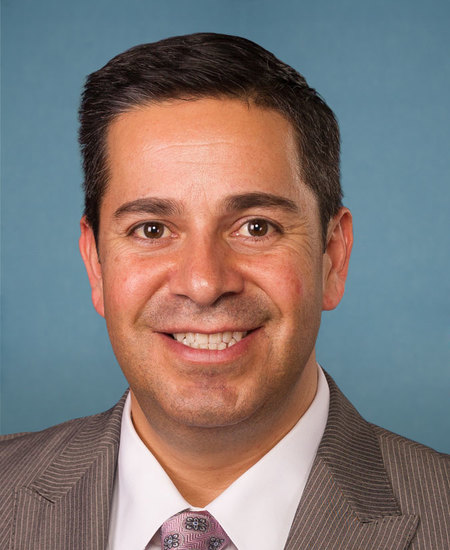
Ben Ray Luján
92% support rate
Top opponent
Thomas Massie
12% support rate
Ranked legislators
10
5 support · 5 oppose
Key legislators

Who's moving education in United States

Legislators moving education in United States
Legislator Party Stance Support rate Decisive votes
Ben Ray Luján
Ben Ray Luján Senate
D
Strong +
92% 12
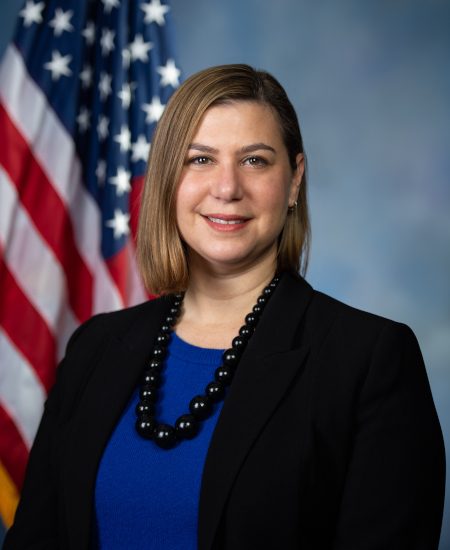
Elissa Slotkin
Elissa Slotkin Senate
D
Strong +
92% 12
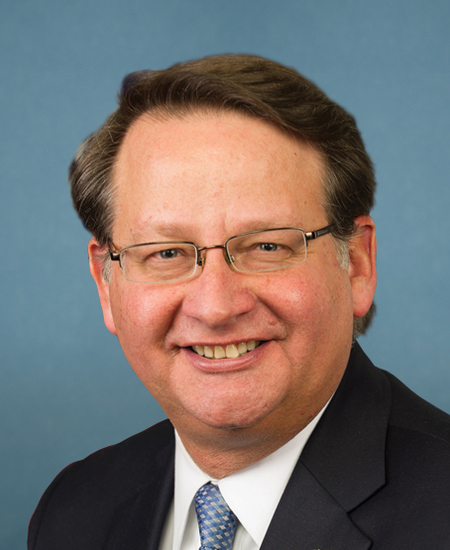
Gary C. Peters
Gary C. Peters Senate
D
Strong +
92% 12
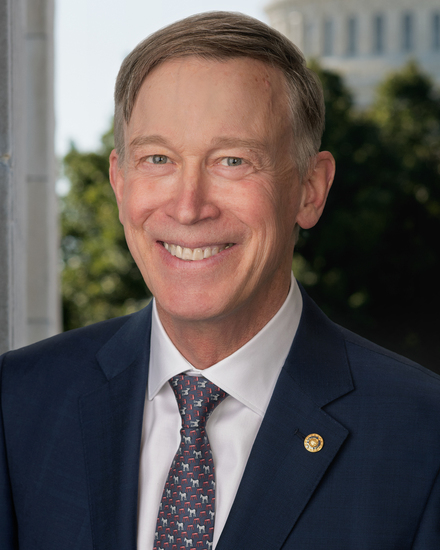
John W. Hickenlooper
John W. Hickenlooper Senate
D
Strong +
92% 12
Maria Cantwell
Maria Cantwell Senate
D
Strong +
92% 12
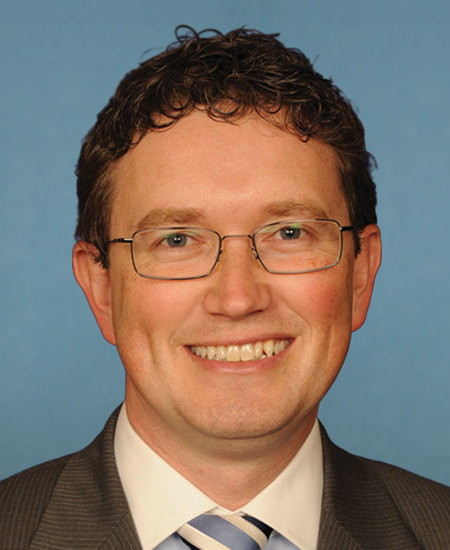
Thomas Massie
Thomas Massie House · District 4
R
Strong −
12% 8
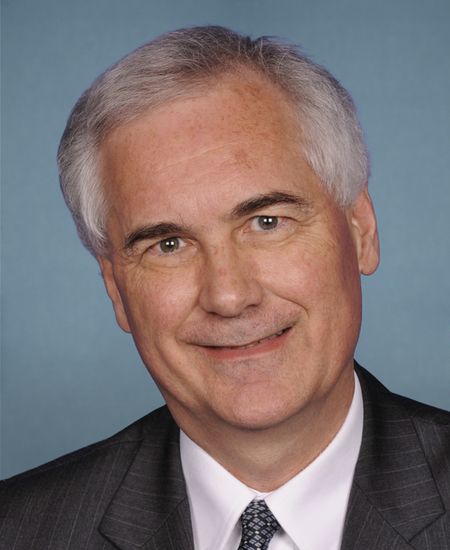
Tom McClintock
Tom McClintock House · District 5
R
Strong −
12% 8
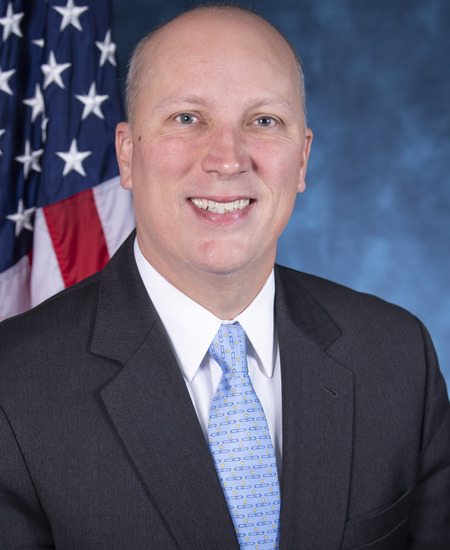
Chip Roy
Chip Roy House · District 21
R
Strong −
14% 7
Rand Paul
Rand Paul Senate
R
Strong −
17% 12
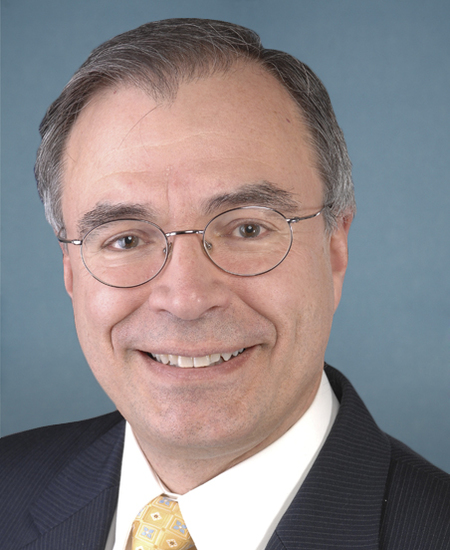
Andy Harris
Andy Harris House · District 1
R
Strong −
20% 10
Showing 521–530 of 1,237 bills

All education bills

in committee · United States · House Apr 3, 2025

HR 2649: STOP Violence Act of 2025

HR 2649, the STOP Violence Act of 2025, allocates $20 million in federal grants to help public venues prepare for mass violence. The funds will go to states, local governments, and nonprofits serving crime victims to provide training and safety improvements at places like schools, malls, and event centers. The bill specifically defines "mass violence" to include active shooter incidents and targeted attacks where an assailant identifies specific people or locations beforehand. This funding aims to strengthen safety measures at facilities where large groups gather, without changing existing laws or creating new mandates.
Sub-Topics School Safety
in committee · United States · House Jul 23, 2025

HR 4743: CAP Act of 2025

HR 4743, the CAP Act of 2025, repeals a specific rule in immigration law that imposed numerical limits on foreign national employees working at colleges and universities. This change directly affects institutions of higher education by removing a restriction on hiring international staff for certain positions. The bill does not create new programs or alter broader immigration policy - it solely eliminates this existing limitation on employee numbers. As a procedural repeal, it focuses on updating outdated administrative rules rather than introducing new benefits or requirements.
in committee · United States · House May 7, 2025

HR 3260: Mental Health Improvement Act

HR 3260 extends the funding period for mental health education grants under Section 756(f) of the Public Health Service Act from fiscal years 2023-2027 to 2026-2030. This procedural change directly affects existing grant recipients and administrators of federal mental health education programs. The bill modifies the grant authorization timeline but does not alter the program's scope or eligibility. It focuses solely on extending the current grant funding period without adding new requirements or benefits.
in committee · United States · House May 29, 2025

HR 3644: Menstrual Equity For All Act of 2025

The Menstrual Equity For All Act of 2025 requires schools, colleges, correctional facilities, and federal buildings to provide free menstrual products to those who need them. It makes menstrual products covered by Medicaid, prohibits states from taxing these products, and creates grant programs to support low-income individuals. Key provisions include mandating free products in educational settings, requiring employers with 100+ employees to provide them, and expanding Medicaid coverage for these items. The bill directly affects students, incarcerated individuals, homeless people, Medicaid beneficiaries, and low-income families by addressing period poverty through concrete access requirements.
in committee · United States · House Feb 24, 2026

HR 982: Warriors to Workforce Act

The Warriors to Workforce Act increases VA educational assistance payments for veterans in their first year of full-time apprenticeships or on-the-job training from 80% to 90% of the full rate. It directly affects veterans using Chapter 33 (Post-9/11 GI Bill) benefits for these programs. The key provision amends 38 U.S.C. §3313(g)(3)(B) to adjust the payment percentage. This policy change provides higher financial support during the initial training year.
in committee · United States · House Feb 26, 2025

HR 1638: CROWN Act of 2025

HR 1638, the CROWN Act of 2025, prohibits discrimination based on hair texture or hairstyle that is commonly associated with race or national origin, particularly affecting Black individuals who wear natural or protective styles like braids, locs, cornrows, twists, or Afros. The bill explicitly expands protections under existing federal civil rights laws (including the Civil Rights Act of 1964 and the Fair Housing Act) to cover hair-based discrimination in federally funded programs, housing, public accommodations, employment, and equal rights. It requires schools, employers, and other entities receiving federal funds to eliminate grooming policies that disproportionately target these hairstyles. The law clarifies that such discrimination violates federal law and provides enforcement through existing civil rights mechanisms.
in committee · United States · House Jan 23, 2025

HR 646: Build Housing with Care Act of 2025

HR 646, the Build Housing with Care Act of 2025, establishes a HUD grant program to fund the co-location of affordable housing developments with child care facilities. It directly affects housing developers, child care providers, and residents of affordable housing by requiring grants to support projects in "child care deserts" (areas with severe child care shortages), prioritizing low-income, rural, or Head Start-serving providers. Key provisions mandate that projects must not evict residents, include resident engagement plans, and ensure child care providers serve low-income families or dual-language learners. The bill authorizes $100 million annually (2025-2030) and requires annual reports tracking child care slots created, resident usage, and demographic data.
in committee · United States · House Jan 21, 2026

HR 7168: Seton Hall Fire Victims Remembrance Act of 2026

HR 7168, the Seton Hall Fire Victims Remembrance Act of 2026, requires the U.S. Department of Education to establish mandatory fire suppression standards for dormitories and residential facilities at colleges and universities receiving federal education funds. Covered institutions must conduct annual compliance assessments verified by fire safety experts and submit them to the Department, which will publicly rate campuses as "Federally Recognized Fire-Safe Campus" or "Not Federally Recognized Fire-Safe Campus" based on adherence to the standards. The law updates the Higher Education Act to include a compliance requirement and mandates the Department to provide technical assistance and submit compliance recommendations to Congress within three years. It applies broadly to all institutions receiving federal education funding, not just those associated with a specific fire incident.
Sub-Topics Higher Education
in committee · United States · House Nov 20, 2025

HR 6034: VET Extension Act of 2025

This bill extends educational benefits under the Post-9/11 GI Bill for two specific groups. First, it adds up to 15 months (or the exact time needed) of additional benefits for veterans who exhaust their standard entitlement while taking remedial or deficiency courses required to complete their degree. Second, it allows veterans without dependents during service to reserve transfer rights for future dependents, enabling them to designate beneficiaries later when they have qualifying children. These changes directly affect veterans using VA education benefits who face extended coursework or delayed family circumstances. The policy modifies existing rules in Title 38, U.S. Code, without altering total benefit limits.
in committee · United States · House May 21, 2025

HR 3552: Second Chance Reauthorization Act of 2025

This bill extends existing federal reentry programs under the Second Chance Act through 2030, continuing funding for services supporting people returning to communities after incarceration. It specifically maintains grants for state/local reentry projects (including substance use treatment, housing, and peer recovery services), family-based substance abuse treatment, prison/jail educational programs, career training, and community mentoring by nonprofits. The bill updates program timelines from their previous 2019-2023 authorization period to 2026-2030 without altering the core services provided. It directly affects state/local agencies, prisons, and nonprofit organizations administering these reentry programs. The legislation focuses solely on extending current funding mechanisms, not changing program requirements or creating new initiatives.
Showing 521 to 530 of 1,237 bills
Previous 1 … 52 53 54 … 124 Next