

Issue · Labor & Employment
Labor & Employment
Every labor & employment bill, vote, and legislator stance in Pennsylvania, automatically classified by Maddy, our AI policy reader.
Total bills
355
2025-2026 Regular Session
Top supporter
Frank Farry
93% support rate
Top opponent
Dawn Keefer
15% support rate
Ranked legislators
10
5 support · 5 oppose
Key legislators
Who's moving labor & employment in Pennsylvania
| Legislator | Party | Stance | Support rate | Votes |
|---|---|---|---|---|
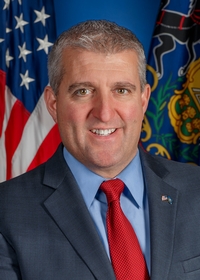
Frank Farry
Senate · District 6
|
R |
Strong +
|
93% | 45 |
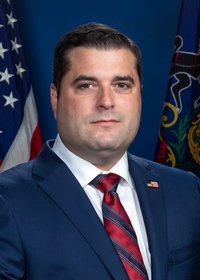
Devlin Robinson
Senate · District 37
|
R |
Strong +
|
90% | 52 |
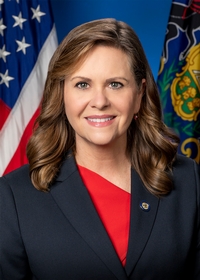
Camera Bartolotta
Senate · District 46
|
R |
Strong +
|
89% | 51 |
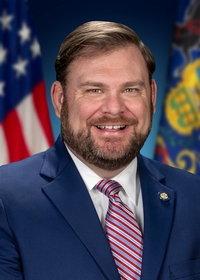
Joe Pittman
Senate · District 41
|
R |
Strong +
|
89% | 55 |
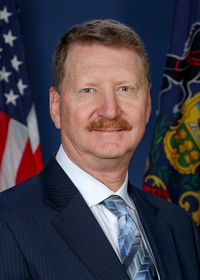
Elder Vogel
Senate · District 47
|
R |
Strong +
|
88% | 56 |
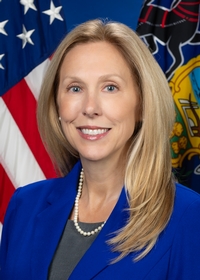
Dawn Keefer
Senate · District 31
|
R |
Strong −
|
15% | 46 |
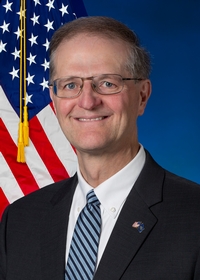
Scott Hutchinson
Senate · District 21
|
R |
Oppose
|
29% | 46 |
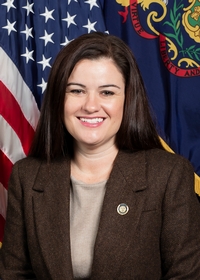
Charity Krupa
House · District 51
|
R |
Oppose
|
29% | 256 |
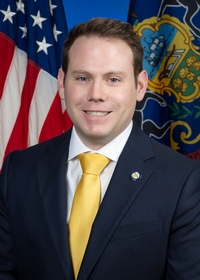
Jarrett Coleman
Senate · District 16
|
R |
Oppose
|
29% | 54 |
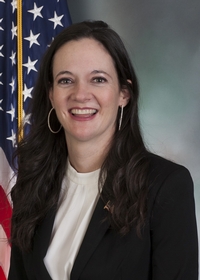
Stephanie Borowicz
House · District 76
|
R |
Oppose
|
31% | 214 |
Showing 71–80 of 355
bills
All labor & employment bills
SB 1076: An Act requiring a percentage of workers on a public works project to be hired from the local labor market; imposing duties on the Department of Labor and Industry; and imposing penalties.
Sub-Topics
Collective Bargaining
HB 2103: An Act amending the act of October 27, 1955 (P.L.744, No.222), known as the Pennsylvania Human Relations Act, further providing for the title of the act, for findings and declaration of policy, for right to freedom from discrimination in employment, housing and public accommodation, for definitions, for unlawful discriminatory practices and for prohibition of certain real estate practices; providing for protection of religious exercise; and further providing for powers and duties of the commission and for construction and exclusiveness of remedy.
Topics
✓ HousingSupports HousingPrevents housing discrimination by religious/fraternal organizations under PA Human Relations Act, aligning with tenant protection and equal access to housing.
✓ Labor & EmploymentSupports Labor & EmploymentAmends PA Human Relations Act to prohibit religious/fraternal orgs from discriminating in employment based on race/color/national origin, directly protecting workers' rights under employment standards.
HB 2105: An Act providing for employer self-audit program to foster collaboration with employers to voluntarily remedy unpaid wages owed to an affected employee or cure a negligent violation that was the result of an employer inadvertently violating a labor act.
HB 2087: An Act amending the act of June 2, 1915 (P.L.736, No.338), known as the Workers' Compensation Act, in additional coverages, further providing for definitions.
Sub-Topics
Workers' Compensation
SB 1085: An Act establishing the Direct Care Worker Wage Advisory Board and providing for its powers and duties; providing for minimum wage for direct care workers and for a direct care worker registry; and imposing penalties.
Topics
✓ HealthcareSupports HealthcareBill sets minimum wages and creates registry for direct care workers (home health aides, personal care aides), addressing workforce retention to improve quality of care delivery in healthcare settings.
✓ Labor & EmploymentSupports Labor & EmploymentSets minimum wage for direct care workers (personal care aides, home health aides) and creates advisory board to address recruitment/retention, directly advancing wage standards per bill summary.
HB 194: An Act amending the act of March 10, 1949 (P.L.30, No.14), known as the Public School Code of 1949, establishing the Mental Health Professional Student Loan Forgiveness Program; imposing powers and duties on the Pennsylvania Higher Education Assistance Agency; and making an appropriation.
Topics
✓ Budget & TaxesSupports Budget & TaxesBill makes appropriation for mental health loan forgiveness program, funding public service through state budget allocation
✓ EducationSupports EducationCreates loan forgiveness for mental health professionals serving K-12 students, enhancing school-based mental health support and educational access for youth.
✓ HealthcareSupports HealthcareHB 194 creates a loan forgiveness program for mental health professionals serving youth, directly funding and incentivizing workforce expansion in mental health services per healthcare topic description.
✓ Labor & EmploymentSupports Labor & EmploymentThe bill creates a loan forgiveness program for mental health workers (social work, counseling, psychology), providing financial support to encourage retention in high-need roles. This expands worker benefits and supports employment in critical se...
SB 860: An Act amending the act of June 13, 1967 (P.L.31, No.21), known as the Human Services Code, in public assistance, further providing for reimbursement for certain medical assistance items and services.
Topics
✓ HealthcareSupports HealthcareRequires dental benefits expansion for medical assistance recipients, maintains existing services, and mandates federal approval for implementation.
✓ Labor & EmploymentSupports Labor & EmploymentExpands dental benefits for medical assistance recipients (including low-wage workers), maintaining existing services and adding new coverages, aligning with worker benefit expansion.
SB 980: An Act amending Title 35 (Health and Safety) of the Pennsylvania Consolidated Statutes, in Commonwealth services, further providing for assistance to fire companies and EMS companies and providing for protection against PFAS chemicals and for firefighting protective equipment; in grants to fire companies and emergency medical services companies, further providing for award of grants; and imposing penalties.
Topics
✓ HealthcareSupports HealthcareBans PFAS chemicals in firefighting foam to prevent health risks (cancer, immune issues), aligning with public health protection under healthcare policies.
✓ Labor & EmploymentSupports Labor & EmploymentBans PFAS in firefighting foam/gear, directly improving firefighter workplace safety and health protections per bill's safety focus.