Issue · Criminal Justice

Criminal Justice

Every criminal justice bill, vote, and legislator stance in Oklahoma, automatically classified by Maddy, our AI policy reader.

Total bills
448
2026 Regular Session
Top supporter
Aletia Timmons
76% support rate
Top opponent
Brian Guthrie
24% support rate
Ranked legislators
10
5 support · 5 oppose
Key legislators

Who's moving criminal justice in Oklahoma

Legislators moving criminal justice in Oklahoma
Legislator Party Stance Support rate Votes
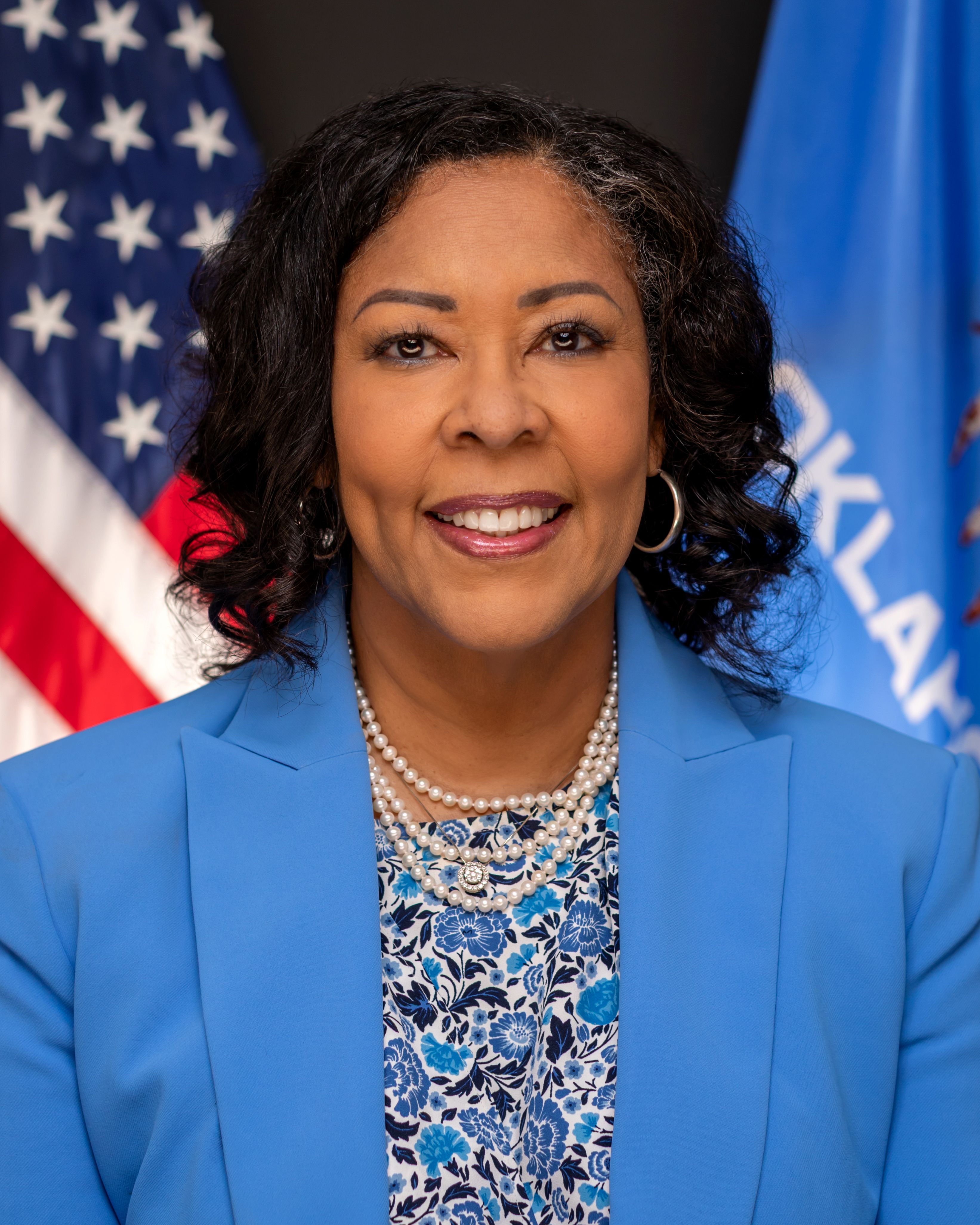
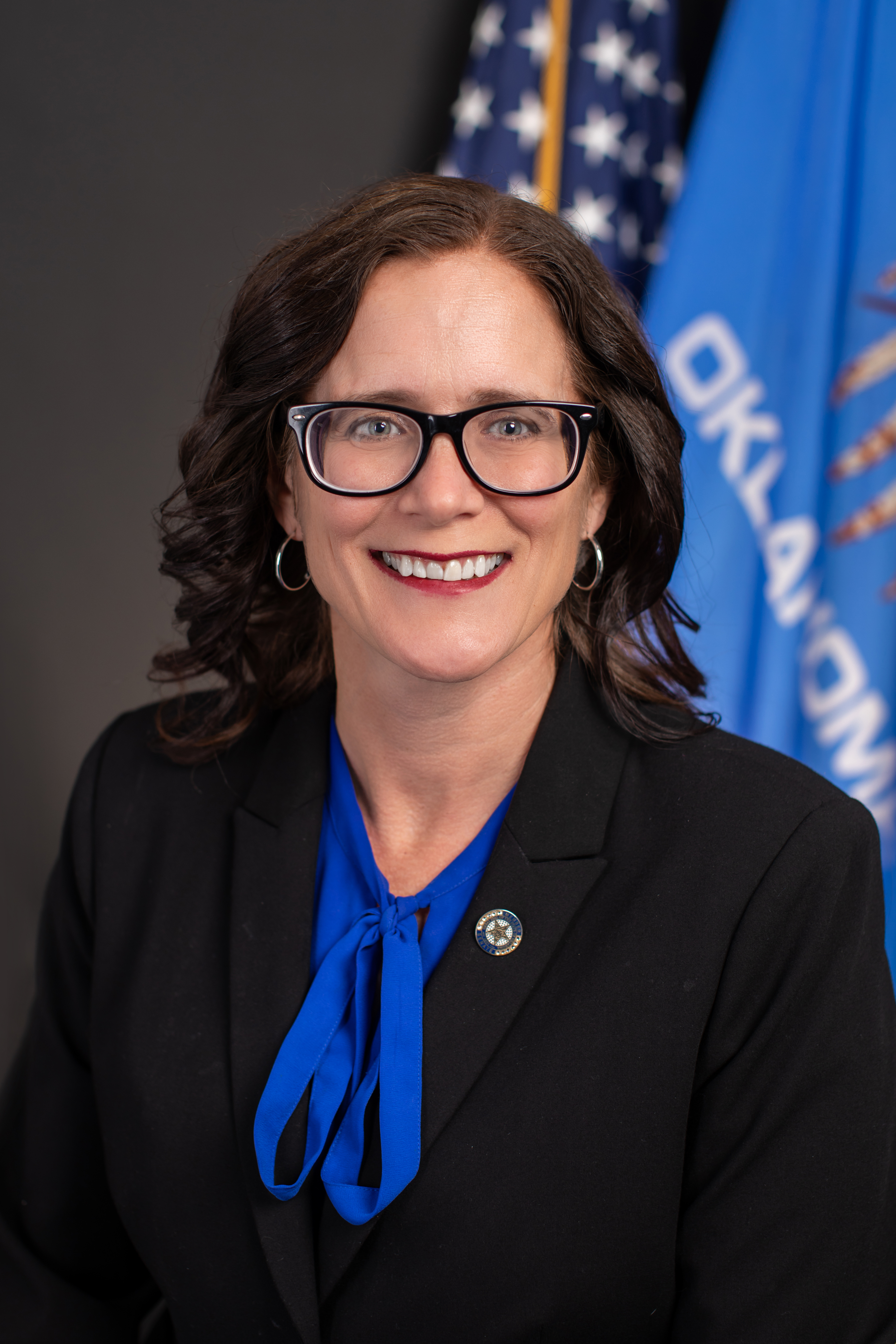
Aletia Timmons
Aletia Timmons House · District 97
D
Support
76% 91
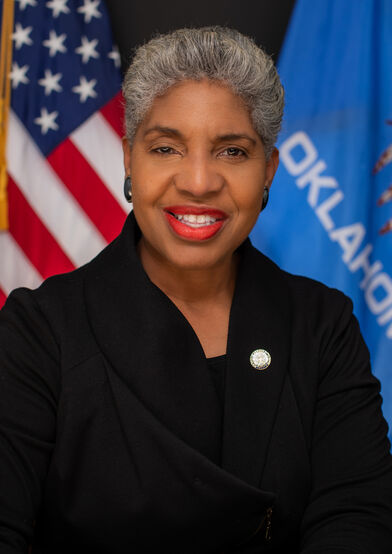
Regina Goodwin
Regina Goodwin Senate · District 11
D
Support
73% 225
Michael Brooks
Michael Brooks Senate · District 44
D
Support
72% 274
Carri Hicks
Carri Hicks Senate · District 40
D
Support
71% 184
Julia Kirt
Julia Kirt Senate · District 30
D
Support
70% 174
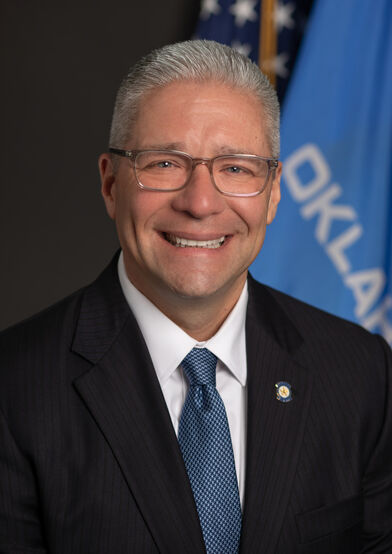
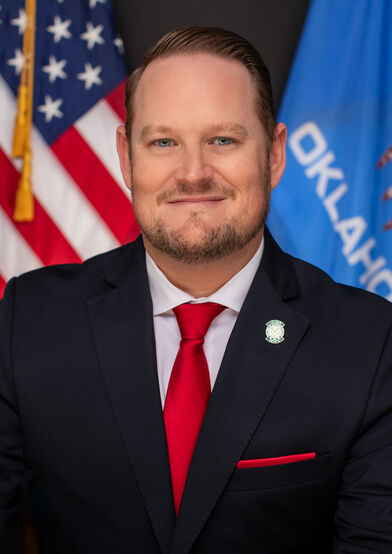
Brian Guthrie
Brian Guthrie Senate · District 25
R
Oppose
24% 158
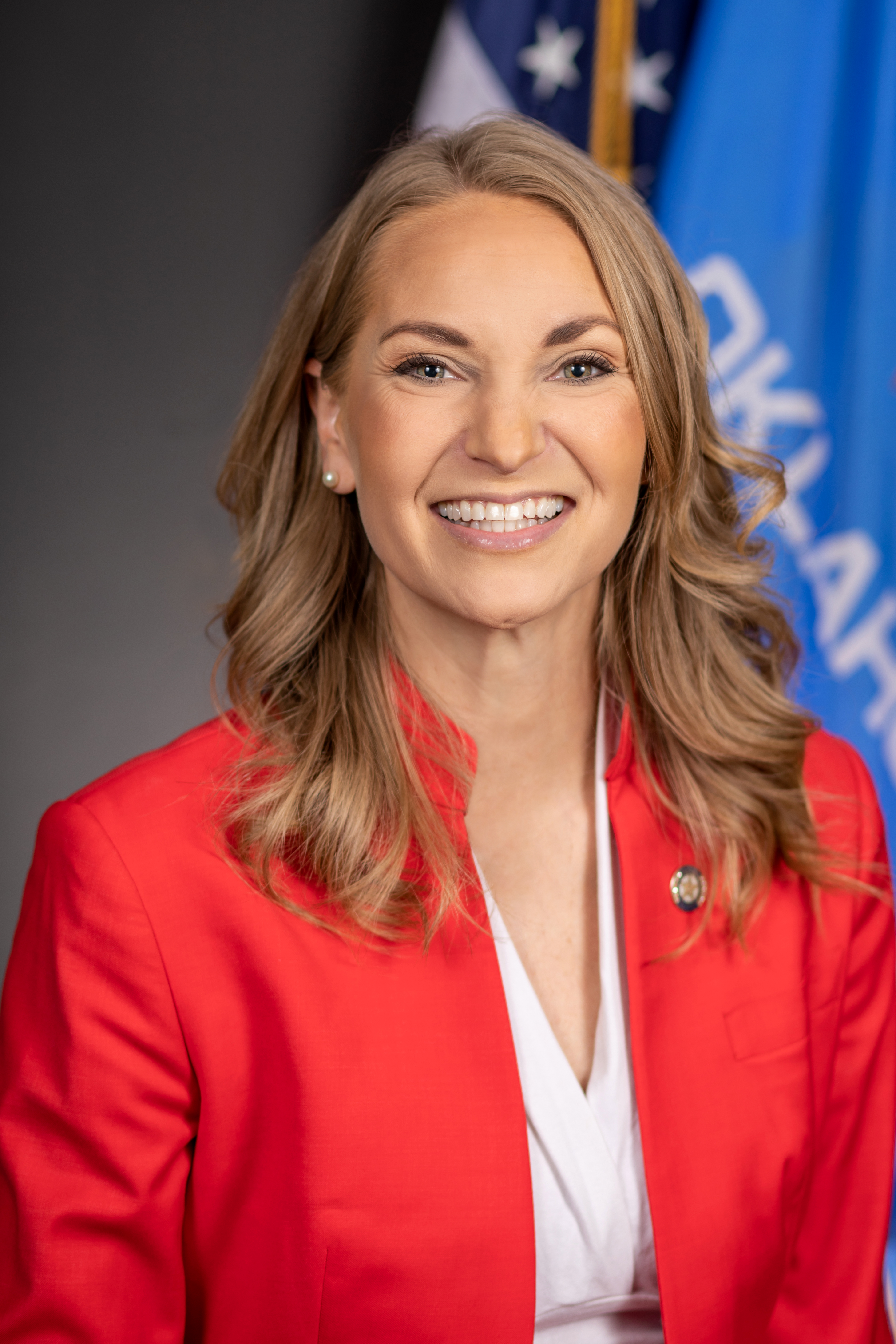
Lisa Standridge
Lisa Standridge Senate · District 15
R
Oppose
26% 220
Jay Steagall
Jay Steagall House · District 43
R
Oppose
27% 149
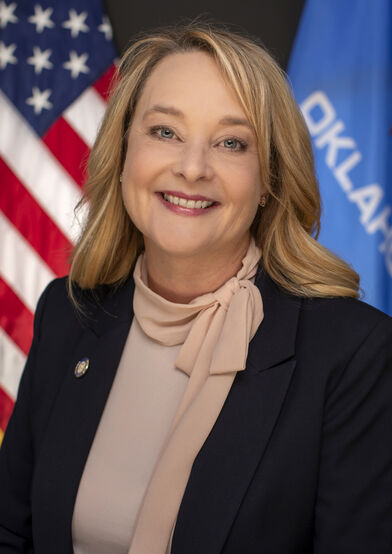
Julie McIntosh
Julie McIntosh Senate · District 3
R
Oppose
28% 164
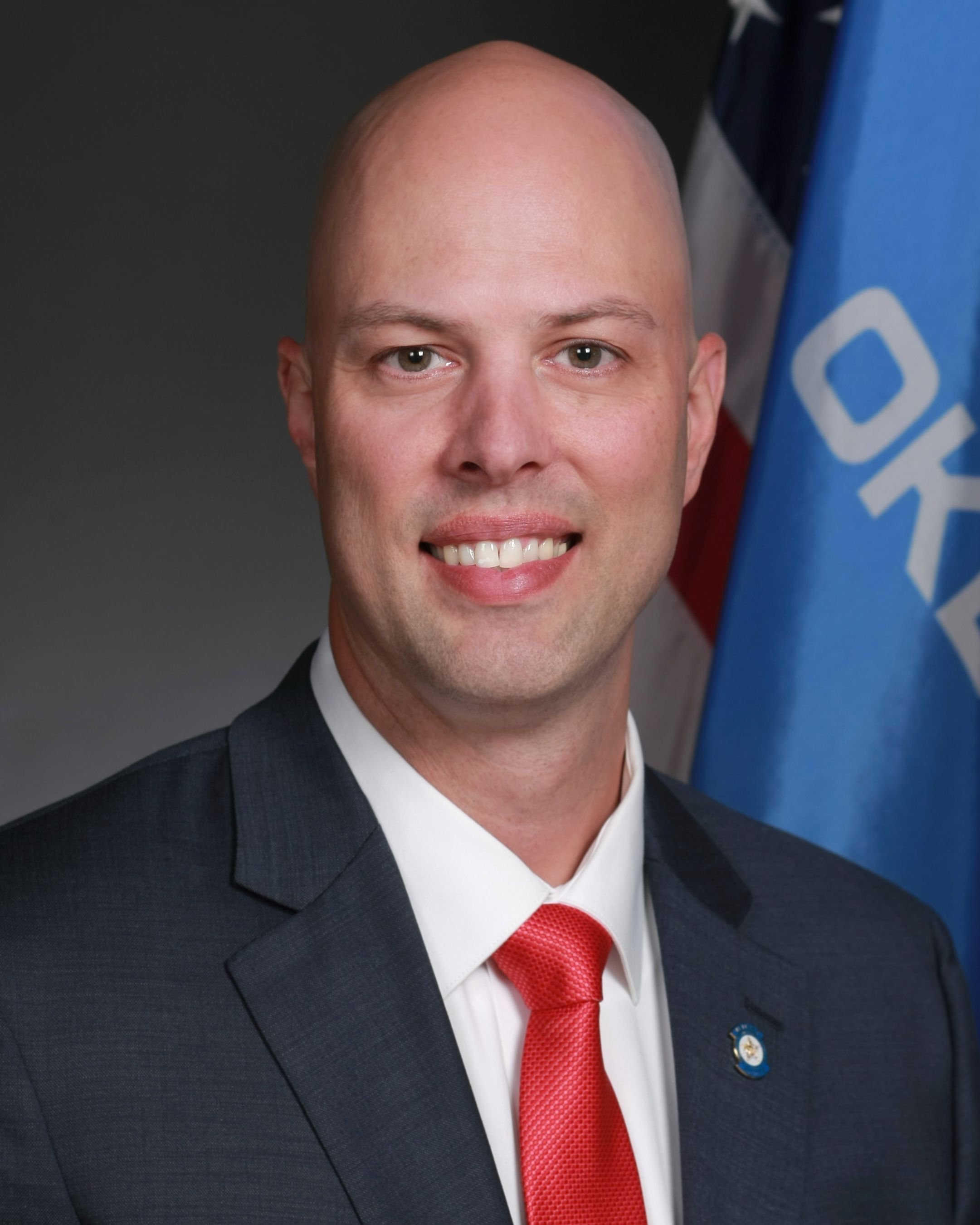
Dusty Deevers
Dusty Deevers Senate · District 32
R
Oppose
28% 156
Showing 321–330 of 448 bills

All criminal justice bills

passed · Oklahoma · House May 5, 2025

HB 1591: Crimes and punishments; adding specific crimes to list of offenses; effective date.

HB 1591 requires individuals convicted of 25 specific serious crimes in Oklahoma to serve at least 85% of their prison sentence before becoming eligible for parole. This applies to offenses like first-degree murder, child sex trafficking, domestic violence with weapons, human trafficking, and certain violent assaults. The bill prohibits earned credits or other sentence reductions that would allow offenders to serve less than 85% of their sentence. It becomes effective November 1, 2025, and directly affects those sentenced for the listed crimes under Oklahoma law.
in committee · Oklahoma · Senate Feb 25, 2025

SB 734: Fees; increasing sheriff's fee for certain service. Effective date. Emergency.

SB 734 increases court fees for defendants convicted in Oklahoma criminal cases, directly affecting individuals sentenced for offenses like traffic violations, misdemeanors, and felonies. The bill adds new mandatory fees: $3 for the Child Abuse Multidisciplinary Account, $10 for courthouse security, $15 for impaired driving cases, and additional amounts for the Law Library Fund, Court Information System, Victim Services, and other state accounts. It maintains the existing sheriff’s service fee range ($50-$150 for within-county service) but clarifies how these fees are allocated. These changes apply to all criminal cases, with fees collected at sentencing and deposited into specified state funds.
in committee · Oklahoma · Senate Feb 5, 2025

SB 977: Crimes and punishments; prohibiting lewd acts or obscene material in public place. Effective date.

SB 977 prohibits public displays of lewd acts (such as indecent exposure, sexual behavior imitating sex, or sexually touching oneself) or obscene material in places where minors could witness them, including parades, concerts, or public events. It makes intentionally displaying such material in front of a minor a felony offense and allows victims (or their guardians) to file civil lawsuits for exposure. The law applies to both individuals and political subdivisions (like cities or counties), though subdivisions acting in good faith aren’t liable for violations by others. It defines "lewd acts" broadly but references existing legal definitions for "obscene material" under Oklahoma law. The bill takes effect November 1, 2025.
in committee · Oklahoma · Senate Feb 4, 2025

SB 385: Conveyances; increasing maximum fine and term of imprisonment for certain offense. Effective date.

SB 385 increases penalties for filing fraudulent real estate documents in Oklahoma. It raises the maximum fine for this offense from $100 to $500 and increases the maximum jail term from 30 to 90 days. The bill directly affects individuals, businesses, or agents who file deeds or property instruments claiming ownership they do not legally hold (without "color of title"). The key change updates existing law to allow combined fines and imprisonment for this specific violation, effective November 1, 2025.
Sub-Topics Corrections
in committee · Oklahoma · Senate Feb 4, 2025

SB 217: Council on Law Enforcement Education and Training; establishing the Mental Health Response Pilot Program and Revolving Fund. Effective date.

SB 217 establishes a five-year pilot program through Oklahoma's Council on Law Enforcement Education and Training (CLEET) to certify mental health professionals to assist law enforcement during mental health crises. It requires CLEET to add certified professionals to specific law enforcement agencies based on population size: 15 to two agencies serving over 300,000 people, 6 to two agencies serving 25,000-300,000 people, and 1 to two county sheriff's offices without existing staff. The bill creates a revolving fund in the state treasury to cover certification costs, funded by state appropriations, grants, or donations. The program aims to integrate mental health expertise into crisis responses, with implementation starting November 1, 2025.
in committee · Oklahoma · Senate Feb 27, 2025

SB 381: Firearms; modifying provisions related to carry of firearms by convicted felons. Effective date.

SB 381 modifies Oklahoma law to restore firearm rights for certain nonviolent convicted felons who have completed their sentences and maintained a 5-year clean record (no new misdemeanor or felony charges). It specifically allows these individuals to possess non-semi-automatic firearms and apply for handgun carry permits under the Oklahoma Self-Defense Act. However, rights are denied for those convicted of offenses like domestic abuse, sexual assault, child endangerment, or stalking. The bill maintains existing prohibitions for felons under supervision, delinquents, and undocumented immigrants possessing firearms.
in committee · Oklahoma · House Feb 4, 2025

HB 1987: Protective orders; creating the Oklahoma Extreme Risk Protective Order Act; providing procedures for filing petition for firearms restraining order; repealers; codification; effective date.

HB 1987 creates Oklahoma's "Extreme Risk Protective Order Act," establishing a legal process for courts to issue orders restricting firearm access. It allows family members, intimate partners, or law enforcement to file petitions alleging an immediate danger of harm from a respondent possessing firearms, including emergency orders without prior notice to the respondent. The bill requires no filing fees for petitions or court services, mandates specific notice procedures for domestic violence cases, and outlines procedures for firearm seizure, return, and record-keeping. This directly affects individuals ordered to surrender firearms (respondents) and those filing petitions (family members, intimate partners, or law enforcement).
signed · Oklahoma · House May 7, 2025

HB 1995: Crimes and punishments; definitions of sex crimes; designating school resource officers as employees of a school system; emergency.

HB 1995 expands Oklahoma's definition of rape to include sexual acts between students aged 16-19 (while under school custody) and school employees (including resource officers) who are 18 or older. It explicitly designates school resource officers as school employees for these provisions and adds similar protections for foster children under 19 and secondary school students concurrently enrolled in higher education with staff. The law specifies that such acts are rape under Section 1111, with penalties including minimum 3-year prison terms (25 years for victims under 12). It also updates related provisions in Section 1123 regarding lewd acts with children under 16.
died · Oklahoma · House Feb 24, 2025

HB 2057: Trauma Care Assistance Revolving Fund; medical marijuana taxation; apportionment; assess; collect; apportionments; funds; effective date; emergency.

HB 2057 establishes a 7% tax on retail medical marijuana sales in Oklahoma, collected at the point of sale. Tax revenue is allocated annually starting July 2026: $65 million is divided between the State Public Common School Building Fund (59.23%), the Oklahoma Medical Marijuana Authority (34.62%), drug and alcohol rehabilitation programs (5%), and the Trauma Care Assistance Revolving Fund (1.15%). Any surplus tax collections go to the General Revenue Fund. The bill also requires medical marijuana businesses to pay taxes or face permanent license revocation.
Sub-Topics Revenue Drug Policy
in committee · Oklahoma · House Feb 13, 2025

HB 2067: Crimes and punishments; creating the Oklahoma Crimes and Punishments Act of 2025; effective date.

HB 2067 creates a process for people convicted of crimes in Oklahoma to seek relief based on new or undermining forensic scientific evidence. It allows convicted individuals (including those incarcerated, on parole, or who completed sentences) to file petitions if they now have evidence unavailable at trial or that contradicts evidence used at trial. Courts must determine if the evidence would likely change the trial outcome, and if so, may grant relief like a new trial, dismissal of charges, or release. The bill defines "forensic scientific evidence" broadly to include scientific methods, expert opinions, and reports, while protecting experts from liability for revised opinions based on new science.
Sub-Topics Probation & Parole
Showing 321 to 330 of 448 bills
Previous 1 32 33 34 45 Next