Issue · Criminal Justice

Criminal Justice (Drug Policy)

Every criminal justice bill, vote, and legislator stance in Oklahoma, automatically classified by Maddy, our AI policy reader.

Total bills
20
2026 Regular Session
Top supporter
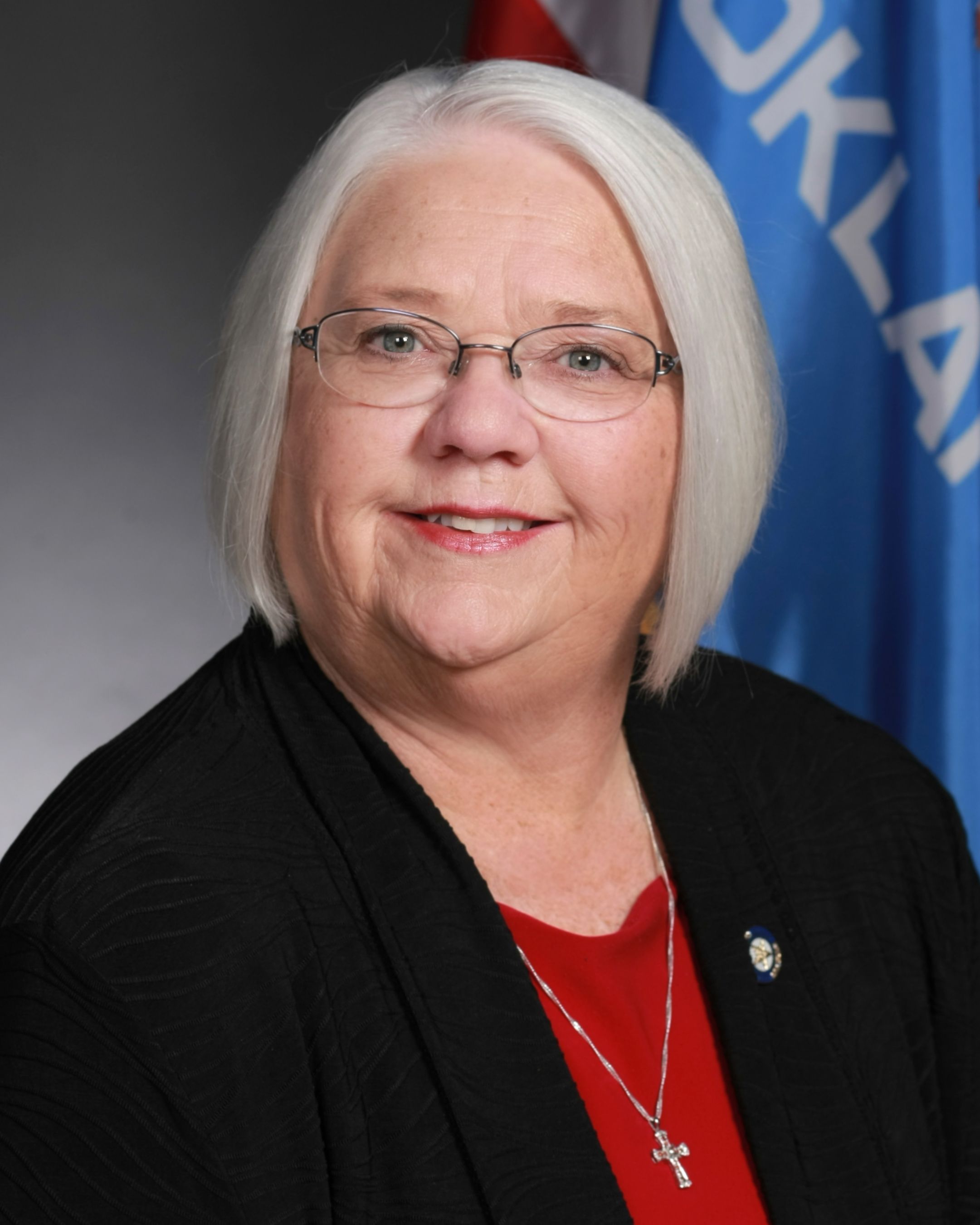
Marilyn Stark
100% support rate
Top opponent
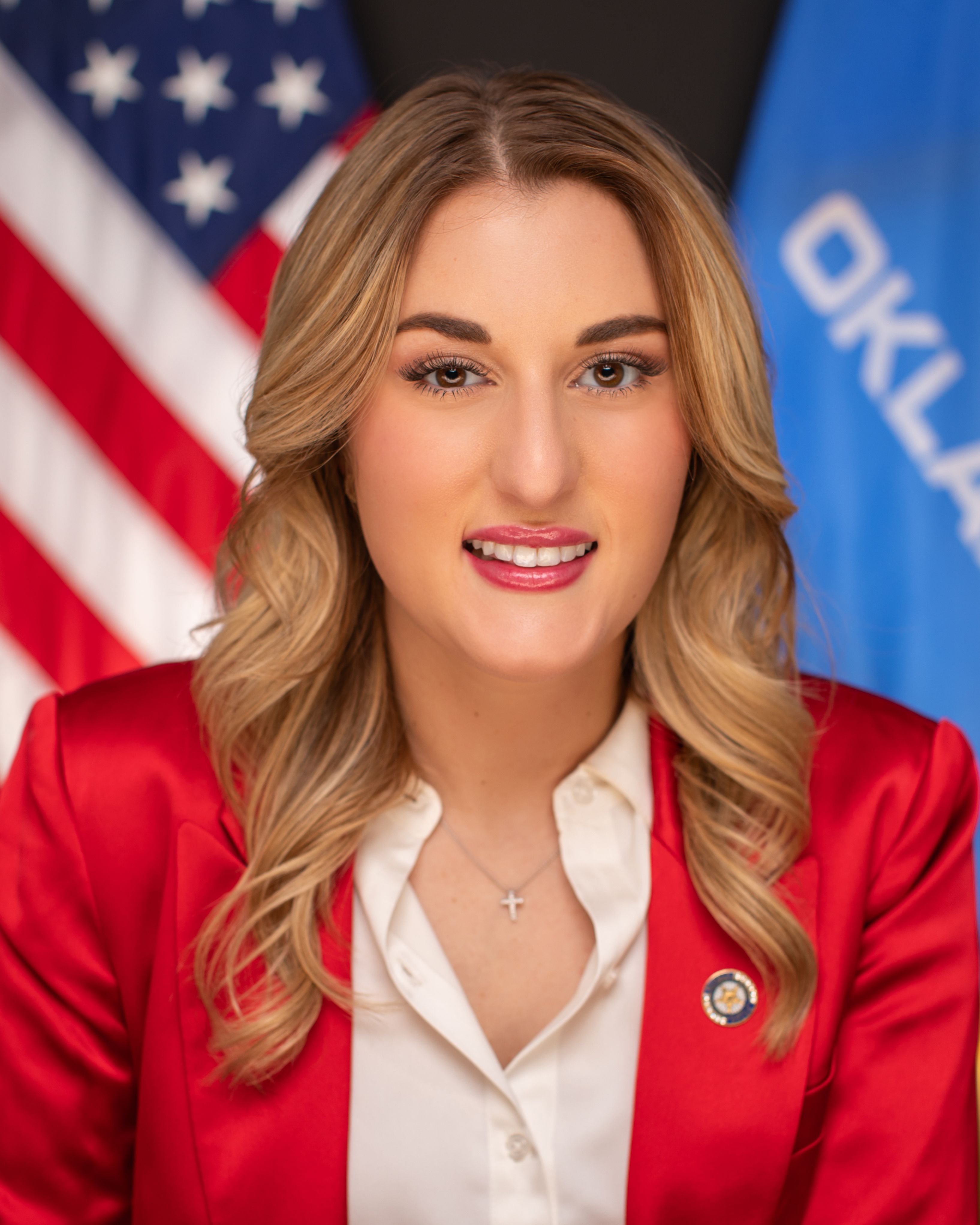
Amanda Clinton
0% support rate
Ranked legislators
10
5 support · 5 oppose
Key legislators

Who's moving drug policy in Oklahoma

Legislators moving drug policy in Oklahoma
Legislator Party Stance Support rate Votes
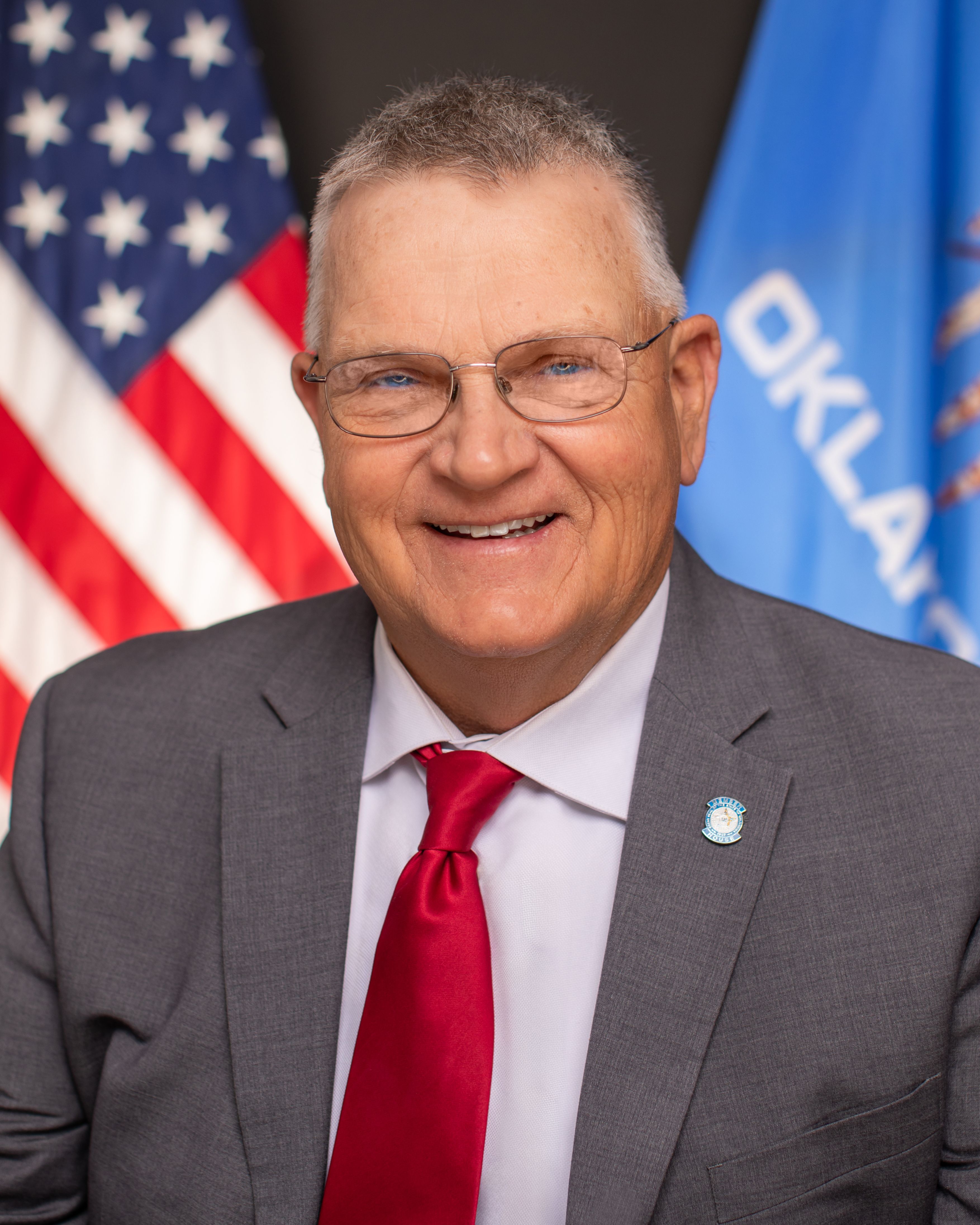
Marilyn Stark
Marilyn Stark House · District 100
R
Strong +
100% 5
DT
Dillon Travis House · District 35
R
Strong +
100% 3
Emily Gise
Emily Gise House · District 90
R
Strong +
86% 7
Mark Chapman
Mark Chapman House · District 12
R
Strong +
86% 7
Mark Tedford
Mark Tedford House · District 69
R
Strong +
86% 7
Amanda Clinton
Amanda Clinton House · District 71
D
Strong −
0% 3
Ronny Johns
Ronny Johns House · District 25
R
Strong −
20% 5
Warren Hamilton
Warren Hamilton Senate · District 7
R
Oppose
23% 13
Andy Fugate
Andy Fugate House · District 94
D
Oppose
25% 4
Jim Grego
Jim Grego House · District 17
R
Oppose
25% 4
Showing 1–10 of 20 bills

All criminal justice bills

passed · Oklahoma · Senate Apr 1, 2025

SB 39: Oklahoma Self-Defense Act; modifying elements of eligibility for medical marijuana license holders. Effective date.

SB 39 modifies Oklahoma's handgun licensing rules under the Self-Defense Act to prevent denial of licenses solely due to holding a valid medical marijuana patient license. It amends Section 1290.10 of state law to explicitly state that "an applicant shall not be considered ineligible solely on the basis of being a lawful holder of a medical marijuana patient license." The bill removes a previous barrier for medical marijuana patients seeking handgun licenses while maintaining other eligibility requirements. This change specifically affects individuals with valid Oklahoma medical marijuana licenses who apply for concealed carry permits. The bill does not alter medical marijuana laws or address drug use in relation to firearm possession beyond this licensing provision.
Sub-Topics Drug Policy Firearms
signed · Oklahoma · House Apr 20, 2026

HB 3127: Medical marijuana; policy for applicants and employees; exceptions; effective date.

HB 3127 protects Oklahoma medical marijuana patients and caregivers from discrimination in employment, public assistance, and firearm ownership. It prohibits employers from refusing to hire, firing, or penalizing individuals solely for being a licensed medical marijuana user, and bars denial of Medicaid, SNAP, or firearm rights based on that status. However, the bill mandates a "zero-tolerance" policy for safety-sensitive jobs (like operating vehicles, handling hazardous materials, or direct patient care), allowing employers to enforce drug testing and discipline for marijuana use at work. Employers may still maintain written drug testing policies under state standards, but cannot deny employment based solely on medical marijuana license status or a positive test if the user is licensed and not impaired at work.
passed · Oklahoma · House May 11, 2026

HB 1163: Medical marijuana; decreasing weight amount of marijuana for aggravated trafficking offense; effective date.

HB 1163 lowers the weight threshold for "aggravated trafficking" of marijuana in Oklahoma from 1,000 pounds to 25 pounds. This means possessing 25 pounds or more of marijuana would now trigger the more severe aggravated trafficking penalties, rather than the standard trafficking penalties. The bill directly affects individuals convicted of large-scale marijuana offenses, potentially increasing penalties for lower quantities. It amends Oklahoma’s Illegal Drugs Act (63 O.S. 2021, Section 420) by changing the weight specifications in subsection C(1)(b) for marijuana trafficking offenses. The change applies to all marijuana possession cases meeting this new threshold, not just medical marijuana.
Sub-Topics Drug Policy
in committee · Oklahoma · Senate Feb 26, 2025

SB 513: Oklahoma Riot Control and Prevention Act; prohibiting certain entities from taking certain actions and authorizing certain activity during state of emergency. Effective date.

SB 513 amends Oklahoma's riot control law to grant the Governor emergency authority during declared states of emergency. The Governor may prohibit public assembly, certain weapons (like Molotov cocktails), hazardous materials, alcohol sales, or other activities deemed necessary to protect public safety, but **cannot** ban legal firearm possession or religious activities in places of worship. The bill also establishes legal remedies for individuals whose rights under these exceptions are violated, including the right to seek return of seized firearms. It takes effect November 1, 2025.
Sub-Topics Drug Policy Firearms
in committee · Oklahoma · Senate Feb 3, 2026

SB 2043: Harm-reduction services; removing certain authorities; eliminating certain protection. Effective date. Emergency.

SB 2043 repeals Section 2-1101 of Oklahoma's Uniform Controlled Dangerous Substances Act, which previously provided legal protections for harm-reduction services. This change directly affects organizations and programs offering services like needle exchanges or overdose prevention, removing their statutory immunity. The bill also amends definitions in Sections 2-101 and 2-101.1 to update language about drug paraphernalia and eliminate related protections. It declares an emergency to take effect immediately upon enactment. This is a procedural legislative change removing existing legal safeguards for harm-reduction initiatives.
in committee · Oklahoma · Senate Feb 3, 2026

SB 2002: Substance-impacted perinatal women; granting certain immunity from prosecution; authorizing certain action by district attorney. Effective date.

SB 2002 protects pregnant and postpartum women who use substances by granting them immunity from prosecution for prescribed or unprescribed substance use if they are enrolled in or actively seeking treatment through a certified program. Health care providers can recommend enrollment in qualified addiction recovery programs, and women making good-faith treatment efforts cannot be prosecuted even if their infant shows signs of withdrawal or other health issues related to substance exposure. The bill also shields health care providers from civil liability for properly referring women to treatment and modifies district attorney protocols to prioritize treatment over prosecution. It explicitly preserves existing laws for reporting newborn exposure and pursuing unrelated child abuse cases.
signed · Oklahoma · Senate May 12, 2026

SB 1980: Crimes and punishments; creating certain offenses related to gift cards and gift certificates. Effective date.

SB 1980 creates new criminal offenses related to gift cards and gift certificates in Oklahoma. It prohibits unauthorized acquisition or possession of gift cards (larceny), altering cards (forgery), fraudulently obtaining redemption information (fraud), and using stolen cards or information (theft), with penalties ranging from misdemeanor to grand larceny if $950+ is obtained within six months. The law directly affects cardholders (who receive gift cards) and issuers (businesses selling them), by making specific types of fraud punishable under existing Oklahoma criminal statutes. It defines key terms like "gift card" (including both single-merchant and network cards) and "redemption information" to clarify the scope of prohibited acts. The bill takes effect November 1, 2026.
Sub-Topics Drug Policy
in committee · Oklahoma · Senate Feb 3, 2026

SB 2096: Firearms; modifying provisions related to firearms for convicted felons and delinquents. Effective date.

SB 2096 expands Oklahoma's list of Class B4 offenses - criminal convictions that automatically ban firearm possession - to include 37 specific crimes. These include sexual offenses (like indecent exposure, child pornography, and sexual battery), gang-related activities, stalking, and certain violent crimes. The bill modifies existing laws (21 O.S. §1283) to require firearm restrictions for individuals convicted of these offenses, directly affecting people with such convictions. It also adjusts rules about firearm possession in vehicles and residences but does not restore rights for these offenders. The bill takes effect January 1, 2026.
died · Oklahoma · House Feb 4, 2026

HB 3766: Driving under the influence; updating statutory references; setting requirements for driving under the influence of a controlled substance; effective date.

HB 3766 amends Oklahoma's DUI statutes to update Class B3 criminal offenses, specifically adding two DUI-related offenses: third or subsequent DUI convictions (item 21) and driving with a blood alcohol concentration of 0.15% or higher (item 22). The bill also updates statutory references across multiple DUI-related sections (e.g., Sections 11-902, 11-904, and 11-906.4) and clarifies that metabolite presence alone cannot be used as evidence for DUI of controlled substances. It further specifies requirements for testing controlled substances and allows independent evidence in DUI cases. The bill affects individuals convicted of certain DUI offenses and updates legal references for law enforcement and courts.
in committee · Oklahoma · House Feb 4, 2025

HB 1624: Firearms; defining term; effective date.

HB 1624 amends Oklahoma law to clarify firearm possession restrictions for specific groups. It prohibits convicted felons, individuals on felony probation, delinquent youth (within 10 years of adjudication), and undocumented immigrants from possessing most firearms. The bill also restores firearm rights for pardoned nonviolent felons and penalizes licensed gun owners who knowingly allow prohibited individuals to possess firearms, with penalties including license revocation and fines up to $5,000. Key provisions define terms like "altered toy pistol" and "sawed-off shotgun" for clarity in enforcement. The law takes effect November 1, 2025.
Showing 1 to 10 of 20 bills
1 2 Next