Issue · Criminal Justice

Criminal Justice (Violent Crime)

Every criminal justice bill, vote, and legislator stance in Oklahoma, automatically classified by Maddy, our AI policy reader.

Total bills
44
2026 Regular Session
Top supporter
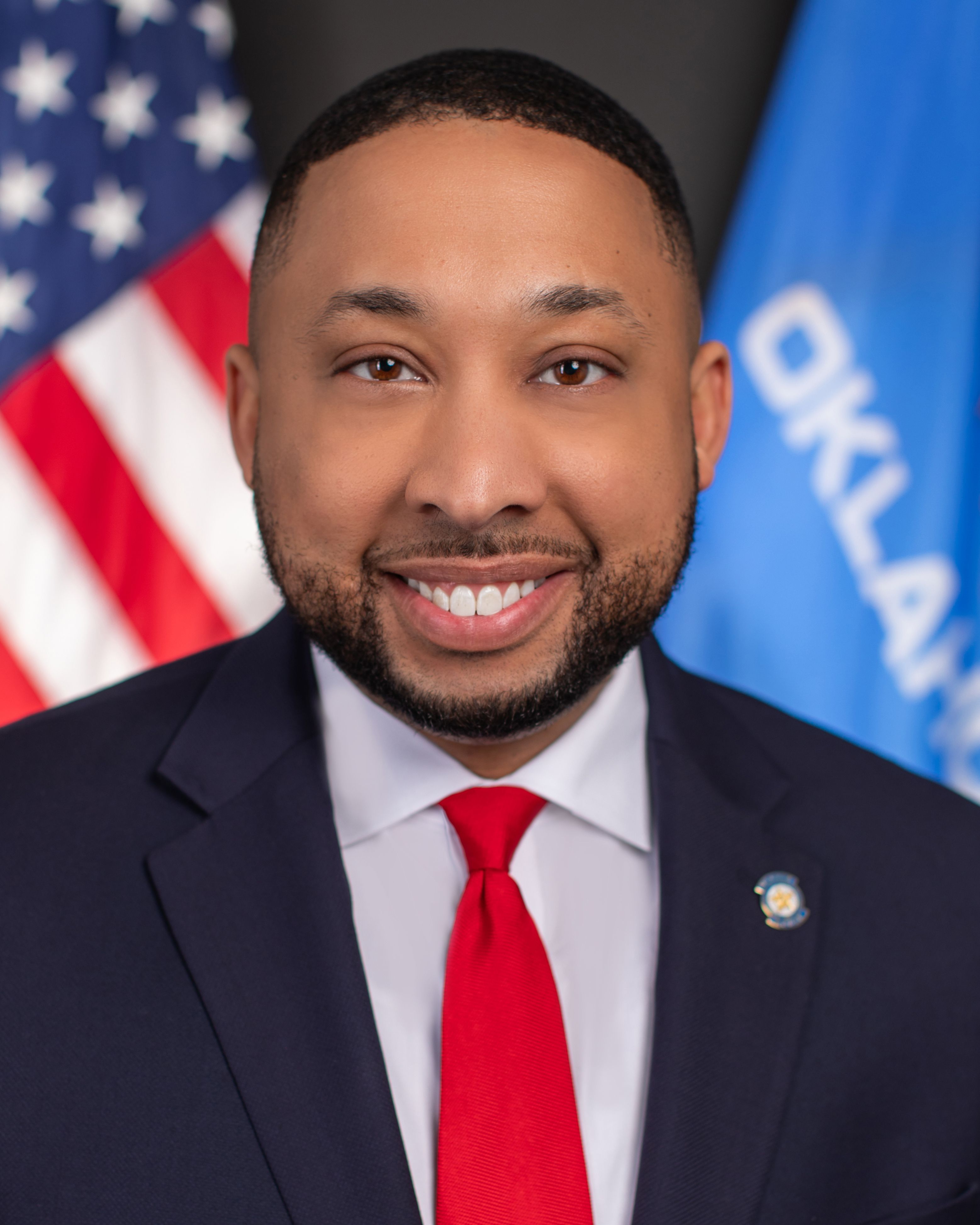
Michelle McCane
100% support rate
Top opponent
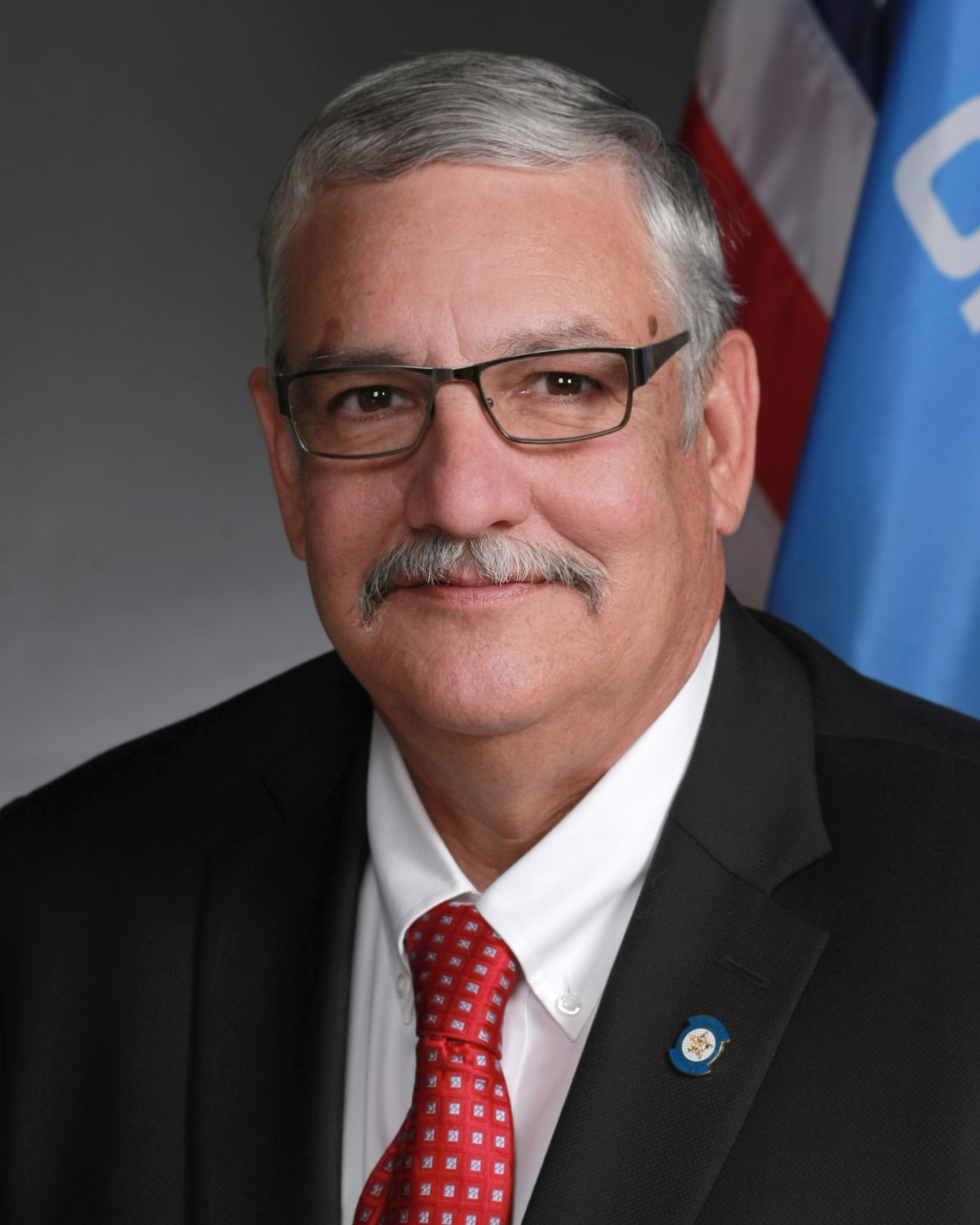
Chuck Hall
0% support rate
Ranked legislators
10
5 support · 5 oppose
Key legislators

Who's moving violent crime in Oklahoma

Legislators moving violent crime in Oklahoma
Legislator Party Stance Support rate Votes
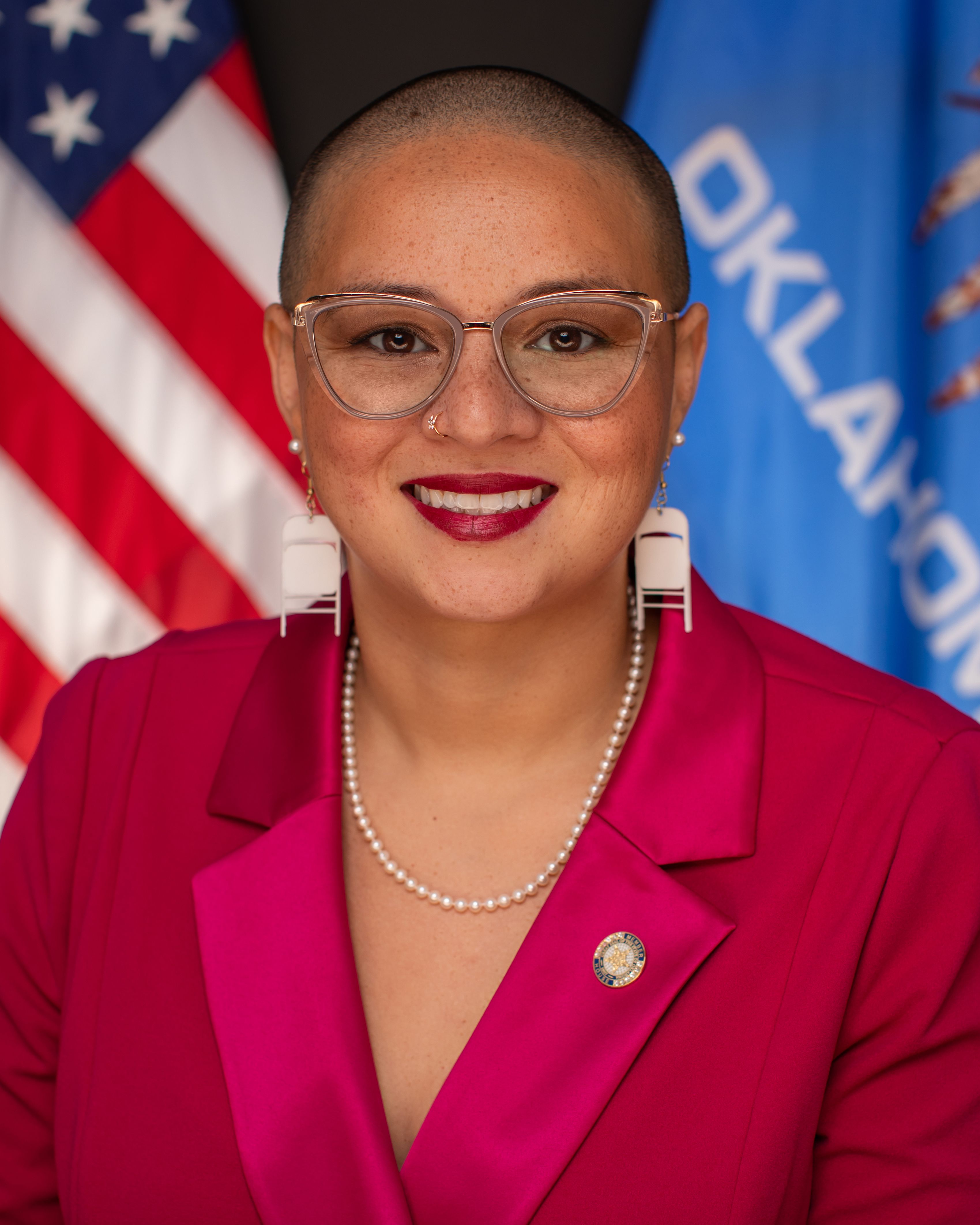
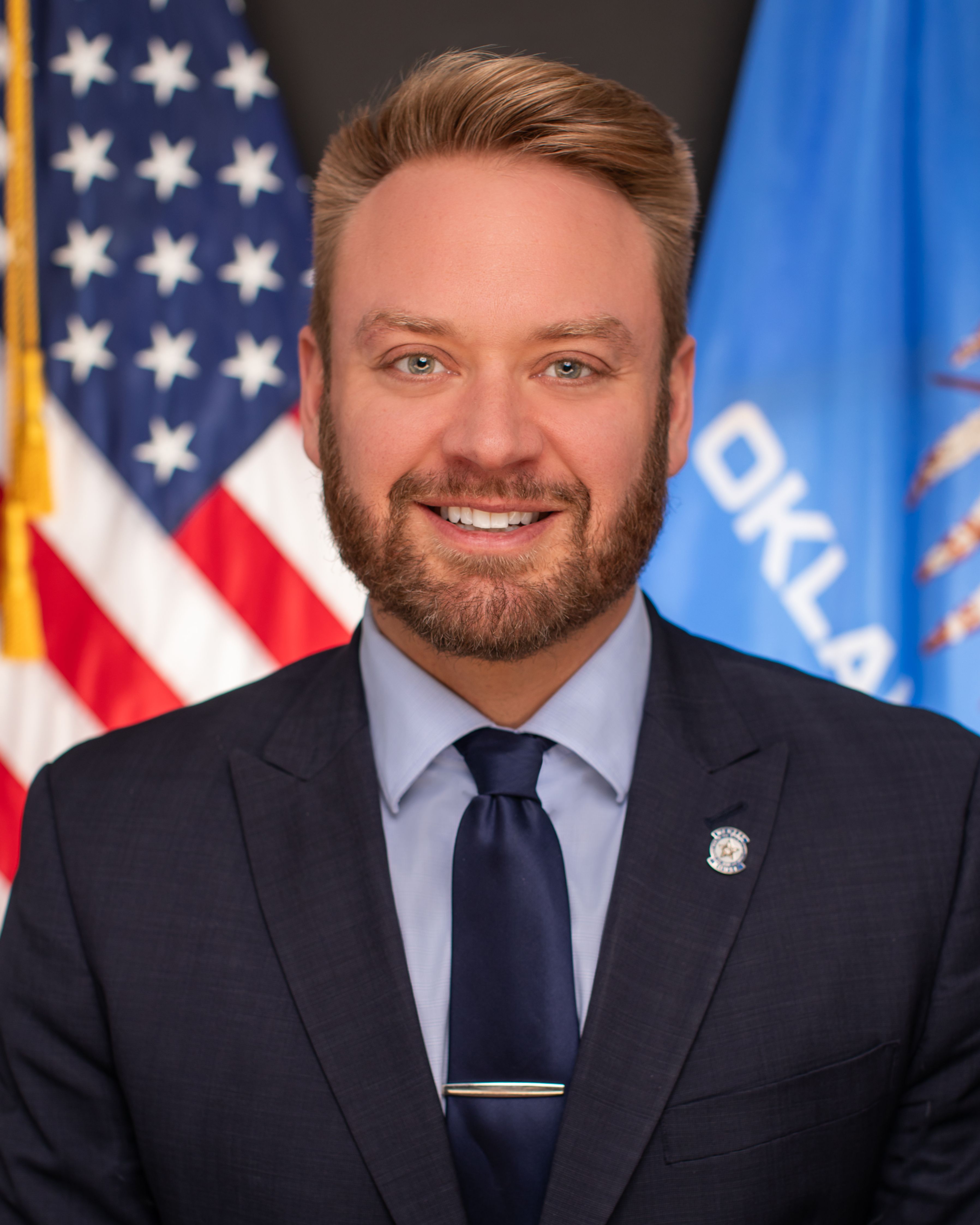
Michelle McCane
Michelle McCane House · District 72
D
Strong +
100% 4
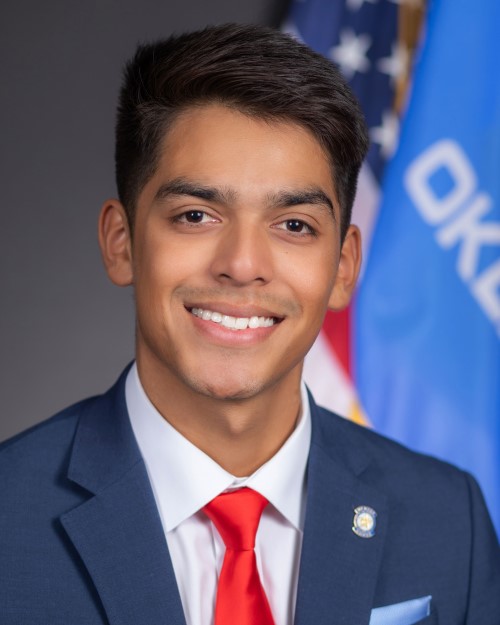
Arturo Alonso
Arturo Alonso House · District 89
D
Strong +
80% 5
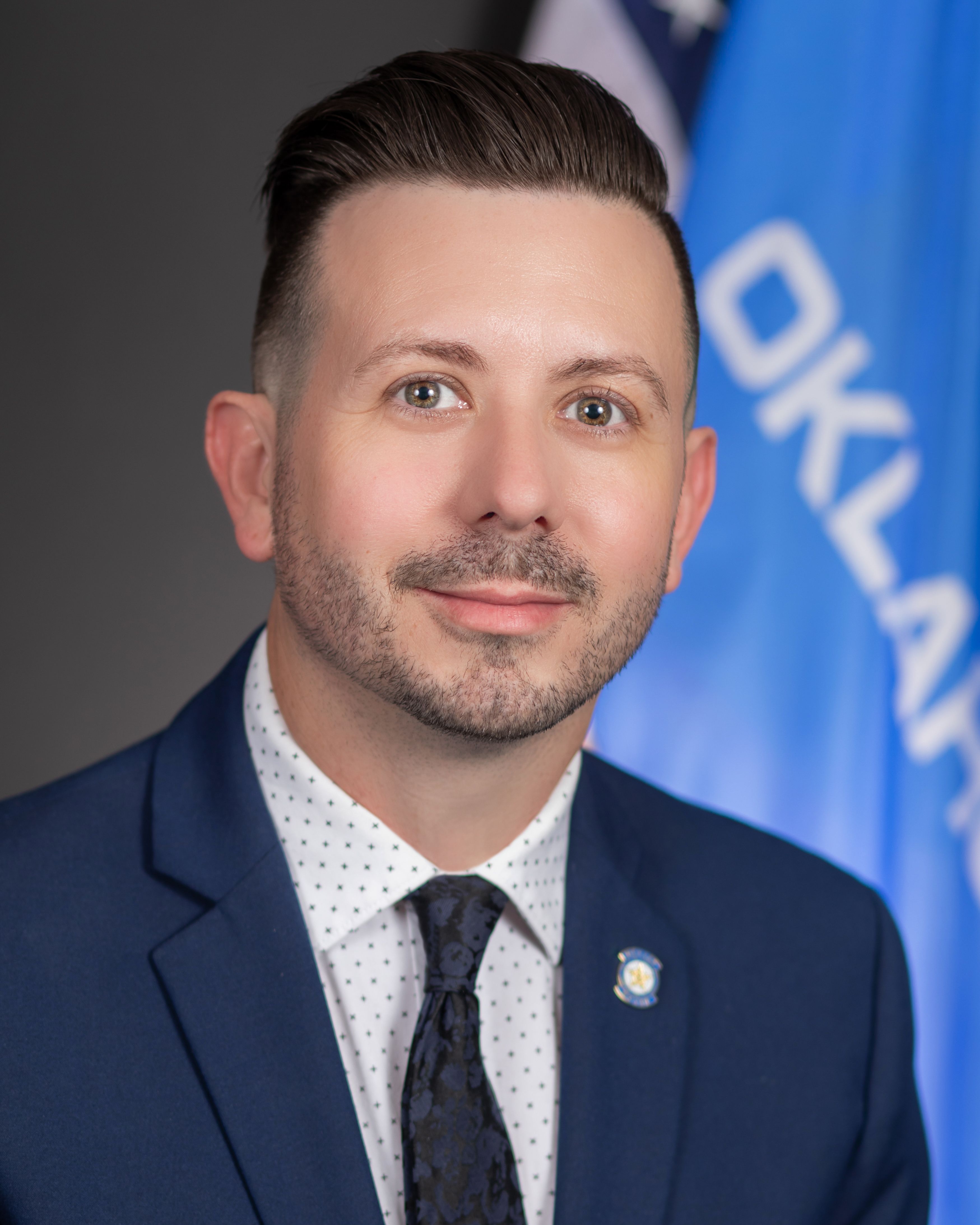
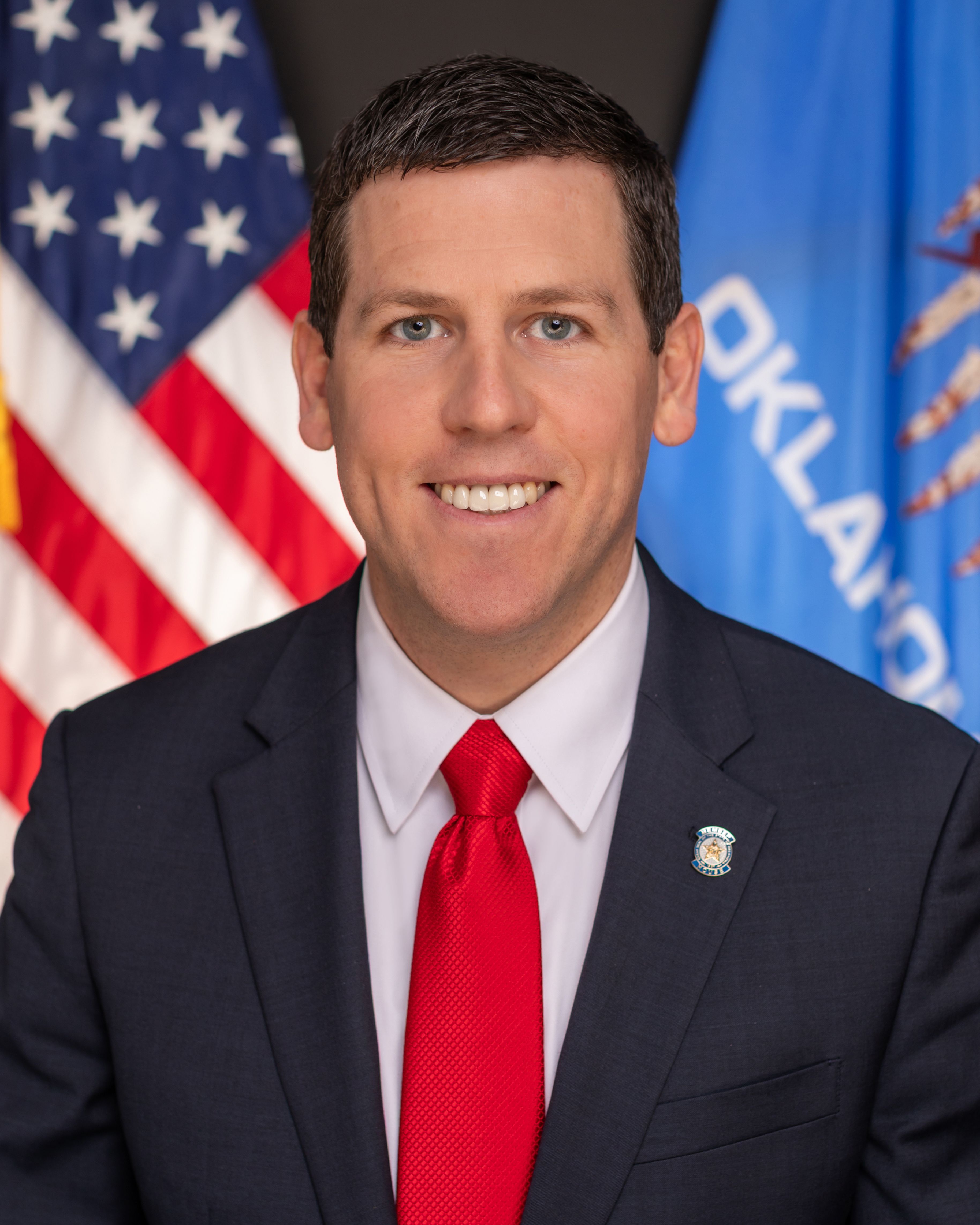
Jared Deck
Jared Deck House · District 44
D
Strong +
80% 5
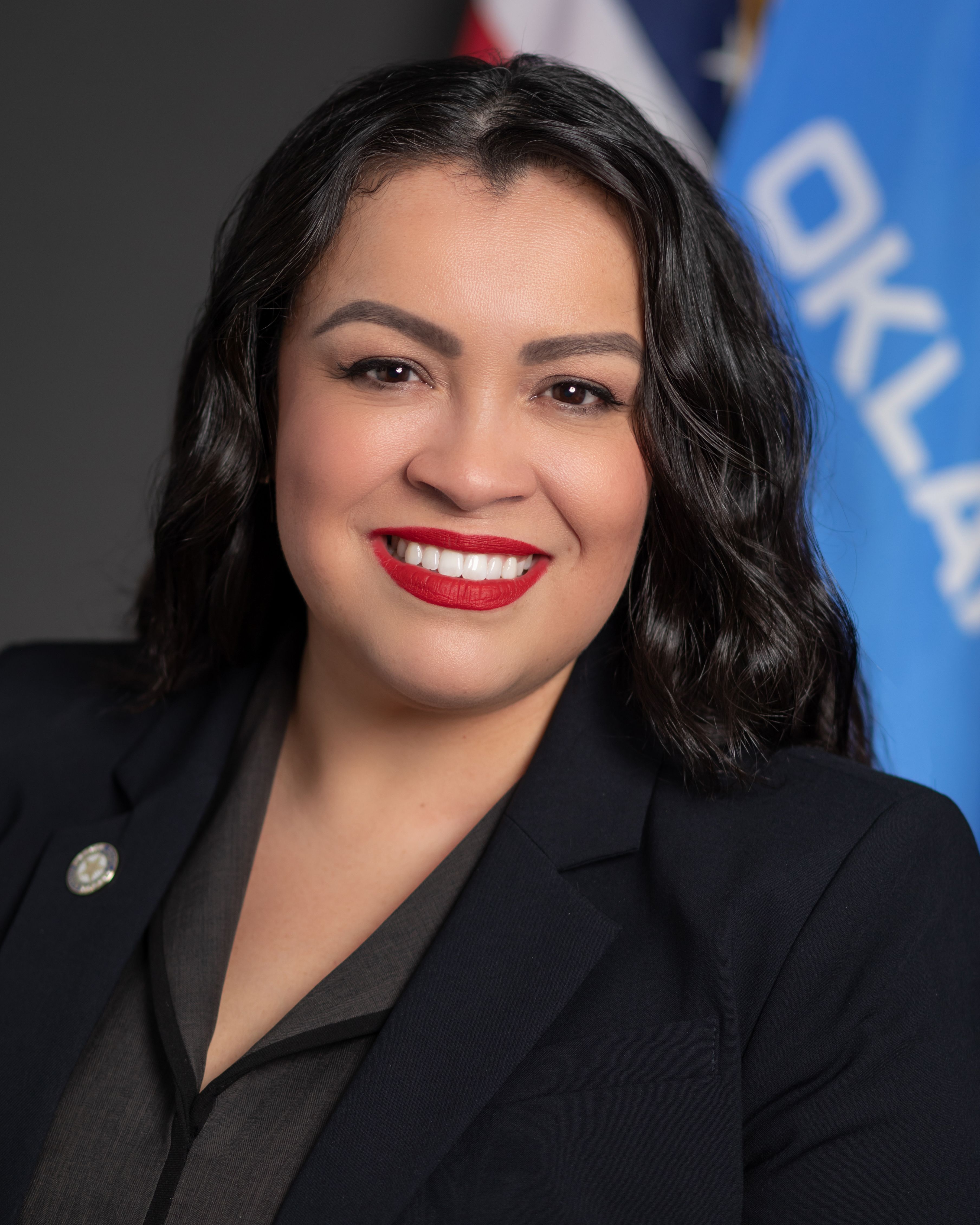
Annie Menz
Annie Menz House · District 45
D
Support
75% 4
Mickey Dollens
Mickey Dollens House · District 93
D
Support
75% 4
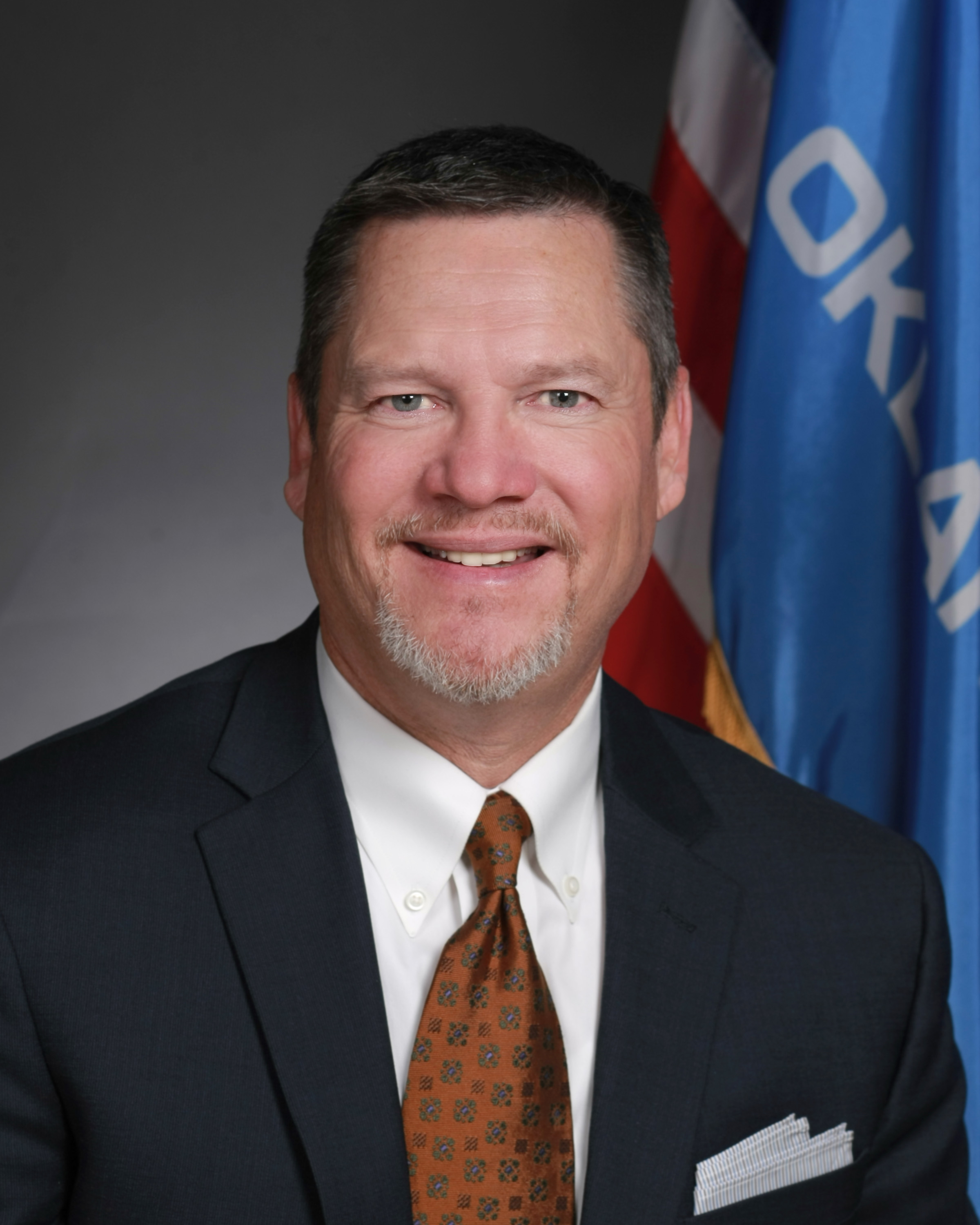
Chuck Hall
Chuck Hall Senate · District 20
R
Strong −
0% 11
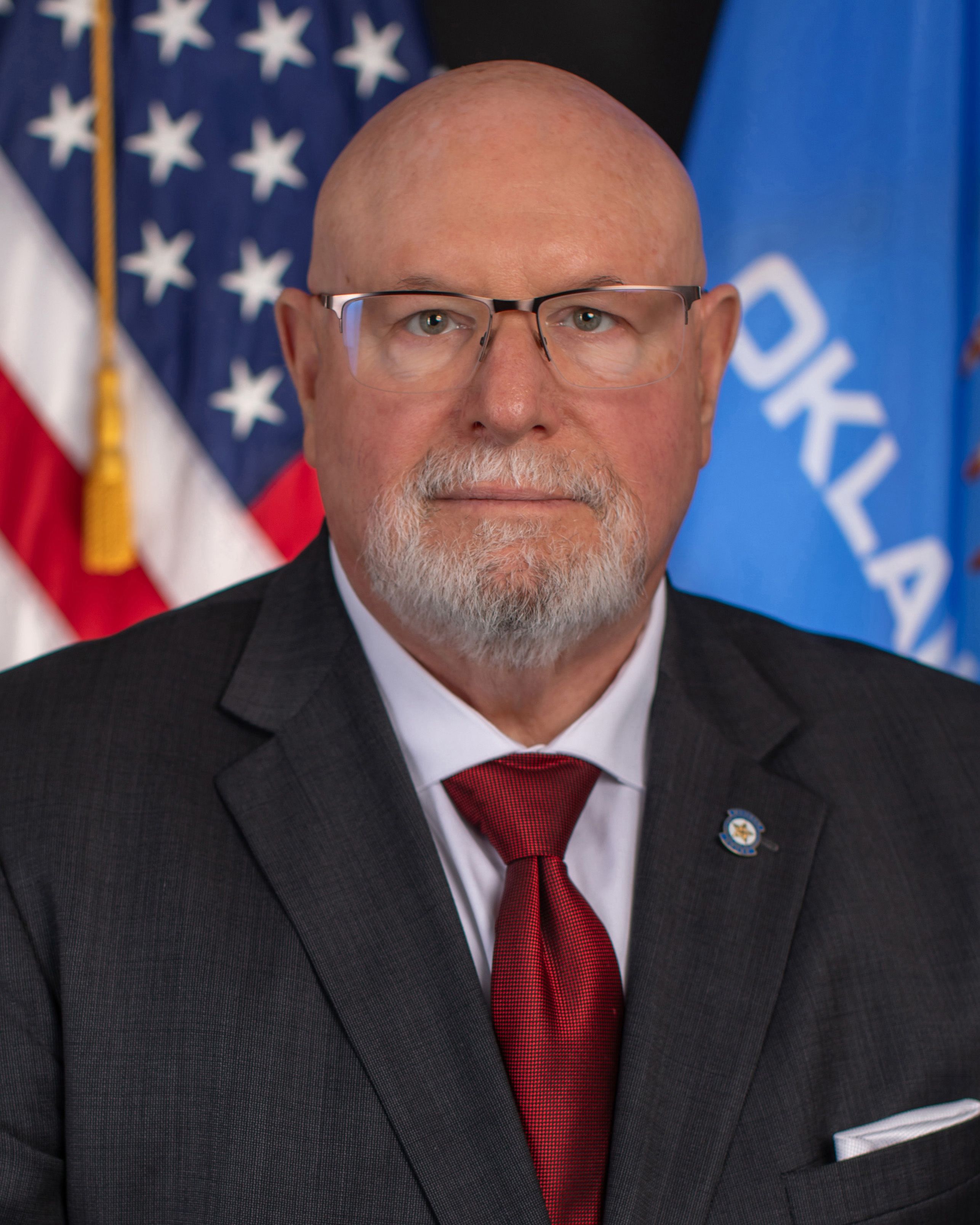
Rob Hall
Rob Hall House · District 67
R
Strong −
0% 11
Robert Manger
Robert Manger House · District 101
R
Strong −
0% 9
David Hardin
David Hardin House · District 86
R
Strong −
0% 8
Erick Harris
Erick Harris House · District 39
R
Strong −
0% 8
Showing 1–10 of 44 bills

All criminal justice bills

in committee · Oklahoma · House Feb 3, 2026

HB 3330: Crimes and punishments; creating the Oklahoma Assault and Battery Penalties Act of 2026; effective date.

HB 3330, titled the "Oklahoma Assault and Battery Penalties Act of 2026," creates a new framework for sentencing in assault and battery cases. It establishes specific penalties for these offenses but is not intended to be codified in Oklahoma Statutes. The bill will take effect on November 1, 2026, and directly affects individuals charged with assault or battery crimes in Oklahoma. The bill text does not specify the exact penalty changes, only that it creates a new penalty structure for these offenses.
in committee · Oklahoma · Senate Apr 30, 2026

SB 1584: Oklahoma State Bureau of Investigation; modifying time frame for which sexual assault evidence kits must be submitted and tested. Effective date.

SB 1584 modifies Oklahoma law regarding sexual assault evidence kits by reducing the deadline for law enforcement to submit kits to crime labs from 20 to 10 days after a sexual assault report is filed, unless the victim requests no testing. It requires crime labs to test kits within 30 days of receipt and mandates that medical providers inform victims of their right to request future testing. The bill also maintains a 50-year retention requirement for untested kits and requires law enforcement to coordinate with the Sexual Assault Forensic Evidence Task Force (SAFE) on processing guidelines. This directly affects law enforcement agencies, crime laboratories, and sexual assault victims in Oklahoma. The bill takes effect November 1, 2026.
in committee · Oklahoma · House Feb 3, 2026

HB 4151: Domestic abuse; directing law enforcement officers to conduct interviews regarding domestic abuse; codification; effective date.

HB 4151 requires Oklahoma law enforcement to interview family members before finalizing death investigations when a decedent has an identifiable history of domestic abuse and specific factors are present (e.g., premature death, scene resembling suicide, history of coercive control, or strangulation). It mandates current domestic abuse training for investigators, allows family access to victim services during investigations, and gives families the right to request investigation records if a case is closed without a homicide finding. The bill also specifies 10 conditions triggering autopsy requests and clarifies that it doesn’t override existing investigation discretion or impose new liability on agencies. It applies to deaths involving domestic abuse victims and takes effect November 1, 2026.
signed · Oklahoma · Senate Apr 22, 2026

SB 1733: Schools; requiring public and private school employees to report certain disclosure, allegation, or information to law enforcement within certain time period; requiring school employees to annually sign certain attestation. Effective date. Emergency.

SB 1733 requires Oklahoma school employees (including teachers, coaches, and administrators) to report suspected student sexual abuse, assault, or misconduct to law enforcement within 24 hours. It prohibits school investigations or disciplinary actions before reporting and mandates annual attestation forms confirming staff understanding of these duties. The law applies to all public and charter school staff, with confidentiality protections for reporters. It takes effect July 1, 2026, and declares an emergency for immediate implementation.
in committee · Oklahoma · Senate Feb 3, 2026

SB 1569: Criminal procedure; broadening certain exception to specified reporting requirements. Effective date.

SB 1569 modifies Oklahoma's reporting requirements for healthcare providers treating sexual assault victims. It broadens an exception allowing providers to not report certain cases where the victim is over 18 and not incapacitated, or when minors are involved without evidence of coercion, exploitation, threat, or intimidation. However, providers must still report if the victim requests it, document injuries, and refer victims to support services. The bill maintains existing requirements for sharing medical records with law enforcement during investigations.
in committee · Oklahoma · Senate Feb 3, 2026

SB 1762: Protection of fundamental rights; prohibiting certain acts of punishment, penalty, or legal sanction. Effective date.

SB 1762, the "Oklahoma Protection of Fundamental Rights and Public Policy Act," prohibits female genital mutilation (FGM) as a felony punishable by up to five years in prison and a $20,000 fine, while banning corporal punishments like stoning, flogging, or amputation as legal sanctions. It extends the statute of limitations for civil claims involving sexual assault or coercive medical procedures (including those related to gender identity) until the victim's 45th birthday and invalidates marriages entered under coercion, force, or for minors under 18. The bill also prohibits discrimination based on gender or religion in family law matters, such as inheritance or custody, and invalidates arbitration agreements that would enforce discriminatory rules. Male circumcision for religious, cultural, or medical reasons remains permitted under the law.
passed · Oklahoma · House Apr 23, 2026

HB 3674: Schools; school resource officer program; sexual assault reporting; continuing law enforcement training; CLEET; certification; sexual assault and sexual violence training; effective date.

HB 3674 establishes a three-year pilot program for school resource officers (SROs) in Oklahoma schools, requiring participating school districts to prioritize hiring officers with specialized school-based law enforcement training. The bill mandates that all sexual assault reports within schools be directed to law enforcement and requires SROs to complete one hour annually of CLEET-approved training on sexual assault response, trauma-informed practices, and violence prevention. These provisions directly affect school districts, SROs, and law enforcement agencies by updating certification requirements and ensuring SROs receive targeted training to address sexual violence. The bill amends existing laws to integrate these training and reporting standards into Oklahoma’s school safety framework.
in committee · Oklahoma · House Feb 3, 2026

HB 3374: Crimes and punishments; making certain acts unlawful; effective date.

HB 3374 strengthens legal protections for firefighters and emergency medical responders in Oklahoma by increasing penalties for harming them during official duties. It makes interfering with, molesting, or assaulting these responders a Class B4 felony (2-10 years imprisonment), and aggravating assault causing serious injury a life felony. The bill also designates killing a responder on duty as first-degree murder with an automatic aggravating circumstance for sentencing. This directly affects responders who face threats while working and individuals who commit violent acts against them.
in committee · Oklahoma · House Feb 3, 2026

HB 3038: Abortion; Abolition of Abortion Act; purpose; enforcement; wrongful death; victim of an unborn child; homicide; exceptions; emergency.

HB 3038, titled the "Abolition of Abortion Act," reclassifies abortion as homicide under Oklahoma law, making it a criminal offense punishable by the same legal standards applied to harm against born individuals. It directly affects pregnant people, healthcare providers performing abortions, and families seeking wrongful death claims related to abortions. Key provisions include removing existing exceptions allowing abortion, requiring documented informed consent, and amending wrongful death laws to permit lawsuits when abortions occur under specific circumstances like coercion, lack of consent, or medical negligence. Exceptions cover life-saving procedures for the mother (with reasonable efforts to save the fetus) and spontaneous miscarriages.
in committee · Oklahoma · Senate Feb 24, 2026

SB 1608: Mary Rippy Violent Crime Offenders Registration Act; modifying scope of requirements for certain registries. Effective date.

SB 1608 modifies Oklahoma's laws to expand public access to the Oklahoma Sex Offender Registry and the Mary Rippy Violent Crime Offenders Registry. It allows any person, business, or organization to search both registries for free online or pay fees for official searches to screen for employment, volunteering, or child safety roles. Search results will include full names, crimes committed, habitual offender status, and current locations like schools, workplaces, or residences. The bill takes effect November 1, 2026.
Sub-Topics Violent Crime
Showing 1 to 10 of 44 bills
1 2 3 5 Next