Issue · Criminal Justice

Criminal Justice

Every criminal justice bill, vote, and legislator stance in Oklahoma, automatically classified by Maddy, our AI policy reader.

Total bills
448
2026 Regular Session
Top supporter
Aletia Timmons
76% support rate
Top opponent
Brian Guthrie
24% support rate
Ranked legislators
10
5 support · 5 oppose
Key legislators

Who's moving criminal justice in Oklahoma

Legislators moving criminal justice in Oklahoma
Legislator Party Stance Support rate Votes
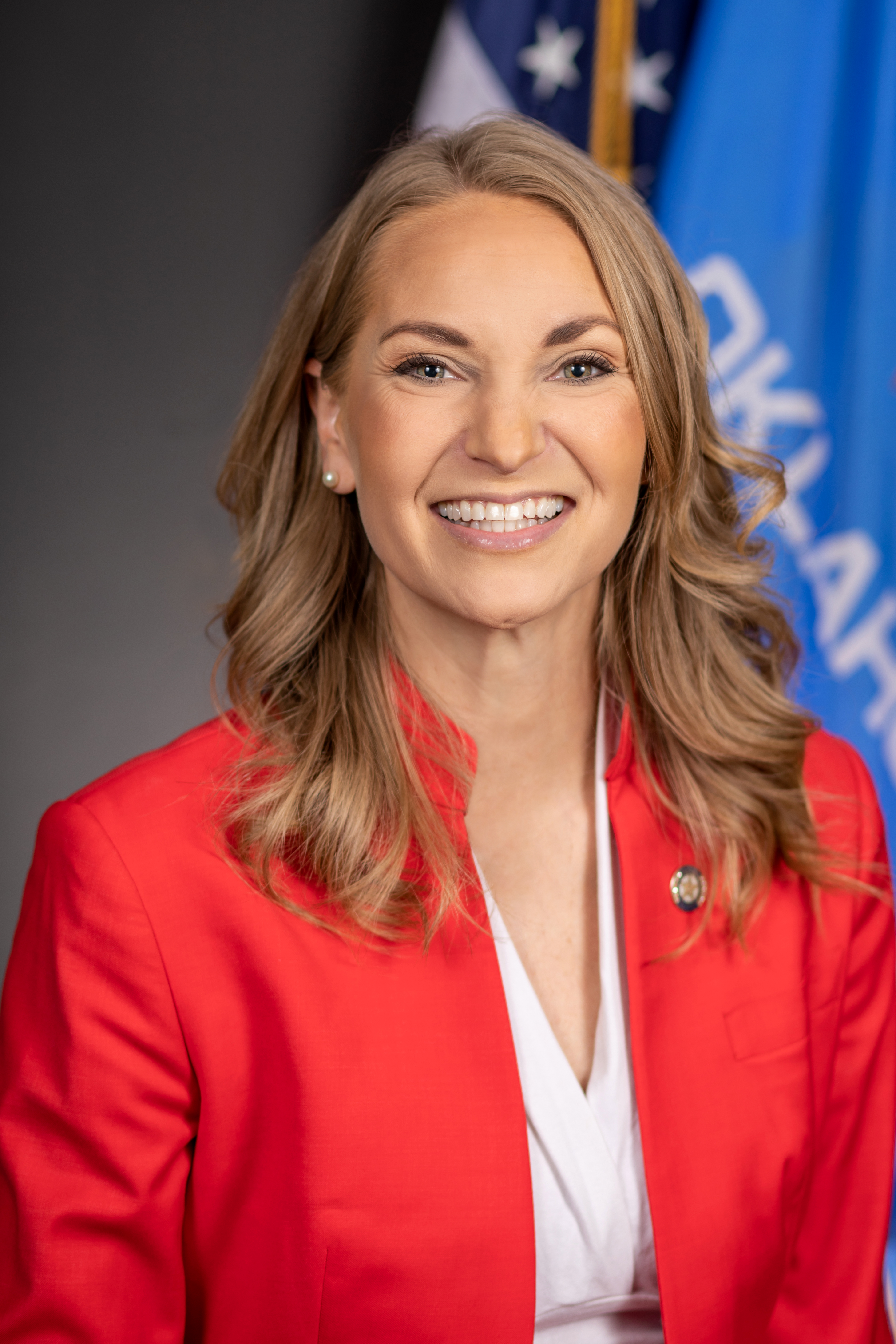
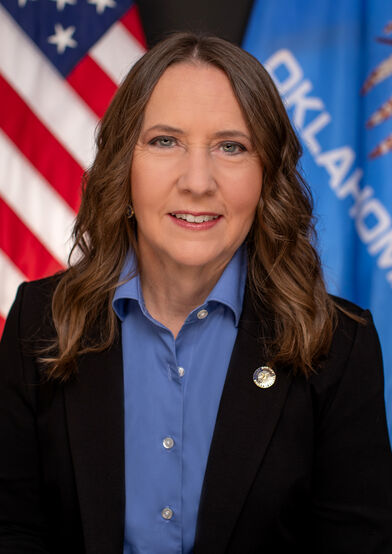
Aletia Timmons
Aletia Timmons House · District 97
D
Support
76% 91
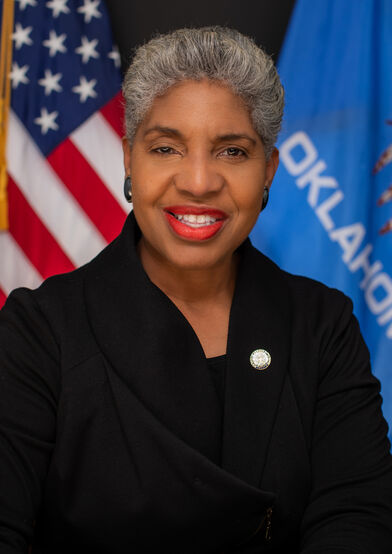
Regina Goodwin
Regina Goodwin Senate · District 11
D
Support
73% 225
Michael Brooks
Michael Brooks Senate · District 44
D
Support
72% 274
Carri Hicks
Carri Hicks Senate · District 40
D
Support
71% 184
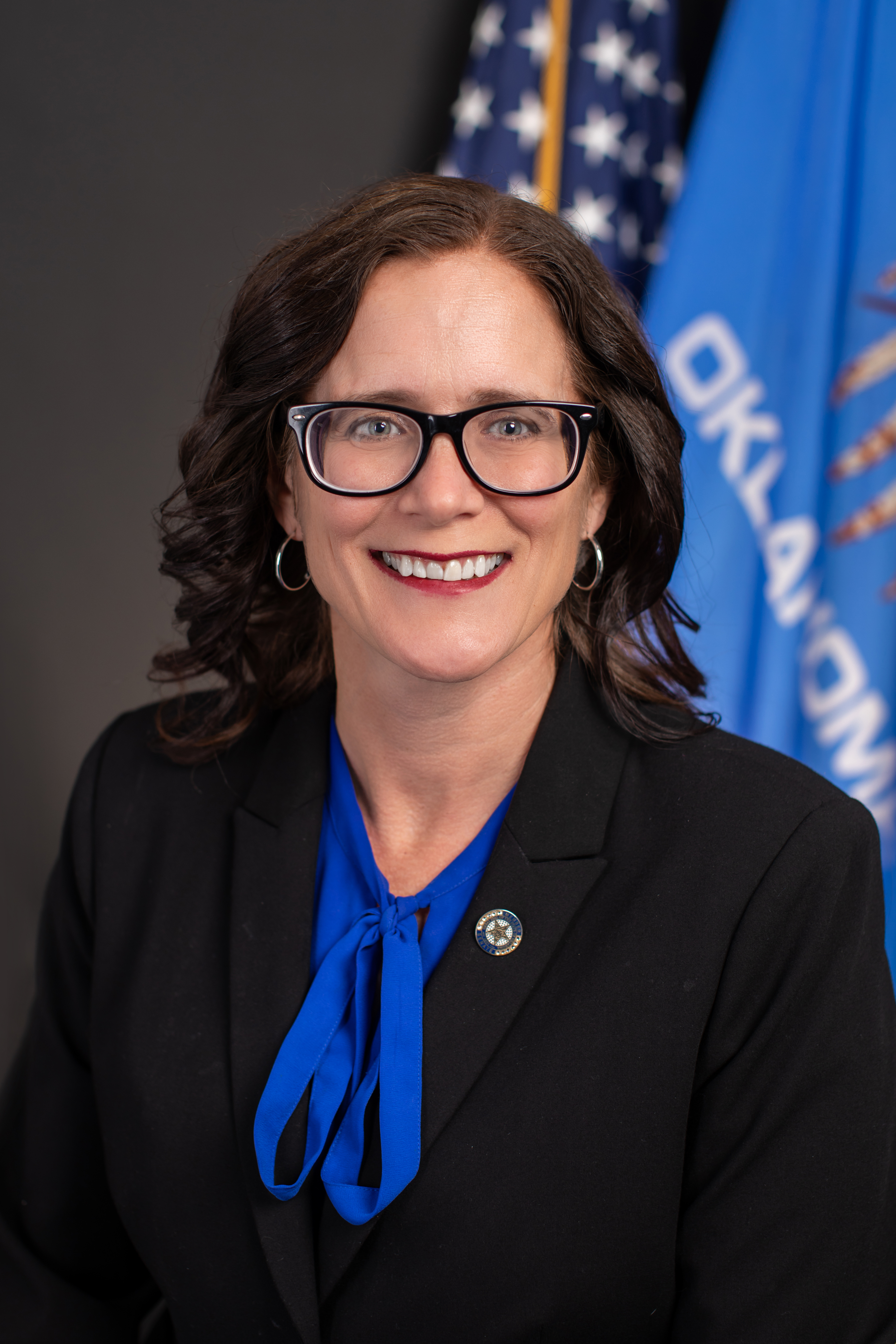
Julia Kirt
Julia Kirt Senate · District 30
D
Support
70% 174
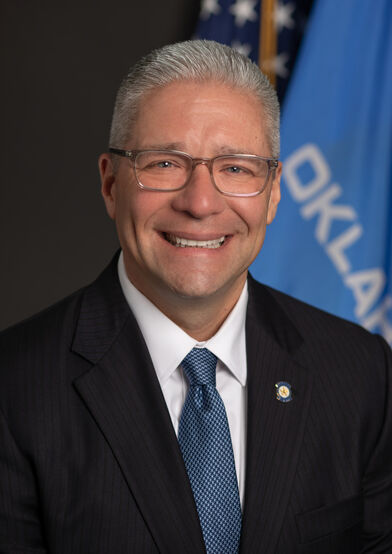
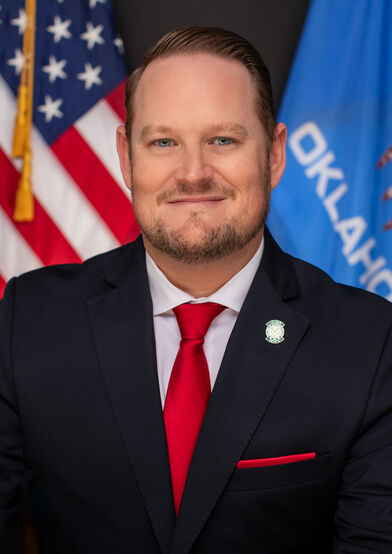
Brian Guthrie
Brian Guthrie Senate · District 25
R
Oppose
24% 158
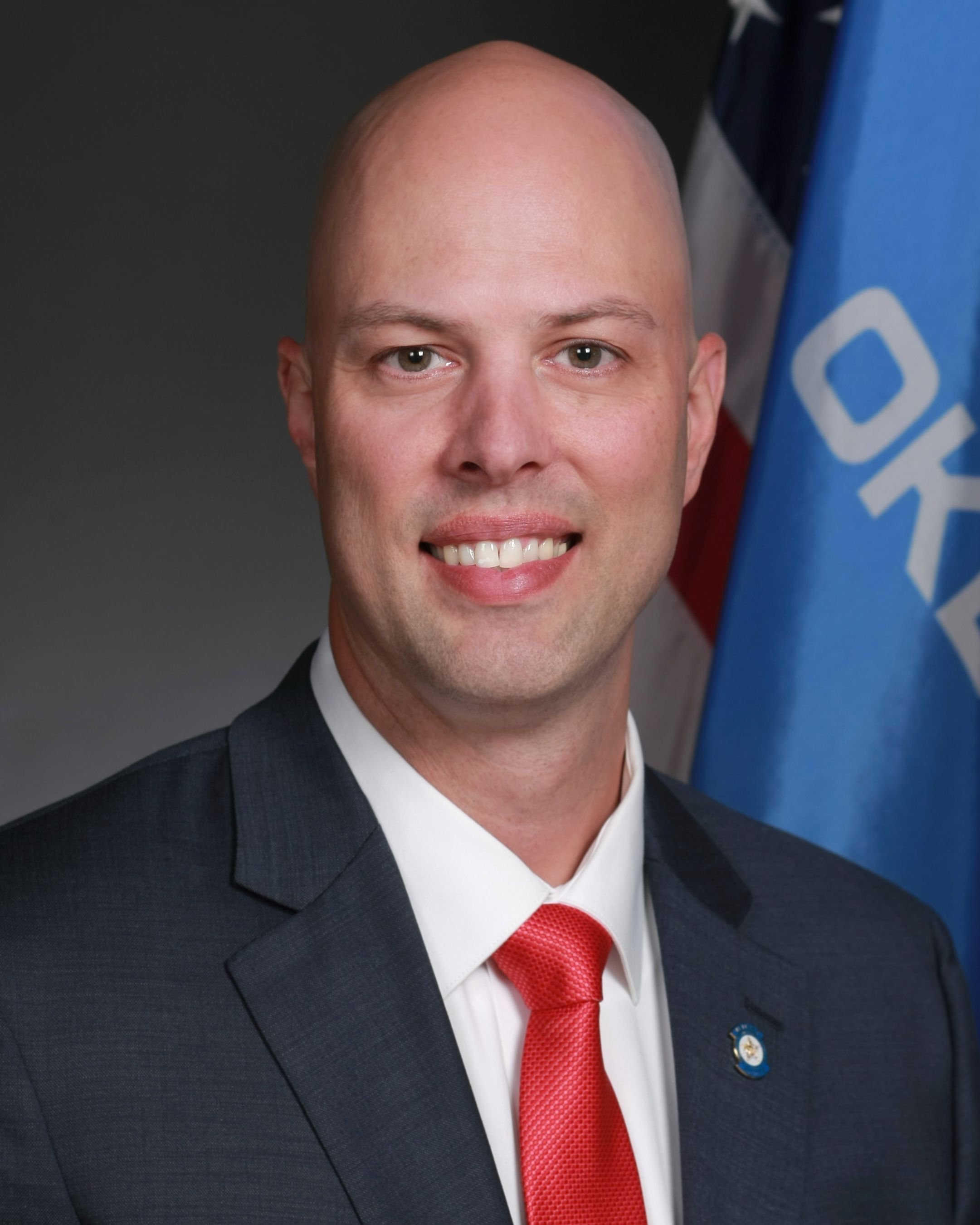
Lisa Standridge
Lisa Standridge Senate · District 15
R
Oppose
26% 220
Jay Steagall
Jay Steagall House · District 43
R
Oppose
27% 149
Julie McIntosh
Julie McIntosh Senate · District 3
R
Oppose
28% 164
Dusty Deevers
Dusty Deevers Senate · District 32
R
Oppose
28% 156
Showing 331–340 of 448 bills

All criminal justice bills

signed · Oklahoma · House May 21, 2025

HB 1066: Bail; prohibiting bail on appeal for certain offenses; effective date.

HB 1066 prohibits defendants from obtaining bail while appealing a conviction for 14 specific serious offenses, including murder, rape, robbery with weapons, drug trafficking, and crimes involving firearms or prior felony convictions. It directly affects individuals convicted of these offenses who seek to appeal their sentences. For all other felony cases, courts retain discretion to grant bail on appeal but must state their reasoning in writing. The law takes effect November 1, 2025.
Sub-Topics Violent Crime
signed · Oklahoma · House May 12, 2025

HB 1217: Obscene material; making certain acts unlawful; codification; emergency.

HB 1217 makes it a misdemeanor to perform adult shows containing obscene material in public spaces where minors might view them, including on public property or in unrestricted public areas. It defines "public place" to exclude venues with age restrictions (like ticketed events limiting minors) and sets penalties of up to $1,000 fines or 1 year in jail for violations. The law overrides conflicting local ordinances and applies to both individuals performing such acts and public entities like cities that permit exposure to minors. It directly affects performers, public venues, and local governments managing public spaces.
Sub-Topics Corrections
in committee · Oklahoma · Senate Feb 4, 2025

SB 624: Searches and seizures; prohibiting certain court orders; providing exceptions; requiring notice; specifying factors for determining punitive damages. Effective date.

SB 624 prohibits Oklahoma government entities from seeking or using "reverse-keyword" court orders (requiring data on people who searched specific terms/websites) or "reverse-location" court orders (requiring location data for unspecified devices in an area). It also bans government requests for such data without a court order. The bill requires government entities to notify individuals if their data was improperly obtained, and allows affected people to sue for $1,000 per violation or actual damages, plus punitive damages based on factors like targeting protected activities. This directly affects state/local governments and individuals whose digital data might be improperly collected under broad surveillance methods.
Sub-Topics Courts
in committee · Oklahoma · House Feb 4, 2025

HB 2723: Law enforcement officers; citizen review board; procedures; exemptions; legislative findings; effective date.

HB 2723 requires that when a government entity establishes a citizen review board to investigate law enforcement misconduct, at least two-thirds of the board members must be certified law enforcement officers. It also mandates that any findings, investigations, or disciplinary recommendations require a majority vote. The bill exempts certain entities, including boards that only review cases without setting discipline, the Council on Law Enforcement Education and Training (CLEET), and multijurisdictional task forces with two-thirds law enforcement members. This law takes effect November 1, 2025, and applies to all state-level law enforcement misconduct review processes.
vetoed · Oklahoma · House May 29, 2025

HB 2131: Criminal procedure; procedures for advising grand juries; transcripts; hearings; witnesses; effective date.

HB 2131 amends Oklahoma's criminal procedure laws to clarify rules for grand jury operations and handling of transcripts. It restricts who can advise grand juries (prohibiting district attorneys from advising during investigations of their own office), requires sealed court proceedings for transcript requests, and bans using grand jury transcripts in unrelated civil cases. The bill directly affects defense attorneys, prosecutors, witnesses, and judges by limiting transcript access to only criminal proceedings related to the original grand jury investigation. Key provisions include strict penalties for unauthorized disclosure (misdemeanor or contempt) and requiring the prosecutor to be notified before any transcript is released. The law takes effect November 1, 2025.
Sub-Topics Courts
in committee · Oklahoma · Senate Mar 10, 2025

SB 461: Crimes and punishments; removing certain references related to restricted bullets and body armor. Effective date.

SB 461 repeals specific Oklahoma statutes related to "restricted bullets" and "body armor" from the legal code. It removes references to these provisions from the Oklahoma Sentencing Modernization Act (21 O.S. Supp. 2024, Section 20H) and the RICO Act (22 O.S. Supp. 2024, Section 1402), including the prior inclusion of "second or subsequent conviction for committing a felony while wearing body armor" as a Class B3 offense. The bill directly affects the state’s criminal code by eliminating these specific legal references, though it does not change penalties for related conduct. This is a technical repeal of outdated or redundant statutes, not a policy change to criminal penalties. The bill’s effective date is specified but not detailed in the provided text.
Sub-Topics Sentencing
signed · Oklahoma · House May 27, 2025

HB 1886: Human trafficking; creating the Oklahoma Human Trafficking Justice for Victims and Advocacy Act of 2025; increasing penalties for certain unlawful act; codification; effective date.

HB 1886, now law after governor approval on May 23, 2025, updates Oklahoma's human trafficking sentencing by reducing the maximum sentence for certain trafficking acts from 25 to 10 years. The bill specifically targets traffickers convicted under these provisions, directly affecting individuals facing criminal prosecution for human trafficking offenses. Key changes include codifying this reduced sentence range into state law and adjusting related penalty structures. The amendment process clarified the exact sentencing term, replacing "twenty-five (25)" with "ten (10)" in the law. This represents a concrete policy shift in sentencing severity for specific trafficking crimes.
in committee · Oklahoma · Senate Feb 13, 2025

SB 566: Assault and battery; creating misdemeanor offense related to railroad workers. Effective date.

SB 566 creates a new misdemeanor offense for intentionally assaulting railroad workers or rail personnel in Oklahoma. It directly affects individuals who commit such assaults, imposing penalties of up to one year in jail, a $1,000 fine, or both. The bill specifies that the assault must be intentional and without justifiable cause, targeting violence against those working in rail operations. The law will take effect on November 1, 2025.
in committee · Oklahoma · Senate Feb 24, 2025

SB 944: Crimes and punishments; modifying provisions and penalties related to hazing. Effective date.

SB 944 modifies Oklahoma's hazing laws to better protect students at public and private schools and colleges. It defines hazing broadly to include activities endangering physical or mental health (like forced consumption or extreme stress), prohibits all hazing by student groups, and creates new misdemeanor charges for basic hazing (up to 90 days jail or $5,000 fines) and felony charges if hazing causes serious injury or death (up to 10 years in prison or $15,000 fines). The bill also establishes the Anti-Hazing Revolving Fund for educational programs, prohibits defenses like "tradition" or "consent," and grants immunity to students who report hazing or seek medical help for hazing victims. These changes directly affect student organizations, schools, and individuals involved in hazing incidents.
Sub-Topics Corrections
in committee · Oklahoma · Senate Feb 26, 2026

SB 1372: Probation; permitting certain offenders to receive completion and education credits under certain circumstances. Effective date.

SB 1372 allows eligible Oklahoma probationers to shorten their probation term by earning credits. Offenders who complete their first year of probation or earn a high school diploma, college degree, or vocational certificate can receive credits equal to 1/4 of their probation length. Supervising agencies must track these credits, notify offenders annually about their projected termination date, and inform courts when credits qualify for early termination. The bill excludes those convicted of certain serious offenses (like specific sex crimes or violent felonies) and allows offenders who complete education after probation ends to file a court motion for credit reduction.
Showing 331 to 340 of 448 bills
Previous 1 33 34 35 45 Next