HB 2067 Oklahoma House · 2026 Regular Session

Crimes and punishments; creating the Oklahoma Crimes and Punishments Act of 2025; effective date.

HB 2067 creates a process for people convicted of crimes in Oklahoma to seek relief based on new or undermining forensic scientific evidence. It allows convicted individuals (including those incarcerated, on parole, or who completed sentences) to file petitions if they now have evidence unavailable at trial or that contradicts evidence used at trial. Courts must determine if the evidence would likely change the trial outcome, and if so, may grant relief like a new trial, dismissal of charges, or release. The bill defines "forensic scientific evidence" broadly to include scientific methods, expert opinions, and reports, while protecting experts from liability for revised opinions based on new science.
Bill status in committee 1 of 4 stages cleared
Introduction
Feb 2025
Committee Review
Floor Vote
Governor
Introduced Feb 3, 2025 Last action Feb 13, 2025
Maddy AI version diff · 1 comparison

What changed between versions

Introduced Proposed Policy Committee Substitute 1 · 6 edits
MODERATE
The bill was completely rewritten by the Policy Committee to shift from a "Crimes and Punishments Act" to a "Criminal Procedure" act focused on allowing convicted individuals to seek relief based on new forensic scientific evidence. The new version defines key terms, establishes eligibility criteria for petitioners, sets specific timelines for court responses and hearings, and clarifies that this does not create liability for experts who change their opinions based on new research.
Scope change
The bill's scope changed from a general crimes and punishments framework to a specific criminal procedure mechanism for challenging convictions based on new forensic scientific evidence.
SCOPE

Changed the bill title from "Oklahoma Crimes and Punishments Act of 2025" to focus on criminal procedure and forensic scientific evidence relief.

DEFINITION

Added detailed definitions for "favorable," "forensic science," "forensic scientific evidence," and "scientific knowledge" to clarify what evidence qualifies for relief.

ELIGIBILITY

Established specific eligibility criteria including incarcerated persons, those on parole/probation, and those who have completed sentences who can file petitions.

TIMELINE

Set specific deadlines requiring the state to respond within 60 days and courts to hold hearings within 30-90 days of filing.

REQUIREMENT

Added provisions requiring courts to consider whether scientific evidence has changed since the original trial when evaluating new applications.

ENFORCEMENT

Clarified that the act does not create liability for experts who repudiate or change their original opinions based on new research.

Floor votes

How they voted

No floor votes recorded yet.
Full legislative history

Actions timeline

Total actions
4
Key actions
0
Committee
0
Feb 3, 2025
Introduced
First Reading
lower
1 primary · 0 co-sponsors

Sponsors

Role
Legislator
Party
State
District
P
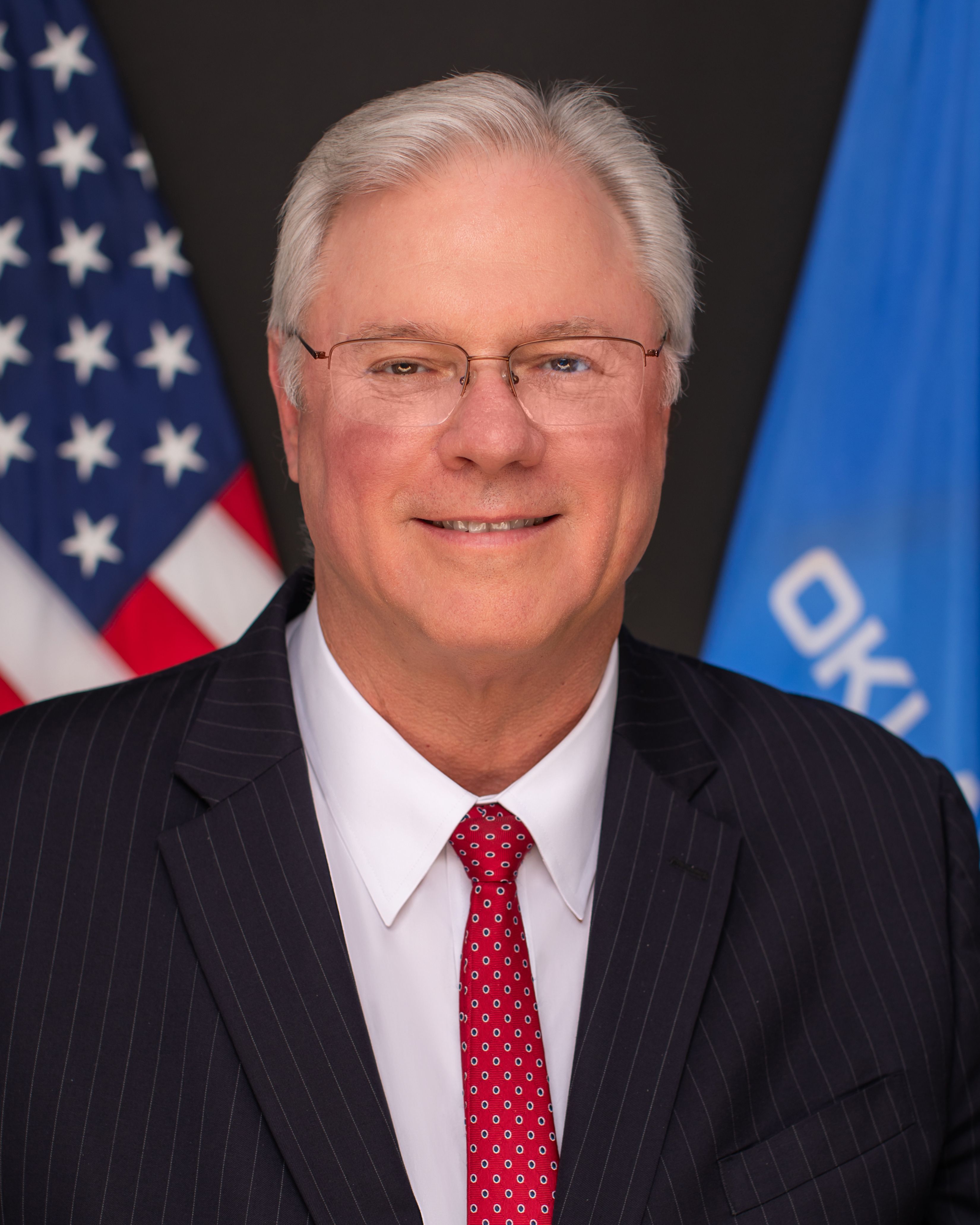
Photo of Mark Lepak
Mark Lepak
RRepublican
OK
9