Issue · Education

Education

Every education bill, vote, and legislator stance in North Carolina, automatically classified by Maddy, our AI policy reader.

Total bills
350
2025-2026 Session
Top supporter
Shelly Willingham
89% support rate
Top opponent
Dan Blue
20% support rate
Ranked legislators
10
5 support · 5 oppose
Key legislators

Who's moving education in North Carolina

Legislators moving education in North Carolina
Legislator Party Stance Support rate Votes
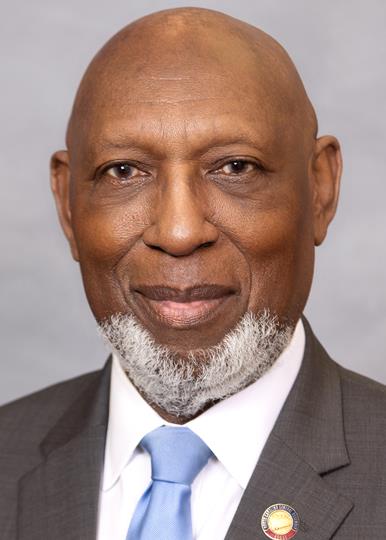
Shelly Willingham
Shelly Willingham House · District 23
D
Strong +
89% 27
Charles Smith
Charles Smith House · District 44
D
Strong +
88% 34
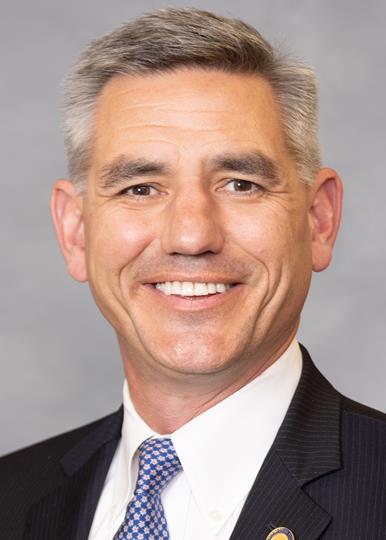
Brian Turner
Brian Turner House · District 116
D
Strong +
86% 33
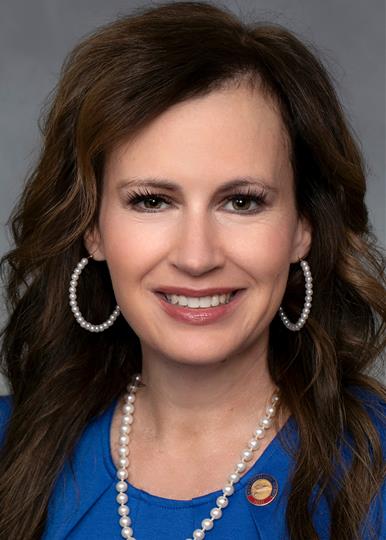
Carla Cunningham
Carla Cunningham House · District 106
I
Strong +
85% 26
Becky Carney
Becky Carney House · District 102
D
Strong +
81% 35
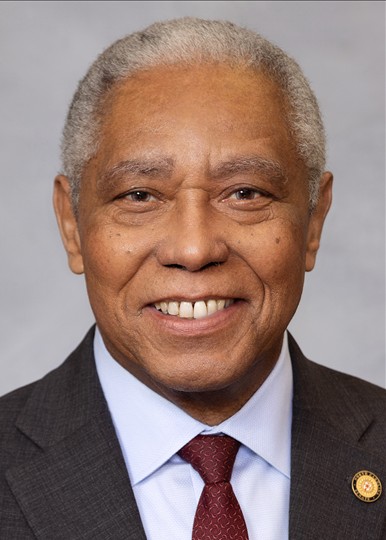
Dan Blue
Dan Blue Senate · District 14
D
Strong −
20% 18
Kyle Hall
Kyle Hall House · District 91
R
Oppose
27% 27
Tricia Cotham
Tricia Cotham House · District 105
R
Oppose
31% 29
DeAndrea Salvador
DeAndrea Salvador Senate · District 39
D
Oppose
33% 16
Gale Adcock
Gale Adcock Senate · District 16
D
Oppose
33% 18
Showing 281–290 of 350 bills

All education bills

died · North Carolina · Senate Apr 1, 2025

SB 580: Competency-Based Education Grant Program.

SB 580 establishes a grant program to help North Carolina public schools transition from time-based learning to competency-based education (CBE), where students advance upon mastering skills rather than completing seat time. The bill allocates $330,000 per school to 10 selected schools (chosen via application) for CBE implementation, including $95,000 annually for educator training and resources. Key provisions include developing proficiency-based assessments, partnering with a third-party vendor for professional development, and creating statewide standards for measuring student mastery. This program directly affects participating schools and their students by shifting instructional approaches to focus on demonstrated proficiency across K-12 subjects.
in committee · North Carolina · House Mar 27, 2025

HB 531: Addressing NC's Teacher Crisis/New Teacher Support Program.

HB 531 appropriates $4 million annually to expand North Carolina's New Teacher Support Program, directly benefiting new teachers with alternative licenses (such as residency or emergency permits) and their local school districts. The bill provides three key supports: assigned regional instructional coaches, professional development aligned with teachers' needs, and a beginning teacher summit. It prioritizes schools in designated high-need counties to address a 15% first-year attrition rate among new teachers. This funding eliminates cost barriers for schools and teachers, making program participation free and increasing access to evidence-based support.
Sub-Topics Teachers
in committee · North Carolina · House Apr 1, 2025

HB 426: Workforce Diploma Program.

HB 426 establishes the Workforce Diploma Program to help North Carolina adults aged 21+ without high school diplomas earn diplomas while gaining job skills. The program requires approved providers to offer courses combining diploma requirements with career training, including employability certifications and industry credentials. Participants receive milestone-based funding up to $7,500 per person, with payments tied to completing half-credits, certifications, or diplomas. The program mandates annual reports tracking participant outcomes like diplomas earned, credits, and workforce credentials. It appropriates $5 million for implementation starting July 2025.
died · North Carolina · House Apr 2, 2025

HB 7: NC Reclaiming College Education on America's Constitutional Heritage (REACH) Act.

HB 7, the NC REACH Act, requires all students graduating with a baccalaureate degree from a UNC system university or an associate degree from a North Carolina community college to complete at least three credit hours of coursework in American history or government. This coursework must include reading key documents like the U.S. Constitution, Declaration of Independence, Federalist Papers, and Dr. Martin Luther King Jr.'s Letter from Birmingham Jail, plus a final exam worth 20% of the grade. Students may qualify for exemptions through AP/IB/Cambridge scores, dual enrollment, or prior equivalent coursework. The bill ensures these requirements do not increase total graduation credit hours or conflict with accreditation standards, with annual compliance reports due to the legislature starting in 2026.
in committee · North Carolina · House Apr 1, 2025

HB 596: Standards Advisory Commission.

HB 596 establishes the Standard Course of Study Advisory Commission (SCOS Commission) to advise North Carolina's State Board of Education on academic standards. The 18-member commission includes teachers, principals, parents, school administrators, business representatives, and university officials to provide stakeholder input. It will recommend standards for core subjects like math, science, and civics that must be grade-specific, measurable, and aligned with college readiness requirements. These recommendations will guide updates to curriculum, testing, and teacher training programs used across public schools statewide.
in committee · North Carolina · House Apr 1, 2025

HB 595: Parental Rights for Curriculum and Books.

HB 595 restricts certain curriculum content in North Carolina public schools, directly affecting K-12 students and their parents. It bans instruction on gender identity, sexual activity, or sexuality in grades K-6 (except answering student questions) and requires parental written consent for such topics in grades 7-12. The bill mandates that schools provide age-appropriate health education materials, including 60-day parental review periods for materials related to sexual health, HIV/AIDS prevention, and reproductive health. It also specifies that human growth education in 4th and 5th grades must be single-sex, scientifically based, and require annual parental consent.
died · North Carolina · Senate Apr 2, 2025

SB 506: ATR Salary Sups and Grant Increases.

SB 506 increases funding for North Carolina's Advanced Teaching Roles (ATR) program, which provides salary supplements to teachers in specialized roles. It allocates an additional $16.2 million for 2025-2026 and $20.1 million for 2026-2027 (totaling $27.1M and $31M annually) to fund these supplements, plus $1 million more for program expansion. The bill directs the Department of Public Instruction to distribute these funds to public school districts participating in the ATR program, as outlined in state law (G.S. 115C-310.13). This funding increase directly affects eligible teachers in participating schools by boosting their salary supplements. The bill becomes effective July 1, 2025, pending legislative approval.
in committee · North Carolina · House Apr 1, 2025

HB 611: Increase Assistant Principals in Public Schools.

HB 611 requires North Carolina public schools to increase full-time assistant principal positions based on student enrollment, directly affecting all local school districts. It mandates funding to achieve specific student-to-assistant-principal ratios: 1:90 students in the 2025-2026 school year ($23.56 million) and 1:80 students starting in 2026-2027 ($57.57 million), with funds supplementing but not replacing existing budgets. The bill, effective July 2025, directs the Department of Public Instruction to allocate these funds through the school building administration allotment. This policy change aims to support school operations and develop future principals by expanding administrative staffing.
in committee · North Carolina · House Apr 2, 2025

HB 630: Restore Local Education Agency Sales Tax Benefit.

HB 630 restores a sales tax refund program for North Carolina's public school districts. It allows local school administrative units to receive annual refunds for sales tax paid on direct purchases of tangible property and services (like supplies or equipment), excluding items such as electricity, telecom, or food. The refund amount is capped at $13.3 million per year for all districts combined. The bill takes effect July 1, 2025, and adjusts state funding to reflect the restored refund program.
in committee · North Carolina · House Apr 2, 2025

HB 639: Prioritize In-State Applicants/UNC Educator Schools.

HB 639 requires all University of North Carolina (UNC) educator preparation programs to give first priority in admissions to applicants who qualify as North Carolina residents for tuition purposes under state law. This directly affects UNC schools offering teacher training programs and prospective in-state students applying to those programs starting in the 2025-2026 academic year. The bill mandates that programs follow the state's standardized residency determination process to verify applicant status. It does not change tuition rates but alters admission priority based solely on residency eligibility.
Showing 281 to 290 of 350 bills
Previous 1 28 29 30 35 Next