

Issue · Education
Education
Every education bill, vote, and legislator stance in North Carolina, automatically classified by Maddy, our AI policy reader.
Total bills
350
2025-2026 Session
Top supporter
Shelly Willingham
89% support rate
Top opponent
Dan Blue
20% support rate
Ranked legislators
10
5 support · 5 oppose
Key legislators
Who's moving education in North Carolina
| Legislator | Party | Stance | Support rate | Votes |
|---|---|---|---|---|
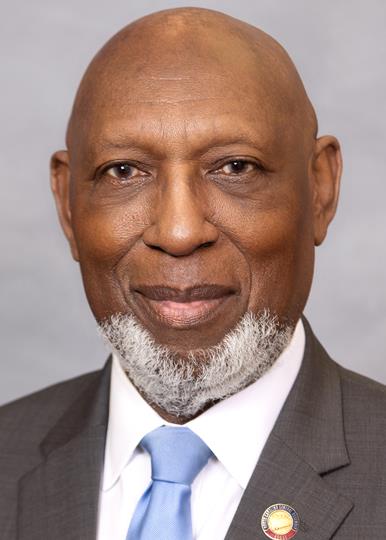
Shelly Willingham
House · District 23
|
D |
Strong +
|
89% | 27 |
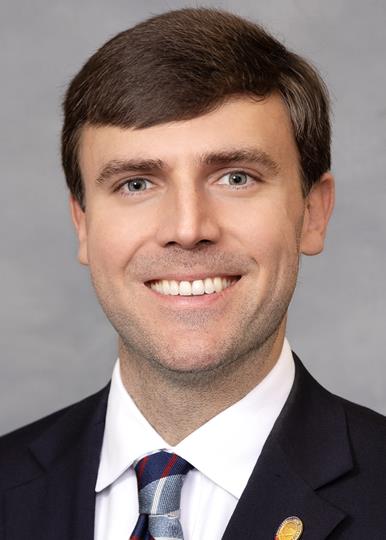
Charles Smith
House · District 44
|
D |
Strong +
|
88% | 34 |
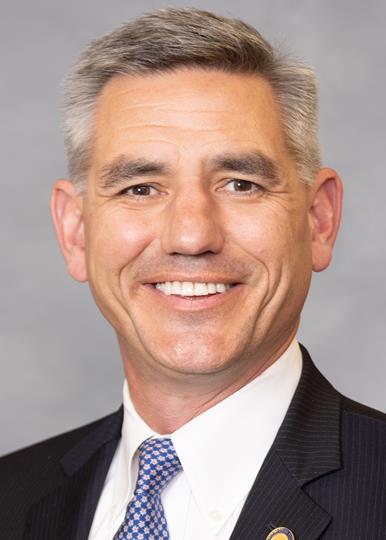
Brian Turner
House · District 116
|
D |
Strong +
|
86% | 33 |
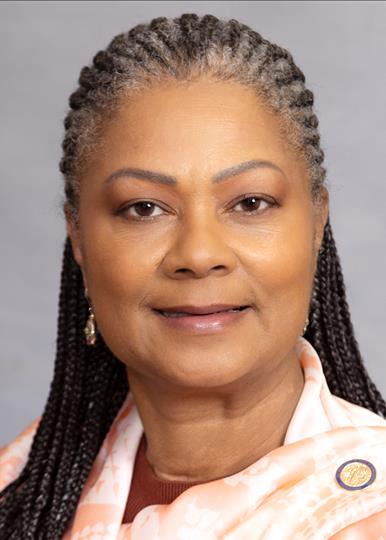
Carla Cunningham
House · District 106
|
I |
Strong +
|
85% | 26 |

Becky Carney
House · District 102
|
D |
Strong +
|
81% | 35 |
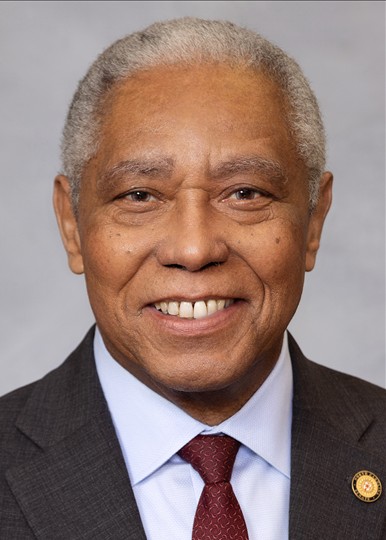
Dan Blue
Senate · District 14
|
D |
Strong −
|
20% | 18 |
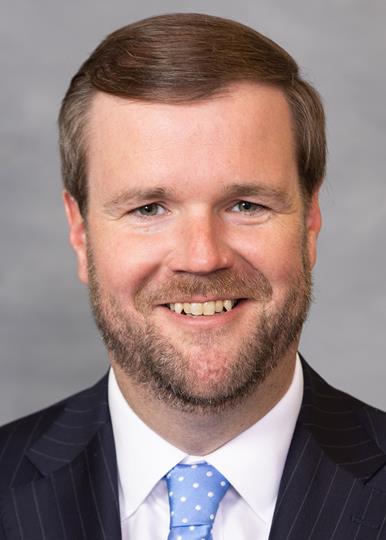
Kyle Hall
House · District 91
|
R |
Oppose
|
27% | 27 |
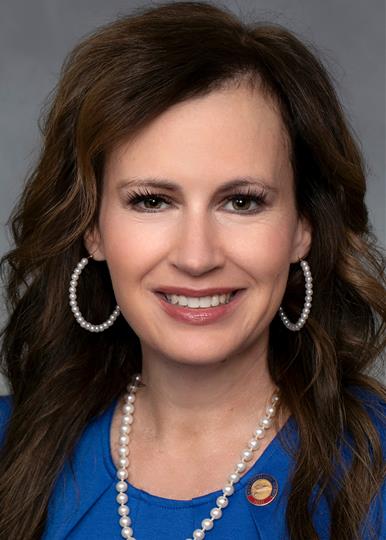
Tricia Cotham
House · District 105
|
R |
Oppose
|
31% | 29 |
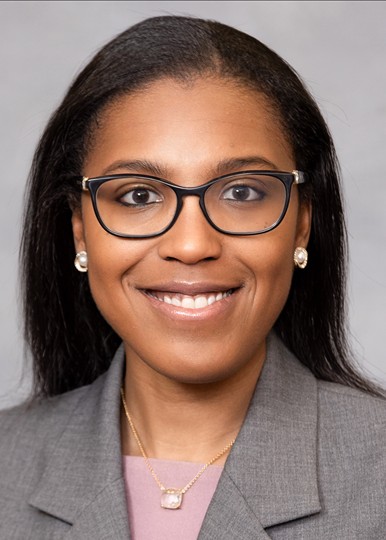
DeAndrea Salvador
Senate · District 39
|
D |
Oppose
|
33% | 16 |

Gale Adcock
Senate · District 16
|
D |
Oppose
|
33% | 18 |
Showing 291–300 of 350
bills
All education bills
HB 721: Muddy Sneakers/St. Gerard House.
Topics
✓ Budget & TaxesSupports Budget & TaxesAllocates $500k and $2.75M from General Fund for education and autism programs, directly advancing public service funding per appropriations language.
✓ EducationSupports EducationFunds fifth-grade science programs aligned with state standards and autism treatment programs, directly advancing educational access and student support in K-12 settings.
✓ HealthcareSupports HealthcareBill allocates $2.75M for autism treatment programs, directly funding mental health services under the mental health subject.
Sub-Topics
State Budget
HB 713: Universal Free Breakfast and Lunch.
Topics
✓ Budget & TaxesSupports Budget & TaxesAppropriates $144M from General Fund to fund universal school meals, directly increasing state budget allocation for public education services.
✓ EducationSupports EducationMandates universal free school meals for all public school students with $144M state funding, expanding access and supporting student nutrition as part of education policy.
HB 715: Universal Pre-K.
Topics
✓ Budget & TaxesSupports Budget & TaxesAppropriates $13.3M annually from General Fund to expand Pre-K program, directly increasing state funding for public education services.
✓ EducationSupports EducationBill allocates $13.3M annually to expand NC Pre-K access for low-income 4-year-olds, directly increasing funding and program availability for early childhood education.
HB 665: DPI Disaster Preparedness Fund.
Topics
✓ Budget & TaxesSupports Budget & TaxesBill allocates $25M from state budget for school disaster preparedness fund, directly advancing public education funding through appropriations.
✓ EducationSupports EducationCreates $25M fund for school disaster infrastructure, directly supporting school safety and facility improvements under education priorities.
Sub-Topics
School Safety
HB 708: Increase Robotics Opportunities and Build Our Talents (IROBOT) - Increasing Robotics Opportunities.
Topics
✓ Budget & TaxesSupports Budget & TaxesBill allocates $2.5M annually for robotics education grants, directly increasing state budget appropriations for educational programs under STEM funding.
✓ EducationSupports EducationProvides $2.5M annual grants for robotics education programs, expanding STEM access and funding student programs in K-12 schools per bill's funding mechanism and STEM subject focus.
✓ TechnologySupports TechnologyFunds robotics education via $2.5M grants for emerging tech programs, explicitly listed under 'EMERGING TECHNOLOGIES' in subjects.
Sub-Topics
K-12 Education
HB 709: K-3 Literacy and Improvement Act.
Topics
✓ Budget & TaxesSupports Budget & TaxesAllocates $14.8M annually for K-3 teacher assistants via appropriations, directly funding education programs under budgeting subjects.
✓ EducationSupports EducationFunds K-3 teacher assistants with $14.8M annually to improve literacy, directly advancing elementary education funding and support per bill summary.
HB 706: Change to Needs-Based Capital Funding.
HB 783: Sidekicks Academy/Funds.
Topics
✓ Budget & TaxesSupports Budget & TaxesAppropriates $100k from state General Fund to fund educational program serving marginalized students, directly supporting public education budget allocation.
✓ EducationSupports EducationAppropriates $100k from state funds to directly support Durham Public Schools program serving marginalized students through educational martial arts, character development, and safety equipment.
HB 774: School Breakfast for All.
Topics
✓ Budget & TaxesSupports Budget & TaxesAllocates $39M recurring state funds for school breakfast program, directly increasing public service funding under budget appropriations.
✓ EducationSupports EducationMandates free breakfast for all K-12 students, allocates $39M recurring funding, and requires nutrition partnerships - directly advancing educational access and student well-being.
✓ HealthcareSupports HealthcareMandates free nutritious breakfasts in schools with $39M state funding, directly supporting student nutrition as a public health initiative under healthcare-related subjects.