

Issue · Education
Education
Every education bill, vote, and legislator stance in North Carolina, automatically classified by Maddy, our AI policy reader.
Total bills
350
2025-2026 Session
Top supporter
Shelly Willingham
89% support rate
Top opponent
Dan Blue
20% support rate
Ranked legislators
10
5 support · 5 oppose
Key legislators
Who's moving education in North Carolina
| Legislator | Party | Stance | Support rate | Votes |
|---|---|---|---|---|
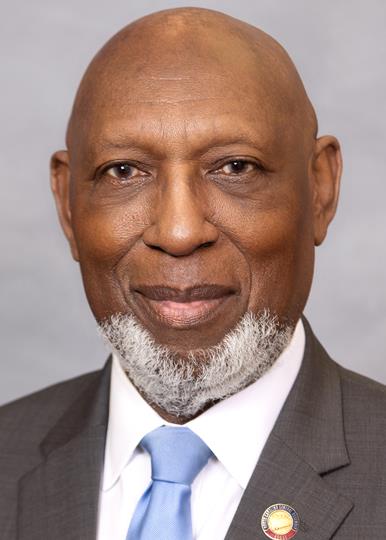
Shelly Willingham
House · District 23
|
D |
Strong +
|
89% | 27 |

Charles Smith
House · District 44
|
D |
Strong +
|
88% | 34 |
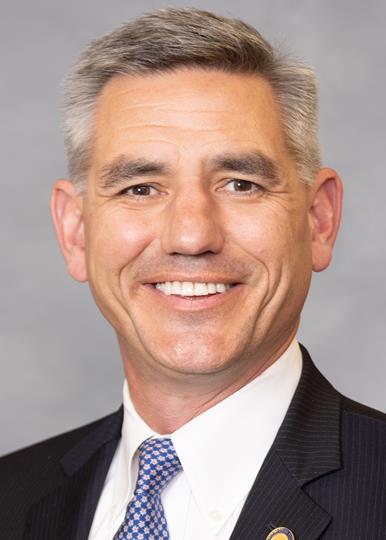
Brian Turner
House · District 116
|
D |
Strong +
|
86% | 33 |

Carla Cunningham
House · District 106
|
I |
Strong +
|
85% | 26 |

Becky Carney
House · District 102
|
D |
Strong +
|
81% | 35 |
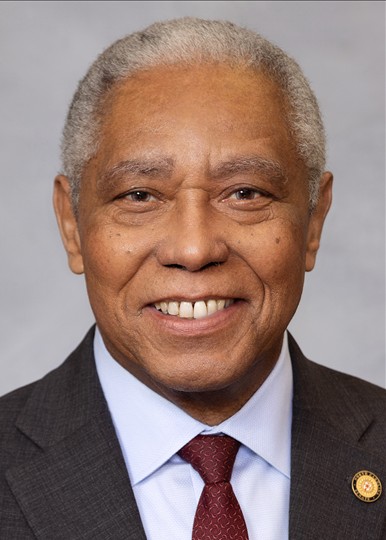
Dan Blue
Senate · District 14
|
D |
Strong −
|
20% | 18 |

Kyle Hall
House · District 91
|
R |
Oppose
|
27% | 27 |

Tricia Cotham
House · District 105
|
R |
Oppose
|
31% | 29 |

DeAndrea Salvador
Senate · District 39
|
D |
Oppose
|
33% | 16 |

Gale Adcock
Senate · District 16
|
D |
Oppose
|
33% | 18 |
Showing 181–190 of 350
bills
All education bills
HB 490: Propel NC Funding and Tuition Surcharge.
Topics
✓ Budget & TaxesSupports Budget & TaxesBill revises community college funding model to prioritize workforce programs with weighted funding and creates Enrollment Increase Reserve, directly advancing budget allocation for education through targeted fiscal management.
✓ EducationSupports EducationRevises community college funding to prioritize workforce programs with weighted funding for high-demand fields and creates enrollment growth reserves, directly advancing higher education funding and access.
✓ Labor & EmploymentSupports Labor & EmploymentFunds workforce training programs prioritizing high-demand fields and enrollment growth, directly enhancing job readiness and employment opportunities per labor & employment policy focus.
Sub-Topics
Fees & Licensing
Career & Technical Education
Curriculum
Higher Education
Workforce Development
HB 498: Military to Teacher Retirement Incentive.
Topics
✓ Budget & TaxesSupports Budget & TaxesBill requires state to pay lump sum for retirement credit, increasing government spending on teacher benefits within retirement system.
✓ EducationSupports EducationCreates retirement credit for veteran teachers, enhancing educator benefits and encouraging military veterans to enter teaching careers, directly supporting teachers within education policy.
✓ Labor & EmploymentSupports Labor & EmploymentExpands retirement benefits for veteran teachers by crediting military service, strengthening employment-related benefits under state retirement systems.
✓ VeteransSupports VeteransCreates retirement credit for veteran teachers, counting military service toward benefits, directly expanding veterans' retirement options and recognition.
HB 566: Principal Fellows Changes.
Sub-Topics
Student Financial Aid
HB 676: Haywood County Schools/Funds.
Topics
✓ Budget & TaxesSupports Budget & TaxesAllocates $1.5M in state funds for specific school facility projects under appropriations, directly advancing fiscal management of public funds.
✓ EducationSupports EducationAllocates $1.5M in state funds for specific school facility improvements (turf field, locker room, stadium) at Haywood County schools, directly supporting educational infrastructure.
Sub-Topics
K-12 Education
HB 667: Reduce Barriers to College Completion.
Topics
✓ EducationSupports EducationExpands higher education access by allowing eligible immigrant students to pay in-state tuition, directly reducing financial barriers to college completion.
✓ ImmigrationSupports ImmigrationAllows children of H-1B/L-1 visa holders to pay in-state tuition, expanding educational access for immigrant families under immigration status criteria.
HB 685: Rural NC Reinvestment Act.
Topics
✓ Budget & TaxesSupports Budget & TaxesAllocates $605M in state funds for rural infrastructure, education, and services, directly advancing budget allocation for public programs.
✓ EducationSupports EducationAllocates $200M for rural school construction and $100M for early childhood education, directly funding educational infrastructure and access per bill summary.
✓ EnvironmentSupports EnvironmentFunds water/sewer infrastructure ($200M), directly supporting pollution control and environmental protection per subjects list and summary.
✓ HealthcareSupports HealthcareAllocates $5M specifically for physician placement in rural areas, directly improving healthcare access and addressing provider shortages per bill's summary and subjects.
✓ TechnologySupports TechnologyAllocates $50M specifically for broadband expansion, directly advancing internet access in rural areas per bill summary and subjects list.
HB 692: AEDs and CPR in Schools.
Topics
✓ EducationSupports EducationMandates AEDs and CPR training in schools, enhancing physical safety infrastructure and staff preparedness - directly improving school safety protocols as part of educational environment protection.
✓ HealthcareSupports HealthcareMandates AEDs and CPR training in schools, directly enhancing emergency medical response capabilities within public health infrastructure.
HB 397: Use of Epinephrine Nasal Spray.
Topics
✓ EducationSupports EducationBill enhances school safety protocols for student health emergencies, directly supporting student well-being and access to education through updated health policies.
✓ HealthcareSupports HealthcareBill expands emergency anaphylaxis treatment options in schools by including epinephrine nasal spray, improving student access to life-saving care and aligning with public health goals.