Issue · Labor & Employment

Labor & Employment

Every labor & employment bill, vote, and legislator stance in New York, automatically classified by Maddy, our AI policy reader.

Total bills
1,483
2025 Regular Session
Top supporter
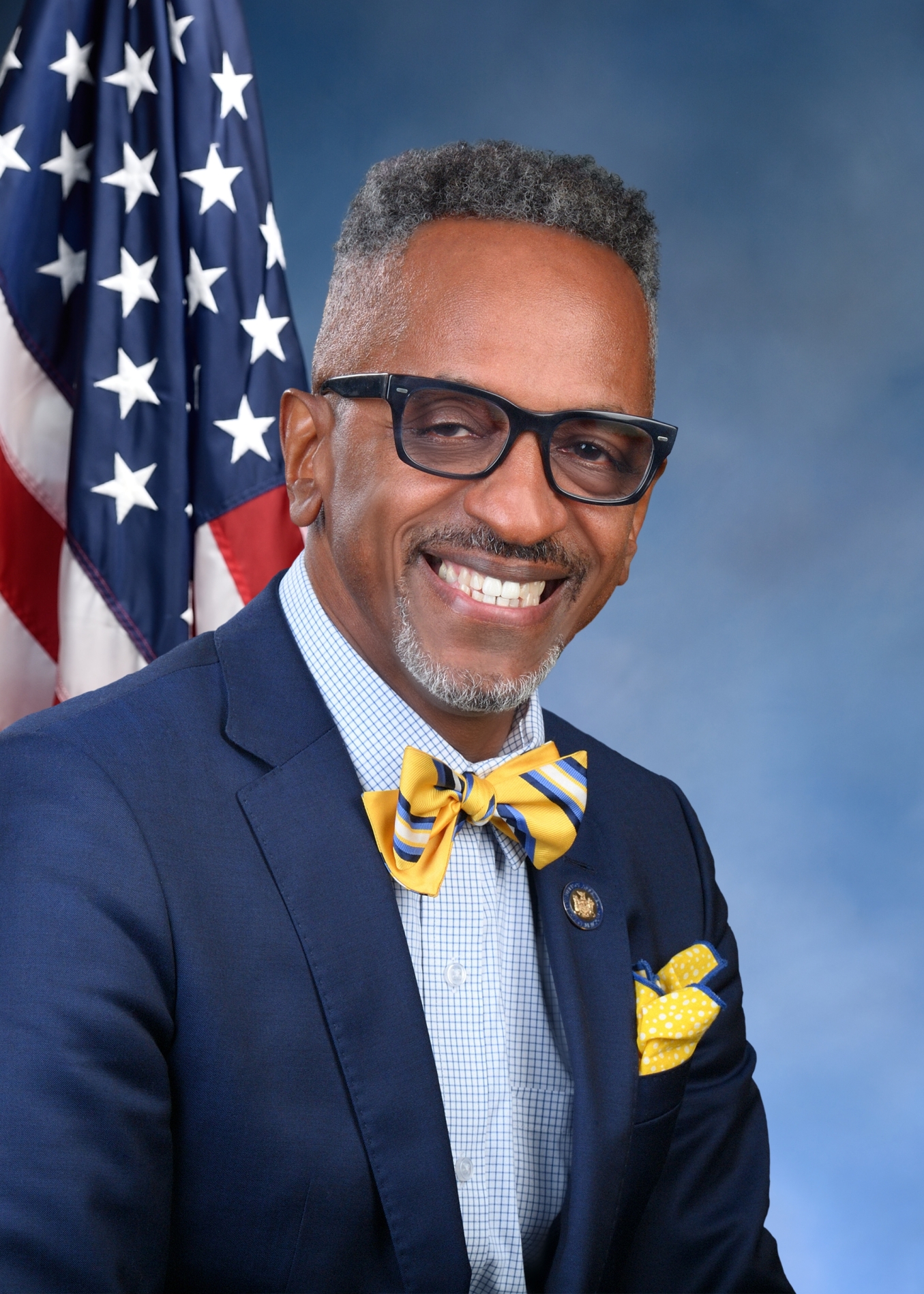
Al Stirpe
100% support rate
Top opponent
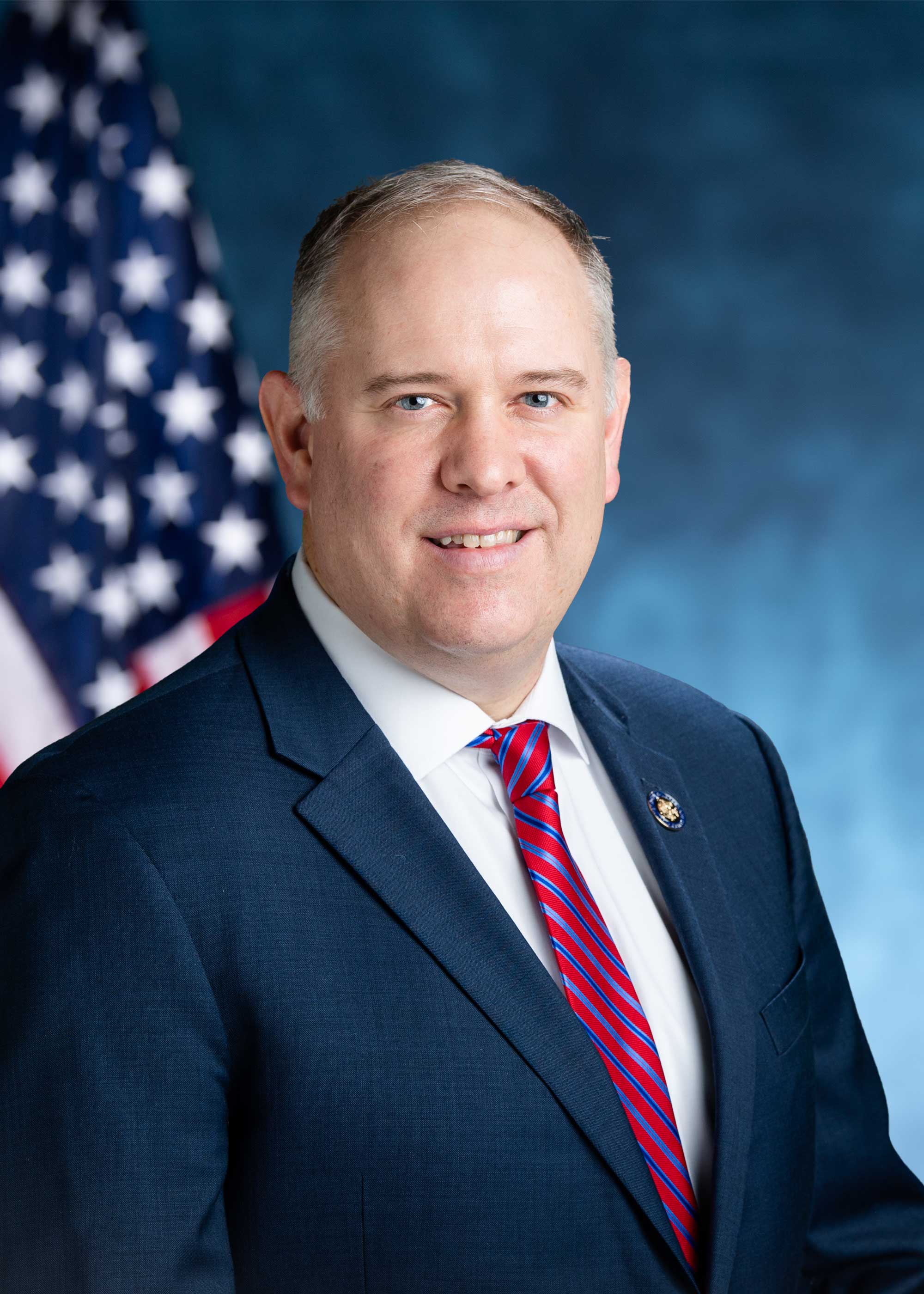
Chris Friend
0% support rate
Ranked legislators
10
5 support · 5 oppose
Key legislators

Who's moving labor & employment in New York

Legislators moving labor & employment in New York
Legislator Party Stance Support rate Decisive votes
Al Stirpe
Al Stirpe House · District 127
D
Strong +
100% 24
Al Taylor
Al Taylor House · District 71
D
Strong +
100% 24
Amy Paulin
Amy Paulin House · District 88
D
Strong +
100% 24
Andrew Hevesi
Andrew Hevesi House · District 28
D
Strong +
100% 24
Bill Conrad
Bill Conrad House · District 140
D
Strong +
100% 24
Chris Friend
Chris Friend House · District 124
R
Strong −
0% 24
Chris Tague
Chris Tague House · District 102
R
Strong −
0% 24
Dave DiPietro
Dave DiPietro House · District 147
R
Strong −
4% 23
Ken Blankenbush
Ken Blankenbush House · District 117
R
Strong −
4% 23
Steve Hawley
Steve Hawley House · District 139
R
Strong −
4% 23
Showing 1,171–1,180 of 1,483 bills

All labor & employment bills

in committee · New York · Assembly Jan 7, 2026

A 7394: Relates to prevailing wage requirements applicable to public works and certain construction projects performed under private contract

Relates to prevailing wage requirements applicable to public works and certain construction projects performed under private contract and paid for with public funds.
in committee · New York · Assembly Jan 7, 2026

A 8999: Relates to wage parity compensation for home care workers

This bill (A 8999) requires home care workers receiving wage parity compensation to be paid directly in cash wages by default, unless they voluntarily and in writing choose to receive part or all as supplemental benefits. It mandates clear, plain-language disclosures to workers about the monetary value, limitations, and their right to opt for cash at any time, prohibiting automatic enrollment in non-cash benefits. Employers cannot deduct wages to fund benefits without explicit, revocable written consent, and unauthorized deductions are deemed unlawful wage violations. The Attorney General and state health/labor departments will enforce these rules, with penalties for noncompliance. The law applies to all home care programs, including the Consumer Directed Personal Assistance Program (CDPAP).
Sub-Topics Labor Standards
in committee · New York · Assembly Jan 7, 2026

A 6033: Establishes a tax credit for direct support professionals and direct care workers

Establishes a tax credit for individuals who serve or are employed as a direct support professional, or direct care worker, up to five thousand dollars for taxpayers who make less than fifty thousand dollars and phased out for individuals who make over one hundred thousand dollars.
Sub-Topics Tax Credits
in committee · New York · Assembly Jan 7, 2026

A 191: Removes labor market attachment requirements for certain disability cases

This bill removes a requirement for workers with permanent partial disabilities to prove ongoing "labor market attachment" to receive ongoing compensation benefits. It directly affects injured workers who have been classified as permanently partially disabled due to work-related injuries. The key change eliminates the need for these claimants to demonstrate continued workforce engagement to maintain benefits, while keeping the existing compensation rate (66.67% of lost wages) and maximum benefit duration limits based on the severity of disability. The bill applies to cases with injury dates after the effective date of related 2017 legislation.
in committee · New York · Assembly Jan 7, 2026

A 297: Expands a certain tax credit for farmers to include the cost of construction of housing for farm workers

This bill expands an existing tax credit for farmers to cover the cost of constructing housing for farm workers. It specifically allows farmers to claim the credit for standard construction materials and labor used to build residential housing occupied by workers employed in their farming operations. The change modifies the tax law to include housing construction under the "eligible costs" for the credit, which previously applied only to equipment and production-related property. This directly affects farmers who build housing for their agricultural workforce in New York. The policy change is a straightforward expansion of an existing tax incentive, with no new eligibility requirements beyond the current credit framework.
passed · New York · Senate Jun 3, 2026

S 4468: Provides family leave to persons recovering from a pregnancy loss

This bill would expand family leave protections to include employees who are recovering from a stillbirth. It directly affects workers who experience pregnancy loss by adding stillbirth recovery to the list of qualifying reasons for taking unpaid leave under the state's workers' compensation law. The key provision amends existing definitions to allow employees to take leave during the first twelve months after a stillbirth, treating it similarly to leave taken to bond with a newborn child. The bill would take effect 90 days after becoming law if it were to pass both legislative chambers.
Sub-Topics Paid Leave
in committee · New York · Assembly Jun 4, 2026

A 5000: Clarifies that the statutory damages available for certain wage violations are not punitive in nature and are designed to compensate workers

Clarifies that the statutory damages available for certain wage violations are not punitive in nature and are designed to be liquidated damages rather than penalties or to compensate workers for the employer's failure to prevent wage theft and for the harm to employees that results from such failure.
in committee · New York · Assembly Jan 7, 2026

A 639: Relates to requiring new employees to be provided certain information relating to student loan repayment information

This bill requires employers in New York to provide new employees with information about student loan repayment options during the hiring process. It directly affects employers hiring for entry-level positions requiring an associate's degree or higher (including post-graduate interns), starting on the bill's effective date. Employers must give newly hired workers written materials covering federal repayment plans, income-based options, consolidation, and public service loan forgiveness programs, plus links to the state's financial services resource center. The materials must be developed by the Labor Commissioner with input from higher education and financial services officials.
in committee · New York · Senate Jan 7, 2026

S 502: Relates to retaliatory actions by employers against employees for certain disclosures

Prohibits retaliatory actions by employers against employees for disclosure of activity which violates a company internal control implemented to prevent fraud or which the employee believes to be fraudulent; makes amendment to whistleblower statute in 2021 retroactive to 2018.
in committee · New York · Senate Jan 7, 2026

S 4309: Authorizes labor unions to work with the city of New York to finance the construction of affordable housing for its members

This bill allows New York City to partner with labor unions representing city employees to finance affordable housing exclusively for those union members. It requires housing units to be occupied by city employees meeting specific criteria: at least one resident must work for the city, live there over half the year, and have combined household income below 125% of the area median income. Leases automatically terminate if residents no longer meet these income or residency requirements. The bill creates a formal mechanism for unions and the city to collaborate on housing projects without conflicting with existing laws. (Summary based on §1154 of the bill text and official abstract.)
Showing 1,171 to 1,180 of 1,483 bills