Issue · Healthcare

Healthcare

Every healthcare bill, vote, and legislator stance in Michigan, automatically classified by Maddy, our AI policy reader.

Total bills
530
2025-2026 Regular Session
Top supporter
Veronica Klinefelt
96% support rate
Top opponent
Jim Runestad
8% support rate
Ranked legislators
10
5 support · 5 oppose
Key legislators

Who's moving healthcare in Michigan

Legislators moving healthcare in Michigan
Legislator Party Stance Support rate Votes
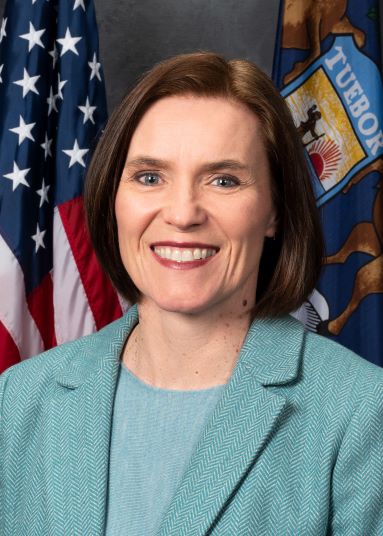
Veronica Klinefelt
Veronica Klinefelt Senate · District 11
D
Strong +
96% 60
Winnie Brinks
Winnie Brinks Senate · District 29
D
Strong +
93% 64
Mallory McMorrow
Mallory McMorrow Senate · District 8
D
Strong +
93% 60
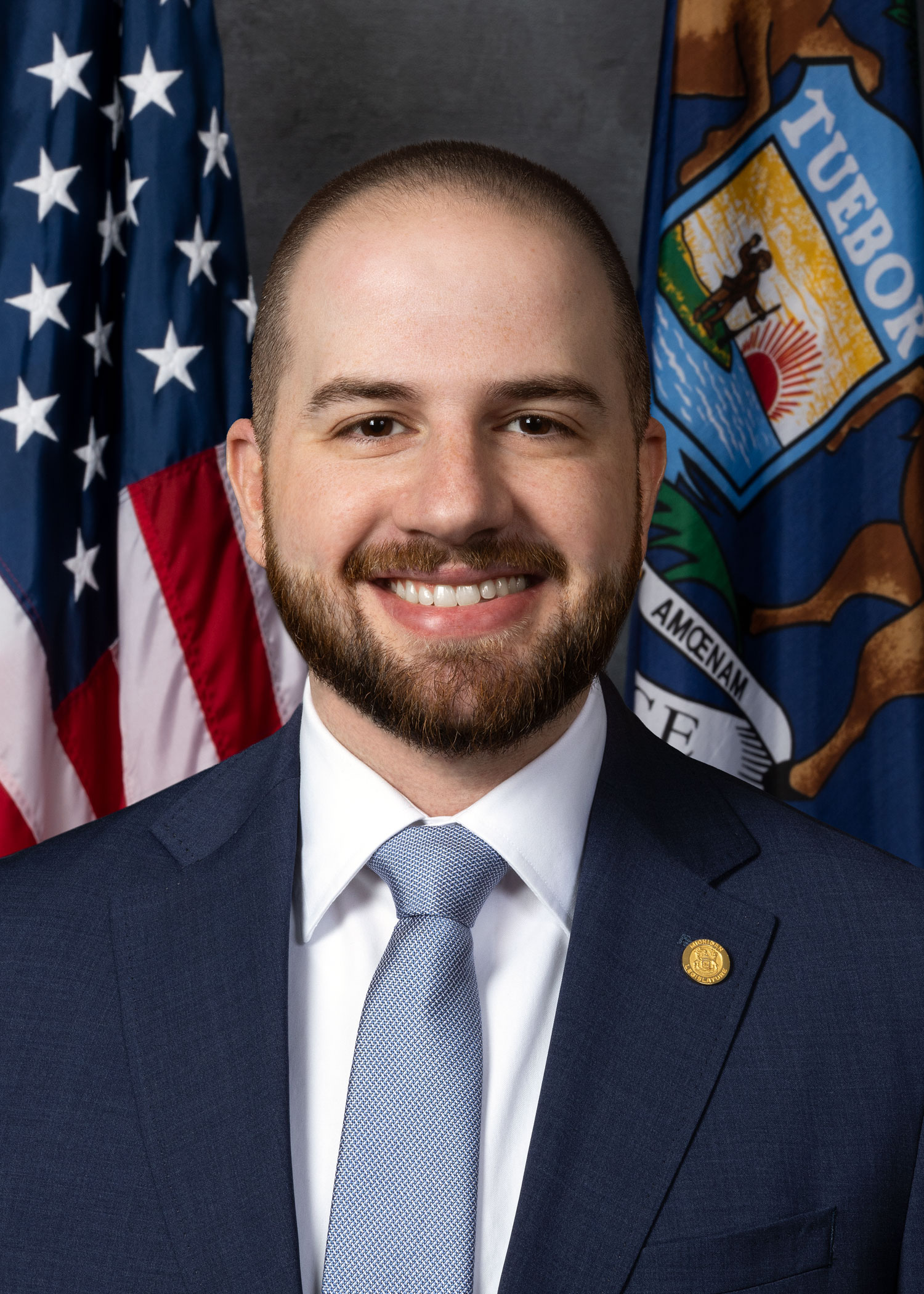
Kevin Hertel
Kevin Hertel Senate · District 12
D
Strong +
93% 63
Jeremy Moss
Jeremy Moss Senate · District 7
D
Strong +
93% 62
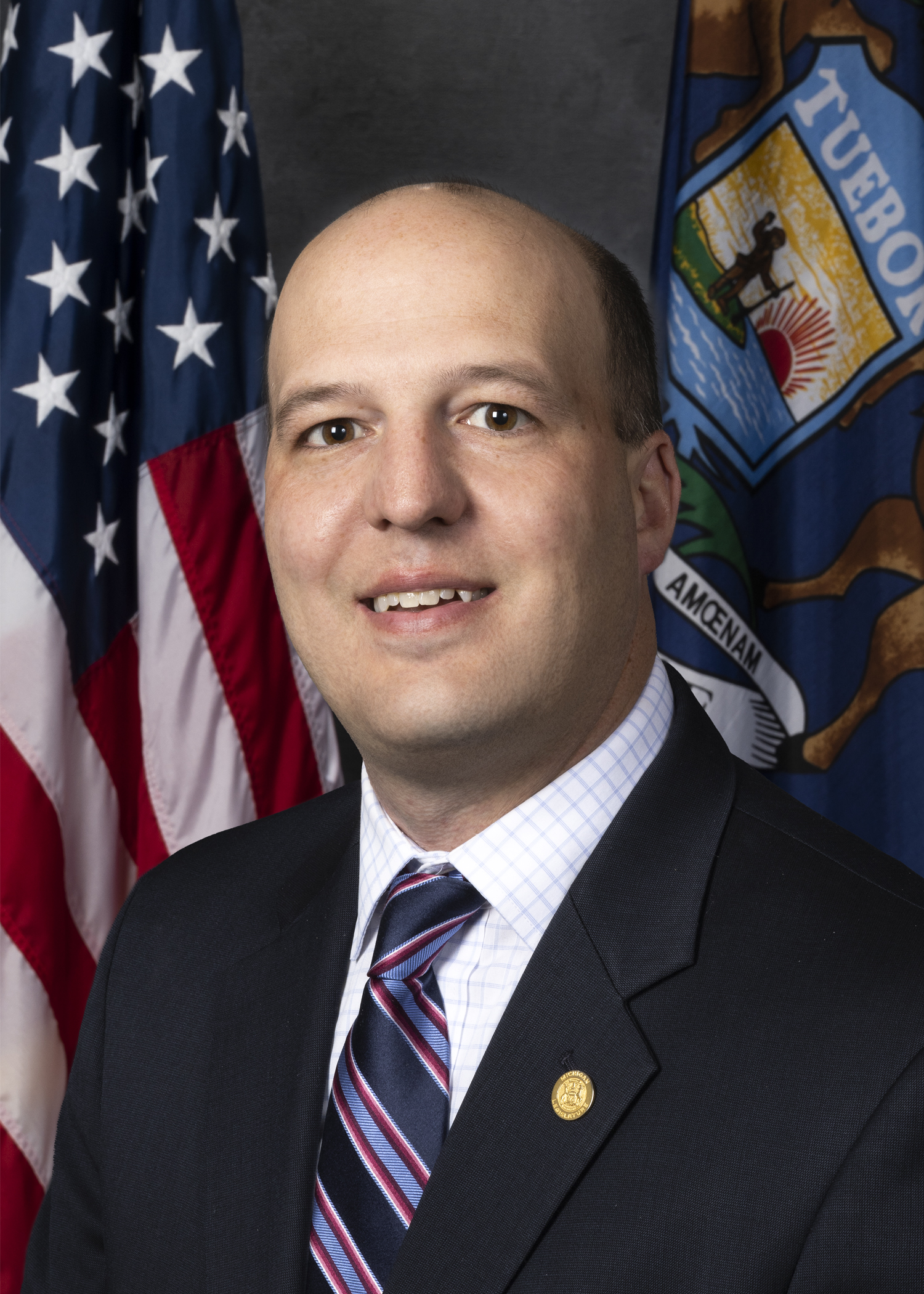
Jim Runestad
Jim Runestad Senate · District 23
R
Strong −
8% 49
Michele Hoitenga
Michele Hoitenga Senate · District 36
R
Strong −
17% 62
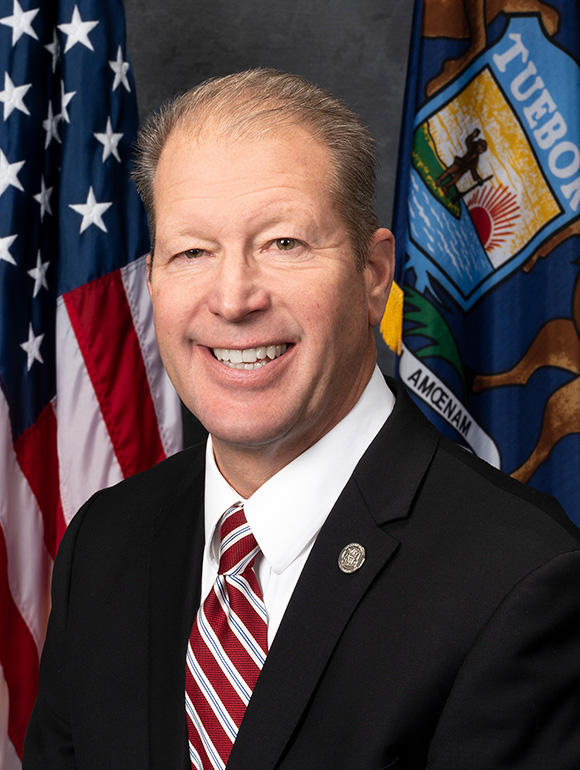
Dan Lauwers
Dan Lauwers Senate · District 25
R
Strong −
17% 63
Thomas Albert
Thomas Albert Senate · District 18
R
Strong −
17% 61
Lana Theis
Lana Theis Senate · District 22
R
Strong −
19% 59
Showing 481–490 of 530 bills

All healthcare bills

passed both · Michigan · House Jan 29, 2026

HB 4734: Human services: county services; designation of a patient surrogate for health care decisions; allow. Amends sec. 66h of 1939 PA 280 (MCL 400.66h).

HB 4734 expands who can legally consent to medical treatment for patients unable to make decisions themselves. It adds "designated surrogates" (people formally appointed under Michigan's Estates Code) to the list of authorized decision-makers, alongside relatives, patient advocates, and guardians. This directly affects patients without decision-making capacity, healthcare providers needing consent, and the individuals authorized to act for them. The bill clarifies that emergency care can still be provided without consent during urgent situations requiring immediate action.
passed · Michigan · House Jan 28, 2026

HB 4878: Health: pharmaceuticals; reporting certain information and regulating certain conduct related to drugs and the federal 340B program; provide for. Creates new act.

HB 4878 regulates Michigan's participation in the federal 340B drug pricing program, which allows qualifying hospitals to purchase drugs at discounted prices. The bill requires drug manufacturers to report annual price increases exceeding 15% for drugs costing over $40 per treatment course (Sec. 7), and mandates hospitals using 340B discounts to spend savings on patient services or community health programs (Sec. 11). Hospitals must also report detailed financial data about 340B drug transactions to the state by November 2026 (Sec. 15). These provisions directly affect drug manufacturers, hospitals, and pharmacies participating in the 340B program, aiming to increase transparency and ensure discounts benefit patient care.
Sub-Topics Prescription Drugs
passed · Michigan · Senate Jul 1, 2025

SB 397: Human services: medical services; exemption of certain prescription drugs from the medical assistance prior authorization process; provide for. Amends sec. 109h of 1939 PA 280 (MCL 400.109h).

SB 397 removes the prior authorization requirement for specific prescription drugs under Michigan's medical assistance program (Medicaid). This directly affects Medicaid beneficiaries and healthcare providers by allowing immediate coverage for designated drugs without waiting for insurer approval. The bill amends state law to automatically cover these medications, eliminating a step that previously delayed access. It applies only to drugs explicitly named in the legislation, streamlining treatment for covered conditions.
passed · Michigan · Senate Jul 1, 2025

SB 400: Insurance: health insurers; prior authorization for certain opioid use disorder and alcohol use disorder medications; prohibit. Amends 1956 PA 218 (MCL 500.100 - 500.8302) by adding sec. 3406ww.

SB 400 prohibits Michigan health insurers from requiring prior authorization for medications treating opioid use disorder or alcohol use disorder. This directly affects health insurance companies and patients seeking these specific treatments, removing a common administrative barrier. The bill amends Michigan’s Insurance Code to explicitly ban prior authorization requirements for these medications, using the existing definition of "prior authorization" from Section 2212e. The law ensures faster access to evidence-based treatment without insurer delays.
passed · Michigan · Senate Jul 1, 2025

SB 402: Human services: medical services; coverage for street medicine services; require. Amends sec. 109 of 1939 PA 280 (MCL 400.109).

SB 402 requires health insurance plans to cover street medicine services, which provide medical care directly to homeless individuals in non-clinical settings like streets or shelters. The bill amends state law (MCL 400.109) to mandate this coverage, directly affecting homeless residents and healthcare providers offering street-based care. This policy change ensures that street medicine services can be billed through insurance, improving access to healthcare for vulnerable populations who might otherwise avoid traditional clinics. The requirement applies to all health insurers covered under the amended statute.
passed · Michigan · Senate Jul 1, 2025

SB 401: Health: pharmaceuticals; co-prescribing of naloxone with opioid drugs; require. Amends sec. 17744b of 1978 PA 368 (MCL 333.17744b).

SB 401 requires doctors to co-prescribe naloxone - a medication that reverses opioid overdoses - whenever they prescribe opioid painkillers. This directly affects healthcare providers who prescribe opioids and their patients, mandating that naloxone be provided at the same time as the opioid prescription. The bill amends existing law to make this co-prescribing a standard requirement, not an option. It aims to reduce opioid overdose deaths by ensuring patients have immediate access to naloxone when prescribed opioids. The bill passed the legislature with strong support on July 1, 2025.
Sub-Topics Substance Abuse
passed · Michigan · Senate Jul 1, 2025

SB 403: Health occupations: pharmacists; dispensing certain addiction medications without undue delay; require. Amends 1978 PA 368 (MCL 333.1101 - 333.25211) by adding sec. 7333c.

SB 403 requires Michigan pharmacists to dispense certain medications used to treat addiction without unnecessary delay. This directly affects pharmacists who handle these medications and patients seeking treatment for substance use disorders. The bill amends Michigan's Pharmacy Act (MCL 333.1101 et seq.) by adding a new provision that eliminates administrative barriers causing delays in providing these critical medications. It establishes a clear requirement for prompt dispensing while maintaining pharmacists' existing professional responsibilities.
passed both · Michigan · House Jan 29, 2026

HB 4419: Probate: other; designation of a patient surrogate for health care decisions; allow. Amends 1998 PA 386 (MCL 700.1101 - 700.8206) by adding secs. 5605 & 5606. TIE BAR WITH: HB 4418'25

HB 4419 adds legal protections to Michigan's health care decision-making framework. It shields health care providers and facilities from liability when following decisions made by a legally designated patient surrogate or advocate, as long as they act in good faith. The bill also protects surrogates and advocates from liability for good-faith health care decisions they make. Providers who intentionally violate these rules face minimum damages of $1,000, while those who falsify or tamper with a patient's health care directive designation face minimum damages of $2,500. This directly affects patients with advance directives, their designated surrogates, and medical providers.
passed · Michigan · Senate Jun 25, 2025

SB 155: Criminal procedure: sentencing guidelines; sentencing guidelines for certain crimes related to preventing access to a health care facility; enact. Amends sec. 13n, ch. XVII of 1927 PA 175 (MCL 777.13n). TIE BAR WITH: SB 154'25

SB 155 amends sentencing guidelines to address crimes specifically targeting access to healthcare facilities, such as blocking entrances or threatening staff. It would establish new sentencing standards for these offenses under Michigan's criminal code (MCL 777.13n). The bill directly affects individuals convicted of obstructing healthcare access, potentially altering their prison terms or penalties. However, the provided context does not detail the exact sentencing changes or specific crime definitions. This summary is based solely on the bill's title and official reference, without additional policy specifics.
Sub-Topics Sentencing
passed · Michigan · Senate Jun 25, 2025

SB 154: Crimes: other; preventing access to a health care facility; prohibit. Creates new act.

SB 154 makes it a crime to obstruct access to healthcare facilities, such as clinics or hospitals. It directly affects individuals who block entrances, interfere with patients or staff, or prevent access to medical services. The bill creates new criminal penalties for these actions under a newly established legal section. This law applies broadly to all healthcare facilities providing medical services, without specifying particular types of care.
Showing 481 to 490 of 530 bills
Previous 1 48 49 50 53 Next