Issue · Healthcare

Healthcare (Public Health)

Every healthcare bill, vote, and legislator stance in Michigan, automatically classified by Maddy, our AI policy reader.

Total bills
103
2025-2026 Regular Session
Top supporter
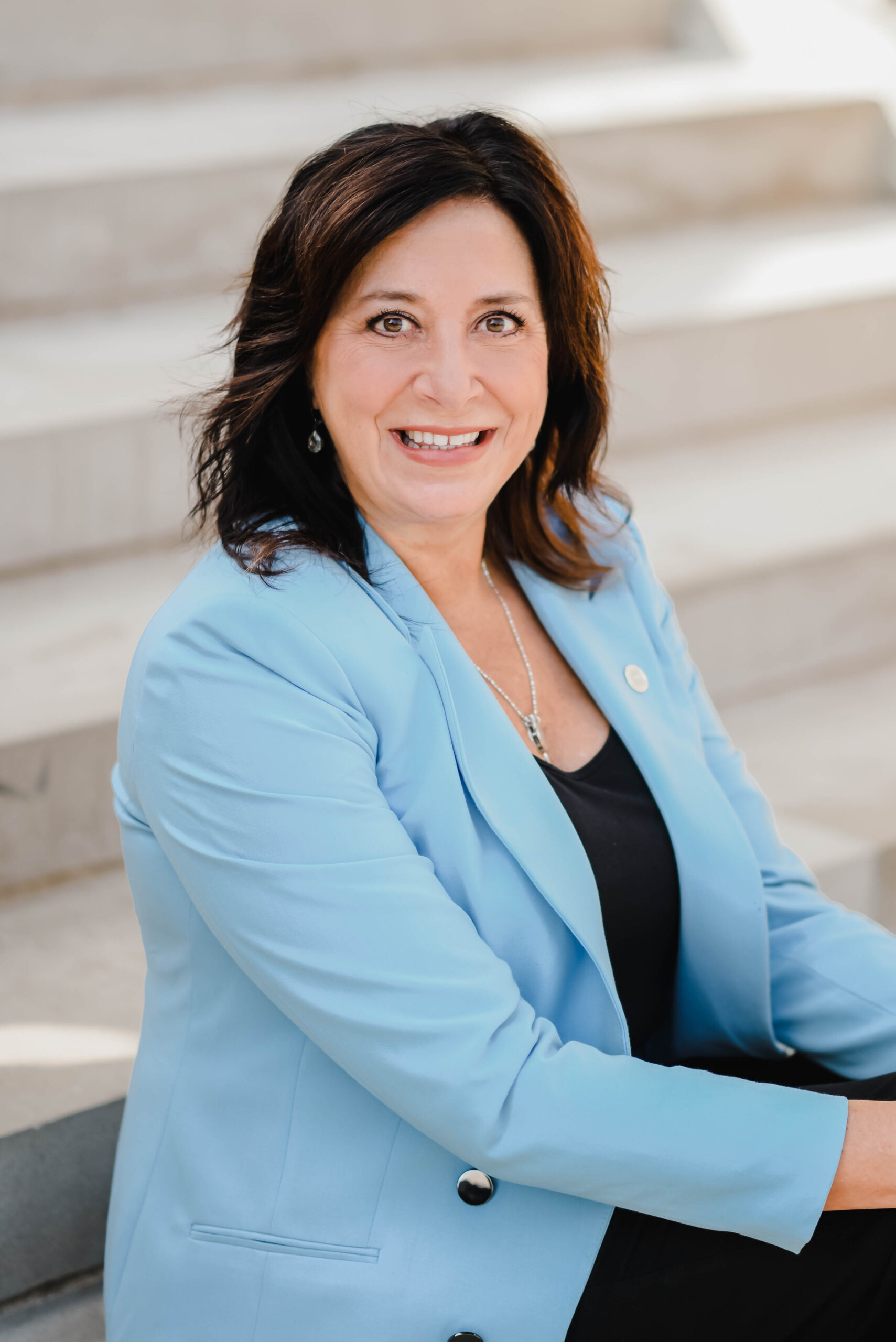
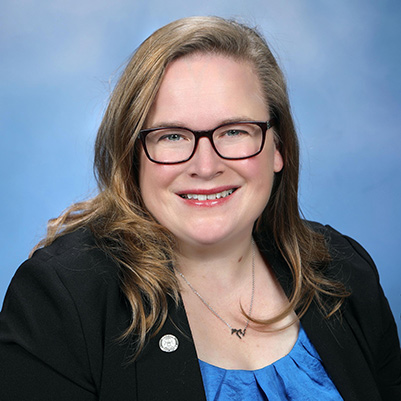
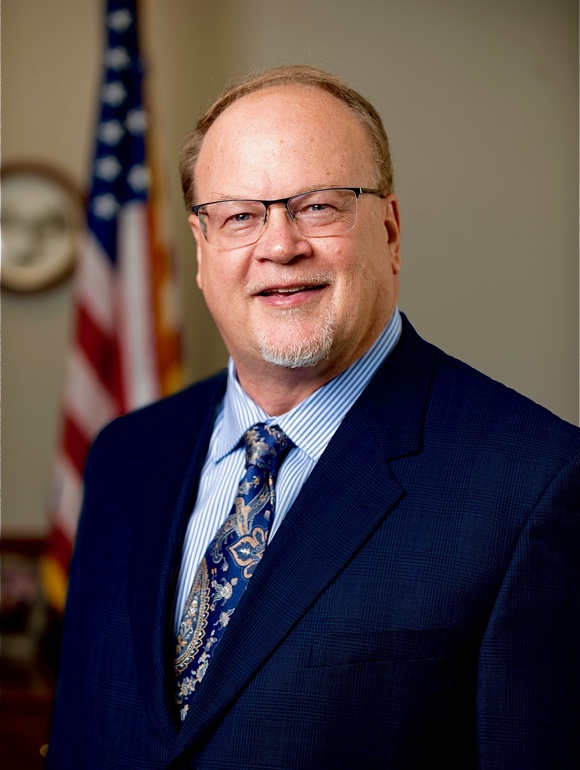
Angela Witwer
100% support rate
Top opponent
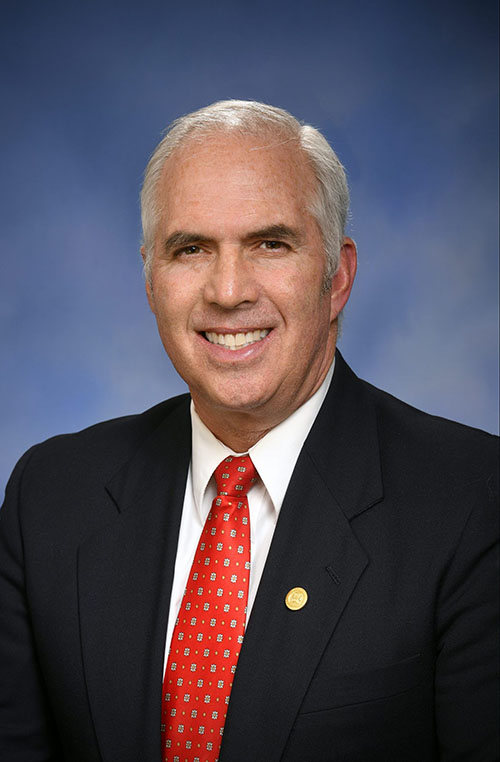
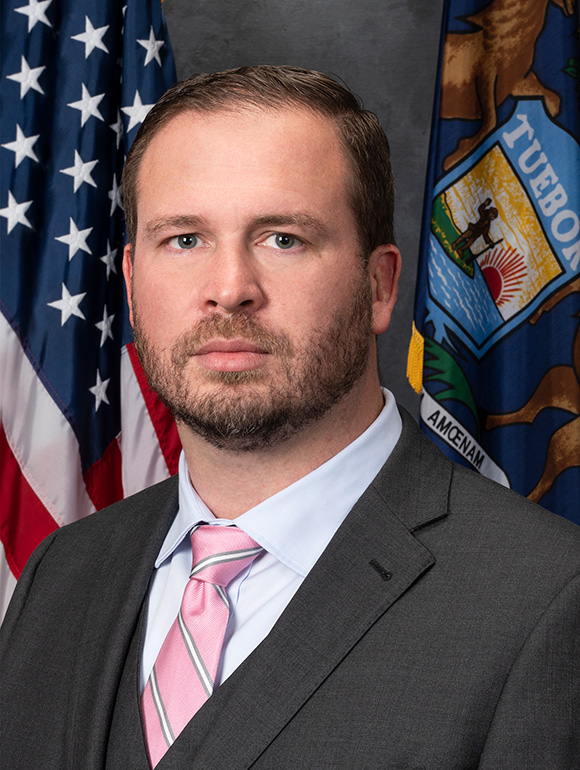
Jim DeSana
0% support rate
Ranked legislators
10
5 support · 5 oppose
Key legislators

Who's moving public health in Michigan

Legislators moving public health in Michigan
Legislator Party Stance Support rate Votes
Angela Witwer
Angela Witwer House · District 76
D
Strong +
100% 4
Betsy Coffia
Betsy Coffia House · District 103
D
Strong +
100% 4
Denise Mentzer
Denise Mentzer House · District 61
D
Strong +
100% 4
John Fitzgerald
John Fitzgerald House · District 83
D
Strong +
100% 4
Kelly Breen
Kelly Breen House · District 21
D
Strong +
100% 4
Jim DeSana
Jim DeSana House · District 29
R
Strong −
0% 4
Aric Nesbitt
Aric Nesbitt Senate · District 20
R
Strong −
0% 3
Dan Lauwers
Dan Lauwers Senate · District 25
R
Strong −
0% 3
Jim Runestad
Jim Runestad Senate · District 23
R
Strong −
0% 3
Jonathan Lindsey
Jonathan Lindsey Senate · District 17
R
Strong −
0% 3
Showing 1–10 of 103 bills

All healthcare bills

in committee · Michigan · Senate Jul 29, 2026

SB 1123: Civil rights: disabilities discrimination; medical treatment discrimination on the basis of disability; prohibit. Amends 1976 PA 220 (MCL 37.1101 - 37.1607) by adding sec. 302a.

Michigan Senate Bill 1123 amends the state's Persons with Disabilities Civil Rights Act to prohibit health facilities from discriminating against patients based on their disability when allocating or providing medical treatment. The bill specifically bans denying care due to stereotypes, assumptions that a patient is a burden, beliefs that disabled lives have lesser value, or reliance on assumed life expectancy metrics. It also requires facilities to provide reasonable accommodations and allow visitation by advocates of the patient's choice, unless safety concerns or legal restrictions apply. While the law applies during public health emergencies, it clarifies that facilities may still deny treatment for legitimate medical reasons, such as when a procedure is not clinically appropriate or when the patient does not consent.
Sub-Topics Public Health Tags People with Disabilities
in committee · Michigan · Senate Jul 15, 2026

SB 1108: Health occupations: counselors; references to limited license counselors and relicensure requirements; modify. Amends secs. 16281, 16905, 18101, 18105, 18106, 18111, 18114 & 18117 of 1978 PA 368 (MCL 333.16281 et seq.). TIE BAR WITH: SB 1107'26

This bill modifies Michigan's Public Health Code to update how limited license counselors are defined and to clarify relicensure requirements for health occupations. It specifically revises sections related to the practice of counseling, including definitions of clinical methods and the scope of services provided by licensed and limited license counselors. The legislation also adjusts provisions regarding the release of medical records during child abuse investigations and clarifies when certain professional privileges do not apply. These changes aim to align the state's regulations with current standards for counseling practices and ensure clear guidelines for professionals in the field.
Sub-Topics Public Health
in committee · Michigan · Senate Jul 15, 2026

SB 1094: Health occupations: psychologists; relicensure to serve as renewal; allow. Amends sec. 18223 of 1978 PA 368 (MCL 333.18223).

Senate Bill 1094 amends Michigan's Public Health Code to update the relicensure rules for licensed psychologists. The bill allows individuals holding a master's degree in psychology to apply for a limited license, provided they have at least one year of supervised postgraduate experience in a healthcare setting. These limited licenses can be renewed and include specific restrictions, such as requiring supervision by a fully licensed psychologist and prohibiting public advertising that suggests independent practice. Additionally, the bill clarifies how temporary licenses for students and those gaining experience count toward renewal requirements.
Sub-Topics Public Health
in committee · Michigan · Senate Jul 15, 2026

SB 1110: Health: licensing; name requirements for licensure; provide for. Amends sec. 16177 of 1978 PA 368 (MCL 333.16177).

This bill updates Michigan's public health code to standardize the information required on professional licensure and renewal applications for healthcare workers. It mandates that applicants provide their full legal name and Social Security number, while ensuring these numbers are not printed on the final license or registration certificate. The legislation also expands disclosure requirements by asking applicants to report felony convictions, specific misdemeanor offenses, out-of-state disciplinary actions, hospital employment details, and written policies for medical record management. Exceptions are made for individuals who are legally exempt from obtaining a Social Security number or who have religious objections to disclosing it.
Sub-Topics Hospitals Medical Licensing Public Health Tags Licensing
in committee · Michigan · Senate Jul 15, 2026

SB 1109: Health: licensing; requirement for working knowledge of the English language; eliminate for health professional licenses and registrations. Amends secs. 16174 & 17062 of 1978 PA 368 (MCL 333.16174 & 333.17062).

This bill removes the requirement for health professionals in Michigan to demonstrate a working knowledge of the English language as a condition for obtaining or maintaining a license. It directly affects individuals seeking licensure or registration in health professions by eliminating the specific clause that mandated this language proficiency. The change is made by deleting the relevant provision from the Public Health Code, ensuring that future rules cannot be created to reinstate this requirement. The bill does not alter other existing licensing standards such as age, education, or criminal background checks.
in committee · Michigan · Senate Jul 15, 2026

SB 1106: Health occupations: mental health care professionals; limited license option for mental health counselors; eliminate. Repeals sec. 18109 of 1978 PA 368 (MCL 333.18109).

This bill removes a specific legal provision that previously allowed mental health counselors to obtain a limited license to practice in Michigan. By repealing Section 18109 of the Public Health Code, the legislation eliminates the existing framework for this particular licensing option. The change directly affects the regulatory environment for mental health counselors and the state's licensing board, which will no longer be able to issue these limited licenses under the old rules.
Sub-Topics Medical Licensing Mental Health Public Health Tags Licensing
in committee · Michigan · House Jun 16, 2026

HB 6076: Health facilities: other; licensure of freestanding abortion clinics; require. Amends secs. 20104, 20106 & 20161 of 1978 PA 368 (MCL 333.20104 et seq.) & adds pt. 207A & sec. 22224d.

This bill proposes changes to Michigan's Public Health Code to establish specific licensure requirements for freestanding abortion clinics. It directly affects healthcare facilities that operate outside of hospitals by mandating they meet new regulatory standards set forth in the added sections. The legislation would require these clinics to obtain a license and comply with updated health and safety provisions outlined in the amended statutes.
in committee · Michigan · House Jun 10, 2026

HB 6060: Health occupations: health professionals; reciprocity for individuals who hold an out-of-state license or registration; modify. Amends secs. 16186 & 16186a of 1978 PA 368 (MCL 333.16186 & 333.16186a).

This bill modifies Michigan's Public Health Code to streamline the licensing process for health professionals who already hold valid credentials in other U.S. states or Canadian provinces. It allows these out-of-state applicants to receive a Michigan license without taking additional examinations if they meet specific criteria, such as having held their current license for at least one year and working in a role that aligns with their existing qualifications. The legislation also creates a separate pathway for veterans, military members, and their dependents to obtain initial licensure without an exam by proving their out-of-state credentials are equivalent to Michigan standards. Additionally, the bill sets a 90-day deadline for the state department to approve or deny applications under these new provisions.
Sub-Topics Medical Licensing Public Health Tags Licensing
in committee · Michigan · House Jun 17, 2026

HB 5985: Health occupations: pharmacists; Michigan essential health provider recruitment strategy; expand to include pharmacists. Amends secs. 2701 & 2705 of 1978 PA 368 (MCL 333.2701 & 333.2705).

This bill expands Michigan's Essential Health Provider Repayment Program to include licensed pharmacists alongside other healthcare professionals. By amending the Public Health Code, it allows the state to repay student loan debt or training expenses for pharmacists who agree to work full-time in designated health resource shortage areas. The program maintains a maximum annual repayment of $40,000 and a total cap of $300,000 over a period of at least 10 years, contingent on the pharmacist fulfilling their service obligation.
Sub-Topics Public Health
in committee · Michigan · Senate May 14, 2026

SB 969: Health facilities: other; definition of covered facility; include hospitals that provide swing bed services. Amends secs. 20173a & 20173b of 1978 PA 368 (MCL 333.20173a & 333.20173b).

SB 969 expands the definition of "covered facilities" in Michigan's public health code to include hospitals that provide swing bed services, in addition to existing nursing homes and similar institutions. This change ensures that these additional hospitals must adhere to the same strict rules regarding the employment and clinical privileges of staff who have direct access to patients. The bill requires facilities to conduct criminal history checks on new employees and prohibits hiring individuals with specific convictions related to violence, abuse, fraud, or drug offenses within certain timeframes. By including swing bed hospitals, the legislation aims to maintain consistent safety standards across a broader range of healthcare settings that care for vulnerable populations.
Sub-Topics Public Health
Showing 1 to 10 of 103 bills
1 2 3 11 Next