Issue · Healthcare

Healthcare

Every healthcare bill, vote, and legislator stance in Michigan, automatically classified by Maddy, our AI policy reader.

Total bills
781
119th Congress
Top supporter
Rashida Tlaib
67% support rate
Top opponent
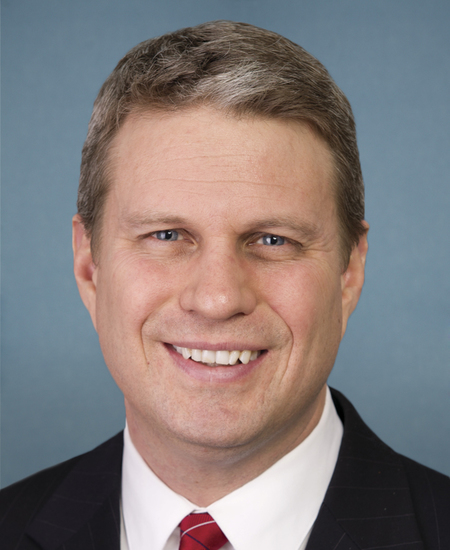
Tom Barrett
33% support rate
Ranked legislators
10
5 support · 5 oppose
Key legislators

Who's moving healthcare in Michigan

Legislators moving healthcare in Michigan
Legislator Party Stance Support rate Votes
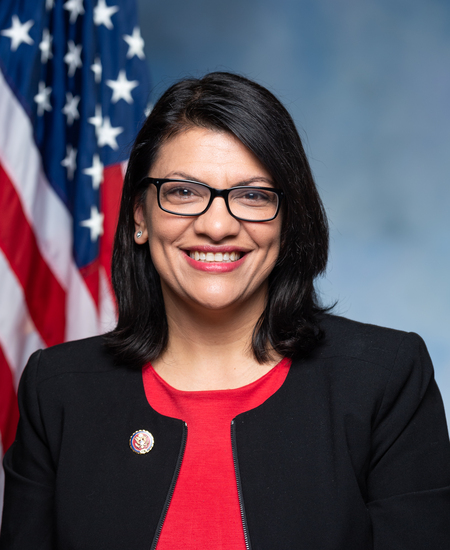
Rashida Tlaib
Rashida Tlaib House · District 12
D
Support
67% 208
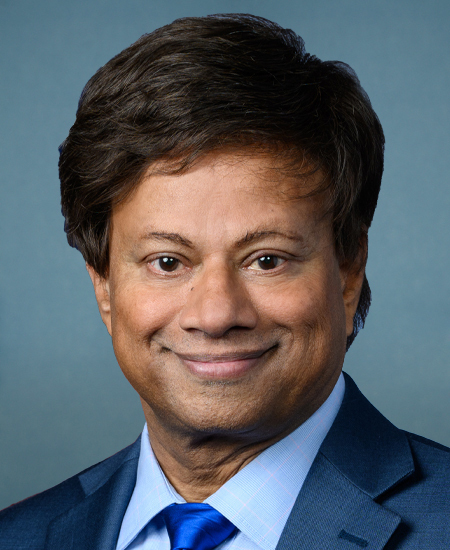
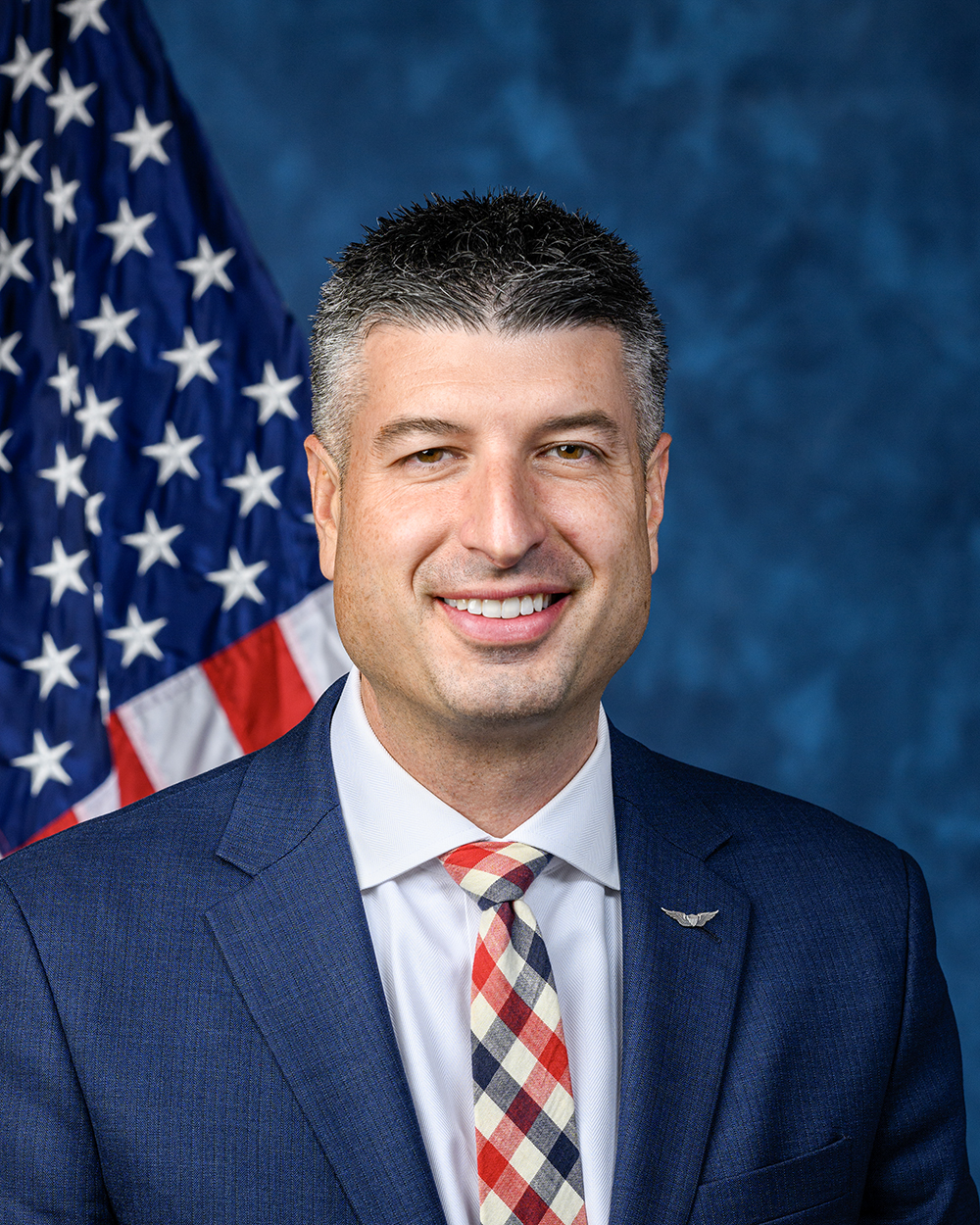
Shri Thanedar
Shri Thanedar House · District 13
D
Support
61% 209
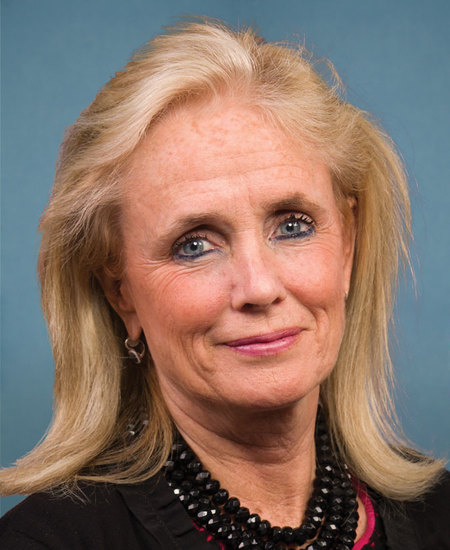
Debbie Dingell
Debbie Dingell House · District 6
D
Mixed
59% 206
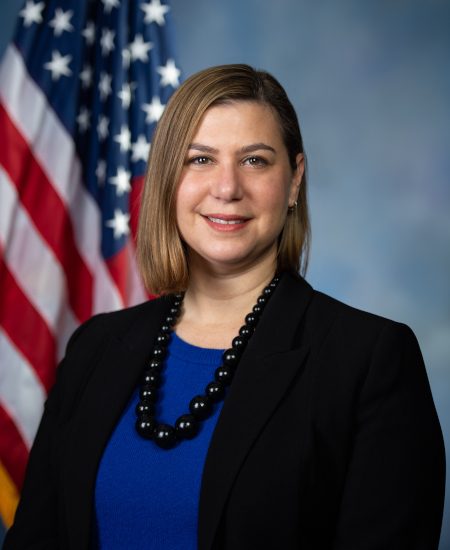
Elissa Slotkin
Elissa Slotkin Senate
D
Mixed
59% 222
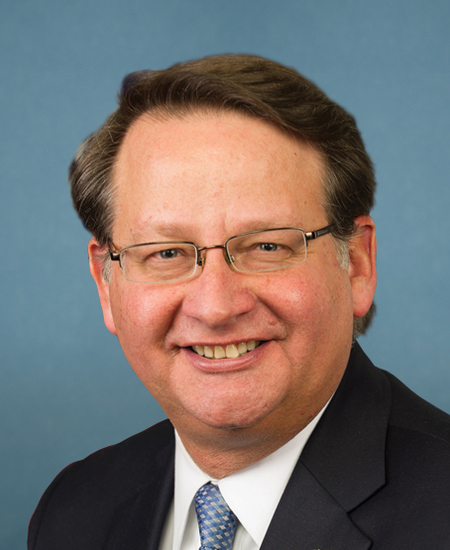
Gary C. Peters
Gary C. Peters Senate
D
Mixed
59% 222
Tom Barrett
Tom Barrett House · District 7
R
Oppose
33% 211
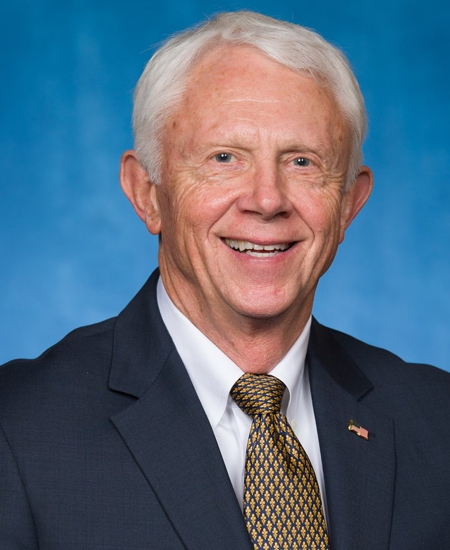
Jack Bergman
Jack Bergman House · District 1
R
Oppose
33% 209
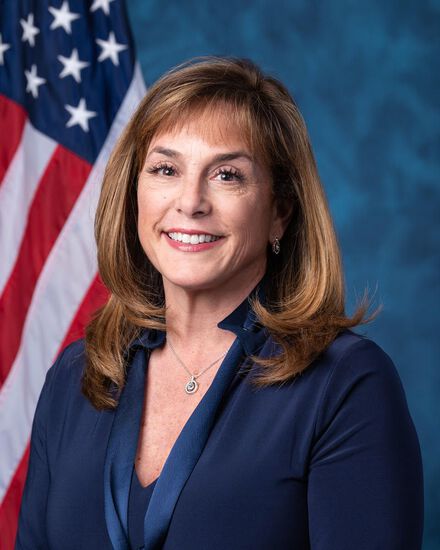
Lisa C. McClain
Lisa C. McClain House · District 9
R
Oppose
33% 209
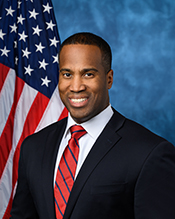
John James
John James House · District 10
R
Oppose
39% 205
Bill Huizenga
Bill Huizenga House · District 4
R
Oppose
39% 210
Showing 1–10 of 781 bills

All healthcare bills

in committee · United States · House Sep 8, 2026

HRES 1514: Recognizing suicide as a serious public health problem, expressing support for the designation of September 8, 2026, as "988 Day" and the role of the 988 Suicide and Crisis Lifeline, and for other purposes.

This House resolution formally recognizes suicide as a significant public health issue in the United States and highlights the impact of the 988 Suicide and Crisis Lifeline on individuals and communities. It commends the establishment of the 988 number as a nationwide three-digit dialing code for crisis support, noting its role in connecting people to mental health resources. The bill supports the designation of September 8, 2026, as "988 Day" to raise awareness about the service and promote access to mental health care. Additionally, it encourages continued public education and federal, state, and local efforts to expand crisis intervention programs for high-risk populations.
in committee · United States · House Jul 23, 2026

HR 9946: Equity in STI Testing Act

The Equity in STI Testing Act requires Medicare Advantage, Medicaid, CHIP, TRICARE, and the Department of Veterans Affairs to cover screening tests for HIV, gonorrhea, syphilis, trichomoniasis, and chlamydia without charging beneficiaries any out-of-pocket costs. The bill directly affects patients enrolled in these federal health programs by eliminating copayments and deductibles specifically for these preventive screenings. It also mandates that the Indian Health Service provide these tests to eligible Native Americans at no cost, regardless of whether the services are typically authorized under their purchased or referred care systems. These changes take effect on different timelines depending on the specific program, with some provisions applying immediately upon enactment and others starting in the following calendar year.
in committee · United States · House Sep 10, 2026

HR 10345: EBOLA Act

The EBOLA Act requires the President to rejoin the World Health Organization within 30 days of enactment and immediately coordinate with that body to address an ongoing Ebola outbreak in Central and Eastern Africa. The legislation authorizes necessary funding to cover U.S. membership fees and financial obligations, as well as voluntary contributions to support international disease response efforts. By mandating this rapid re-entry into the global health agency, the bill aims to enhance the nation's ability to monitor emerging infectious diseases and prevent the spread of the virus to American soil.
Sub-Topics Public Health
in committee · United States · House Sep 10, 2026

HRES 1528: Recognizing suicide as a serious public health problem and expressing support for the designation of September, 2026, as "National Suicide Prevention Month" as well as September 10, 2026, as "World Suicide Prevention Day".

This House resolution formally recognizes suicide as a serious public health problem in the United States and expresses support for designating September 2026 as National Suicide Prevention Month and September 10, 2026, as World Suicide Prevention Day. The bill cites data from the CDC, SAMHSA, and the VA to highlight that suicide is a leading cause of death among young people, veterans, and during the postpartum period, while also noting the significant economic costs associated with it. It declares suicide prevention a national priority and emphasizes that mental health is as important as physical health. The resolution supports the development of strategies to improve access to quality mental health, substance abuse, and suicide prevention services for all communities.
in committee · United States · House Sep 8, 2026

HRES 1519: Supporting the designation of September 17, 2026, as "National Physician Suicide Awareness Day" to raise awareness of, and promote a national discussion about, physician suicide and to reduce the stigma of mental health conditions, and for other purposes.

This House resolution supports designating September 17, 2026, as "National Physician Suicide Awareness Day" to highlight the mental health challenges facing doctors in the United States. The bill cites high levels of stress, burnout, and stigma among physicians as key reasons for establishing this day of reflection and education. It encourages the President to issue a proclamation urging the public to observe the date with awareness campaigns and educational activities. Additionally, the resolution calls for increased research into the barriers that prevent physicians from seeking mental health care.
Sub-Topics Mental Health
in committee · United States · House Jul 27, 2026

HR 9959: Green New Deal for Public Schools Act

The Green New Deal for Public Schools Act directs over $700 billion in federal funding to public schools, prioritizing those serving the most vulnerable communities based on CDC social vulnerability rankings. The legislation establishes a new Office of Sustainable Schools and authorizes grants for "healthy green retrofits" that convert school buildings into zero-carbon facilities with clean air, water, and energy systems, while also providing funds to hire additional educators, mental health professionals, and support staff. Additionally, the bill mandates increased federal funding for special education under the Individuals with Disabilities Education Act and creates a climate resiliency program that allows schools to function as community centers during natural disasters. All grant recipients must adhere to strict labor standards, including prevailing wage requirements, Buy American provisions, and local hiring goals that prioritize residents of the surrounding community.
in committee · United States · House Aug 24, 2026

HR 10140: SPF Act of 2026

The SPF Act of 2026 requires the Director of the National Park Service to submit a report to Congress within one year detailing options for providing free or low-cost mineral-based sunscreen and other sun protection items to park visitors. The bill cites rising skin cancer rates and public health data to support the need for better access to protective measures in national parks. The required report must evaluate potential environmental impacts, ensure products are usable for all skin tones, and propose strategies for increasing visitor awareness about sun safety. Additionally, the report must include specific legislative recommendations for Congress to consider when supporting these efforts.
Sub-Topics Public Health
in committee · United States · House Sep 3, 2026

HR 10252: Launching with Healthcare Act

The Launching with Healthcare Act extends the period during which young adults must be covered under their parents' health insurance plans from age 26 to age 31. This change directly affects individuals up to age 31 and the employers or insurers providing these family coverage plans. The bill amends the Public Health Service Act to implement this new age limit, with the provision taking effect for plan years that begin after December 31, 2026.
in committee · United States · House Sep 1, 2026

HR 10210: Doctors Not AI Act of 2026

The Doctors Not AI Act of 2026 prohibits health insurance plans from using artificial intelligence systems to issue or dictate adverse benefit determinations that involve clinical judgment, such as decisions based on medical necessity or treatment appropriateness. Instead, these determinations must be made by a licensed healthcare professional who conducts an independent evaluation of the patient's specific medical circumstances without deferring to AI outputs. The bill requires insurers to disclose in written notices if any AI system was used during the review process and mandates that detailed documentation regarding the AI's role and outputs be maintained as part of the administrative record, available to patients upon request. Additionally, the legislation classifies the use of AI in utilization review as a treatment limitation for parity purposes, ensuring it is evaluated equally across mental health and medical-surgical benefits under existing federal laws.
in committee · United States · House Jul 22, 2026

HR 9832: Medicare Dental Benefit Act of 2026

This bill amends Medicare to cover dental and oral health services for the first time, affecting all current and future Medicare beneficiaries. It defines covered services to include routine cleanings, fillings, extractions, root canals, crowns, dentures, and emergency care. For most individuals, federal payment for these services will gradually increase from 0% to 80% over an eight-year period, while low-income individuals eligible for prescription drug subsidies will receive 80% coverage immediately. The legislation also establishes frequency limits, such as two cleanings and exams per year and a five-year limit on full dentures, and requires the U.S. Preventive Services Task Force to include at least one oral health professional.
Showing 1 to 10 of 781 bills
1 2 3 79 Next