Issue · Healthcare

Healthcare

Every healthcare bill, vote, and legislator stance in Michigan, automatically classified by Maddy, our AI policy reader.

Total bills
493
2025-2026 Regular Session
Top supporter
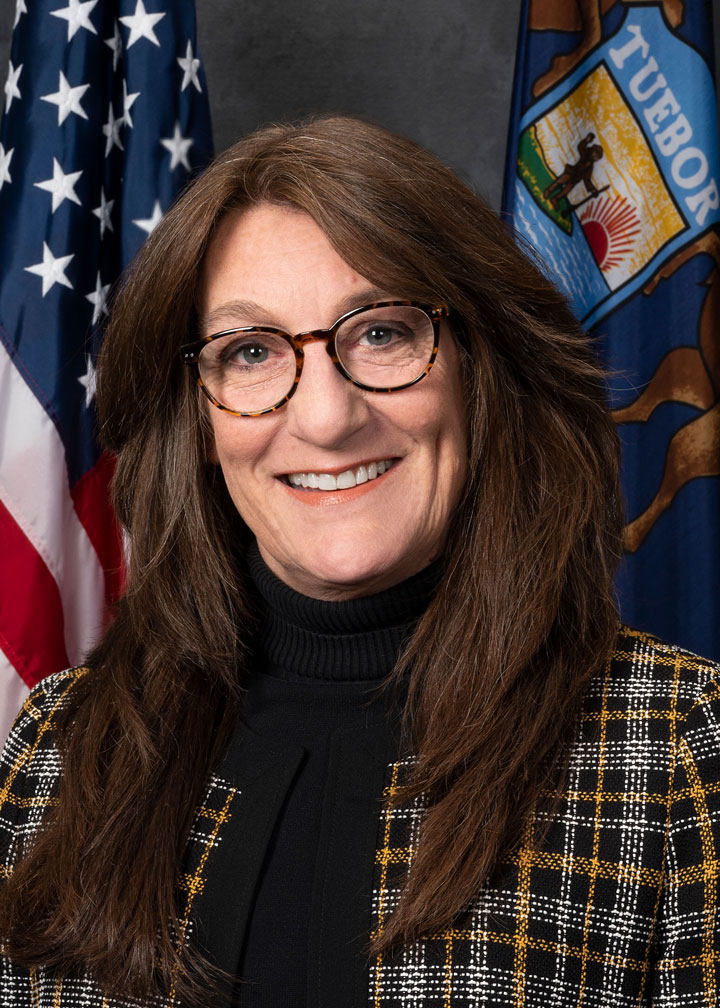
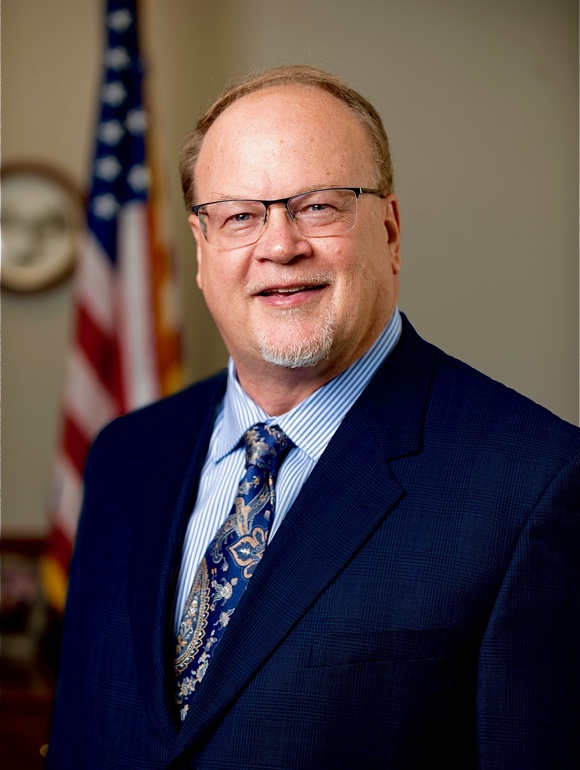
Veronica Klinefelt
96% support rate
Top opponent
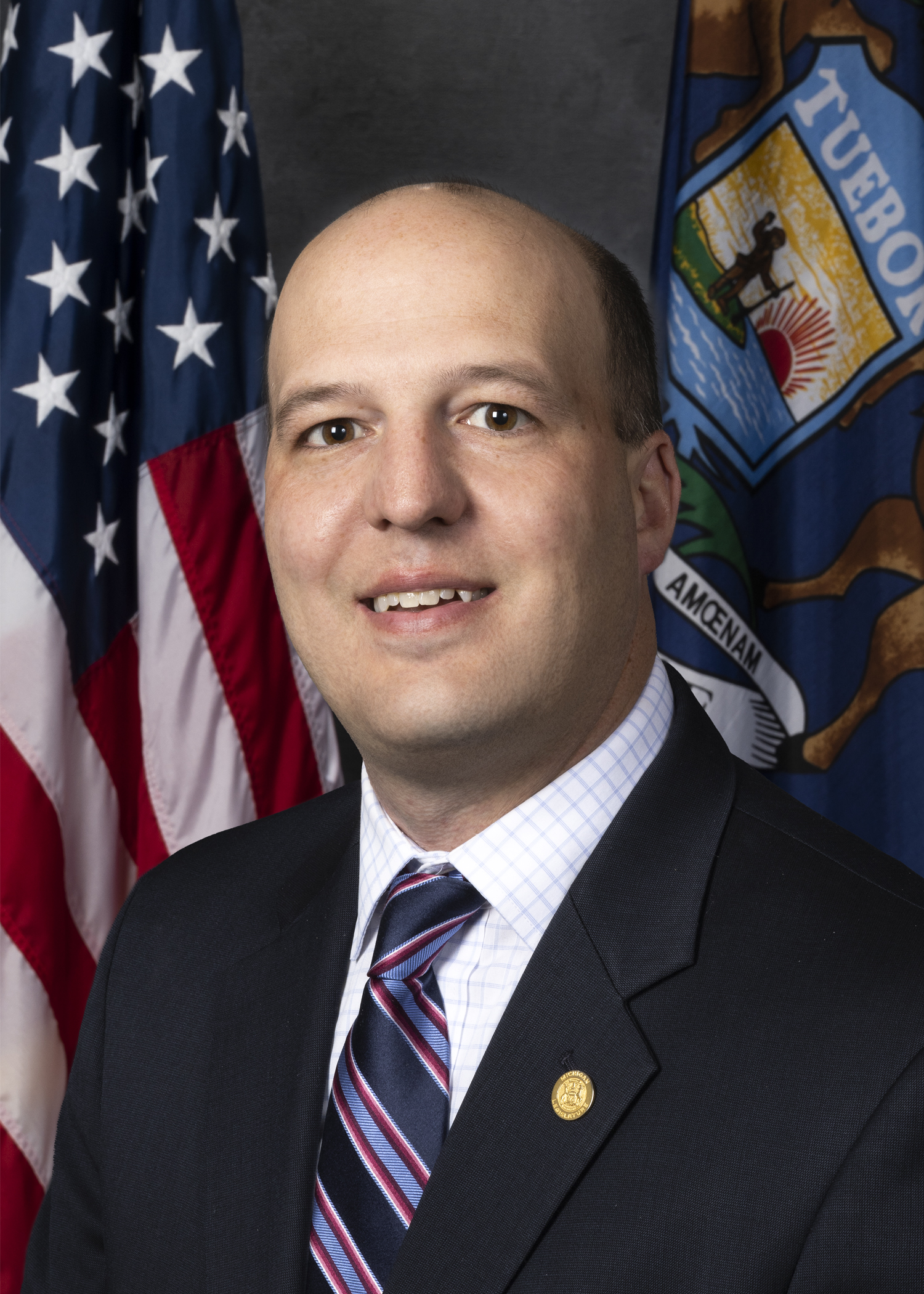
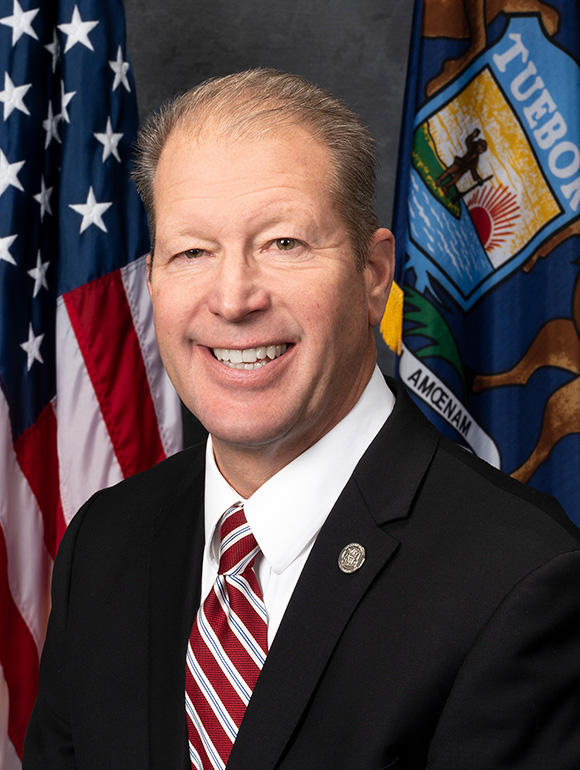
Jim Runestad
8% support rate
Ranked legislators
10
5 support · 5 oppose
Key legislators

Who's moving healthcare in Michigan

Legislators moving healthcare in Michigan
Legislator Party Stance Support rate Votes
Veronica Klinefelt
Veronica Klinefelt Senate · District 11
D
Strong +
96% 60
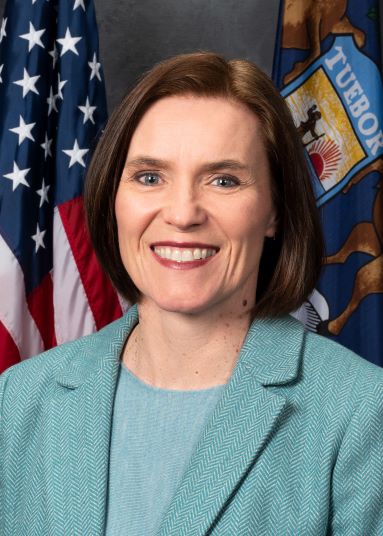
Winnie Brinks
Winnie Brinks Senate · District 29
D
Strong +
93% 64
Mallory McMorrow
Mallory McMorrow Senate · District 8
D
Strong +
93% 60
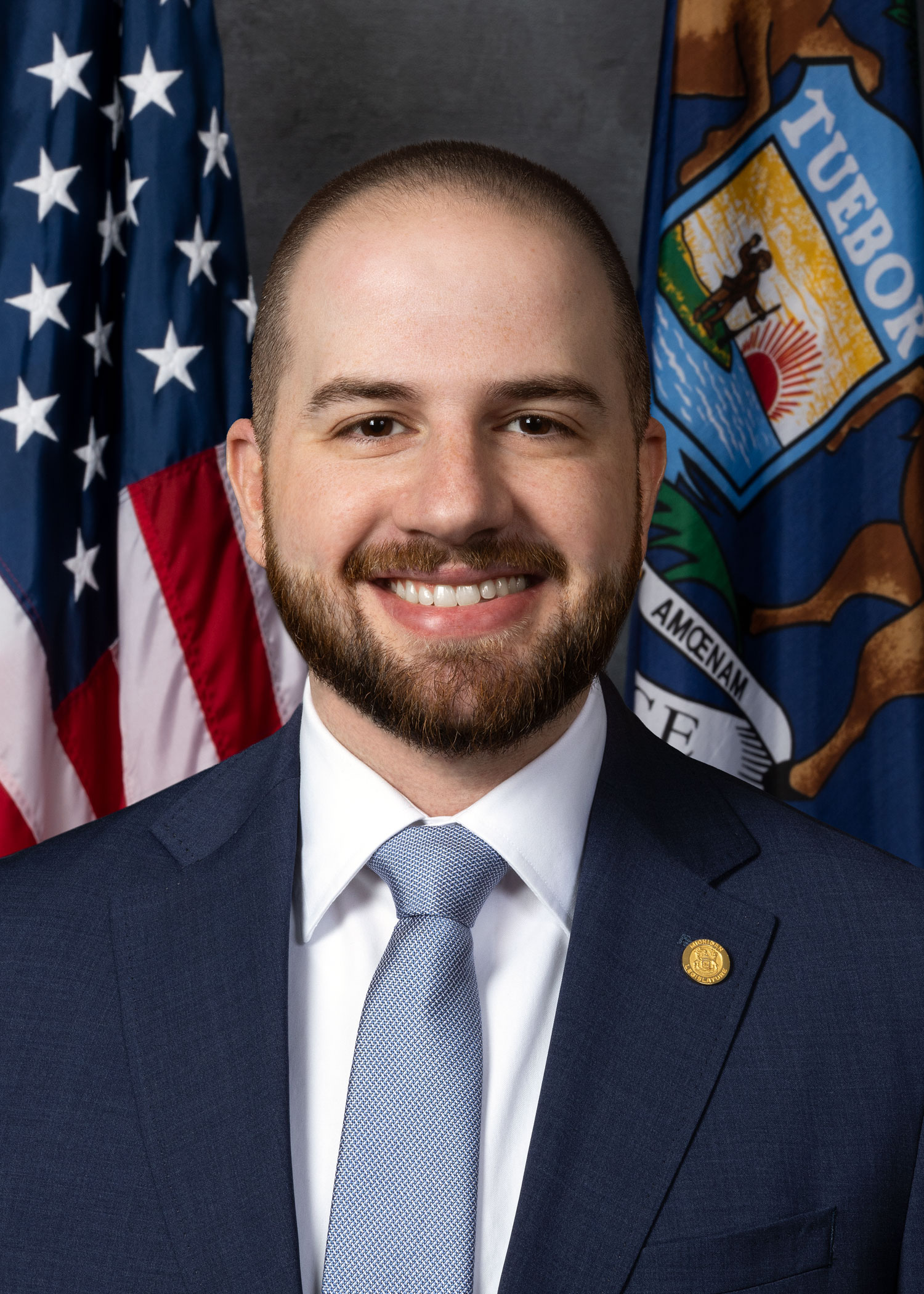
Kevin Hertel
Kevin Hertel Senate · District 12
D
Strong +
93% 63
Jeremy Moss
Jeremy Moss Senate · District 7
D
Strong +
93% 62
Jim Runestad
Jim Runestad Senate · District 23
R
Strong −
8% 49
Michele Hoitenga
Michele Hoitenga Senate · District 36
R
Strong −
17% 62
Dan Lauwers
Dan Lauwers Senate · District 25
R
Strong −
17% 63
Thomas Albert
Thomas Albert Senate · District 18
R
Strong −
17% 61
Lana Theis
Lana Theis Senate · District 22
R
Strong −
19% 59
Showing 1–10 of 493 bills

All healthcare bills

passed · Michigan · House Aug 26, 2026

HR 346: A resolution to declare September 12, 2026, as Recovery Day in the state of Michigan.

This resolution declares September 12, 2026, as Recovery Day in Michigan to honor individuals working toward long-term sobriety and the organizations that support them. It highlights the gap between the number of residents with substance use disorders and those receiving treatment, emphasizing the role of recovery community groups in providing ongoing assistance at a lower cost than clinical care. The measure also directs that a copy of the resolution be sent to the Blue Water Recovery and Outreach Center as a gesture of appreciation.
Sub-Topics Substance Abuse
in committee · Michigan · House Sep 1, 2026

HB 6320: Human services: adult foster care; enhanced standards on adult foster care facilities; provide for. Amends sec. 13 of 1979 PA 218 (MCL 400.713) & adds sec. 28d. TIE BAR WITH: HB 6321'26, HB 6322'26

This bill amends Michigan's Adult Foster Care Facility Licensing Act to strengthen oversight and safety standards for facilities caring for adults. It requires the state department to process licensing applications within six months, with financial penalties for delays, and mandates that applicants undergo criminal history checks through the state police and FBI. The legislation also prohibits concurrent licensing of adult foster care homes as child care homes and bars individuals with specific criminal convictions from holding licenses or having access to residents. New provisions require facilities to conduct annual anonymous resident satisfaction surveys covering areas such as staff empathy, food quality, and safety. Additionally, if unlicensed staff administer medication, the facility must hire a licensed pharmacist or registered nurse to perform semiannual reviews of drug regimens and monitor compliance. These changes take effect only if two companion bills are also enacted into law.
in committee · Michigan · House Sep 1, 2026

HB 6321: Human services: adult foster care; enhanced standards on adult foster care facilities; provide for. Amends secs. 6 & 7 of 1979 PA 218 (MCL 400.706 & 400.707) & adds secs. 9a. 28 & 28a. TIE BAR WITH: HB 6320'26, HB 6322'26

Michigan House Bill 6321 enhances the regulatory standards for adult foster care facilities by requiring the state department to publish online information regarding facility ownership, staff-to-resident ratios, and a five-year history of violations. The bill mandates that facilities post clear complaint procedures and provide new residents with written notices detailing their rights, medication policies, and the distinction between foster care and nursing home services. Additionally, it establishes specific resident rights, including the ability to review health records and past satisfaction surveys, while requiring facilities to maintain a documented internal complaint process that responds to grievances within seven business days.
Sub-Topics Long-Term Care
in committee · Michigan · House Aug 25, 2026

HB 6237: Public employees and officers: compensation and benefits; public employer contribution to medical benefit plan; modify. Amends title & secs. 3, 4 & 5 of 2011 PA 152 (MCL 15.563 et seq.) & adds secs. 3a & 4a.

Michigan House Bill 6237 amends the Publicly Funded Health Insurance Contribution Act to modify how public employers pay for employee medical benefits. The bill retains existing options that cap employer contributions at specific dollar amounts or limit them to 80% of total plan costs, with annual adjustments based on healthcare inflation. Starting in 2027, the legislation introduces new requirements mandating that public employers pay a minimum amount toward these plans, effectively establishing a floor for employer contributions rather than just a ceiling. These changes apply to state and local government employees and elected officials, while existing collective bargaining agreements are generally exempt until they expire or are renegotiated.
in committee · Michigan · House Sep 1, 2026

HB 6293: Health: other; program to increase recruitment, placement, and retention of nurses in certain areas of this state; establish. Amends 1978 PA 368 (MCL 333.1101 - 333.25211) by adding pt. 27A.

Michigan House Bill 6293 establishes the MiNURSES program within the state health department to increase the recruitment, placement, and retention of primary care nurses in rural and urban underserved areas. The bill provides financial assistance for nursing education loans or scholarships to nurses who agree to a two-year service obligation working full-time in designated underserved locations. Payments are made as lump sums at the end of each year of service, funded by a new state treasury account that can receive money from various sources. An advisory commission is created to make recommendations on program operations, and the department must publish an annual report detailing the program's cost-effectiveness, successes, and challenges.
in committee · Michigan · House Sep 1, 2026

HB 6319: Mental health: code; definition of mental health professional; expand to include physician assistants, certified nurse practitioners, and clinical nurse specialists-certified, and allow them to perform certain examinations. Amends (See bill).

Michigan House Bill 6319 amends the state's Mental Health Code to expand the legal definition of a "mental health professional" to include physician assistants, certified nurse practitioners, and clinical nurse specialists. This change allows these three groups of healthcare providers to perform specific clinical functions previously reserved for physicians or psychiatrists, such as conducting physical examinations for involuntary treatment petitions and authorizing the use of physical restraints or seclusion in mental health facilities. The bill also updates related definitions and procedural requirements throughout the code to ensure these new professionals are recognized in contexts involving patient rights, court hearings, and facility safety protocols.
in committee · Michigan · House Sep 1, 2026

HB 6279: Corrections: state facilities; certain health and safety standards in state correctional facilities; provide for. Amends 1953 PA 232 (MCL 791.201 - 791.285) by adding secs. 67c, 67e & 67f.

Michigan House Bill 6279 amends the state's corrections code to require the Department of Corrections to provide prisoners with timely access to medical, dental, optical, and mental health care while ensuring privacy and dignity during treatment. The legislation mandates that the department identify and address the needs of prisoners with disabilities by providing assistive equipment such as wheelchairs and hearing aids. Additionally, it requires the maintenance of safe environmental conditions, including proper sanitation and ventilation, to prevent risks to prisoner health. Prisoners who believe these standards are not met can file grievances through the existing departmental system.
in committee · Michigan · House Sep 1, 2026

HB 6274: Human services: medical services; basic health program for certain low-income residents; establish. Amends 1939 PA 280 (MCL 400.1 - 400.119b) by adding secs. 112l, 112m, 112n, 112o & 112p.

Michigan House Bill 6274 establishes a state basic health program to provide medical coverage for low-income residents who do not qualify for Medicaid or affordable employer-sponsored insurance. The bill targets individuals aged 65 and under with incomes between 133% and 200% of the federal poverty guidelines, as well as lawfully present noncitizens earning below 200% of that threshold. It creates a dedicated trust fund to finance the program and requires the state department to develop a program blueprint for federal certification within six months of forming a stakeholder advisory group. Key provisions include automatic enrollment for individuals transitioning from Medicaid, sliding-scale premiums based on income, and a requirement that no one earning below 133% of the poverty line pay any premiums or cost-sharing.
Sub-Topics Medicaid
in committee · Michigan · House Sep 1, 2026

HB 6289: Health: other; primary care access, improvement, and transformation commission; establish. Creates new act. TIE BAR WITH: HB 6288'26

HB 6289 establishes the Primary Care Access, Improvement, and Transformation Commission within Michigan's Department of Health and Human Services to advise on strategies for expanding access to affordable primary care. The commission will consist of 21 members appointed by the governor from lists provided by various medical, nursing, hospital, and advocacy organizations, representing a broad range of stakeholders including physicians, community health workers, insurers, and patients. Its key duties include recommending ways to increase state spending on primary care by at least 12%, analyzing other states' models and federal innovation programs, and publishing an annual report on workforce trends, payer spending, and the impact of artificial intelligence. The bill also requires the commission to hold regional meetings for public feedback and mandates a review of its continued necessity after eight years, with the act itself expiring ten years after it takes effect.
Sub-Topics Hospitals Primary Care
in committee · Michigan · House Sep 1, 2026

HB 6292: Health occupations: physicians; Michigan doctors in underserved, rural, and systemic equity settings (MIDOCS) program; establish. Amends 1978 PA 368 (MCL 333.1101 - 333.25211) by adding pt. 27B.

Michigan House Bill 6292 establishes the Michigan Doctors in Underserved, Rural, and Systemic Equity Settings (MiDOCS) program within the state's Department of Health to address physician shortages in underserved communities. The bill requires the department to partner with medical schools to create at least one new primary care residency slot per school and to recruit physicians for these areas. In exchange for a two-year full-time service obligation in an assigned underserved community, the program provides participating physicians with loan repayment assistance paid annually upon completion of their service. Additionally, the legislation creates a dedicated state fund to finance the program and establishes an advisory commission composed of health sector representatives to guide its implementation and oversight.
Showing 1 to 10 of 493 bills
1 2 3 50 Next