Issue · Labor & Employment

Labor & Employment (Collective Bargaining)

Every labor & employment bill, vote, and legislator stance in California, automatically classified by Maddy, our AI policy reader.

Total bills
30
2025-2026 Regular Session
Top supporter
Buffy Wicks
100% support rate
Top opponent
Diane Dixon
0% support rate
Ranked legislators
10
5 support · 5 oppose
Key legislators

Who's moving collective bargaining in California

Legislators moving collective bargaining in California
Legislator Party Stance Support rate Votes
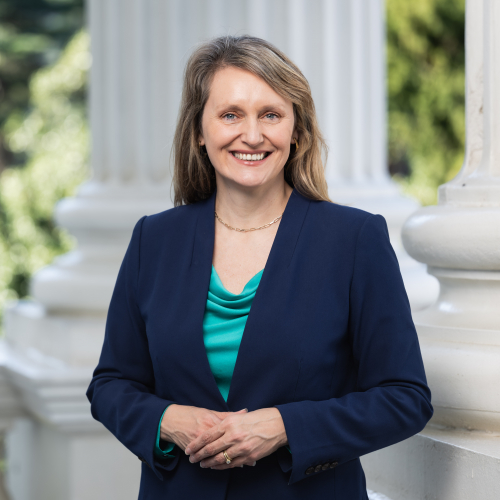
Buffy Wicks
Buffy Wicks House · District 14
D
Strong +
100% 16
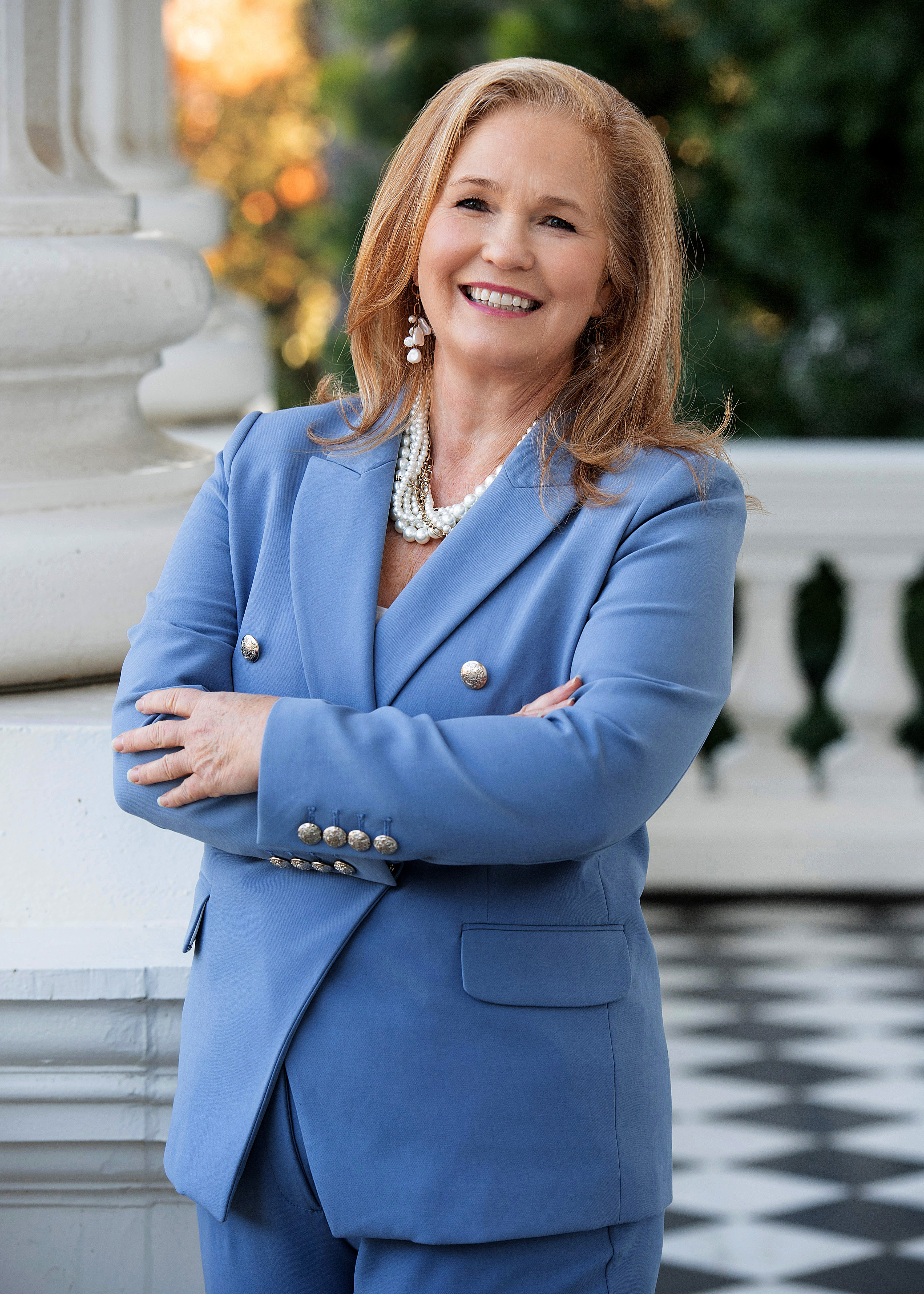
Gail Pellerin
Gail Pellerin House · District 28
D
Strong +
100% 16
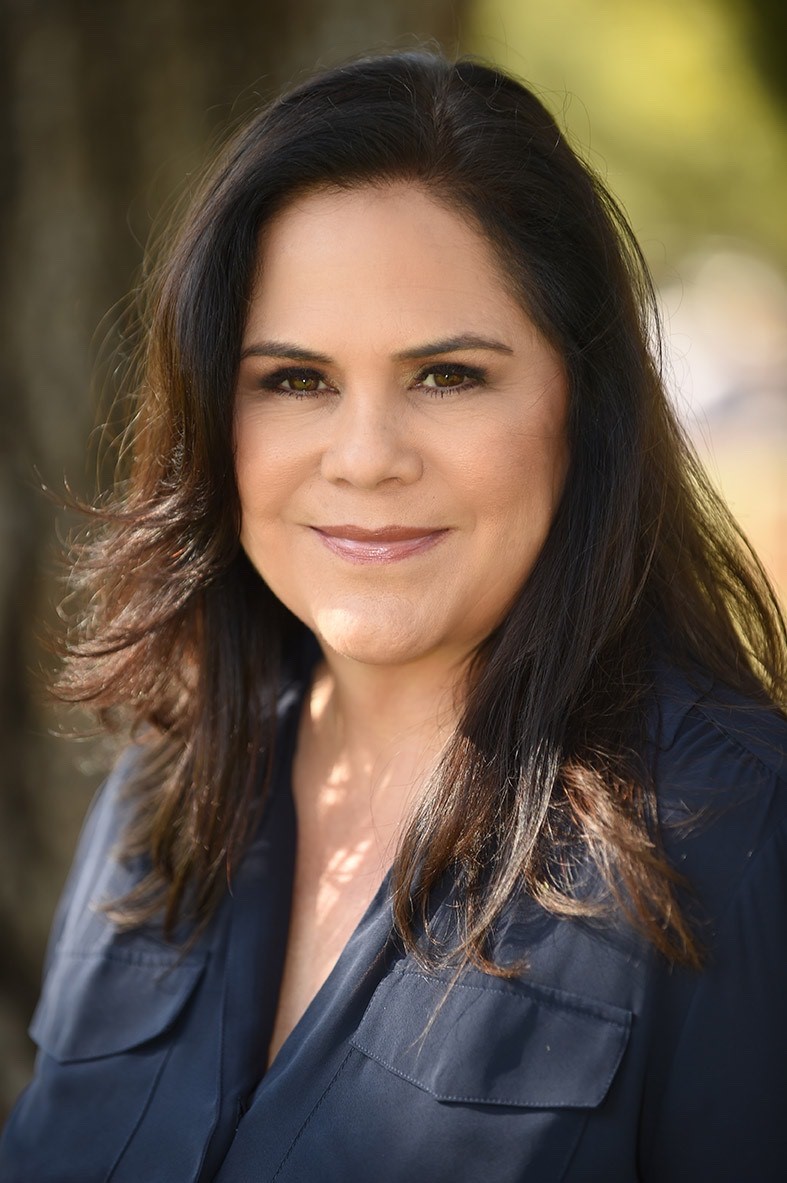
Jessica Caloza
Jessica Caloza House · District 52
D
Strong +
100% 15
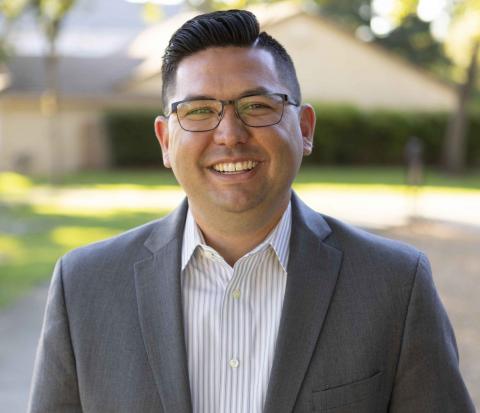
Lisa Calderon
Lisa Calderon House · District 56
D
Strong +
100% 15
MG
Mark González House · District 54
D
Strong +
100% 15
Diane Dixon
Diane Dixon House · District 72
R
Strong −
0% 16
Ali Macedo
Ali Macedo House · District 33
R
Strong −
0% 10
Joshua Hoover
Joshua Hoover House · District 7
R
Strong −
0% 10
Carl DeMaio
Carl DeMaio House · District 75
R
Strong −
0% 9
Heather Hadwick
Heather Hadwick House · District 1
R
Strong −
0% 8
Showing 1–10 of 30 bills

All labor & employment bills

in committee · California · Assembly Mar 2, 2026

AB 2070: Employees: meal periods: construction industry.

Existing law generally prohibits an employer from employing an employee for a work period of more than 5 hours per day without providing the employee with a meal period of not less than 30 minutes, except as specified. Existing law also prohibits an employer from employing an employee for a work period of more than 10 hours per day without providing the employee with a 2nd meal period, as prescribed. Existing law creates exceptions from these work limits for employees in specified occupations, including those in a construction occupation, as defined, covered by a valid collective bargaining agreement expressly providing for wages, hours of work, and working conditions. Existing law also authorizes the Industrial Welfare Commission to adopt a working condition order permitting a meal period to commence after 6 hours of work if it determines that the order is consistent with the health and welfare of the affected workers. Existing law charges the Labor Commissioner with enforcement of these provisions. This bill would create an exception from the above-described work period limits for an employee in a construction occupation while the employee is on the jobsite, as specified.
passed both · California · Assembly Aug 26, 2026

AB 1961: Civil actions: protective orders: workplace violence.

Existing law authorizes an employer or collective bargaining representative of an employee who has suffered harassment, unlawful violence, or a credible threat of violence from any individual, to seek a workplace violence restraining order on behalf of the employee and, at the discretion of the court, any number of other employees at the workplace or at other workplaces of the employer. Existing law authorizes one or more representative parties to bring suit for the benefit of a class of parties if the question is one of a common or general interest, of many persons, or when the parties are numerous, and it is impracticable to bring them all before the court. This bill would authorize an employer to seek a workplace violence restraining order on behalf of all employees at the employer's workplace or a location at which a group of employees perform their primary job duties if harassment, unlawful violence or a credible threat of violence is directed at that workplace or location. The bill would not require an employer to name any individual employee as a protected party if the employer seeks a workplace violence restraining order on behalf of all employees at the employer's workplace or a location at which a group of employees perform their primary job duties. This bill would require the Judicial Council, on or before January 1, 2028, to adopt or modify its forms, as specified. This bill would incorporate additional changes to Section 527.8 of the Code of Civil Procedure proposed by AB 2179 to be operative only if this bill and AB 2179 are enacted and this bill is enacted last. This bill would incorporate additional changes to Section 527.8 of the Code of Civil Procedure proposed by AB 1753 to be operative only if (1) this bill and AB 1753 are both enacted, (2) AB 2179 is not enacted or as enacted does not amend Section 527.8 of the Code of Civil Procedure, and (3) this bill is enacted last.
passed · California · Senate Aug 13, 2026

SB 966: Refinery and chemical plants.

Existing law, the California Refinery and Chemical Plant Worker Safety Act of 1990, requires the Occupational Safety and Health Standards Board and the Division of Occupational Safety and Health to promote worker safety through implementation of training and process safety management practices in refineries, chemical plants, and other appropriate facilities, including by adopting process safety management standards and regulations. The act defines "process safety management" and other terms for its purposes. The act also requires an employer to develop and maintain written safety information, emergency action plans, operating procedures, procedures to manage changes, and inspection and testing programs. This bill would require an employer, in consultation with employees and employee representatives, to develop, implement, and maintain a written plan to effectively provide for employee participation in all process safety management elements. The bill would also require, on or before April 1, 2027, an employer, in consultation with employee and employee representatives, to develop and implement stop work procedures and procedures for reporting and responding to hazards, as specified. The bill would require an employer to document specific information relating to a partial or complete shut down of an operation or process and reports of hazards. The bill would provide how employees who are and who are not represented by an authorized collective bargaining agent participate in the development of these plans and procedures.
passed both · California · Assembly Aug 26, 2026

AB 2078: Employees: meal periods: stationary engineers.

Existing law generally prohibits an employer from employing an employee for a work period of more than 5 hours per day without providing the employee with a meal period of not less than 30 minutes. Existing law creates exceptions from this prohibition for employees in specified occupations, including employees of an electrical corporation, a gas corporation, a water corporation, or a local publicly owned electric utility covered by a valid collective bargaining agreement meeting certain conditions. Existing law charges the Labor Commissioner with enforcement of these provisions. This bill would also create an exception from the above-described prohibition for employees who perform building maintenance work as a stationary engineer, as defined, covered by a valid collective bargaining agreement meeting certain conditions.
passed · California · Assembly Aug 30, 2026

AB 1841: State holidays: Native American Day.

Existing law entitles state employees to a paid holiday on specific days, including the 3rd Monday in February, except as specified. Existing law, in addition, authorizes state employees to elect to use 8 hours of vacation, annual leave, compensating time off, or personal holiday credit corresponding with specific dates, including the 4th Friday in September, known as "Native American Day," as specified. This bill would, upon appropriation by the Legislature, entitle state employees to a holiday on the 4th Friday in September, known as "Native American Day," as specified, in lieu of the above-described election. The bill would authorize any state bargaining unit to negotiate for a paid holiday on Native American Day, as specified. This bill would incorporate additional changes to Sections 19853 and 19853.1 of the Government Code proposed by AB 2017 and SB 1394 to be operative only if this bill and either or both of those bills are enacted and this bill is enacted last.
Sub-Topics Collective Bargaining Tags Tribal Nations
passed both · California · Assembly Aug 28, 2026

AB 1818: California State University: employer-employee relations: meeting and conferring.

Existing law grants to higher education employees the right to form, join, and participate in the activities of employee organizations for purposes of representation on all matters of employer-employee relations and for the purpose of meeting and conferring. Existing law, for the California State University, prohibits written memoranda reached that require budgetary or curative action by the Legislature or other agencies from being effective unless that action has been taken, and requires an appropriate request for financing or budgetary funding for all state-funded employees or for necessary legislation to be forwarded to the Legislature and the Governor or other funding agencies. Existing law requires the entire memorandum to be referred back to the parties for further meeting and conferring when the memorandum requires legislative action and the Legislature or the Governor fails to fully fund the memorandum or take the requisite curative action, except as specified. This bill would require the above-described determination of whether a memorandum requires legislative action and the Legislature or the Governor fails to fully fund the memorandum or take the requisite curative action to be made by the Public Employment Relations Board by written notification to the parties.
passed both · California · Senate Aug 27, 2026

SB 1227: Department of Industrial Relations: apprenticeship pilot program.

Existing law provides for the establishment of apprenticeship programs in various trades, to be approved by the Chief of the Division of Apprenticeship Standards within the Department of Industrial Relations in any trade in the state or in a city or trade area whenever the apprentice training needs justify the establishment. This bill would require, on or before January 1, 2029, the Department of Industrial Relations (DIR) and the Department of Human Resources to partner with the bargaining units representing employees of DIR to design and develop an apprenticeship pilot program that addresses DIR's staffing challenges. The bill would require the design, development, and administration of the program to meet specified requirements, including being consistent with the constitutional merit principle applicable to civil service employment. The bill would require the program to meet specified requirements, including that the apprenticeship program classification pay scales be determined by the collective bargaining process. The bill would include related legislative findings and declarations.
passed both · California · Assembly Aug 28, 2026

AB 2129: State employees: compensation: firefighters.

Existing law provides that in order for the state to recruit skilled firefighters for the Department of Forestry and Fire Protection, it is the policy of the state to consider prevailing salaries and benefits prior to making salary recommendations. Existing law requires the Department of Human Resources, in order to provide comparability in pay, to take into consideration the salary and benefits of other jurisdictions employing 75 or more full-time firefighters who work in California. This bill would require the state to bargain in good faith with firefighters who are rank-and-file members of State Bargaining Unit 8, employed by the Department of Forestry and Fire Protection, to reach a competitive range within 15% of the average salary for corresponding ranks in 20 California fire departments agreed to by the exclusive bargaining representative for Bargaining Unit 8 and the Department of Human Resources. The bill would require the state and the exclusive representative for State Bargaining Unit 8 to jointly survey the estimated average salaries for those 20 fire departments and report the findings, as provided. The bill would provide that nothing in the bill creates an entitlement to an automatic salary increase. The bill would require any salary increase for firefighters under these provisions to be implemented through a memorandum of understanding, in accordance with specified procedures governing collective bargaining agreements. The bill would include legislative findings and declarations related to its provisions.
passed both · California · Senate Aug 30, 2026

SB 947: Employment: automated decision systems.

Existing law requires the Department of Technology to conduct, in coordination with other interagency bodies as it deems appropriate, a comprehensive inventory of all high-risk automated decision systems (ADS) that have been proposed for use, development, or procurement by, or are being used, developed, or procured by, any state agency. Existing law establishes the Labor and Workforce Development Agency, which is composed of various departments responsible for protecting and promoting the rights and interests of workers in California, including the Division of Labor Standards Enforcement, led by the Labor Commissioner, within the Department of Industrial Relations. This bill, beginning on July 1, 2027, would prohibit an employer, as defined, from using an ADS to perform certain functions and would limit the purposes for and way in which an ADS may be used. The bill would, when an employer primarily uses an ADS to make a disciplinary or termination decision, authorize an employee to request, and require an employer to provide, a description of the employee's own data primarily used by an ADS to make a disciplinary or termination decision, as specified. The bill would require an employer that primarily relied upon an ADS to make a disciplinary or termination decision to provide the affected employee with a written postuse notice, as specified. This bill would prohibit an employer from discharging, threatening to discharge, demoting, suspending, or in any manner discriminating or retaliating against any employee for taking certain actions asserting their rights under the bill. The bill would authorize the Labor Commissioner to enforce the bill's provisions and also authorize a public prosecutor to bring a civil enforcement action, as specified. The bill would set forth specified types of relief that a plaintiff may seek and specified penalties that an employer that violates these provisions is subject to, including a $500 civil penalty per violation. This bill would also provide that an employer who complies with the requirements related to notice in this bill is not required to comply with any substantially similar provisions under any other state law, except as specified. The bill would not apply to parties covered by a valid collective bargaining agreement if the agreement contains specified information, including an explicit waiver of the bill's provisions. The bill would provide that it does not prohibit the use of an automated decision system relating to the development of aircraft for use in the national airspace or the development of products or services for national security, military, space, or defense purposes, if the use of an automated decision system is reasonably necessary to comply with the federal statute, the federal regulation, or the binding federal contract, as specified. The bill would include a statement that changes proposed by this bill address a matter of statewide concern rather than a municipal affair and, therefore, apply to all cities, including charter cities. This bill would declare that its provisions are severable.
passed · California · Assembly Jun 17, 2026

AB 1582: Higher Education Employer-Employee Relations Act: collective bargaining: unfair labor practices.

Existing law, the Higher Education Employer-Employee Relations Act, administered by the Public Employment Relations Board (PERB) , provides for negotiations concerning wages, hours, and other terms and conditions of employment between a higher education employer, as defined, and representatives of recognized employee organizations. Existing law grants higher education employees the right to form, join, and participate in the activities of employee organizations of their own choosing for the purpose of representation on all matters of employer-employee relations and for the purpose of meeting and conferring with their employer. Existing law authorizes an employer and an exclusive representative who enter into a written memorandum of understanding to agree to procedures for final and binding arbitration of disputes that may arise under the memorandum of understanding or between the parties. Existing law makes it unlawful for the higher education employer to, among other things, refuse or fail to meet and confer with an exclusive representative. This bill would, with respect to arbitrations over violations of a collective bargaining agreement for the contracting out of bargaining unit work, make it an unfair practice for a higher education employer to, among other things, circumvent or disregard an arbitrator's decision by extending or renewing an existing contract or entering into a new contract for the same or similar services at the same location, or violating a contract term already interpreted by an arbitrator to prohibit the employer's conduct. This bill would prohibit PERB, among other things, from deferring repeat offenses in the above-described cases to subsequent arbitration proceedings. The bill would require remedies for a violation of these provisions to include the charging party's attorney's fees and costs.
Showing 1 to 10 of 30 bills
1 2 3 Next