Issue · Criminal Justice

Criminal Justice

Every criminal justice bill, vote, and legislator stance in Arizona, automatically classified by Maddy, our AI policy reader.

Total bills
212
57th Legislature - Second Regular Session
Top supporter
Stephanie Simacek
74% support rate
Top opponent
Lupe Diaz
40% support rate
Ranked legislators
10
5 support · 5 oppose
Key legislators

Who's moving criminal justice in Arizona

Legislators moving criminal justice in Arizona
Legislator Party Stance Support rate Votes
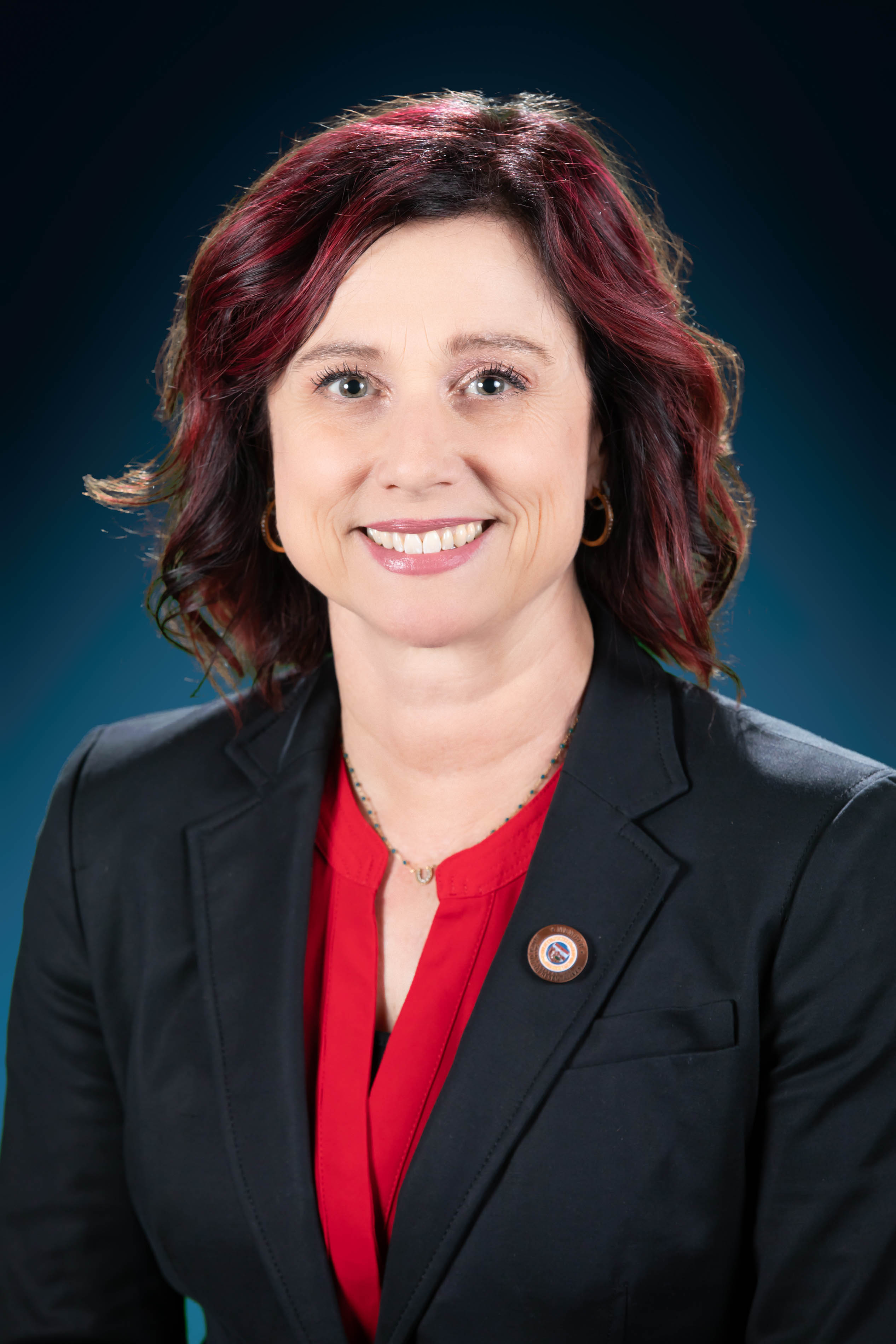
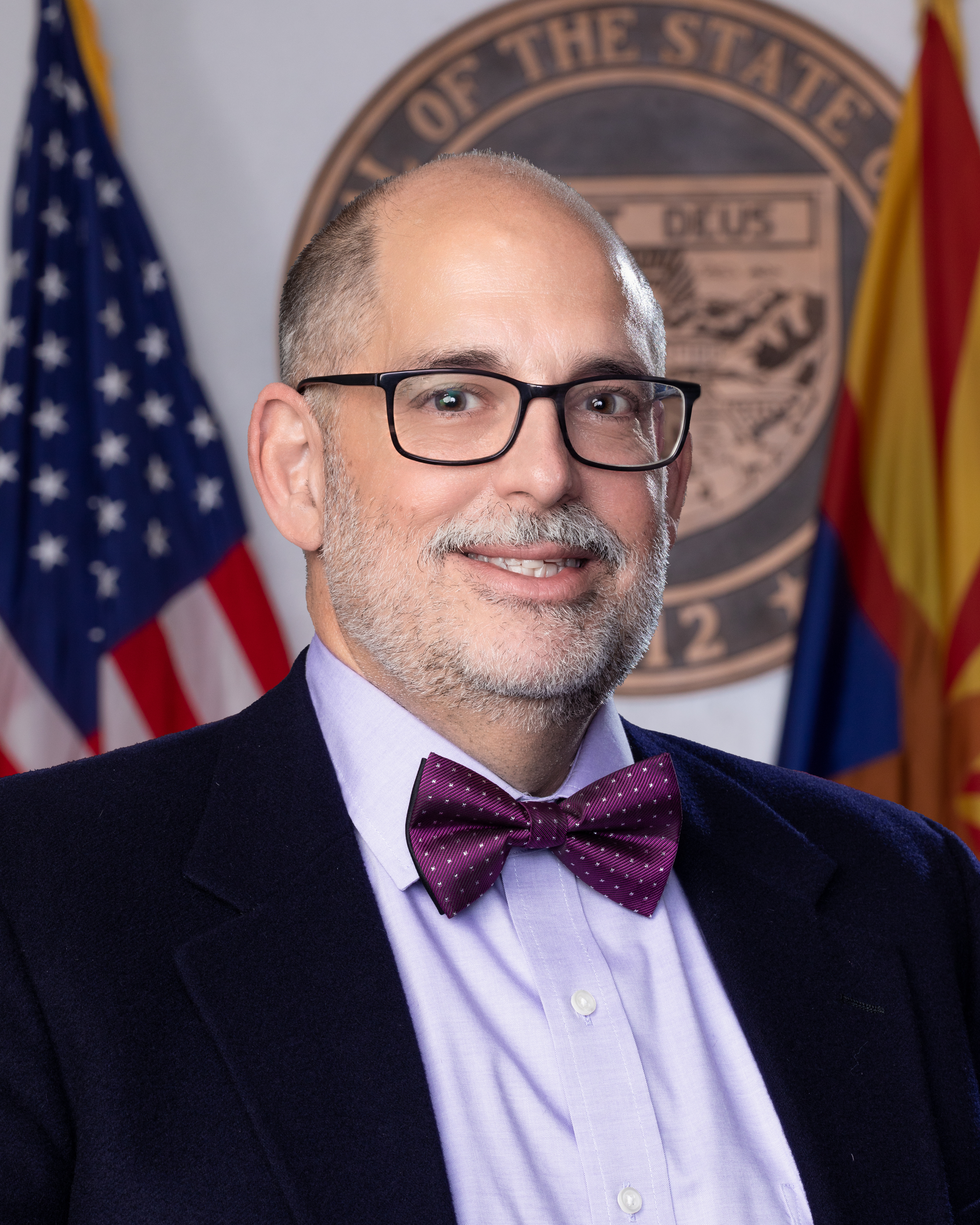
Stephanie Simacek
Stephanie Simacek House · District 2
D
Support
74% 166
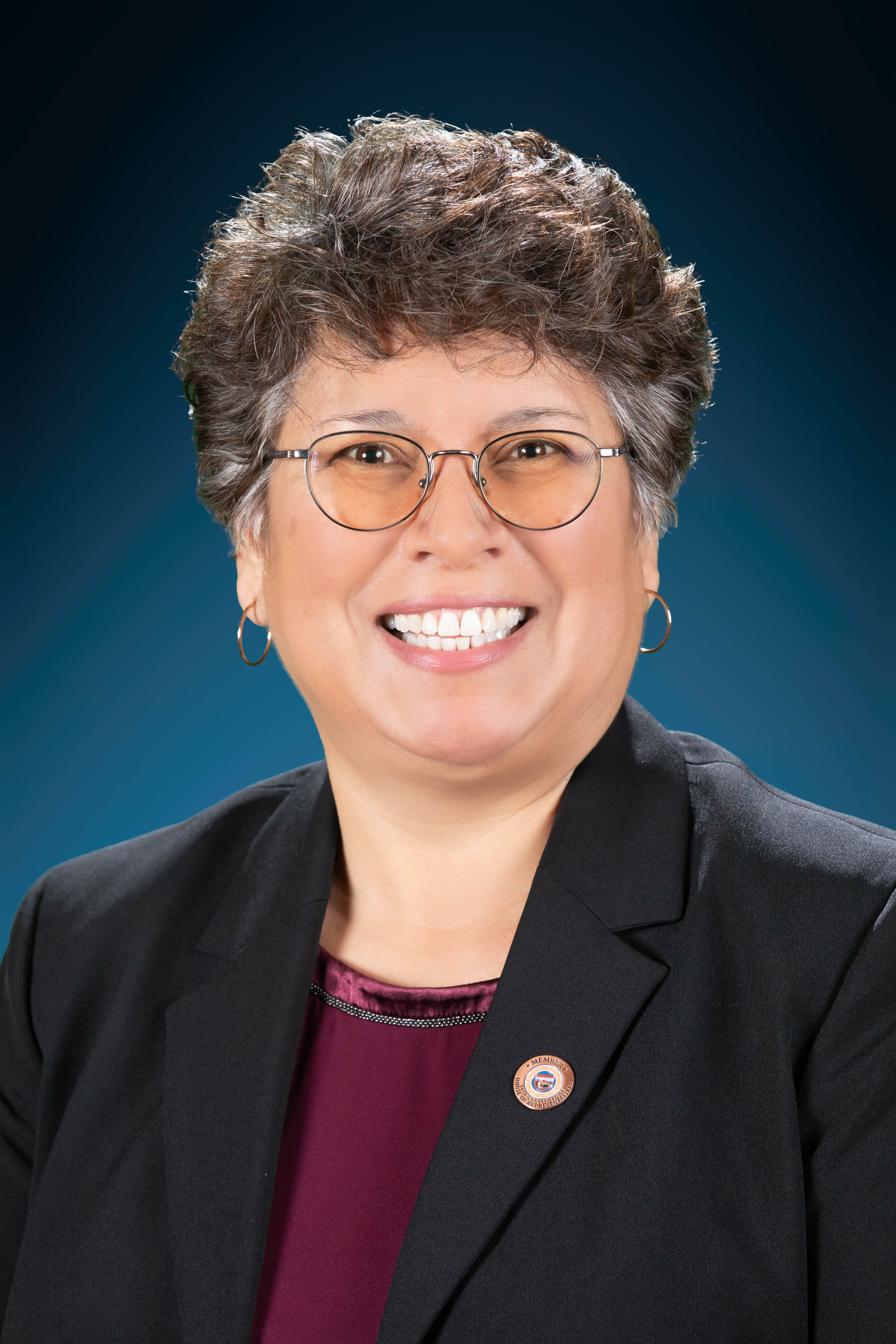
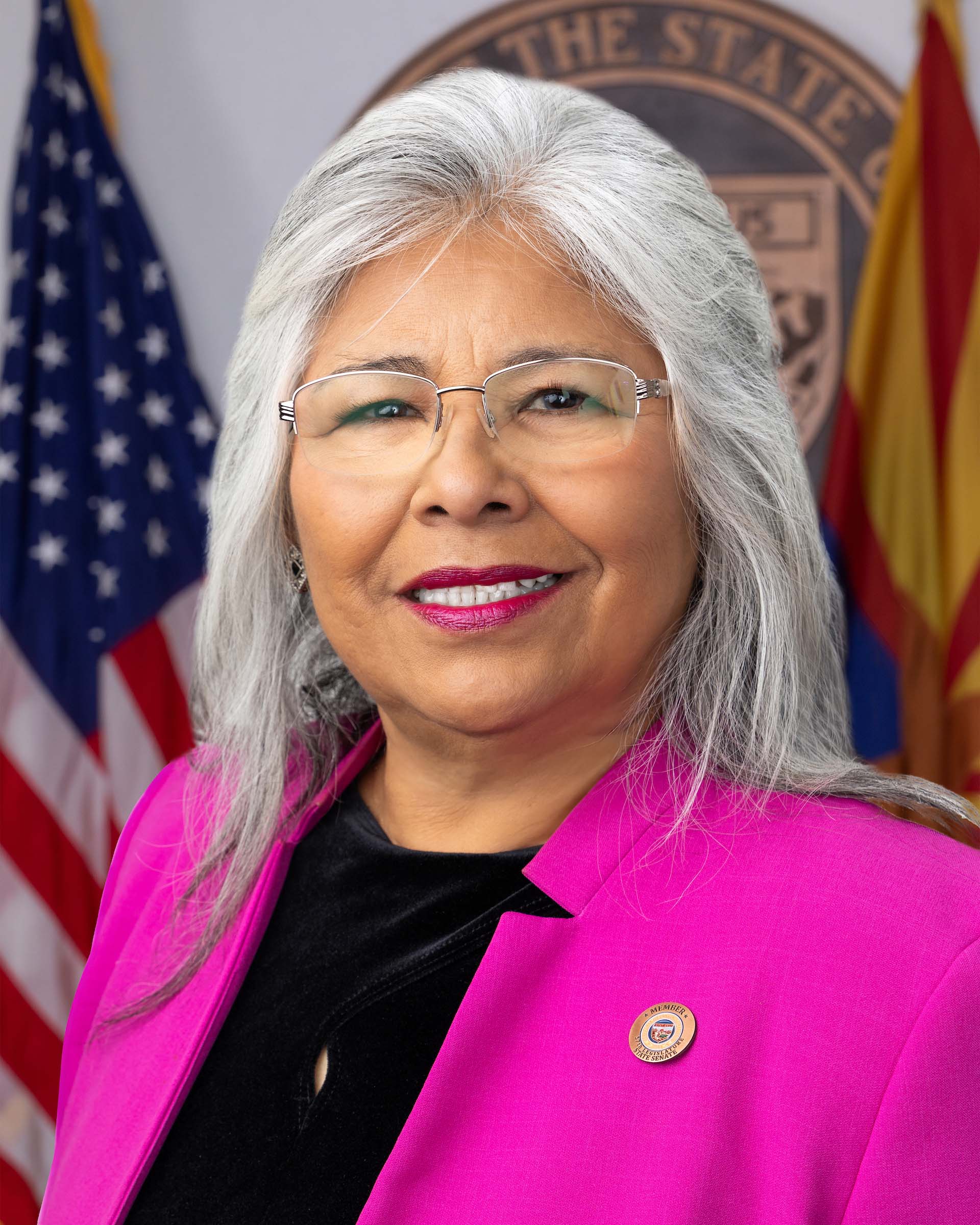
Lydia Hernandez
Lydia Hernandez House · District 24
D
Support
73% 178
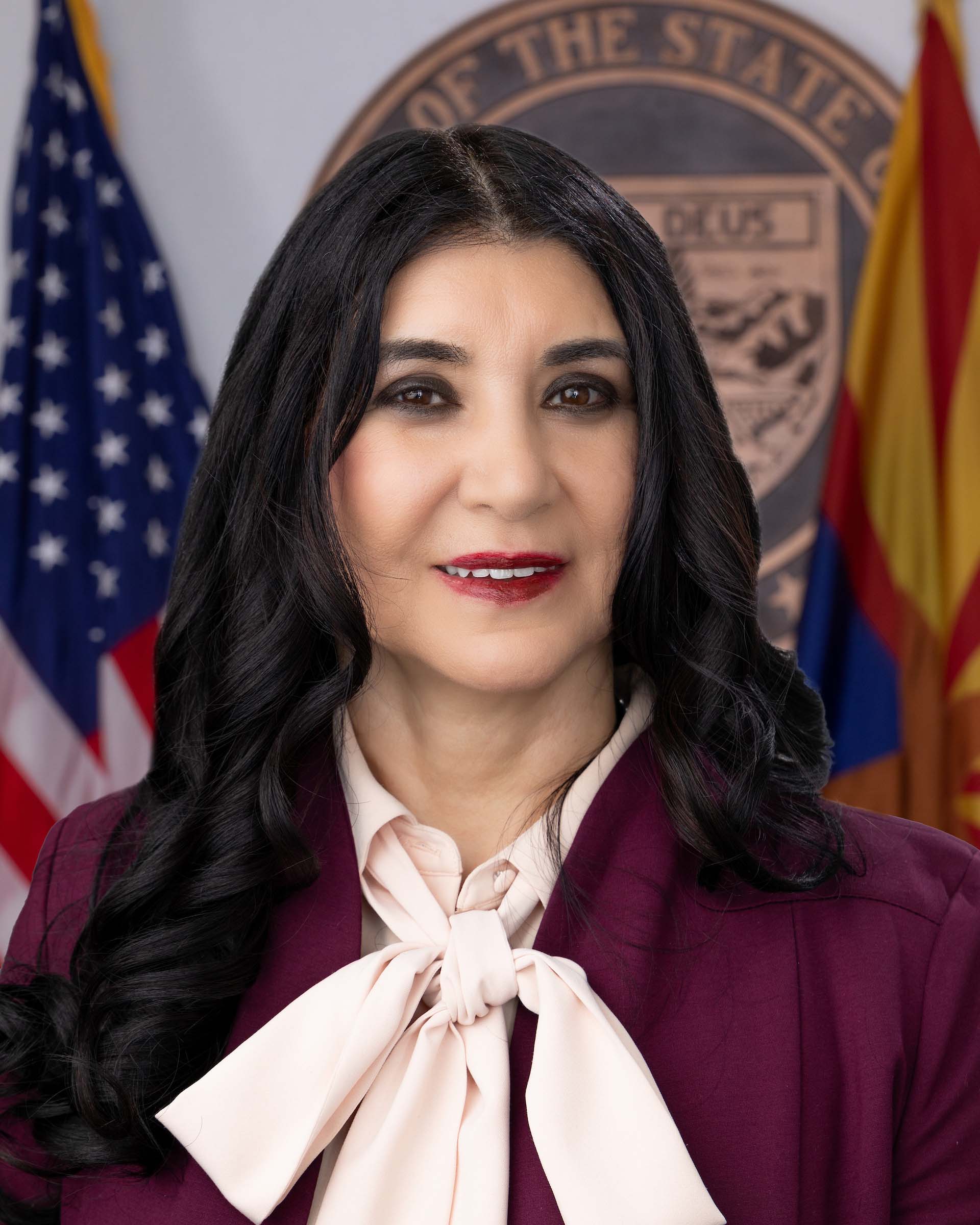
Seth Blattman
Seth Blattman House · District 9
D
Support
71% 47
Nancy Gutierrez
Nancy Gutierrez House · District 18
D
Support
71% 126
Patty Contreras
Patty Contreras House · District 12
D
Support
71% 182
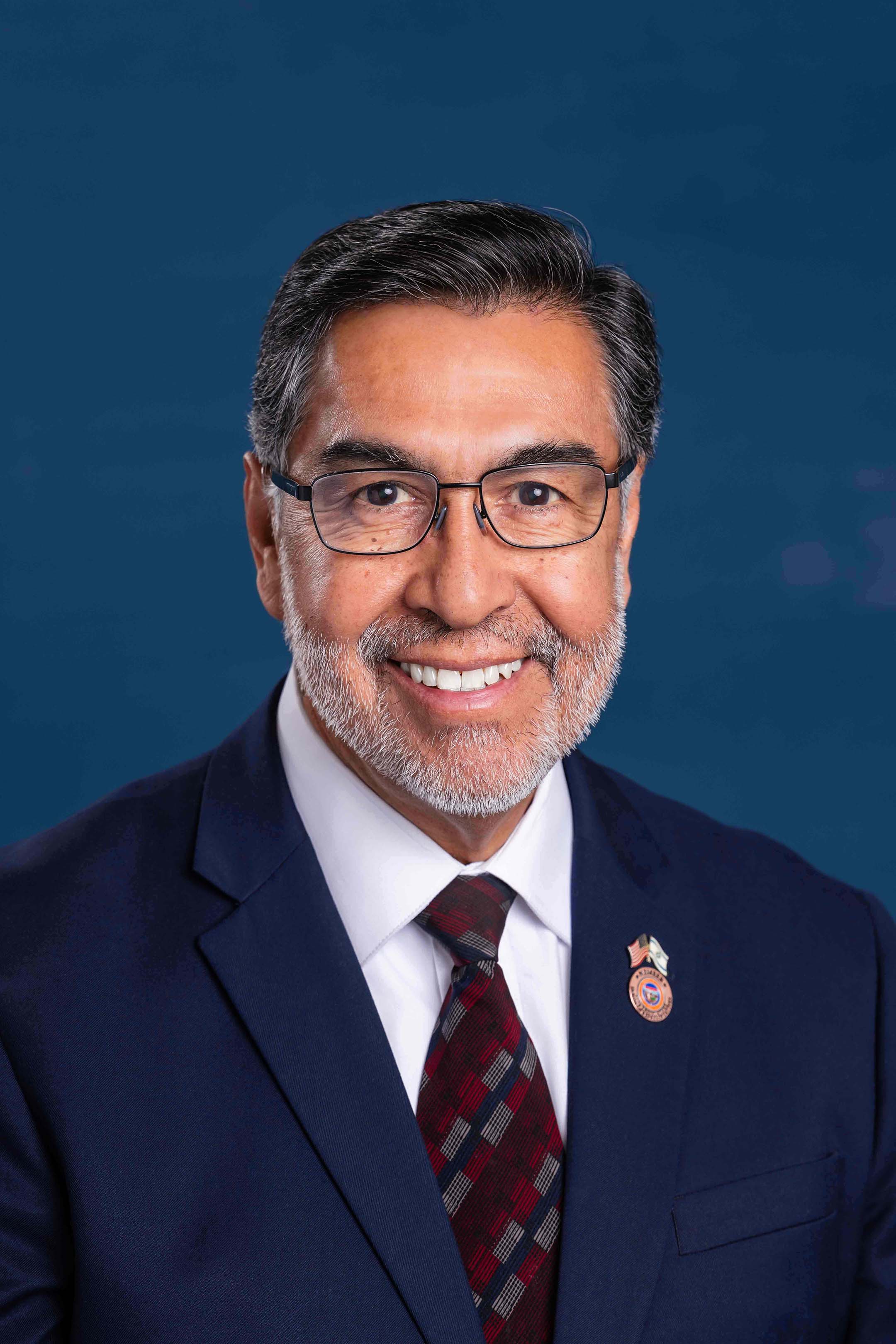
Lupe Diaz
Lupe Diaz House · District 19
R
Oppose
40% 191
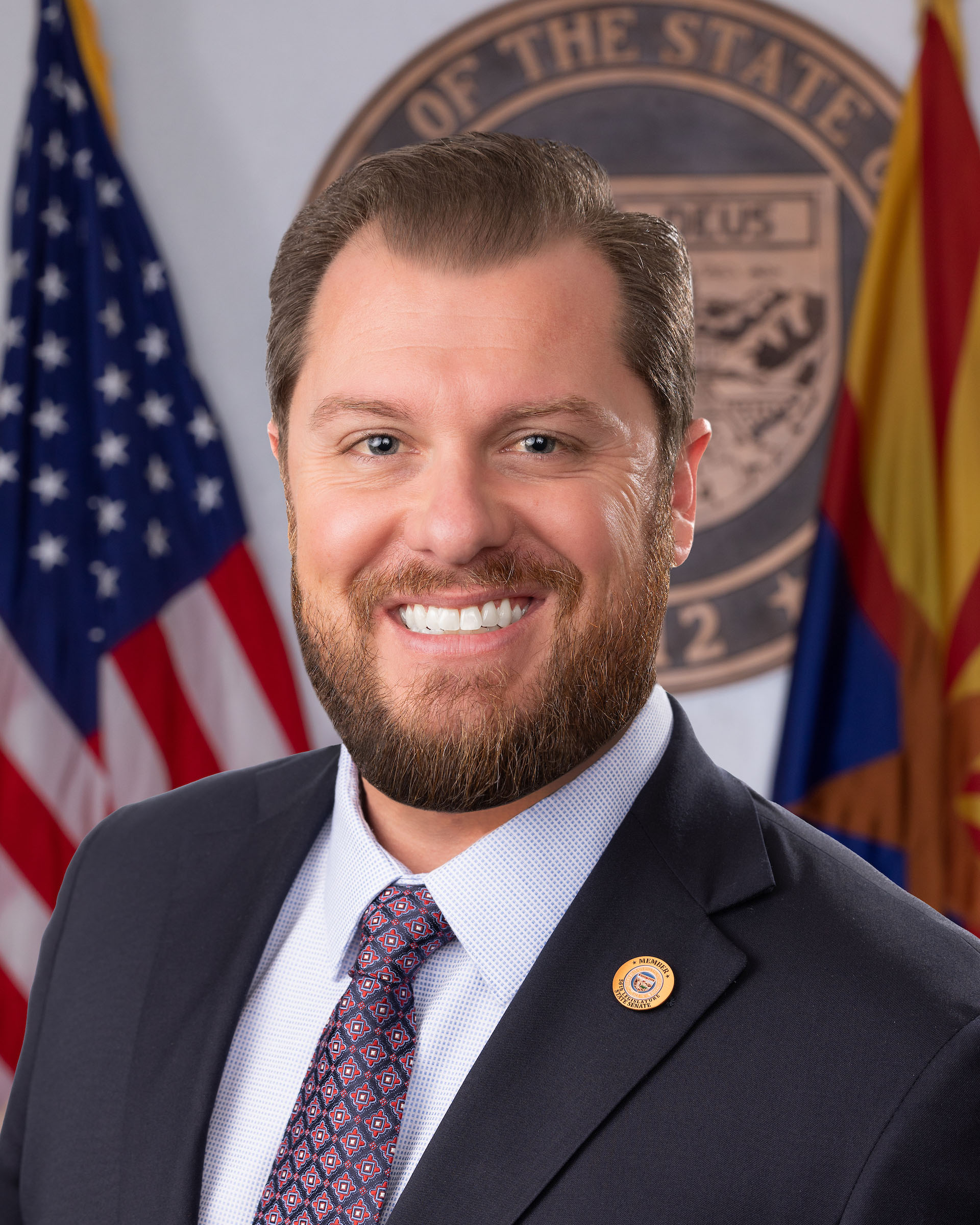
Jake Hoffman
Jake Hoffman Senate · District 15
R
Mixed −
41% 199
David Livingston
David Livingston House · District 28
R
Mixed −
42% 170
Sally Gonzales
Sally Gonzales Senate · District 20
D
Mixed −
43% 203
Eva Diaz
Eva Diaz Senate · District 22
D
Mixed −
43% 146
Showing 51–60 of 212 bills

All criminal justice bills

introduced · Arizona · Senate Feb 9, 2026

SB 1784: juveniles; sentence reduction; hearing

SB 1784 allows courts to reduce prison sentences for individuals who were under 18 when they committed serious offenses and have served at least 15 years. It requires a court hearing to determine if the person poses a public safety risk, considering factors like their age at the time of the offense, rehabilitation efforts, completion of educational programs, and family circumstances. If the court finds no safety risk, it must reduce the sentence to a term below the original minimum, with a presumption in favor of community supervision. The bill applies directly to incarcerated individuals sentenced as juveniles for offenses requiring over 15 years in prison.
introduced · Arizona · House Feb 11, 2026

HB 4083: bailable offenses; requirements; release

This bill changes Arizona's bail rules for certain serious offenses. It specifies that defendants charged with capital offenses, sexual assault, or specific child molestation crimes (like those involving victims under 13 or a 10-year age gap) cannot be released on bail. It also adds that serious felony charges involving suspected illegal immigration status may prevent bail, requiring courts to consider factors like ICE holds or immigration evidence. Additionally, the bill expands factors judges must weigh when setting bail, including victim input, prior violent offenses, gang membership, and immigration status, while requiring expedited hearings for detention decisions.
introduced · Arizona · House Feb 17, 2026

HB 4123: homelessness rights; criminal liability

HB 4123 establishes Arizona's "Homeless Persons' Bill of Rights," guaranteeing homeless individuals equal access to public spaces, services, employment, medical care, voting, and privacy protections without discrimination based on housing status. It explicitly prohibits charging homeless people with public sleeping or sitting offenses when no shelter space is available, amending criminal law to remove such liability under those conditions. The bill directly affects homeless residents in Arizona by legally protecting their right to use public areas, receive services, and maintain privacy through confidentiality safeguards. Key provisions include banning discrimination in voting documentation, requiring shelter confidentiality, and ensuring reasonable privacy for personal property.
introduced · Arizona · Senate Feb 10, 2026

SB 1667: juvenile records; lifetime injunctions

SB 1667 (Arizona Senate Bill 1667) allows eligible individuals to petition for the destruction of their juvenile court and juvenile corrections records under specific conditions. It applies to people aged 18+ who have completed all court-ordered terms (including probation, restitution, and fines), have no pending charges or felony convictions, and are not subject to a lifetime injunction under Section 13-719. A separate pathway for those aged 25+ requires similar conditions plus proof that record destruction would aid rehabilitation. The bill explicitly excludes individuals under lifetime injunctions, and the court must verify all requirements before authorizing record destruction. This change aims to provide a clear, objective process for sealing juvenile records when eligibility criteria are met.
introduced · Arizona · House Jan 21, 2026

HB 2529: prisoners; medical treatment; pregnancy; requirements

HB 2529 requires Arizona prisons to provide free medical care to pregnant inmates, exempting them from fees for medical visits, prescriptions, and medical devices under Section 1(I)(5) of the bill. This directly affects pregnant individuals incarcerated in Arizona state facilities, ensuring they cannot be denied treatment or charged for care related to pregnancy. The bill also mandates that prisons honor a prisoner’s refusal of non-life-threatening treatment after documenting consequences (Section 31-202), while prohibiting denial of care due to inability to pay (Section 1(J)). These provisions specifically address pregnancy-related healthcare access and financial barriers within correctional medical services.
vetoed · Arizona · House Jun 19, 2026

HB 2662: parenting time; expert testimony; qualifications

HB 2662 (Arizona) sets standards for expert testimony in parenting time cases where domestic violence or abuse is alleged. It requires courts to admit only testimony from experts with specific clinical experience supporting victims of domestic violence - not just forensic expertise - and limits evidence to scientifically validated methods. The bill prohibits the use of polygraphs, voice-stress analysis, or unproven psychological measures in these proceedings. This directly affects courts, experts testifying in custody disputes, and parents involved in cases with domestic violence allegations.
Sub-Topics Domestic Violence
passed both · Arizona · House Jun 11, 2026

HB 2048: orders of protection; process servers

HB 2048 amends Arizona's order of protection procedures to clarify and streamline the process for victims of domestic violence. It allows minors, third parties acting on behalf of incapacitated individuals, and others to file petitions, requires courts to review petitions without a hearing if reasonable cause exists, and specifies that orders can include restrictions on contact, exclusive residence possession, firearm prohibitions, and animal custody. The bill eliminates filing and service fees, mandates courts provide information about local emergency and counseling services, and prohibits mutual orders of protection while requiring consolidation of opposing petitions. This directly affects domestic violence victims, alleged abusers, and courts handling these cases.
introduced · Arizona · House Jan 21, 2026

HB 2801: marijuana convictions; misdemeanors; fines; assessments

Arizona's HB 2801 allows individuals convicted of specific low-level marijuana offenses occurring before November 30, 2020, to petition courts for expungement of their records. It directly affects people arrested or convicted for possessing ≤2.5 ounces of marijuana, growing ≤6 plants at home for personal use, or possessing related paraphernalia. The bill requires courts to grant expungement unless prosecutors prove ineligibility with clear evidence, sealing records and restoring civil rights like firearm possession. Agencies must remove expunged records from public access and cannot use them in future cases. This policy change takes effect July 12, 2021, for eligible cases.
introduced · Arizona · Senate Feb 4, 2026

SB 1589: school personnel; reporting; drug offenses

SB 1589 strengthens Arizona's drug enforcement near schools by increasing penalties for drug offenses within 300 feet of school grounds, school buses, or bus stops. It requires all school staff to immediately report drug violations to administrators, who must then notify law enforcement - failure to report is a misdemeanor. The bill also mandates that schools include specific data on drug-related incidents requiring law enforcement contact in their annual public report cards. These changes directly affect school personnel, students, and law enforcement, with the goal of increasing accountability and transparency around drug activity in school zones.
vetoed · Arizona · House Jun 19, 2026

HB 2970: fraudulent schemes; artifices; jurisdiction

HB 2970 amends Arizona law to strengthen penalties for fraud by defining it as knowingly obtaining benefits through false claims, lies, or hiding key facts. It removes the requirement that prosecutors prove victims relied on the fraud and bars probation or early release for serious cases involving $100,000+ in fraud or opioid sales. The law also allows Arizona to prosecute fraud even if parts of the scheme occurred outside state borders. This directly affects individuals or entities committing fraud, with stricter sentencing for large-scale or opioid-related offenses.
Showing 51 to 60 of 212 bills
Previous 1 5 6 7 22 Next