Issue · Criminal Justice

Criminal Justice (Probation & Parole)

Every criminal justice bill, vote, and legislator stance in Arizona, automatically classified by Maddy, our AI policy reader.

Total bills
38
57th Legislature - Second Regular Session
Top supporter
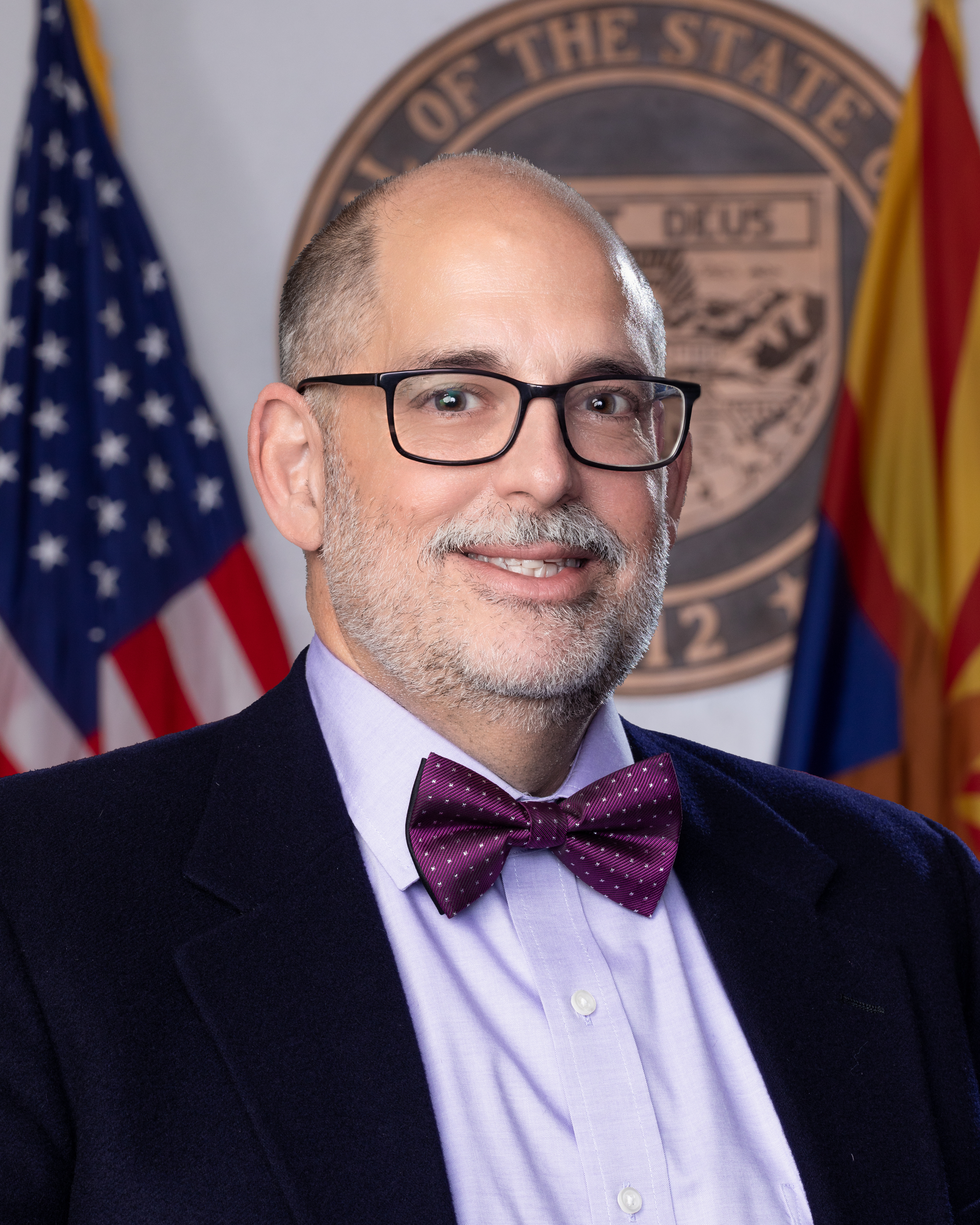
Brian Garcia
100% support rate
Top opponent
Chris Lopez
11% support rate
Ranked legislators
10
5 support · 5 oppose
Key legislators

Who's moving probation & parole in Arizona

Legislators moving probation & parole in Arizona
Legislator Party Stance Support rate Votes
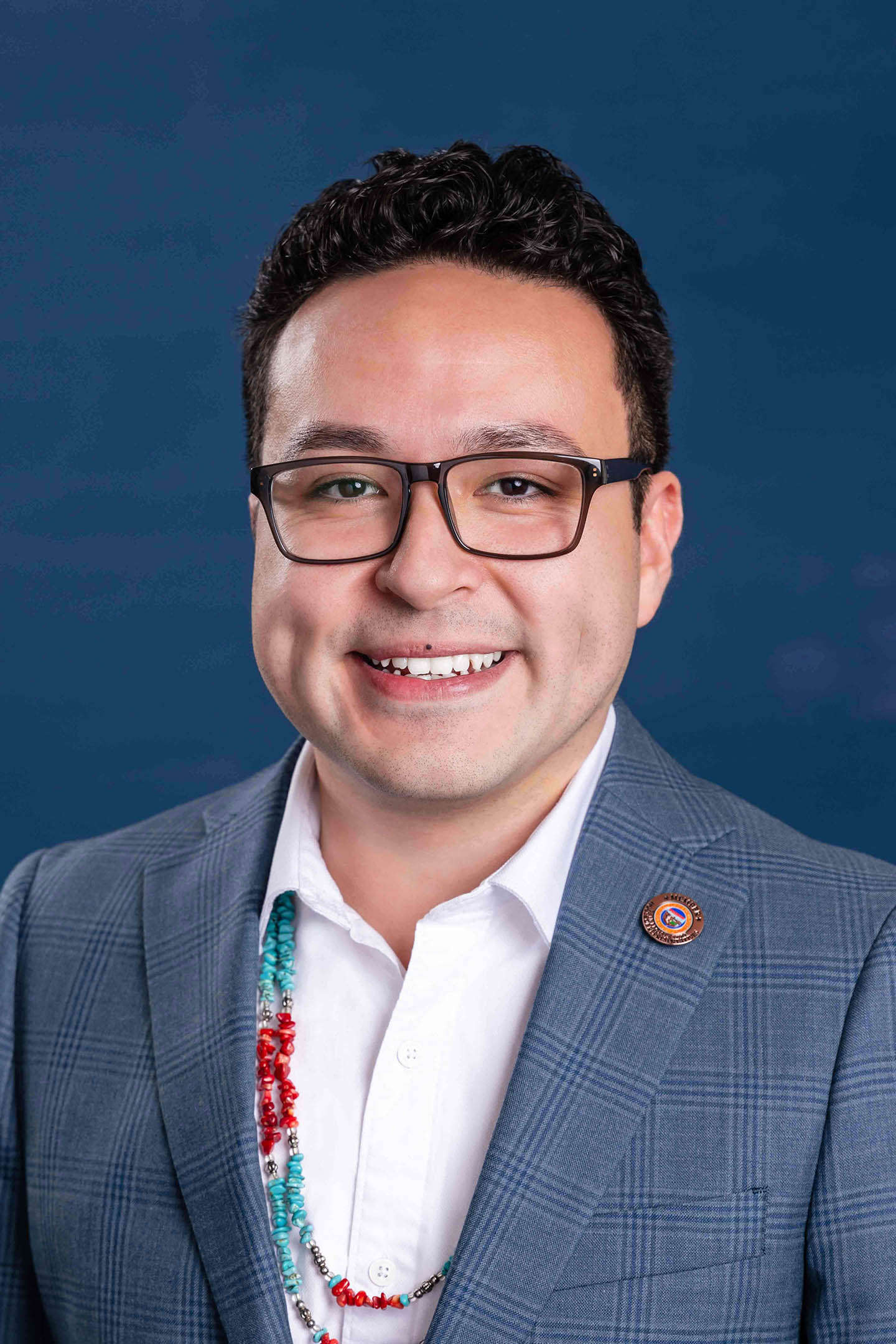
Brian Garcia
Brian Garcia House · District 8
D
Strong +
100% 9
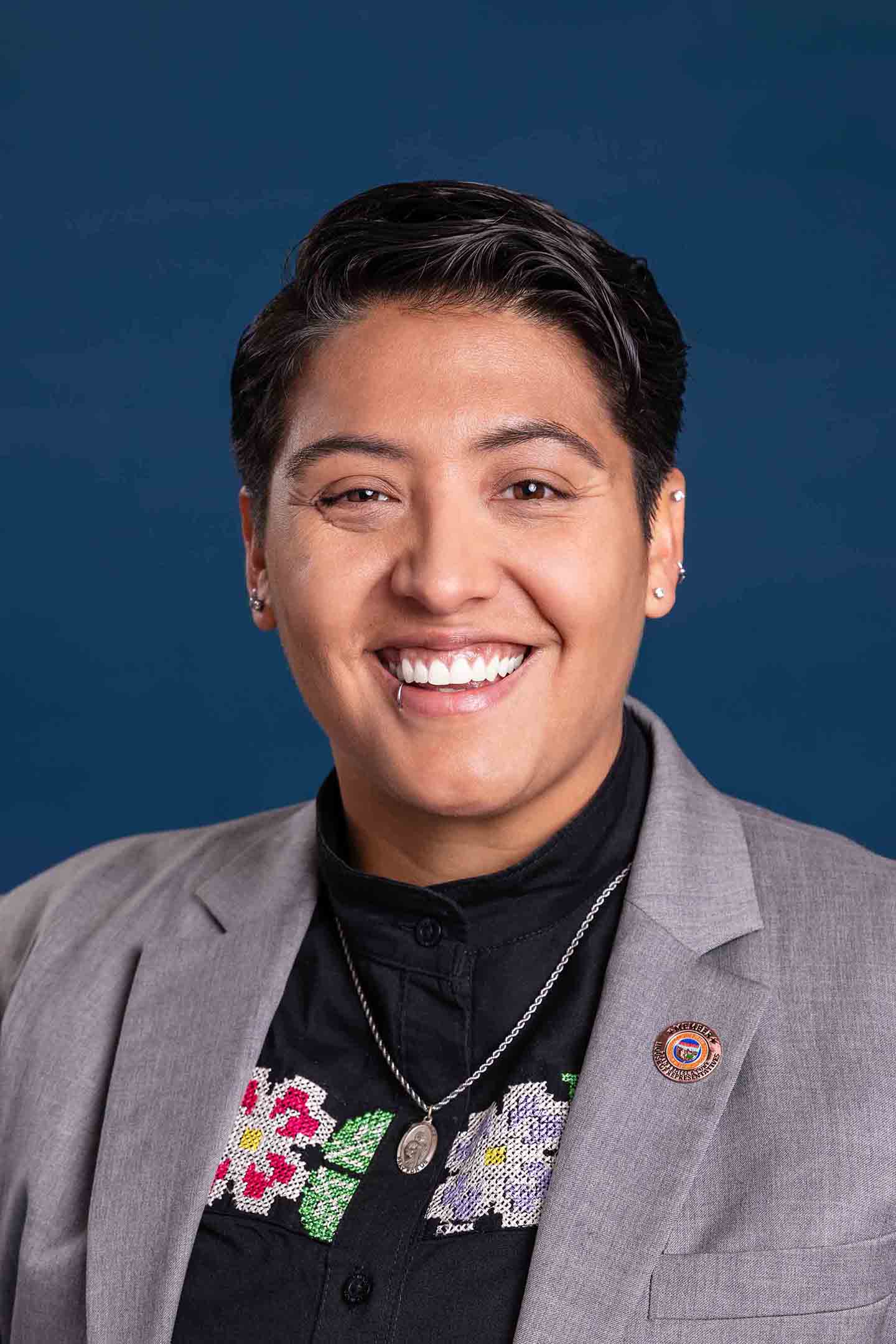
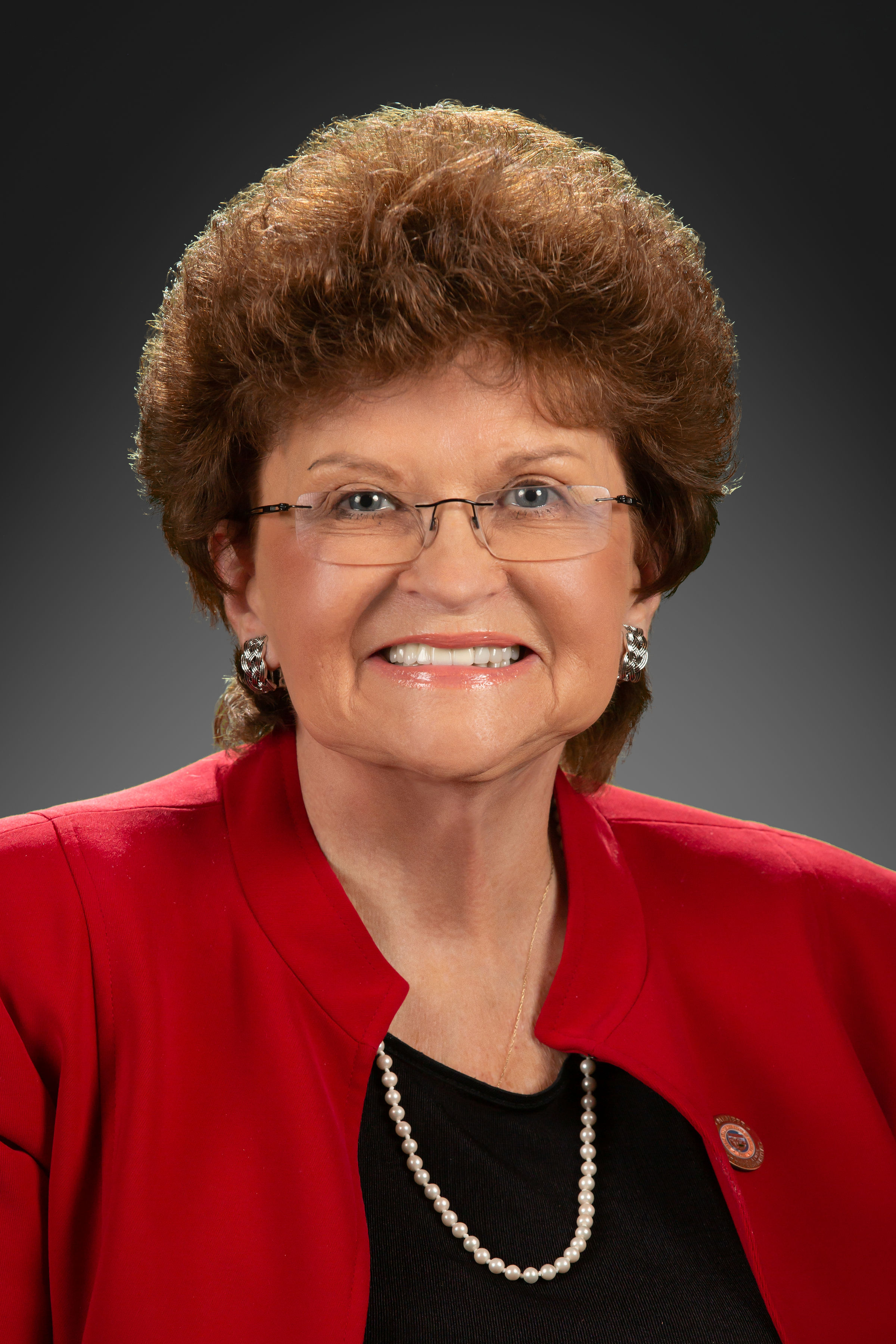
Lorena Austin
Lorena Austin House · District 9
D
Strong +
100% 9
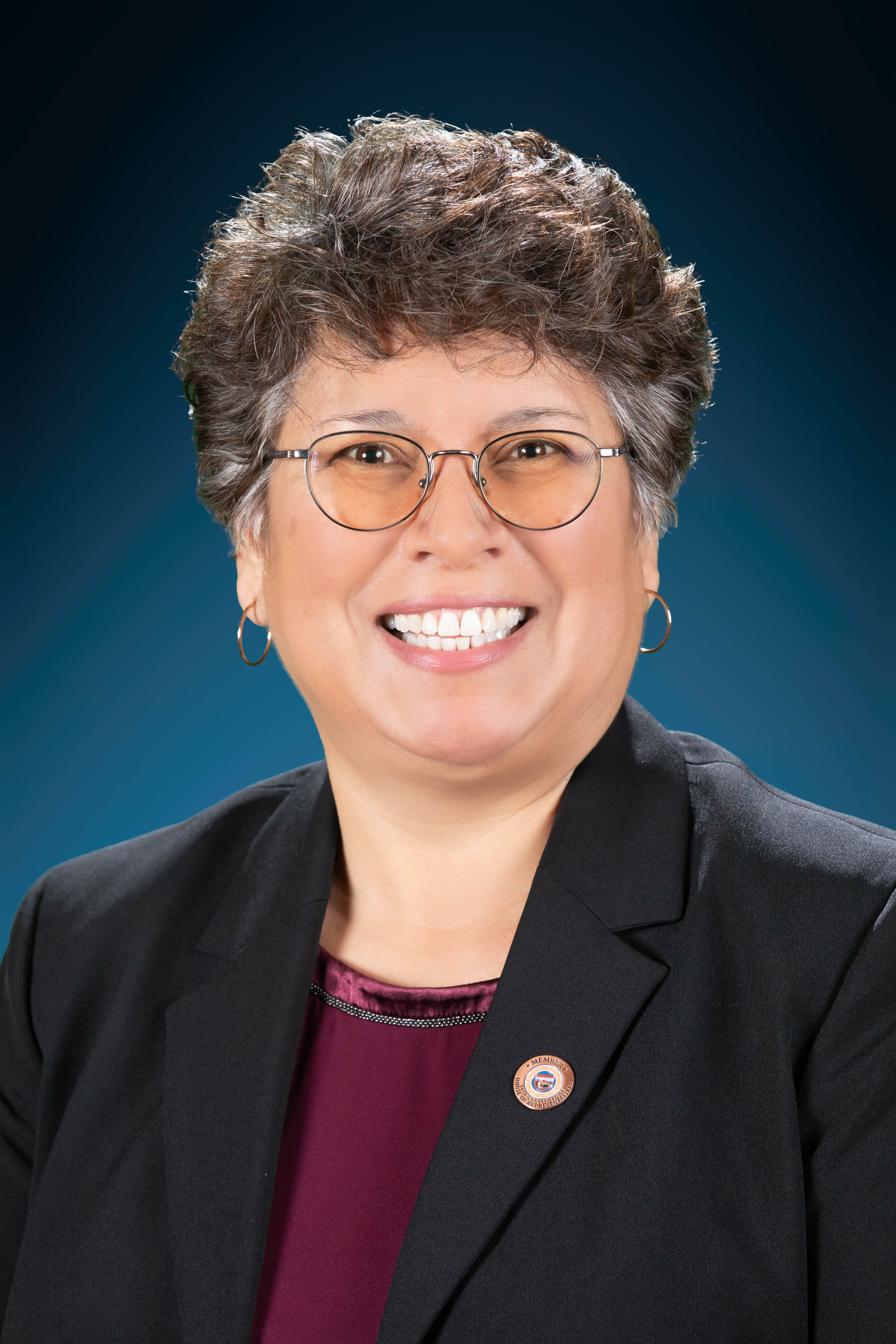
Patty Contreras
Patty Contreras House · District 12
D
Strong +
100% 9
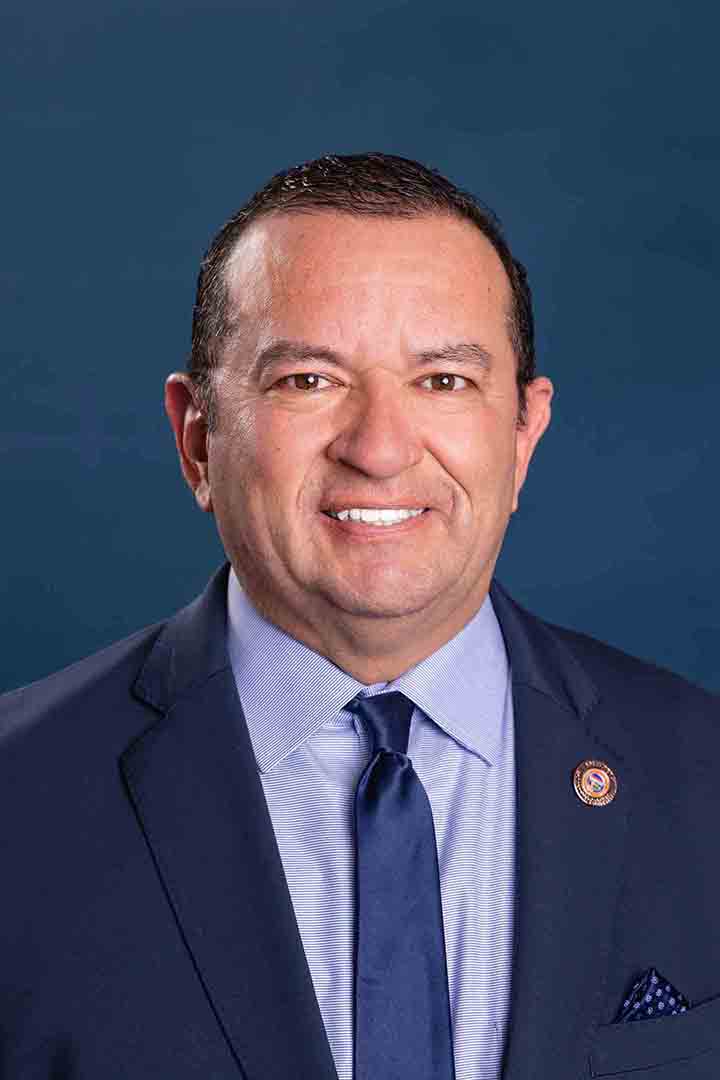
Stephanie Simacek
Stephanie Simacek House · District 2
D
Strong +
100% 9
QC
Quantá Crews House · District 26
D
Strong +
100% 8
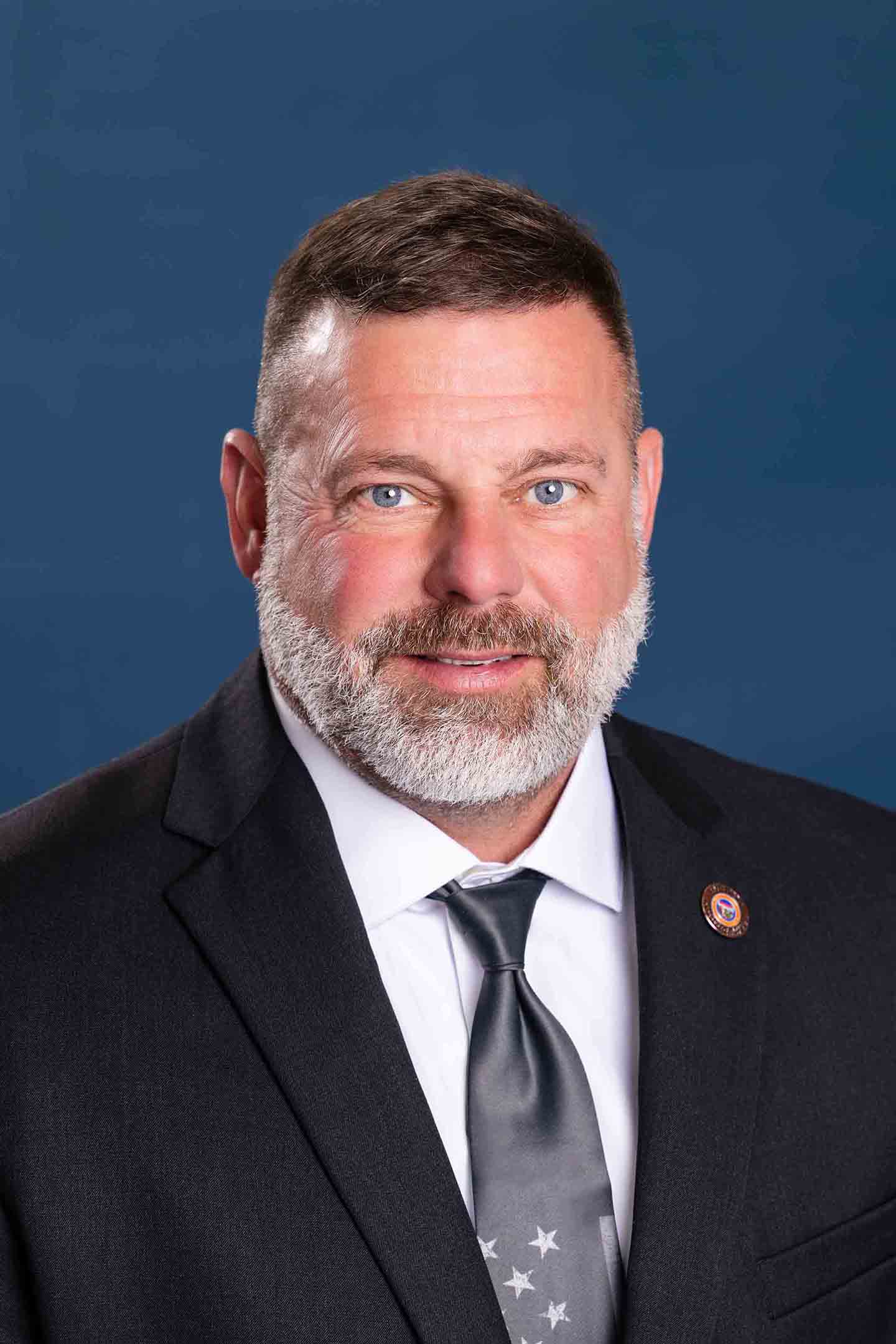
Chris Lopez
Chris Lopez House · District 16
R
Strong −
11% 9
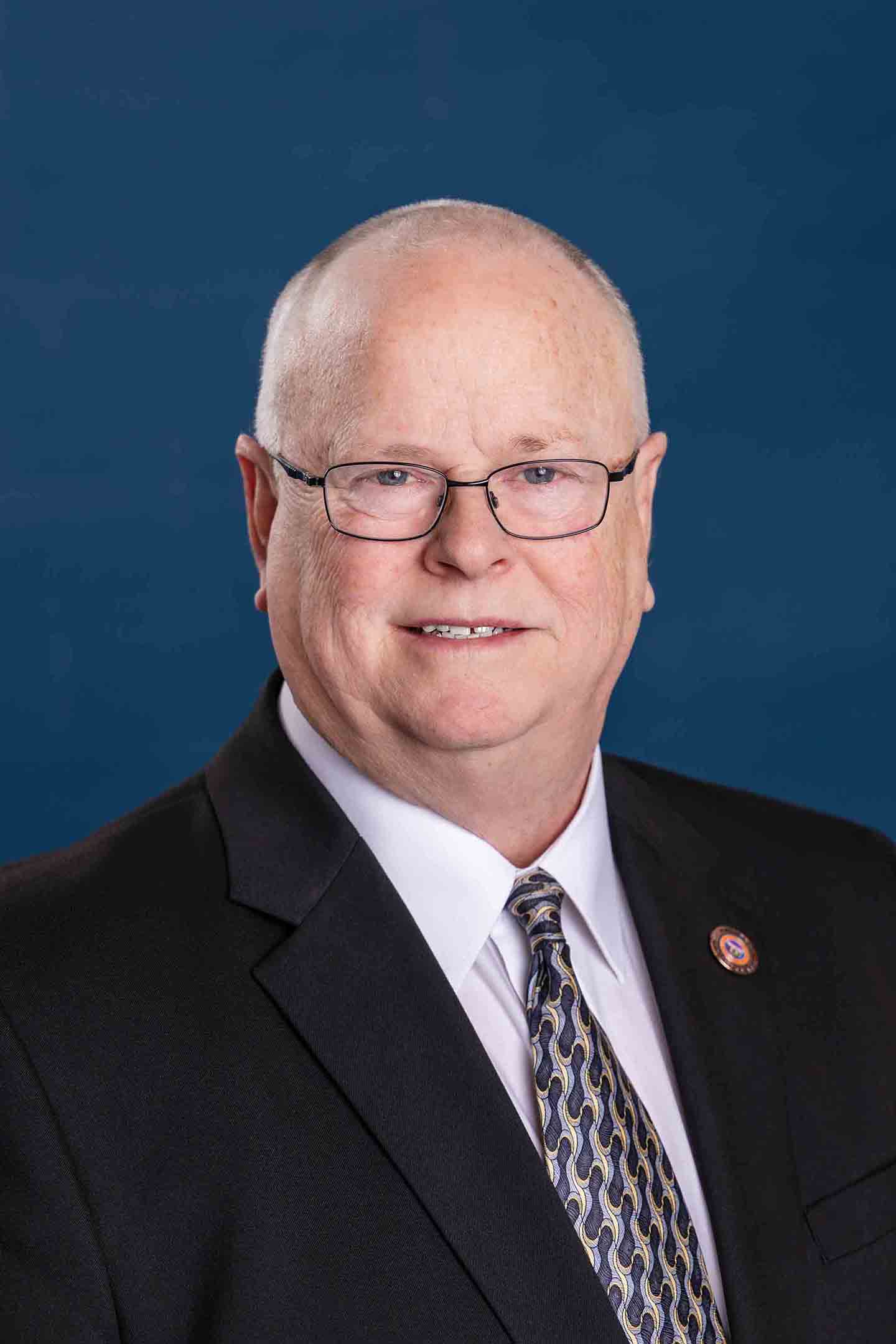
David Livingston
David Livingston House · District 28
R
Strong −
11% 9
Gail Griffin
Gail Griffin House · District 19
R
Strong −
11% 9
James Taylor
James Taylor House · District 29
R
Strong −
11% 9
John Gillette
John Gillette House · District 30
R
Strong −
11% 9
Showing 1–10 of 38 bills

All criminal justice bills

signed · Arizona · House Jun 13, 2026

HB 4158: criminal justice; 2026-2027

This Arizona bill creates a new transition program that allows eligible inmates to serve up to ninety days in the community before their full release. To qualify, inmates must meet specific criteria, such as having a minimum or medium custody classification, making satisfactory progress in prison programming, and agreeing to provide post-release information, while those convicted of sexual offenses or serious violent crimes are excluded. The program requires private or nonprofit providers to offer services like counseling, job placement, and family reunification, and it mandates that victims be notified and given a chance to object before an inmate can be released early. Additionally, the bill establishes a dedicated fund to cover program costs and requires the state department to submit annual reports on the number of participants, the types of services provided, and recidivism rates.
signed · Arizona · Senate Jun 19, 2026

SB 1662: probation supervision; least restrictive conditions

SB 1662 (Arizona Revised Statutes §13-901) requires courts to impose probation conditions that are "reasonably necessary" for public safety, rehabilitation, and helping defendants live lawfully - using validated risk assessments to tailor requirements to individual needs. It mandates probation officers to waive unnecessary standard conditions and justify any special condition as the least restrictive option needed to meet these goals. The bill also establishes a $65 monthly probation fee (waivable for indigent individuals) to fund adult probation services, with fees directed to county probation funds. These changes directly affect individuals on probation in Arizona courts by standardizing how conditions are set and funded.
Sub-Topics Probation & Parole
introduced · Arizona · Senate Feb 9, 2026

SB 1767: ADOC; director; educational programs

SB 1767 requires Arizona state prisons to fund specific educational programs - including functional literacy, GED preparation, vocational training, and postsecondary courses in industries like healthcare and technology - using a dedicated budget. It prohibits using these funds for inmates sentenced to death, life imprisonment without parole, or classified as maximum custody, but allows programs for minors under 18 and disabled inmates under 22. The bill also explicitly bans policies excluding inmates serving natural life or life without parole from educational or vocational opportunities. These changes apply directly to all Arizona state correctional facilities and their inmate populations.
passed · Arizona · Senate Mar 30, 2026

SB 1709: dangerous crimes; children; probation revocation

SB 1709 requires Arizona courts to impose a mandatory $65 monthly fee for adults on probation (unless the court determines they cannot pay), with fees collected to fund adult probation services. It adds provisions allowing remote reporting for probationers to accommodate work, family care, or treatment needs, and establishes a process for transferring probation supervision between counties under specific conditions. The bill also clarifies that probation fees must be paid to county treasurers for the adult probation services fund, not to courts directly. It directly affects individuals placed on probation in Arizona, particularly those in supervised probation programs, by adding this financial obligation and modifying reporting requirements. The bill does not change probation revocation rules for dangerous crimes involving children, as its title suggests, but focuses on administrative and fee-related procedures.
introduced · Arizona · Senate Feb 9, 2026

SB 1778: juvenile sentenced as adult; sentencing

SB 1778 changes Arizona's rules for trying juveniles (ages 14-17) as adults. It requires adult prosecution for juveniles accused of specific serious offenses like murder, forcible sexual assault, armed robbery, or violent felonies, especially if they have two prior felony convictions (defined as "chronic felony offenders"). The bill mandates that prosecutors file a special notice about chronic offender status, and courts must hold a hearing to verify this before proceeding. Crucially, it limits sentencing for juveniles tried as adults: judges cannot impose death, life without parole, or sentences totaling 25+ years ("de facto life").
passed · Arizona · Senate Mar 11, 2026

SCR 1047: public benefits; fraud; remedies

SCR 1047 is a constitutional resolution (requiring voter approval) that establishes an Attorney General marijuana enforcement fund and a receiver system for social equity marijuana licenses. It creates a dedicated fund using existing marijuana-related monies to investigate fraud, enforce social equity program rules, support reentry programs for prior marijuana offenses, and fund community grants. The bill allows the Attorney General to appoint a receiver to take control of a social equity license if fraud, non-compliance, or predatory agreements occur, with strict qualifications for receivers. This directly affects social equity marijuana license holders, particularly those who may face license revocation or restoration processes due to violations. The resolution aims to strengthen enforcement of marijuana licensing rules while prioritizing community impact and program integrity.
passed · Arizona · Senate Mar 16, 2026

SB 1829: probation; dangerous crimes against children

Arizona's SB 1829 amends probation statutes to prohibit early termination of probation for adults convicted of "dangerous crimes against children" (as defined in §13-705), unless the defendant was under 18 at the time of the offense. The bill directly affects adult offenders convicted of such crimes by requiring them to complete their full probation term without court discretion to shorten it. Key provisions include mandating restitution to victims, requiring a $65 monthly probation fee (funded into the adult probation services account), and adding remote reporting options for probation compliance. The law maintains existing probation rules but specifically restricts early discharge for these serious offenses.
introduced · Arizona · Senate Feb 9, 2026

SB 1774: voting rights; restoration.

SB 1774 automatically restores voting rights for Arizona residents who completed probation or prison time for their first felony conviction, without requiring them to file an application. This applies after "final discharge" (completion of probation or absolute release from prison), provided they've paid all victim restitution. Other civil rights (like jury service) are restored automatically only if restitution is paid, but voting rights are restored regardless of restitution payment. The bill does not change firearm rights, which remain restricted for certain serious offenses and require separate court processes. This replaces the previous system where individuals had to apply for voting rights restoration.
introduced · Arizona · Senate Feb 9, 2026

SB 1780: SNAP eligibility; probation compliance

Arizona's SB 1780 modifies SNAP (food assistance) eligibility for individuals convicted of certain drug-related felonies. It allows people convicted after 1996 of a felony involving controlled substances to qualify for SNAP benefits if they complete substance abuse treatment, are enrolled in treatment, or comply with probation terms including drug testing. The bill requires random drug testing as a condition of eligibility and mandates more frequent testing for applicants whose offenses occurred within 24 months of applying. This change directly affects individuals with specific drug felony convictions seeking food assistance, altering their eligibility criteria under Arizona law.
introduced · Arizona · Senate Feb 9, 2026

SB 1802: juveniles; hearing; sentence reduction

SB 1802 allows courts to reduce prison sentences for individuals sentenced to over 25 years for crimes committed before age 18. It requires a hearing where courts must consider factors like the defendant's age at the crime, rehabilitation efforts (e.g., completing education programs), family trauma history, and diminished juvenile culpability. The bill creates a presumption of sentence reduction unless the court finds the person poses a public safety threat, and mandates written reasoning for any denial. It also requires courts to appoint attorneys for defendants at hearings and allows for community supervision upon release. The bill does not affect eligibility for other sentence relief options.
Showing 1 to 10 of 38 bills
1 2 3 4 Next