Issue · Criminal Justice

Criminal Justice (Domestic Violence)

Every criminal justice bill, vote, and legislator stance in Arizona, automatically classified by Maddy, our AI policy reader.

Total bills
12
57th Legislature - Second Regular Session
Top supporter
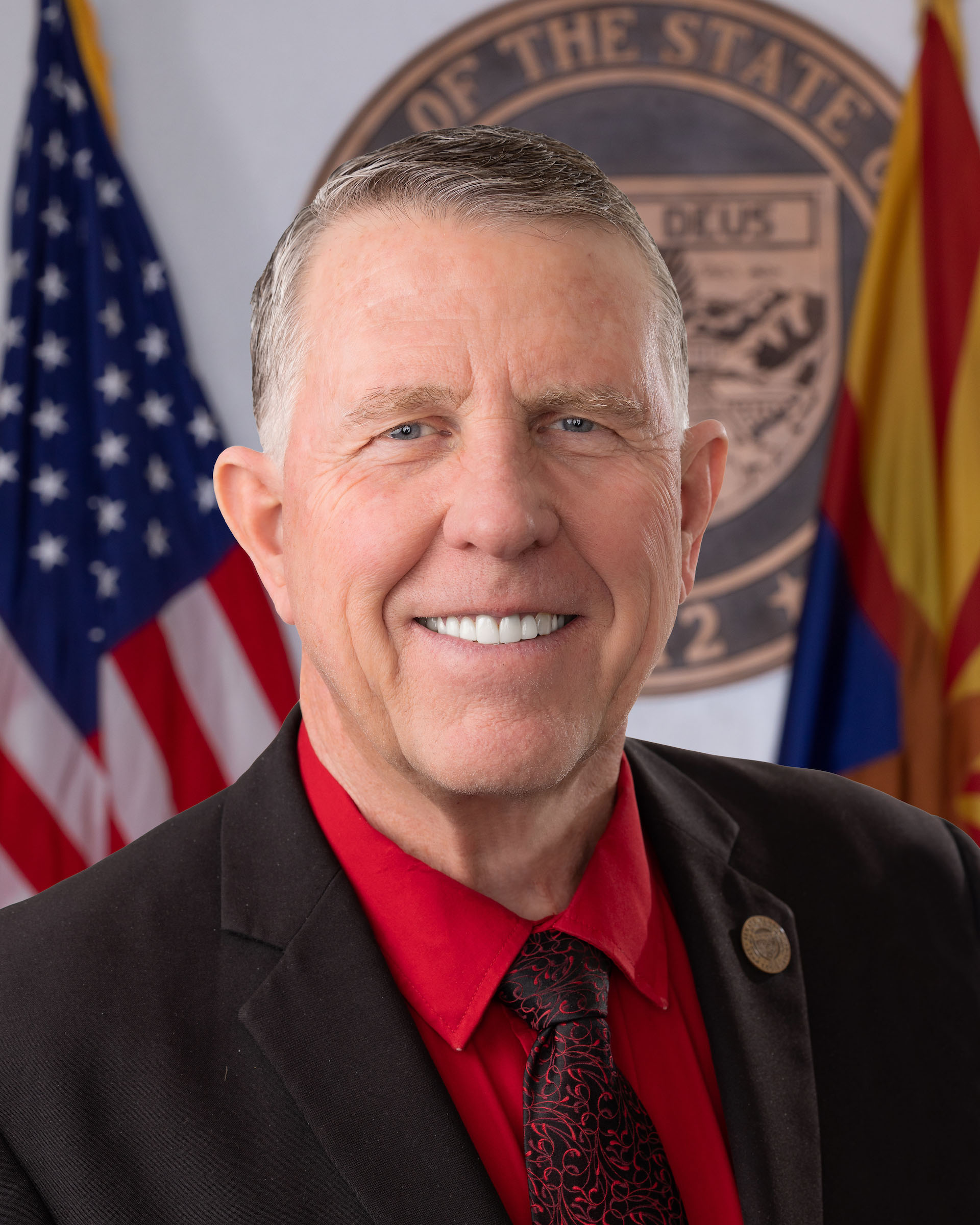
Beverly Pingerelli
100% support rate
Top opponent
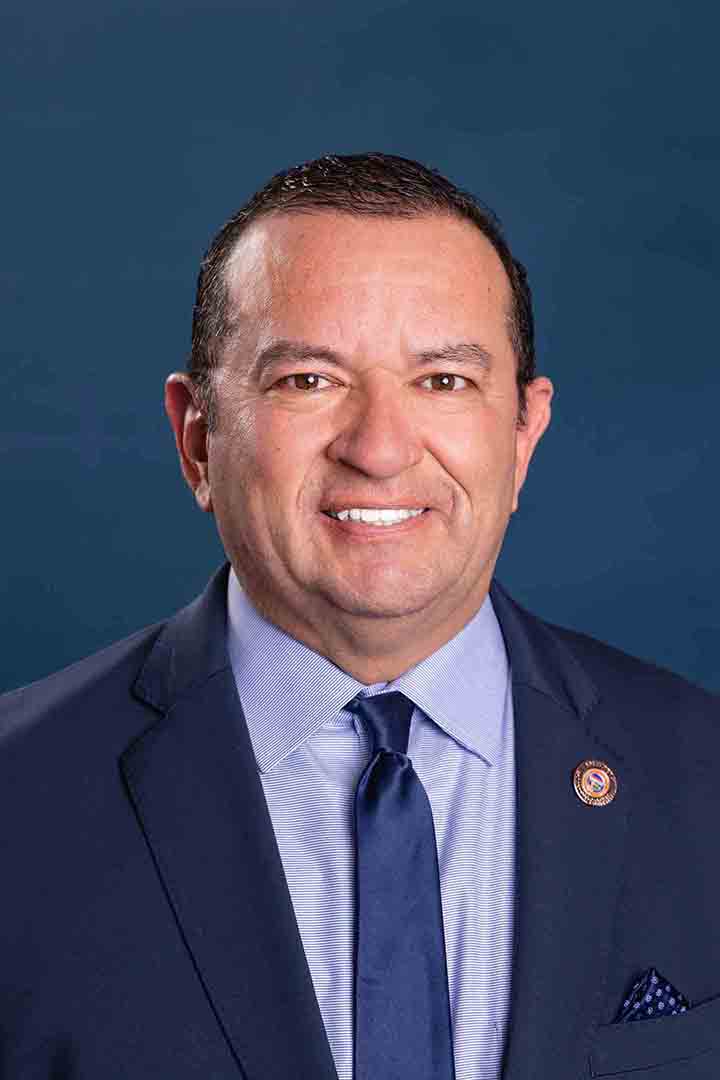
Anna Abeytia
0% support rate
Ranked legislators
10
5 support · 5 oppose
Key legislators

Who's moving domestic violence in Arizona

Legislators moving domestic violence in Arizona
Legislator Party Stance Support rate Votes
Beverly Pingerelli
Beverly Pingerelli House · District 28
R
Strong +
100% 4
Carine Werner
Carine Werner Senate · District 4
R
Strong +
100% 4
Chris Lopez
Chris Lopez House · District 16
R
Strong +
100% 4
Dave Farnsworth
Dave Farnsworth Senate · District 10
R
Strong +
100% 4
David Gowan
David Gowan Senate · District 19
R
Strong +
100% 4
Anna Abeytia
Anna Abeytia House · District 24
D
Strong −
0% 4
Brian Garcia
Brian Garcia House · District 8
D
Strong −
0% 4
Eva Diaz
Eva Diaz Senate · District 22
D
Strong −
0% 4
Lorena Austin
Lorena Austin House · District 9
D
Strong −
0% 4
Mariana Sandoval
Mariana Sandoval House · District 23
D
Strong −
0% 4
Showing 1–10 of 12 bills

All criminal justice bills

introduced · Arizona · House Feb 10, 2026

HB 4006: defamation actions; sexual offenses

HB 4006, titled the "Right to Speak Your Truth Act," prohibits individuals accused of sexual misconduct, abuse, assault, harassment, or domestic violence from using defamation lawsuits to silence accusers or reporters. It specifically blocks defamation claims when the accused attempts to retaliate against someone who reported the incident or named the accused publicly. The bill allows defamation lawsuits only if the accuser's claim is factually impossible for the accused to have committed, the accuser was impeached in court over the same facts, the accuser made contradictory public statements, or the accuser publicly denied the incident occurred. This directly protects accusers, staff, and third parties reporting sexual offenses from being sued for speaking out.
signed · Arizona · House Jun 22, 2026

HB 2995: domestic relations; domestic violence

HB 2995 modifies Arizona's domestic relations law to prioritize child safety in custody cases involving domestic violence. It creates a rebuttable presumption against granting joint legal decision-making or parenting time to a parent found to have committed domestic violence, requiring courts to consider evidence like police reports, medical records, and shelter documentation. If a parent is found abusive, they must prove parenting time won't endanger the child, and courts can impose conditions such as supervised visits, mandatory counseling, or restrictions on overnight stays. The bill also mandates detailed court findings explaining how domestic violence considerations serve the child's best interests, with the presumption taking priority over other legal standards.
signed · Arizona · Senate Jun 22, 2026

SB 1723: domestic violence; release conditions

Arizona's SB 1723 amends Arizona Revised Statutes sections 13-3602 and 13-3967 to strengthen domestic violence protection orders. It requires verified petitions (with no filing fees) and mandates courts to keep victims' contact information confidential. The bill adds a key provision: if a victim granted exclusive residence use under an order moves out, they must notify the court in writing within five days, triggering a notice to the defendant about their right to request a hearing. This directly affects domestic violence victims and alleged abusers by clarifying release conditions and residence rights.
introduced · Arizona · House Feb 17, 2026

HB 4071: spousal maintenance; domestic violence

HB 4071 prohibits courts from granting spousal maintenance to a spouse who has been convicted of domestic violence against the "injured spouse" (the victim of the violence). It explicitly states that maintenance orders cannot be awarded when one spouse has a domestic violence conviction against the other, as defined in Arizona law. The bill amends spousal maintenance guidelines to clarify this restriction, ensuring courts cannot order financial support in cases involving domestic violence convictions. This directly affects individuals involved in divorce or legal separation proceedings where domestic violence convictions are present.
Sub-Topics Domestic Violence
vetoed · Arizona · House Jun 19, 2026

HB 2662: parenting time; expert testimony; qualifications

HB 2662 (Arizona) sets standards for expert testimony in parenting time cases where domestic violence or abuse is alleged. It requires courts to admit only testimony from experts with specific clinical experience supporting victims of domestic violence - not just forensic expertise - and limits evidence to scientifically validated methods. The bill prohibits the use of polygraphs, voice-stress analysis, or unproven psychological measures in these proceedings. This directly affects courts, experts testifying in custody disputes, and parents involved in cases with domestic violence allegations.
Sub-Topics Domestic Violence
passed both · Arizona · House Jun 11, 2026

HB 2048: orders of protection; process servers

HB 2048 amends Arizona's order of protection procedures to clarify and streamline the process for victims of domestic violence. It allows minors, third parties acting on behalf of incapacitated individuals, and others to file petitions, requires courts to review petitions without a hearing if reasonable cause exists, and specifies that orders can include restrictions on contact, exclusive residence possession, firearm prohibitions, and animal custody. The bill eliminates filing and service fees, mandates courts provide information about local emergency and counseling services, and prohibits mutual orders of protection while requiring consolidation of opposing petitions. This directly affects domestic violence victims, alleged abusers, and courts handling these cases.
introduced · Arizona · House Feb 5, 2026

HB 2967: custodial interference

HB 2967 amends Arizona's custodial interference law (ARS 13-1302) to clarify when parents or custodians may legally withhold a child without facing criminal penalties. It adds specific defenses for parents who act in good faith to protect children from immediate danger - such as abuse, domestic violence, or neglect - during court-ordered parenting time or after filing protection petitions. Violations are classified as misdemeanors or felonies (ranging from Class 1 to Class 6) based on the actor’s relationship to the child (e.g., parent vs. non-parent), intent, and whether the action was motivated by a reasonable safety concern. The law directly affects parents, custodians, and courts in custody disputes, emphasizing child safety while defining legal boundaries for withholding children.
signed · Arizona · Senate Mar 27, 2026

SB 1211: aggravated harassment; lifetime injunctions

SB 1211 requires Arizona courts to issue lifetime injunctions prohibiting contact between defendants convicted of specific serious felonies and their victims. It applies to offenses including violent felonies, certain domestic violence cases (per A.R.S. §13-2921.01), and other felony categories listed in the bill. The injunctions take effect immediately at sentencing, must be registered with crime databases, and remain valid for the defendant's lifetime unless the victim dies, the conviction is overturned, or the victim requests early termination. Victims can also petition for an injunction after sentencing without court fees. This law directly affects victims of qualifying violent or domestic violence felonies and their convicted offenders.
introduced · Arizona · Senate Jan 27, 2026

SB 1352: domestic violence; definition; animal abuse

SB 1352 expands Arizona’s definition of domestic violence to include more relationship types, such as current or former romantic/sexual partners, and clarifies when law enforcement must arrest individuals for domestic violence offenses involving physical injury or weapons. It requires officers to temporarily seize firearms during domestic violence calls if they believe the firearm poses a risk of serious harm to victims or household members, with specific procedures for holding firearms for 72 hours and notifying victims. The bill also mandates that officers inform victims about available protections (like restraining orders) and establishes a court process for returning firearms after a hearing if the risk no longer exists. Importantly, this bill does not address animal abuse, despite the title suggesting it. The changes directly affect victims, defendants, and law enforcement officers responding to domestic violence incidents.
signed · Arizona · House Jun 4, 2026

HB 2594: family court; address confidentiality

HB 2594 amends Arizona law to protect domestic violence victims' addresses in family court proceedings. It requires courts to use substitute addresses provided by the state’s address confidentiality program (established under Section 41-162) for all filings, notices, and communications involving participants. The bill seals real residence addresses in court records, prohibits unauthorized disclosure (with penalties including class 1 misdemeanors or class 6 felonies for harassment-related breaches), and explicitly bars courts from using program participation as evidence of parental alienation or instability. This directly affects individuals enrolled in the program - victims of domestic violence, sexual offenses, or stalking - who receive substitute addresses for safety.
Showing 1 to 10 of 12 bills
1 2 Next