Issue · Transportation

Transportation

Every transportation bill, vote, and legislator stance in Washington, automatically classified by Maddy, our AI policy reader.

Total bills
222
2025-2026 Regular Session
Top supporter
Lisa Callan
98% support rate
Top opponent
Shelly Short
5% support rate
Ranked legislators
10
5 support · 5 oppose
Key legislators

Who's moving transportation in Washington

Legislators moving transportation in Washington
Legislator Party Stance Support rate Votes
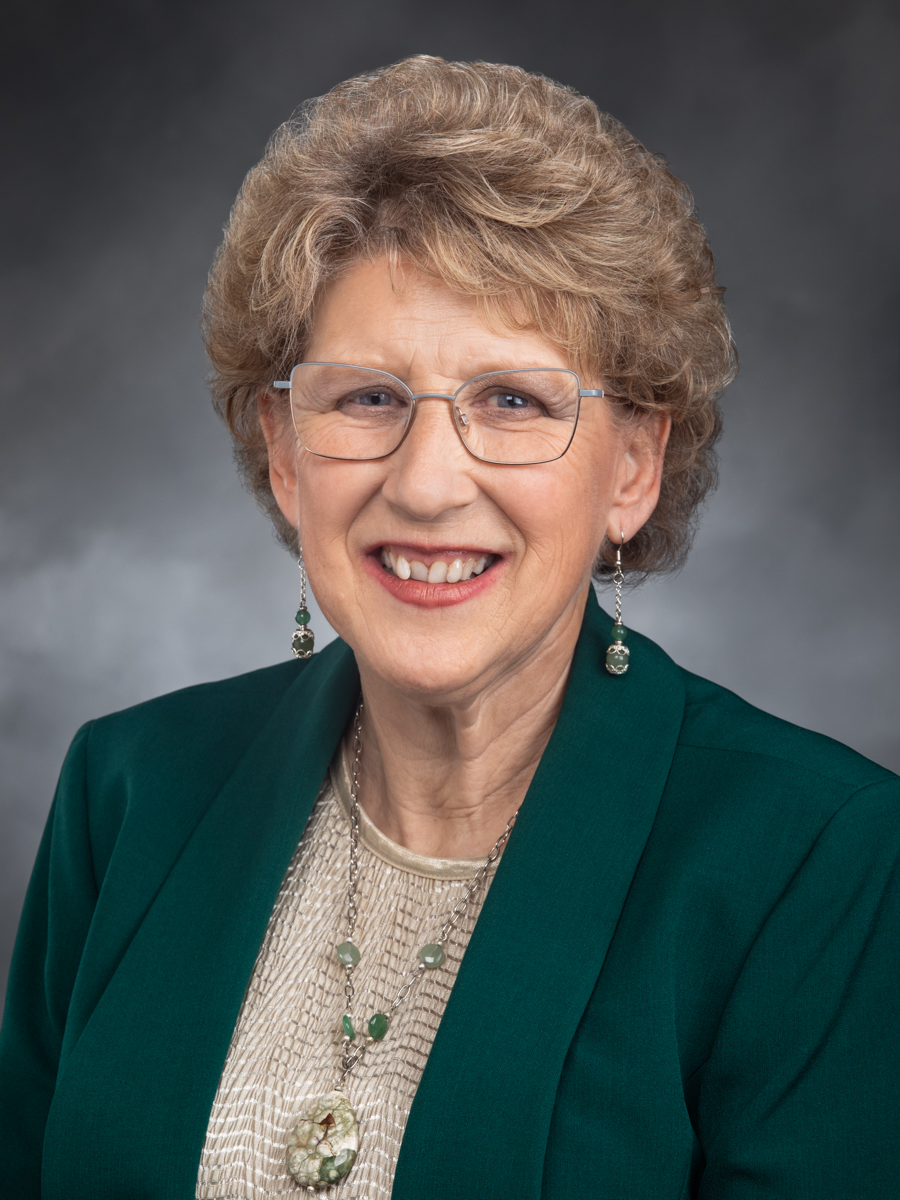
Lisa Callan
Lisa Callan House · District 5
D
Strong +
98% 94
Liz Lovelett
Liz Lovelett Senate · District 40
D
Strong +
97% 71
Darya Farivar
Darya Farivar House · District 46
D
Strong +
96% 94
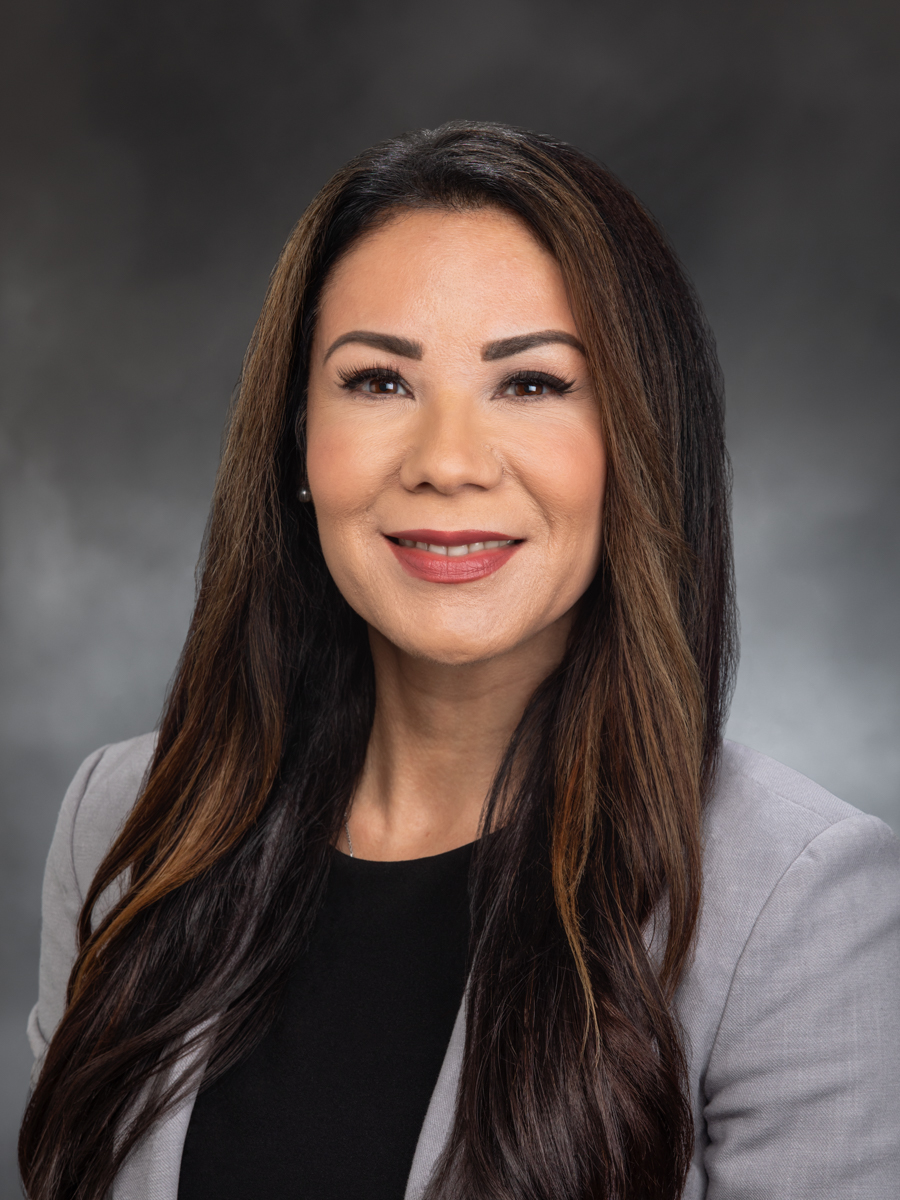
My-Linh Thai
My-Linh Thai House · District 41
D
Strong +
96% 94
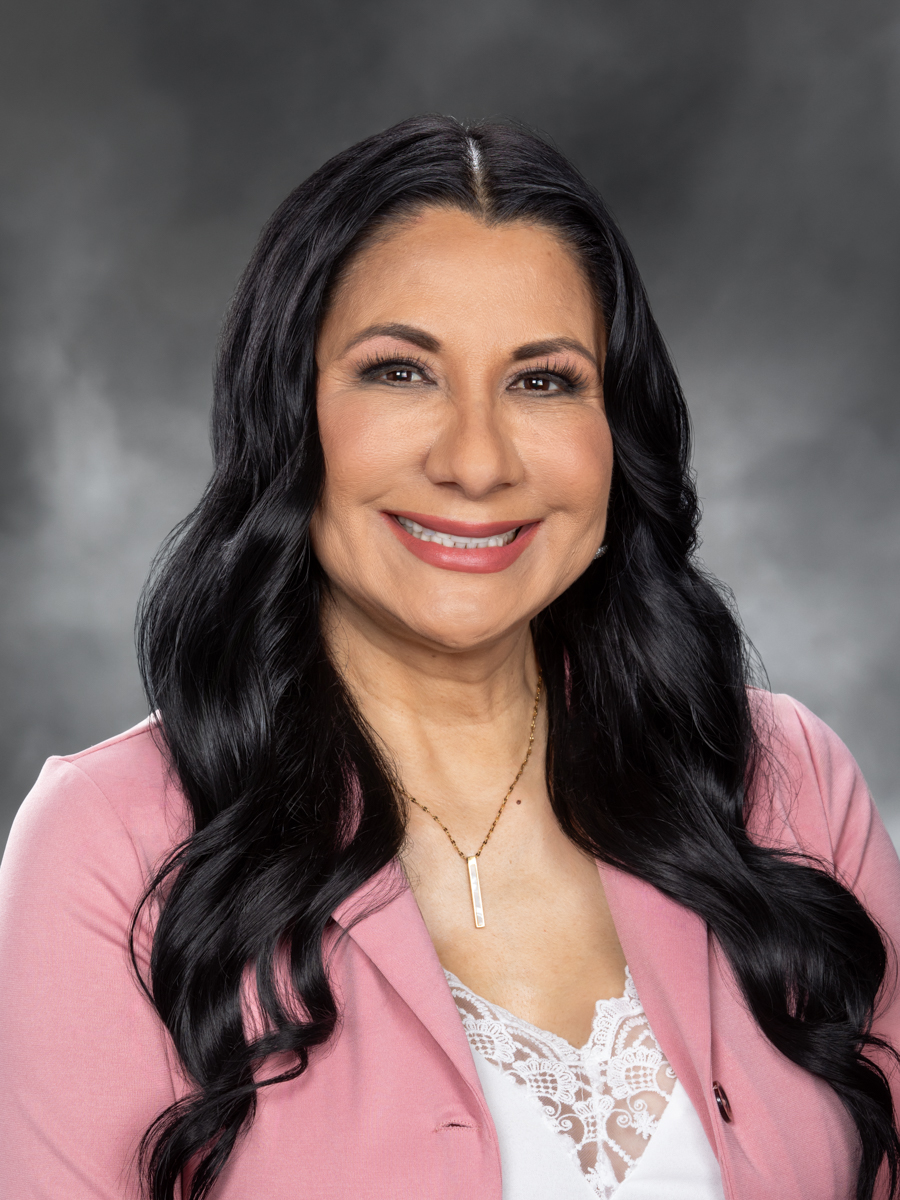
Sharlett Mena
Sharlett Mena House · District 29
D
Strong +
96% 94
Shelly Short
Shelly Short Senate · District 7
R
Strong −
5% 72
Nikki Torres
Nikki Torres Senate · District 15
R
Strong −
5% 72
Gloria Mendoza
Gloria Mendoza House · District 14
R
Strong −
7% 62
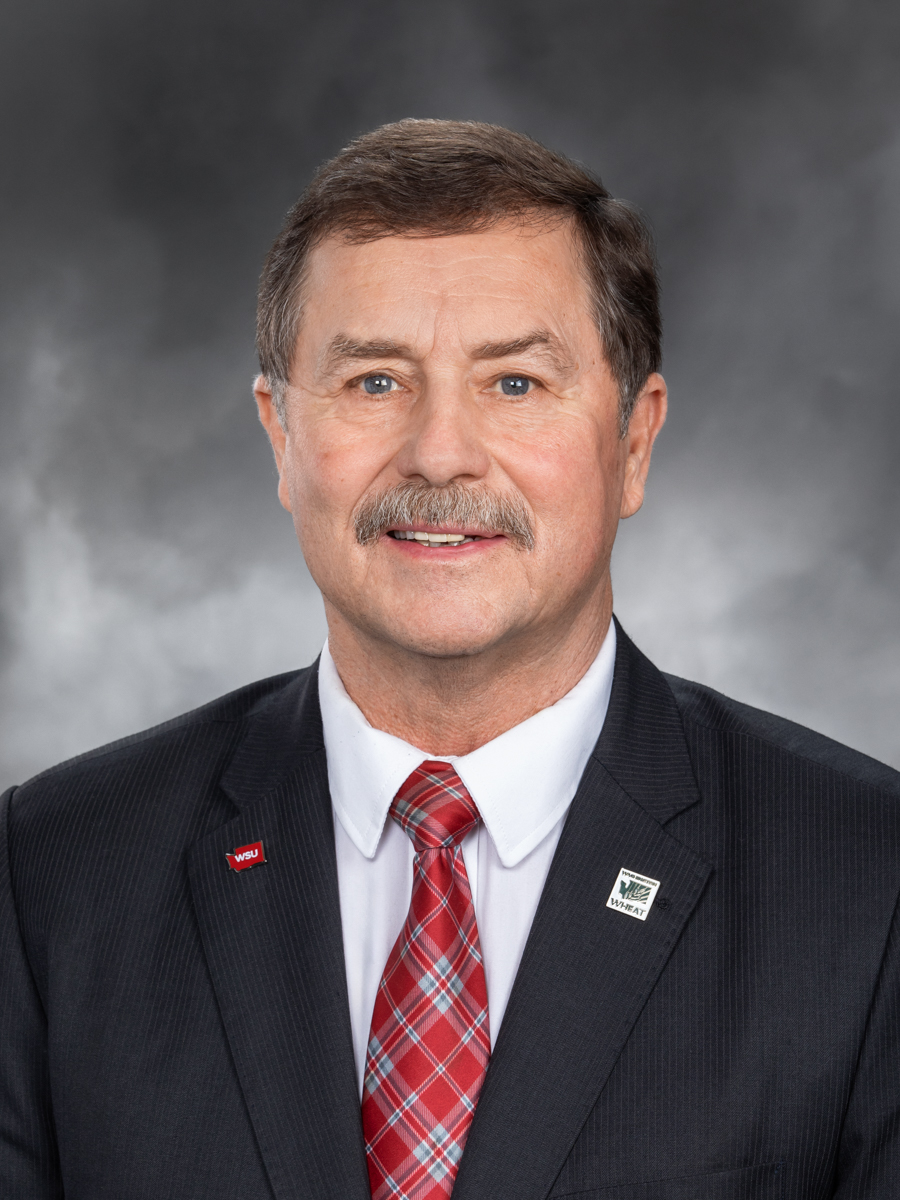
Mark Schoesler
Mark Schoesler Senate · District 9
R
Strong −
10% 72
Leonard Christian
Leonard Christian Senate · District 4
R
Strong −
10% 72
Showing 141–150 of 222 bills

All transportation bills

signed · Washington · Senate May 20, 2025

SB 5802: Rebalancing statutory fund transfers and revenue dedications for transportation.

Senate Bill 5802 rebalances how state funds are transferred to support transportation and public works projects. The bill amends existing laws to modify the amounts and durations of transfers from the state's general fund and the public works assistance account. Specifically, it adjusts financial contributions to the connecting Washington account, the move ahead WA flexible account, and the Tacoma Narrows toll bridge account. These changes generally reduce or shorten the periods for these transfers, directly affecting the financial allocations for various state transportation initiatives.
signed · Washington · House Apr 11, 2025

HB 1054: Concerning county ferry maintenance and repair contracts.

HB 1054 allows counties operating ferry systems to enter into longer-term contracts (up to 10 years) for the maintenance and repair of county ferry vessels, specifically exempting these contracts from standard annual competitive bidding requirements. This change directly affects counties with ferry operations under Chapter 36.54 RCW, streamlining procurement for essential vessel upkeep. The bill amends existing law to permit "unit priced contracts" for ferry maintenance with extended terms, while keeping all other public works projects subject to standard competitive bidding rules. This policy adjustment aims to provide stability for ongoing ferry maintenance without altering general county purchasing procedures.
in committee · Washington · Senate Jan 12, 2026

SB 5160: Making supplemental transportation appropriations for the 2023-2025 fiscal biennium.

SB 5160 provides supplemental transportation funding for Washington State's 2025-2027 fiscal biennium, totaling approximately $26.16 million for the Washington State Patrol and other agencies. It directly affects state agencies, counties, and tribal governments through specific project allocations, such as $7.3 million for the University of Washington to map sidewalks and improve accessibility, $2.5 million for county bridge load rating grants, and $3.7 million for traffic safety initiatives including telematics data collection and tribal traffic safety programs. Key mechanisms include strict "provided solely" conditions requiring funds to be used only for designated purposes, with amounts lapsing if related legislation (e.g., SB 5374 for tribal programs) isn't enacted by June 2025. The bill does not create new policies but allocates existing funds to targeted transportation projects and administrative needs.
passed · Washington · Senate Feb 26, 2026

SB 5215: Concerning debris escaping from vehicles on public highways.

Senate Bill 5215 updates regulations to prevent debris from escaping vehicles on public highways, primarily affecting drivers and businesses transporting materials like dirt, sand, and gravel. The bill mandates that vehicles carrying these aggregate materials on paved highways use a covering to prevent spillage, phasing out a freeboard exemption by 2028. It also requires vehicles to be cleaned of mud and other debris before operating on paved roads. The legislation clarifies and strengthens penalties for failing to secure a load, ranging from an infraction to a gross misdemeanor if substantial bodily harm results. Additionally, it removes an exemption for certain materials from local ordinances regarding securing loads at transfer stations or landfills.
signed · Washington · House May 12, 2025

HB 1596: Concerning accountability for persons for speeding.

HB 1596, titled "Concerning accountability for persons for speeding," requires certain drivers to install an "intelligent speed assistance device" in their vehicles. This applies to individuals with temporary restricted or occupational driver's licenses, those on probation for specific traffic offenses, or by court order. The device uses GPS to limit a vehicle's speed to the posted limit, though it includes a limited override function for up to three uses per month. Drivers are responsible for the costs of installation, maintenance, and a monthly fee, with some exemptions for employer-owned vehicles and indigence. Data collected by these devices is securely maintained and generally not shared without a court order.
Sub-Topics Traffic Safety
in committee · Washington · Senate Jan 12, 2026

SB 5734: Concerning the interstate bridge replacement toll bond authority.

SB 5734 authorizes up to $2.5 billion in state bonds to finance Washington's share of the Interstate 5 bridge replacement project with Oregon, directly affecting bridge toll users and taxpayers paying fuel and vehicle-related fees. The bill establishes that bond repayment will come first from bridge toll revenue, then from fuel taxes and vehicle fees, with no state debt issued without approval from the state financing committee. It clarifies that bonds are secured solely by toll revenue and fees - not general state credit - and requires the legislature to maintain these tolls and taxes to cover bond payments. The project will be funded through partnership with Oregon, sharing both costs and toll revenues equally.
signed · Washington · House May 20, 2025

HB 2077: Establishing a tax on certain business activities related to surpluses generated under the zero-emission vehicle program.

House Bill 2077 establishes a new tax on certain vehicle manufacturers. This tax applies to profits generated from surplus zero-emission vehicle (ZEV) credits, which are earned when a manufacturer exceeds the state's ZEV sales requirements. The bill requires the Department of Ecology to share manufacturers' ZEV credit activity with the Department of Revenue, and manufacturers must report the prices of ZEV credit transactions. The collected tax revenue is intended to be reinvested into programs that further promote cleaner vehicles.
in committee · Washington · Senate Jan 12, 2026

SB 5042: Concerning vehicle and operator requirements for autonomous vehicles.

SB 5042 requires that autonomous vehicles transporting passengers or goods in Washington must have a human safety operator physically present to monitor and intervene if needed, meeting all standard driving requirements. It mandates that companies testing autonomous vehicles must provide law enforcement with advance notice (14-60 days), report collisions and moving violations, and display vehicle details like make and license plate. The bill also sets federal compliance standards for autonomous vehicles and requires testers to submit annual safety reports to the state legislature. These rules directly affect autonomous vehicle testing companies, safety operators, and law enforcement agencies.
in committee · Washington · House Jan 12, 2026

HB 1512: Improving traffic safety.

HB 1512 establishes a grant program to help low-income drivers address nonmoving traffic violations (like registration or insurance issues) through nonpunitive solutions such as repair vouchers, helmet programs, or community education, rather than fines. It directly affects low-income road users - defined as those on public assistance, WIC, Medicaid, or earning 125% of the federal poverty level - by providing alternatives to financial penalties. The bill also requires police to report detailed stop data (including race, age, and reason for stops) starting in 2026 and clarifies that stops for nonmoving violations can only be secondary to primary offenses like speeding or impaired driving. These provisions aim to reduce racial disparities in traffic enforcement while improving road safety compliance.
in committee · Washington · House Feb 5, 2026

HB 1367: Improving motorcycle safety by authorizing the use of the right shoulder of limited access roadways.

HB 1367 allows motorcycles to temporarily use the right shoulder of limited-access highways (like freeways) when traffic is stopped or moving at 25 mph or slower. This applies only under specific conditions: motorcycles must not exceed 10 mph faster than adjacent traffic, must travel alone (not two abreast), and must exit the shoulder before exits offering alternative routes or services. The bill amends Washington’s vehicle code to permit this shoulder use while maintaining existing restrictions on lane-sharing and passing. It directly affects motorcycle riders operating in slow-moving or stopped traffic on major highways.
Showing 141 to 150 of 222 bills
Previous 1 14 15 16 23 Next