

Issue · Transportation
Transportation
Every transportation bill, vote, and legislator stance in Washington, automatically classified by Maddy, our AI policy reader.
Total bills
9
2025-2026 Regular Session
Top supporter
Lisa Callan
98% support rate
Top opponent
Shelly Short
5% support rate
Ranked legislators
10
5 support · 5 oppose
Key legislators
Who's moving transportation in Washington
| Legislator | Party | Stance | Support rate | Votes |
|---|---|---|---|---|

Lisa Callan
House · District 5
|
D |
Strong +
|
98% | 94 |

Liz Lovelett
Senate · District 40
|
D |
Strong +
|
97% | 71 |

Darya Farivar
House · District 46
|
D |
Strong +
|
96% | 94 |

My-Linh Thai
House · District 41
|
D |
Strong +
|
96% | 94 |

Sharlett Mena
House · District 29
|
D |
Strong +
|
96% | 94 |

Shelly Short
Senate · District 7
|
R |
Strong −
|
5% | 72 |

Nikki Torres
Senate · District 15
|
R |
Strong −
|
5% | 72 |

Gloria Mendoza
House · District 14
|
R |
Strong −
|
7% | 62 |
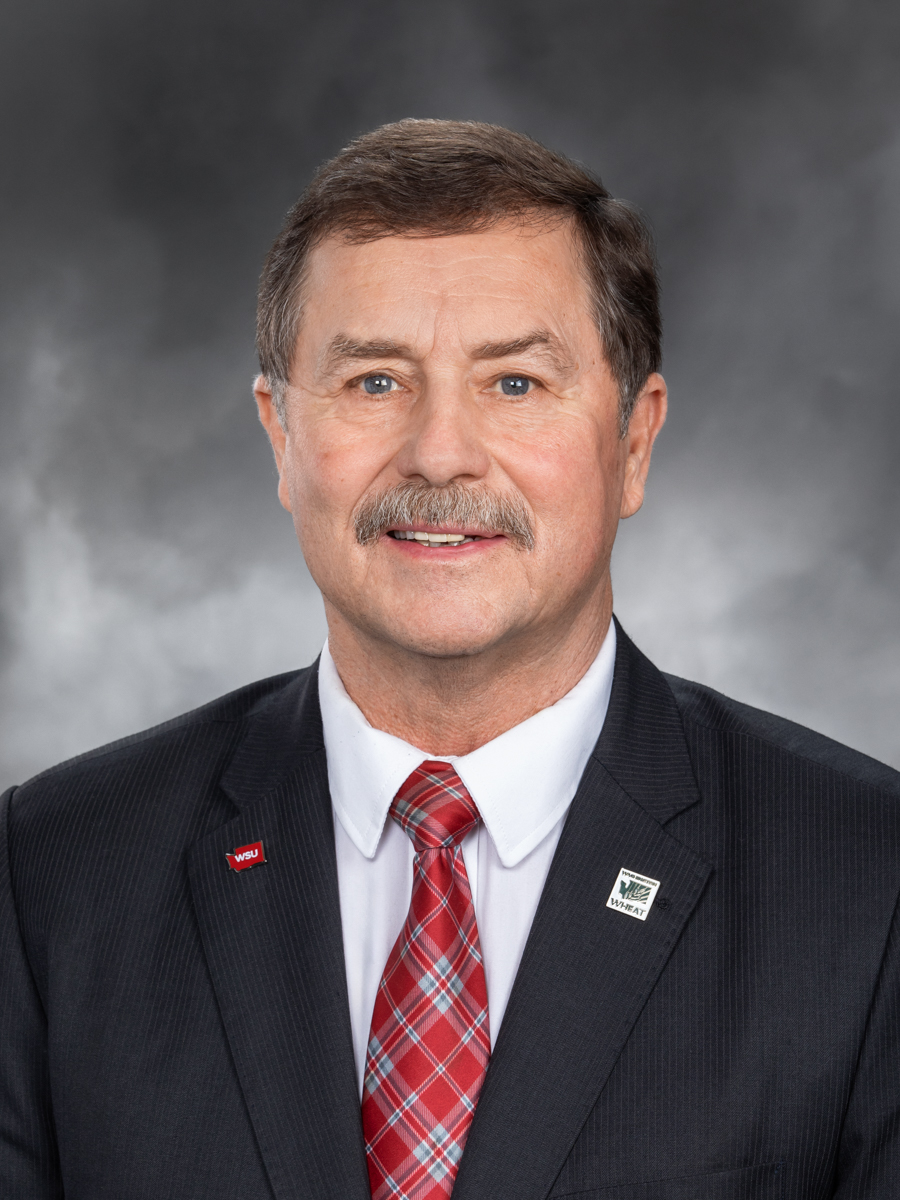
Mark Schoesler
Senate · District 9
|
R |
Strong −
|
10% | 72 |

Leonard Christian
Senate · District 4
|
R |
Strong −
|
10% | 72 |
Showing 9 of 9
bills
All transportation bills
SB 6056: Exempting utility service vehicles from certain motor vehicle emission standards.
Topics
✗ EnergyOpposes EnergyExempts utility vehicles from emission standards, weakening clean energy regulations for energy infrastructure operators.
✗ EnvironmentOpposes EnvironmentExempts utility vehicles from emission standards, weakening pollution controls. Directly removes regulatory requirements for emissions under state law.
✗ TransportationOpposes TransportationExempts utility vehicles from emission standards, weakening regulatory requirements for transportation vehicles under state law.
Sub-Topics
Freight
HB 1862: Regulating the length of trains on railroads.
Topics
✓ Labor & EmploymentSupports Labor & EmploymentRequires extra crew members for trains exceeding length limits, improving workplace safety standards for railroad workers.
✗ TransportationOpposes TransportationLimits train length to 8,500 ft requiring approval for longer trains, imposing operational restrictions on rail transportation infrastructure.
HB 1513: Safeguarding natural resources in the Washington State Seashore Conservation Area.
Topics
✓ EnvironmentSupports EnvironmentMandates pedestrian zones, restricts vehicle access during key seasons, and protects salmon spawning habitats - directly advancing conservation of coastal ecosystems and natural resources.
✗ TransportationOpposes TransportationRestricts motorized vehicle access on beaches during specific seasons and near salmon streams, directly limiting transportation use in conservation zones.
HB 1869: Prohibiting the expenditure of Washington state funds for any capital costs of a transit agency created pursuant to the laws of an adjacent state.
Topics
✗ Budget & TaxesOpposes Budget & TaxesRestricts state funding for capital projects of cross-state transit agencies, directly limiting government expenditure on infrastructure projects.
✗ TransportationOpposes TransportationProhibits state funding for capital costs of cross-state transit agencies, restricting transportation infrastructure funding for capital projects.
SB 5802: Rebalancing statutory fund transfers and revenue dedications for transportation.
SB 5287: Limiting the monetary assistance an indigent person may receive from the ignition interlock device revolving account program.
Topics
✗ Budget & TaxesOpposes Budget & TaxesBill restricts state spending by limiting financial aid for ignition interlock devices to two vehicles per household, directly reducing government expenditure on this program.
✗ Criminal JusticeOpposes Criminal JusticeBill restricts financial aid for indigent DUI offenders in ignition interlock program, limiting access to device costs for low-income drivers.
✗ TransportationOpposes TransportationRestricts financial assistance for ignition interlock devices (a vehicle safety program under transportation regulations), limiting access for low-income drivers in DUI cases.
Sub-Topics
Traffic Safety
HB 1405: Reducing the requirements of complete streets obligations for transportation projects.
SB 5091: Concerning motor vehicle emission standards for Washington.
Topics
✗ EnvironmentOpposes EnvironmentBlocks California's stricter emission standards, requiring federal baseline which is weaker, thus weakening environmental protections.
✗ TransportationOpposes TransportationPrevents adoption of stricter California emission standards, aligning with federal baseline instead. Weakens state-level environmental regulations for vehicles, a transportation policy area.
Sub-Topics
Air Quality