Issue · Education

Education

Every education bill, vote, and legislator stance in Washington, automatically classified by Maddy, our AI policy reader.

Total bills
352
2025-2026 Regular Session
Top supporter
Claire Wilson
89% support rate
Top opponent
Zach Hall
13% support rate
Ranked legislators
10
5 support · 5 oppose
Key legislators

Who's moving education in Washington

Legislators moving education in Washington
Legislator Party Stance Support rate Votes
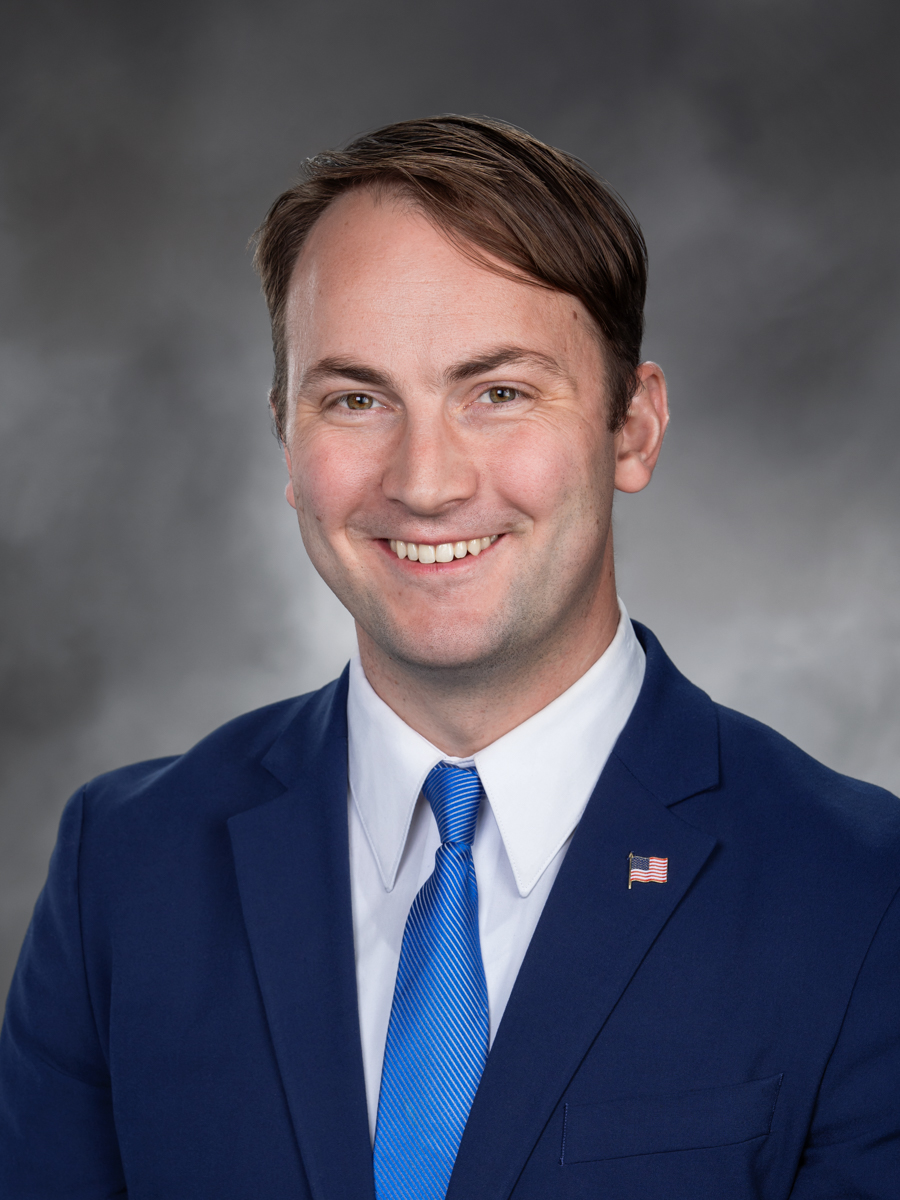
Claire Wilson
Claire Wilson Senate · District 30
D
Strong +
89% 74
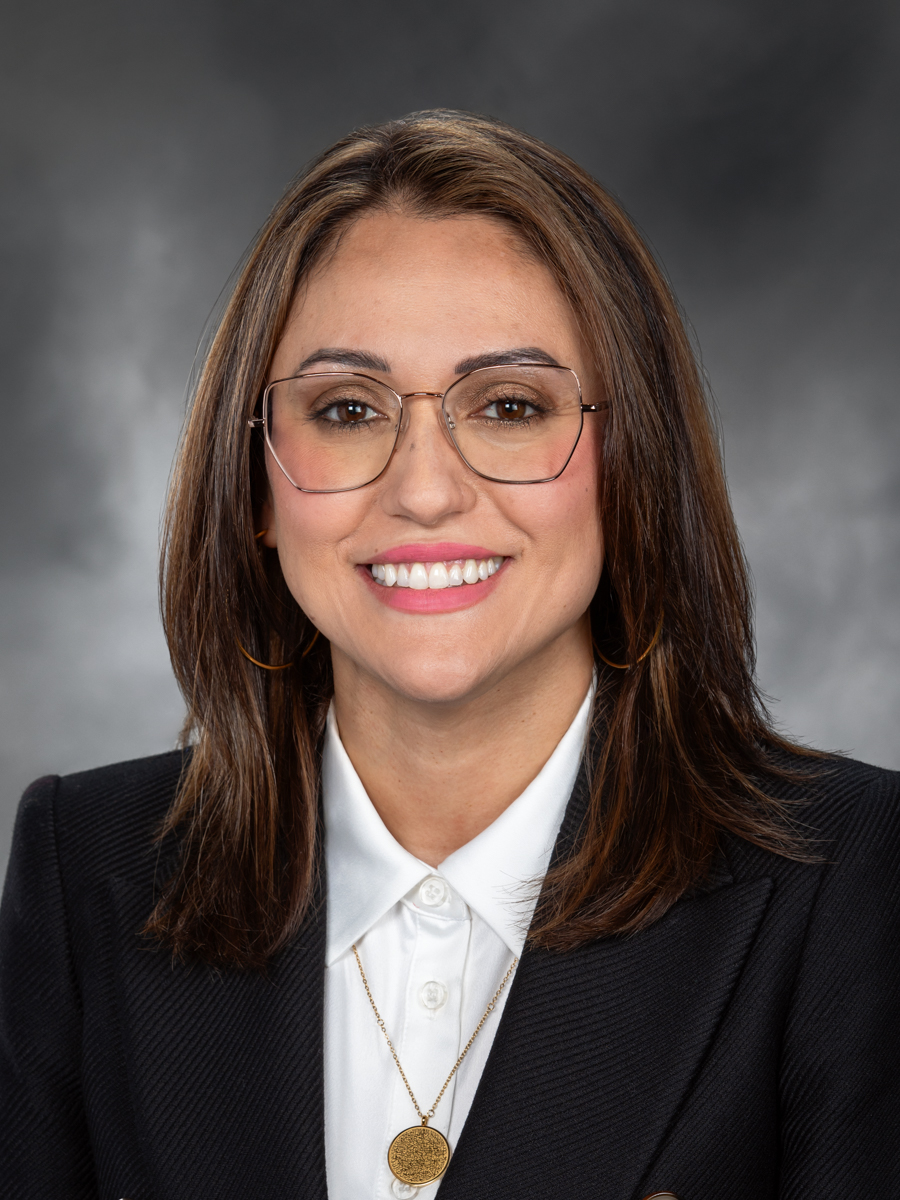
Adison Richards
Adison Richards House · District 26
D
Strong +
88% 190
Yasmin Trudeau
Yasmin Trudeau Senate · District 27
D
Strong +
86% 74
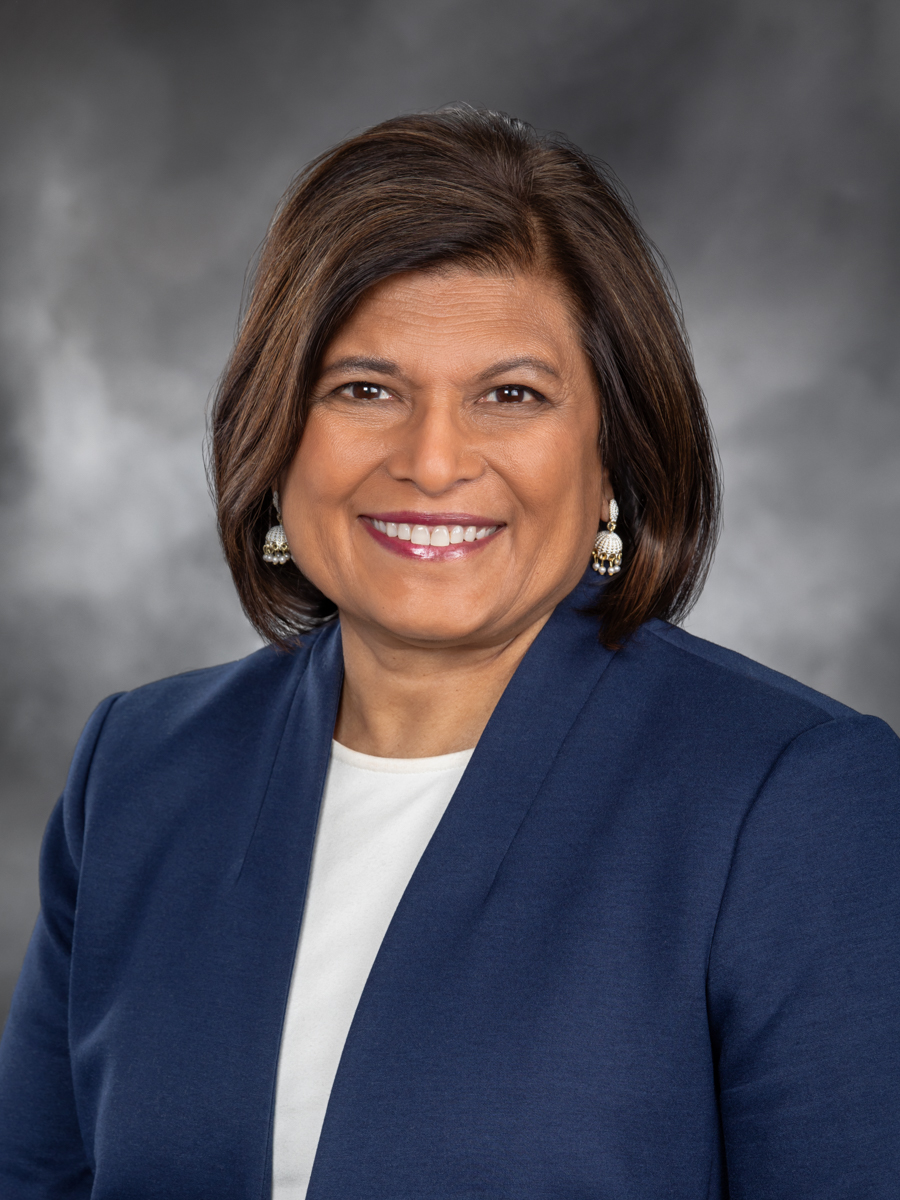
Vandana Slatter
Vandana Slatter Senate · District 48
D
Strong +
86% 75
RS
Rebecca Saldaña Senate · District 37
D
Strong +
86% 74
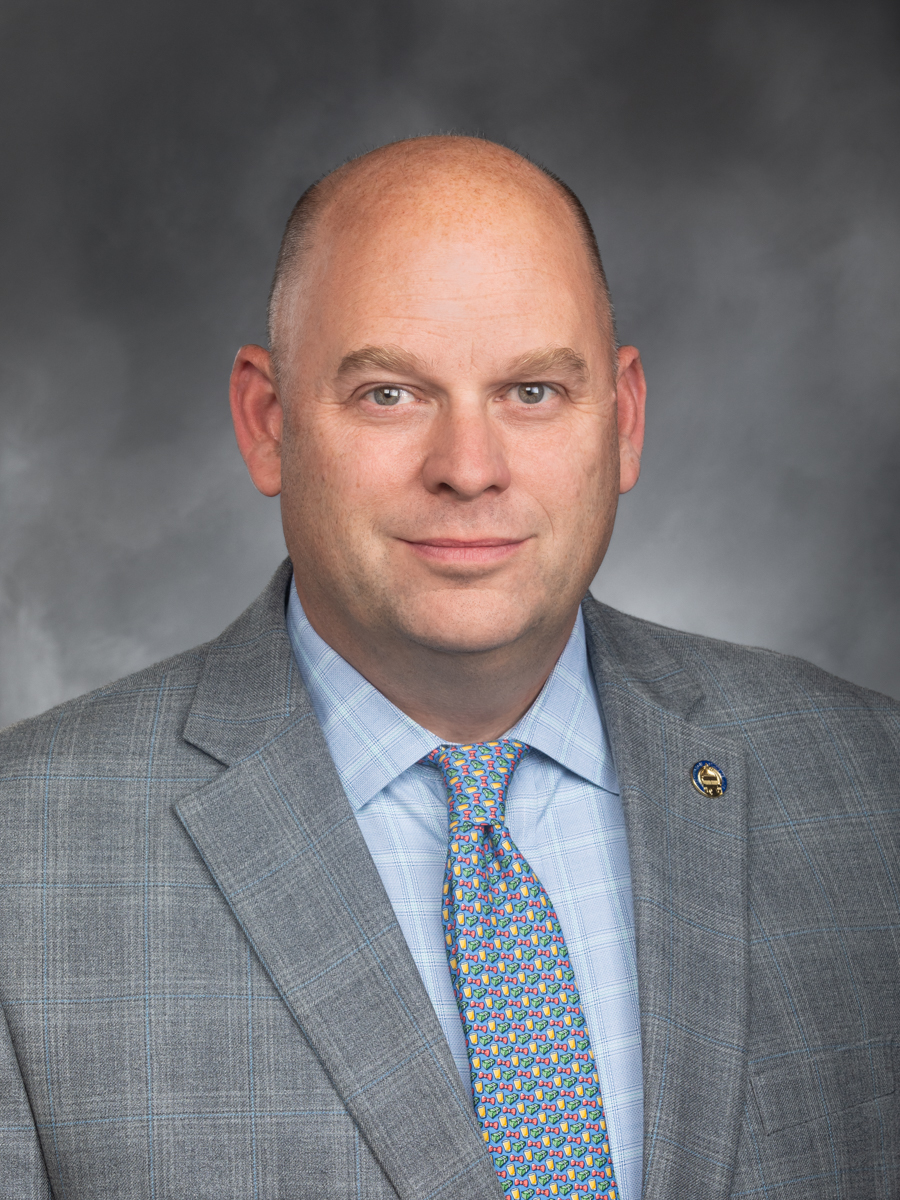
Zach Hall
Zach Hall House · District 5
D
Strong −
13% 135
Leonard Christian
Leonard Christian Senate · District 4
R
Strong −
14% 74
Jim McCune
Jim McCune Senate · District 2
R
Strong −
14% 72
Drew MacEwen
Drew MacEwen Senate · District 35
R
Strong −
16% 73
Shelly Short
Shelly Short Senate · District 7
R
Strong −
18% 74
Showing 301–310 of 352 bills

All education bills

in committee · Washington · Senate Feb 26, 2026

SB 5095: Concerning school districts' authority to contract indebtedness for school construction.

This bill allows Washington school districts to issue bonds for school construction under $250,000 without requiring voter approval, streamlining funding for smaller projects. Districts must still secure voter approval for facility levies under RCW 84.52.053 and hold public hearings for bonds exceeding $250,000, including details on purpose, repayment, and terms. The law modifies existing debt authority (RCW 28A.530.080) to remove voter approval requirements for smaller bond issuances while maintaining transparency measures. It directly affects school districts managing capital projects, enabling faster access to funds for construction, modernization, or remodeling.
signed · Washington · Senate Mar 23, 2026

SB 5272: Improving school safety by extending penalties for interference by, or intimidation by threat of, force or violence at schools and extracurricular activities and requiring schools to notify the public of such penalties.

SB 5272 strengthens school safety by increasing penalties for threatening or using force/violence against school staff, students, or athletic officials (like referees) during school activities. It requires schools to post clear signage at entrances and athletic venues explaining these penalties, including fines up to $1,000 or up to 364 days in jail for adults, plus 12-18 months exclusion from school or events. For students, it mandates immediate removal during incidents and up to a 12-month exclusion from athletic activities. The bill directly affects all public/private school staff, students, and volunteers in athletic settings by making intimidation or violence a serious misdemeanor with specific, enforced consequences.
in committee · Washington · Senate Jan 12, 2026

SB 5087: Establishing legal education programs at community and technical colleges.

SB 5087 requires Columbia Basin College, Yakima Valley College, and Walla Walla College to offer prelaw associate's degree programs if funding is approved. It also creates a program to financially support community colleges in eastern Washington (east of the Cascades) to establish new, American Bar Association-approved paralegal programs in regions without them, aiming for one program in central Washington and one in eastern Washington. The bill directly affects these colleges and students seeking legal education pathways in underserved areas. Funding availability is a key condition for both provisions. The legislation focuses on expanding accessible legal education opportunities through community colleges.
Sub-Topics Higher Education
passed · Washington · Senate Jan 12, 2026

SB 5327: Concerning learning standards and graduation requirements.

SB 5327 directs the State Board of Education and the Office of the Superintendent of Public Instruction to review and update learning standards and graduation requirements concerning computer science and financial education for K-12 students. The State Board of Education must recommend adjustments to high school graduation requirements to ensure students can demonstrate foundational skills in these subjects, considering various credit and competency options. Concurrently, the Office of the Superintendent of Public Instruction will update K-12 computer science learning standards and review financial education standards. The bill also requires the State Board to collect information from school districts on their current offerings and implementation needs for these subjects, and clarifies that school districts must provide all high school students opportunities to access financial education learning standards.
passed · Washington · Senate Jan 12, 2026

SB 5193: Supporting remote testing options for students enrolled in online school programs.

Senate Bill 5193 supports remote testing options for students enrolled in online school programs in Washington state, directly affecting these students, their families, and participating school districts. Beginning in the 2027-28 school year, school districts with online programs may offer students the ability to complete statewide assessments remotely. To implement this, the Office of the Superintendent of Public Instruction (OSPI) must develop or update assessment administration and security policies by April 1, 2027. These policies will cover requirements for testing personnel, student-to-proctor ratios, remote testing environments, device and network specifications, and parental consent. The bill aims to reduce burdens on families and ensure equitable access to assessments for online learners.
signed · Washington · House Apr 21, 2025

HB 1273: Improving student access to dual credit programs.

This bill aims to improve high school students' access to Career and Technical Education (CTE) dual credit programs in Washington state. It establishes and expands regional pilot programs through grant funding, enabling community and technical colleges, public high schools, and skill centers to boost student participation and credential attainment. The bill also directs the state board for community and technical colleges to plan for improving or replacing the statewide online enrollment and reporting system for CTE dual credit. Additionally, it requires reports to the legislature on the pilot program findings and recommendations for further improvements to dual credit policies and data collection.
in committee · Washington · House Jan 12, 2026

HB 1783: Concerning law enforcement officers participating in college and technical school programs.

HB 1783 allows Washington law enforcement officers to receive small gifts of appreciation (up to $25 in value) for speaking in specific college and technical school courses outside their official duties. The bill directly affects certified law enforcement officers and institutions offering criminal justice, police science, or forensic-related programs, aiming to strengthen community relationships and inspire future recruits. Key provisions permit officers to share real-world expertise in courses like police science or forensic technology, with gifts only allowed when presentations occur outside work hours and comply with state ethics rules. The bill responds to a 2024 workforce assessment highlighting challenges in connecting law enforcement with educational programs. It creates a limited exception to general rules prohibiting state employees from accepting gifts, focusing on educational engagement rather than compensation.
signed · Washington · House Apr 24, 2025

HB 1572: Modifying higher education accreditation standards.

HB 1572 modifies higher education accreditation standards in Washington State. It updates the criteria for the state's higher education council to recognize accrediting agencies, requiring them to maintain rigorous standards for institutional quality, student learning, and financial responsibility. The bill also revises the conditions for certain out-of-state nonprofit institutions operating in Washington to be exempt from specific state regulations. Instead of requiring separate accreditation, these institutions must now meet new criteria related to their operating history, continuous accreditation, eligibility for federal student aid, and academic standing.
Sub-Topics Higher Education
signed · Washington · House Mar 24, 2026

HB 1295: Using evidence-based instructional practices in reading and writing literacy for public elementary students.

HB 1295 requires Washington public school districts to implement evidence-based reading and writing literacy programs for kindergarten through fourth grade students. These programs must include phonics, phonemic awareness, fluency, vocabulary, and comprehension instruction, and be fully operational by the 2027-28 school year. The bill also mandates revised teacher training standards for educators to deliver these programs, with new certification requirements by 2026 and educator preparation programs updated by 2027. This directly affects elementary schools, teachers, and students, particularly those identified as reading below grade level, with specific attention to improving equity in dyslexia screening and support.
in committee · Washington · Senate Jan 12, 2026

SB 5517: Determining state allocations for school staff salaries.

SB 5517 sets new minimum state funding levels for school staff salaries in Washington, primarily affecting school districts and their non-teaching staff. It requires increasing the average state allocation for classified staff (such as office, clerical, and support workers) to $67,325 by the 2025-26 school year, with further increases to $73,384 for 2026-27 and $99,164 for classified administrators by 2027-28, all adjusted for inflation. The bill mandates regional cost adjustments for salary allocations based on local housing values and requires a four-year review to ensure funding aligns with staffing costs. These changes directly impact how school districts calculate state funding for non-certificated staff salaries.
Showing 301 to 310 of 352 bills
Previous 1 30 31 32 36 Next