Issue · Technology

Technology (Artificial Intelligence)

Every technology bill, vote, and legislator stance in Virginia, automatically classified by Maddy, our AI policy reader.

Total bills
4
2026 Regular Session
Top supporter
Alex Askew
100% support rate
Top opponent
Tom Garrett
0% support rate
Ranked legislators
10
5 support · 5 oppose
Key legislators

Who's moving artificial intelligence in Virginia

Legislators moving artificial intelligence in Virginia
Legislator Party Stance Support rate Votes
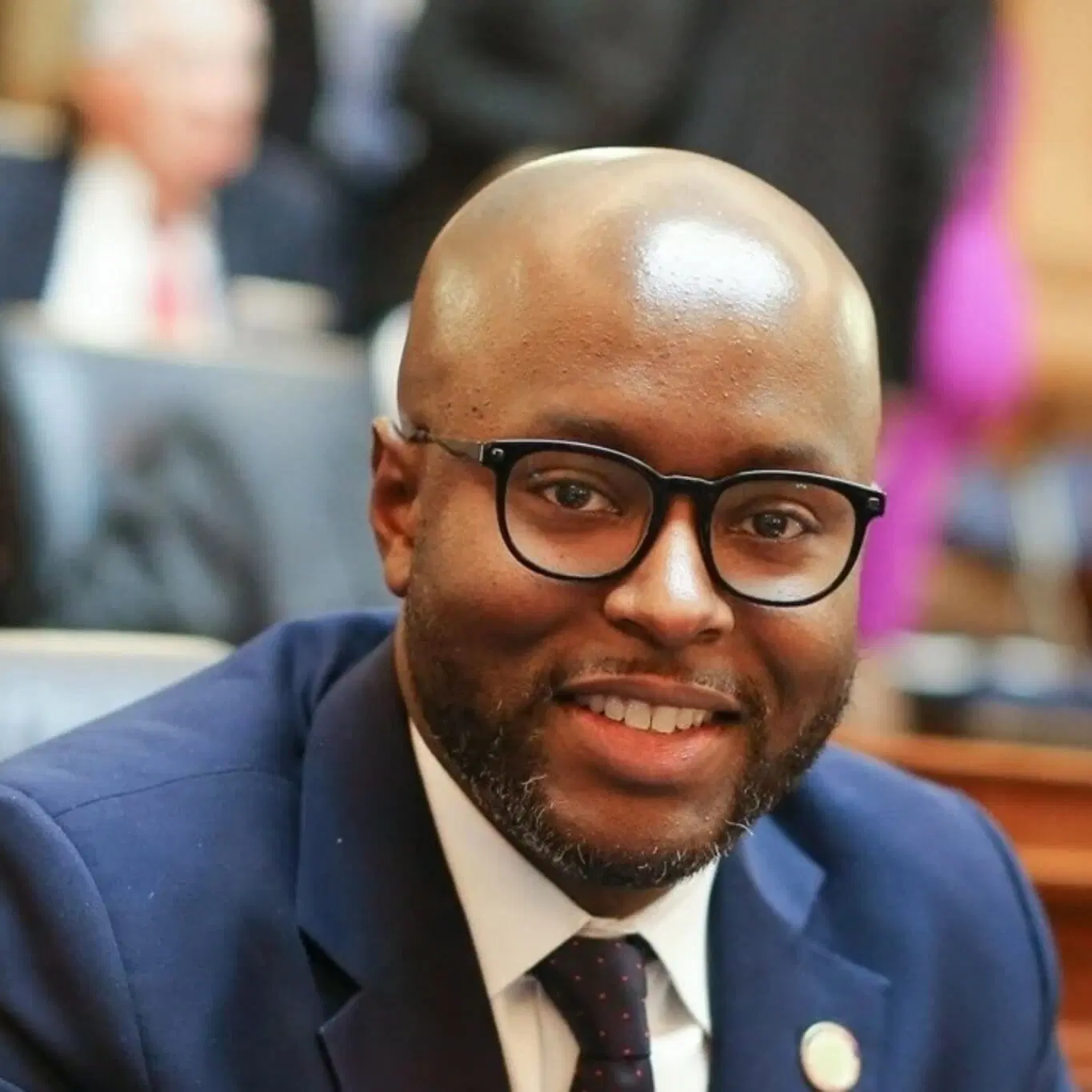
Alex Askew
Alex Askew House · District 95
D
Strong +
100% 6
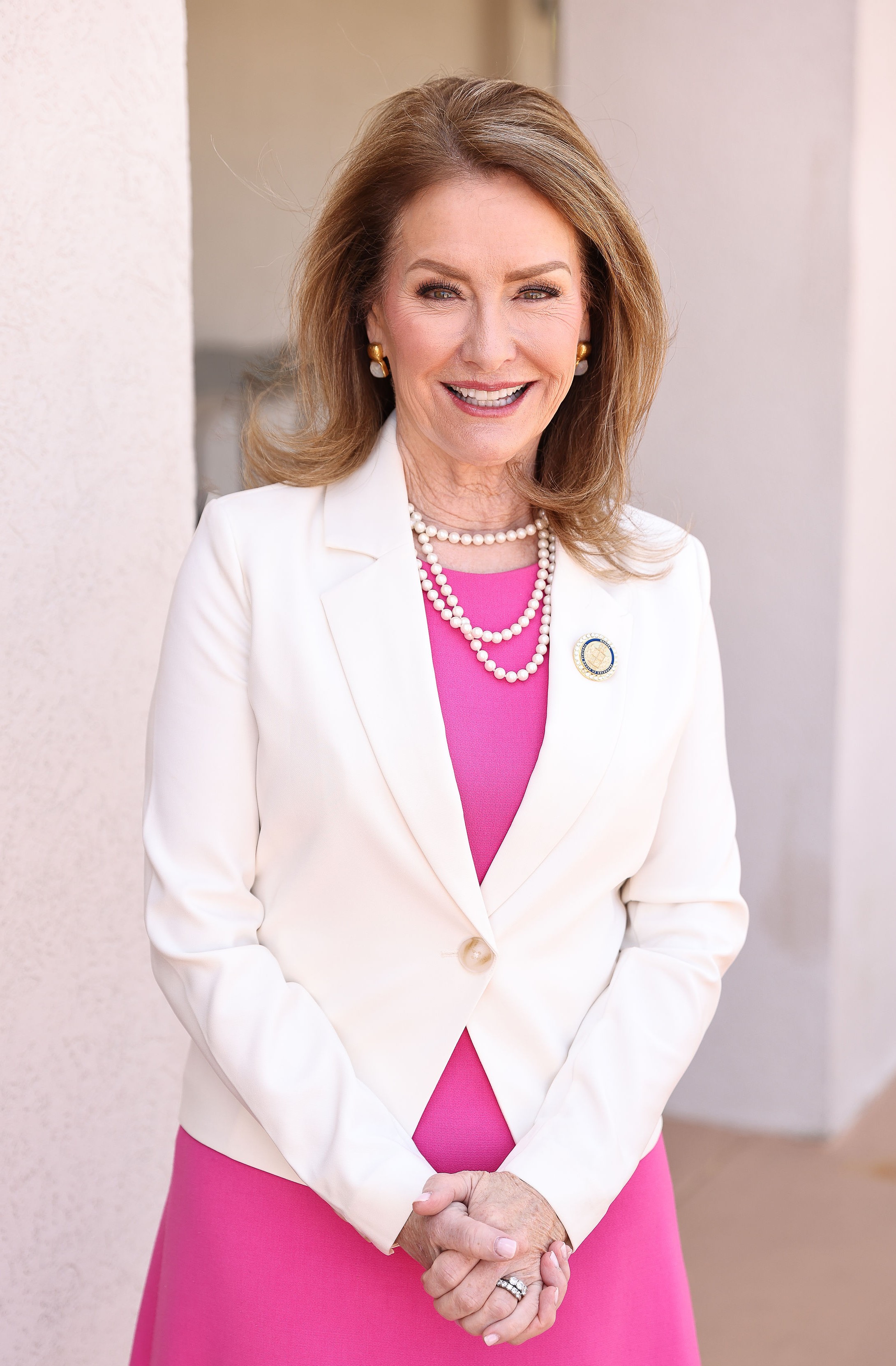
Anne Ferrell Tata
Anne Ferrell Tata House · District 99
R
Strong +
100% 6
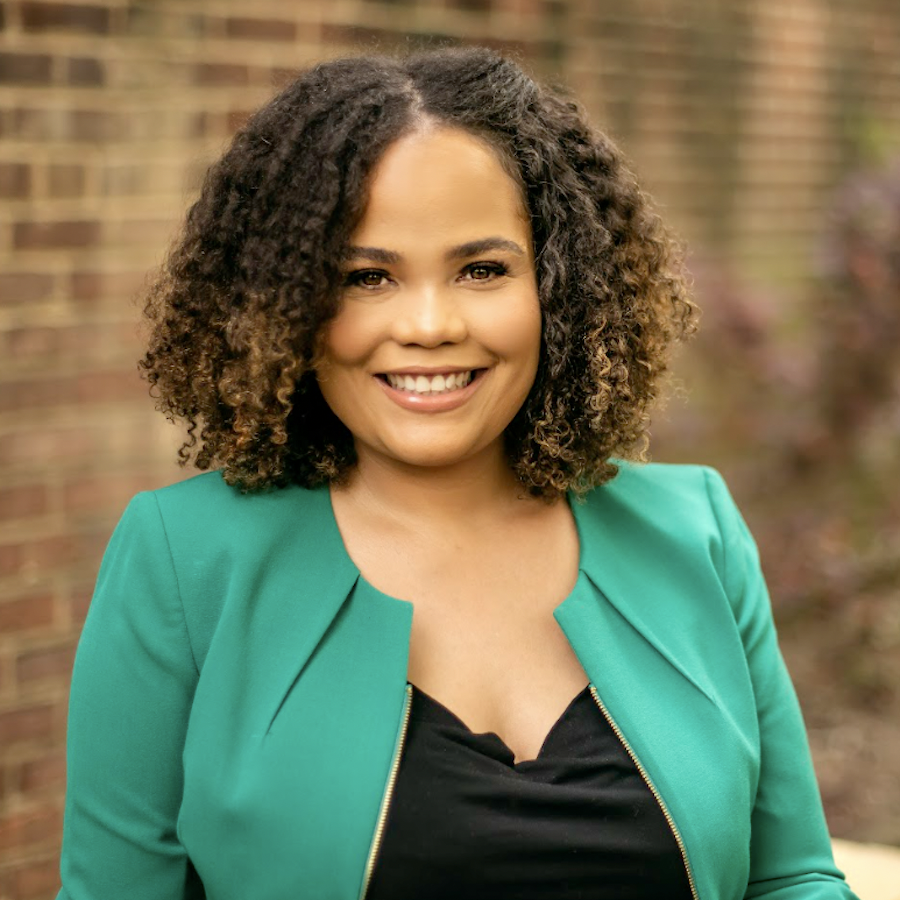
Destiny LeVere Bolling
Destiny LeVere Bolling House · District 80
D
Strong +
100% 6
Rae Cousins
Rae Cousins House · District 79
D
Strong +
100% 6
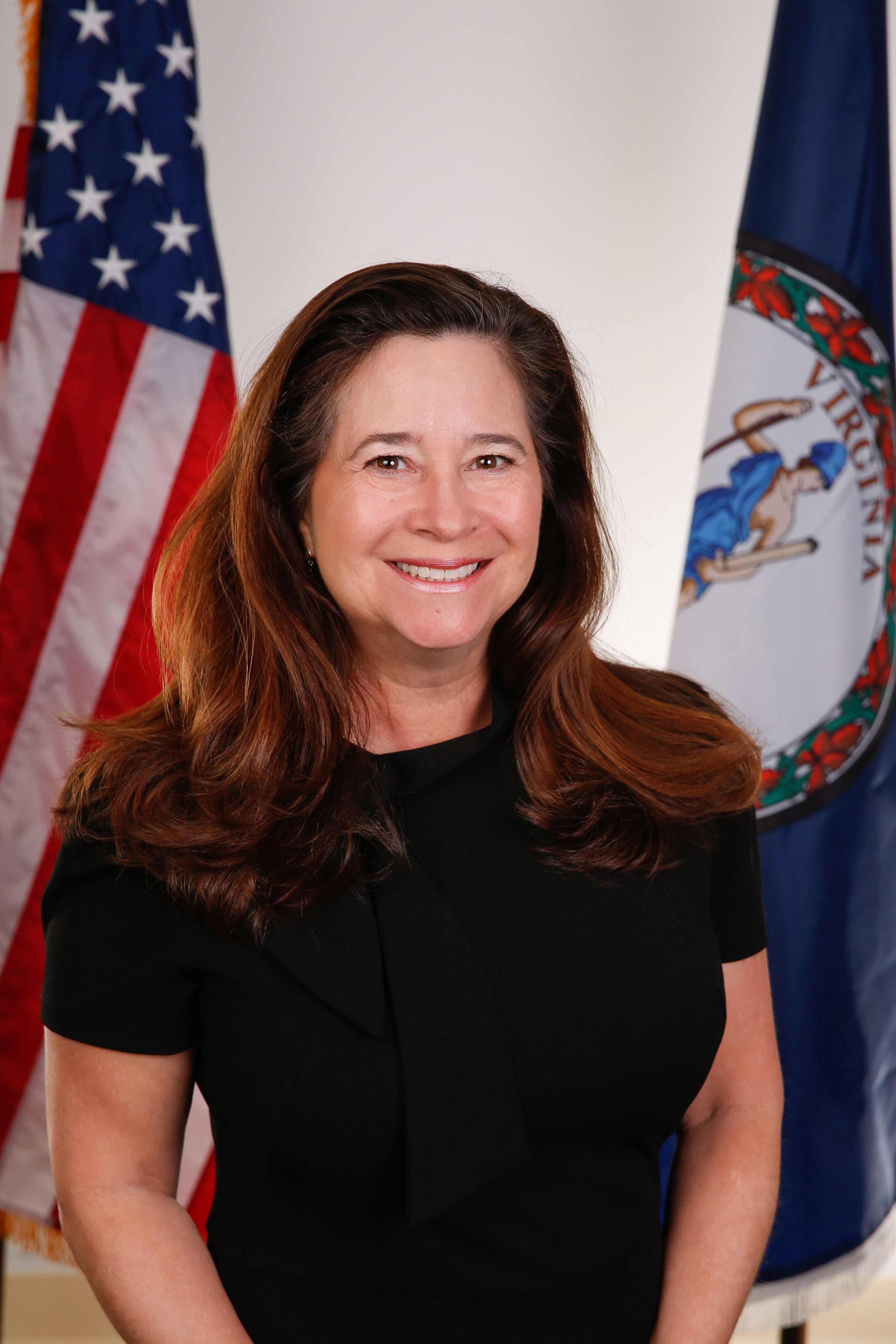
Shelly Simonds
Shelly Simonds House · District 70
D
Strong +
100% 6
Tom Garrett
Tom Garrett House · District 56
R
Strong −
0% 6
Eric Zehr
Eric Zehr House · District 51
R
Strong −
0% 4
Phil Scott
Phil Scott House · District 63
R
Strong −
0% 4
Bill DeSteph
Bill DeSteph Senate · District 20
R
Strong −
0% 3
Bill Stanley
Bill Stanley Senate · District 7
R
Strong −
0% 3
Showing 4 of 4 bills

All technology bills

in committee · Virginia · House of Delegates Feb 18, 2026

HB 758: Artificial Intelligence Chatbots and Minors Act; established, prohibited practices, penalties.

Artificial Intelligence Chatbots and Minors Act established; prohibited practices; penalties. Creates the Artificial Intelligence Chatbots and Minors Act to require that deployers that operate or distribute a chatbot in the Commonwealth (i) ensure that any chatbot operated or distributed by the deployer does not make human-like features, defined in the bill, available to minors to use, interact with, purchase, or converse with and (ii) implement reasonable age verification systems to ensure that chatbots with human-like features are not made available to minors. The bill also requires deployers operating or distributing a chatbot that is a social artificial intelligence companion, defined in the bill, to ensure such chatbot is not available to minors. The bill provides that a violation of its provisions constitutes a prohibited practice under the Virginia Consumer Protection Act.
passed · Virginia · Senate Mar 2, 2026

SB 269: Mental health service providers; definitions, use of artificial intelligence system, civil penalty.

Use of artificial intelligence system by mental health service providers; civil penalty. Permits the use of an artificial intelligence system by mental health service providers to assist in providing therapy or counseling services if such mental health service provider maintains full responsibility for all interactions, outputs, and data use associated with the system. The bill prohibits the use of an artificial intelligence system to provide therapy or counseling services without a mental health service provider. The bill specifies that records kept by mental health service providers must comply with health records privacy requirements; creates an exception for religious counseling, peer support, or self-help materials and educational resources; and establishes a civil penalty not to exceed $10,000 for violations of the statute.
signed · Virginia · House of Delegates Apr 13, 2026

HB 1186: Artificial intelligence; use of systems for student instruction.

Department of Education; artificial intelligence system use in instructional settings; development of AIS safety guidance required; AIS Innovation in Education Pilot Program established; report. Requires the Department of Education, in consultation with school divisions and other relevant stakeholders, to compile information on current uses of artificial intelligence systems (AIS) for student instruction in public schools in the Commonwealth and to establish and post in a publicly accessible location on its website guidance for the safe, ethical, and equitable use of AIS in instructional settings in public elementary and secondary schools. The bill requires each school board to establish, implement, and enforce policies consistent with the guidance developed by the Department in accordance with the provisions of the bill. The bill also directs the Department to establish and oversee the AIS Innovation in Education Pilot Program for the purpose of funding, evaluating, and scaling innovative uses of AIS in public elementary and secondary schools by providing support to school divisions in piloting AIS applications for instruction, tutoring, student engagement, operational efficiency, and teacher support and to submit an annual report to the Chairs of the House Committee on Education and the Senate Committee on Education and Health by December 1. The Pilot Program has an expiration date of July 1, 2030. This bill is identical to SB 394.
passed · Virginia · Senate Mar 2, 2026

SB 796: Artificial Intelligence Companion Chatbots and Minors Act; established, enforcement, civil penalty.

Artificial Intelligence Chatbots and Minors Act established; enforcement; civil penalties; individual action. Creates the Artificial Intelligence Chatbots and Minors Act to require a covered entity, defined in the bill, to (i) implement certain reasonable systems and processes, (ii) make reasonable efforts to notify appropriate emergency services or law enforcement if it obtains knowledge that a user faces an imminent risk of death or serious physical injury, and (iii) submit a report to the Attorney General after obtaining knowledge of certain covered incidents, defined in the bill, connected to one or more of its chatbots. The bill also requires an operator, defined in the bill, to disclose the non-human nature of the chatbot to users at certain intervals. The bill authorizes the Attorney General to initiate an action to seek an injunction and civil penalties for violations and also provides an individual civil action for any person harmed by a violation or the parent or legal guardian of a minor harmed by a violation.