Issue · Technology

Technology (Online Safety)

Every technology bill, vote, and legislator stance in Virginia, automatically classified by Maddy, our AI policy reader.

Total bills
4
2026 Regular Session
Top supporter
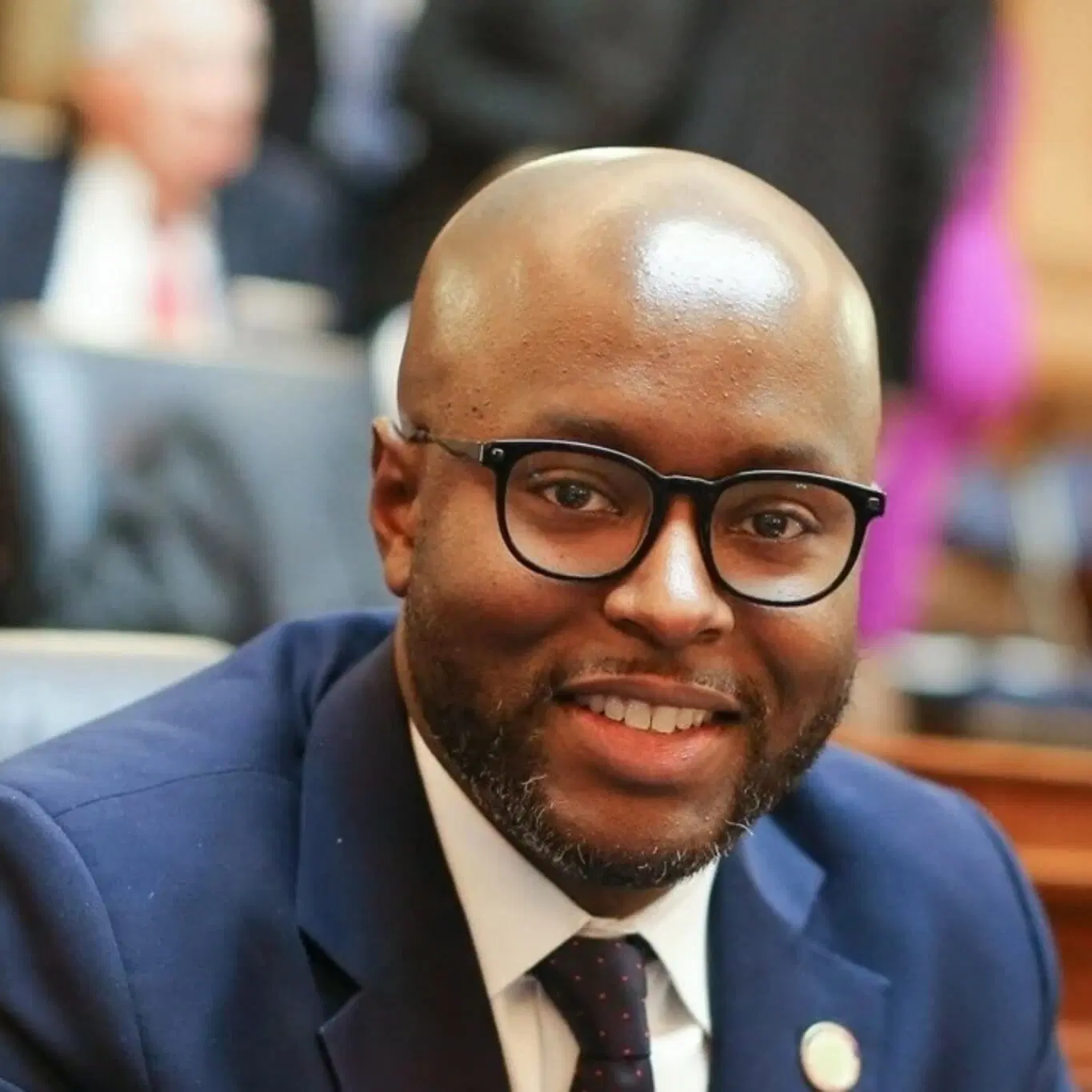
Alex Askew
100% support rate
Top opponent
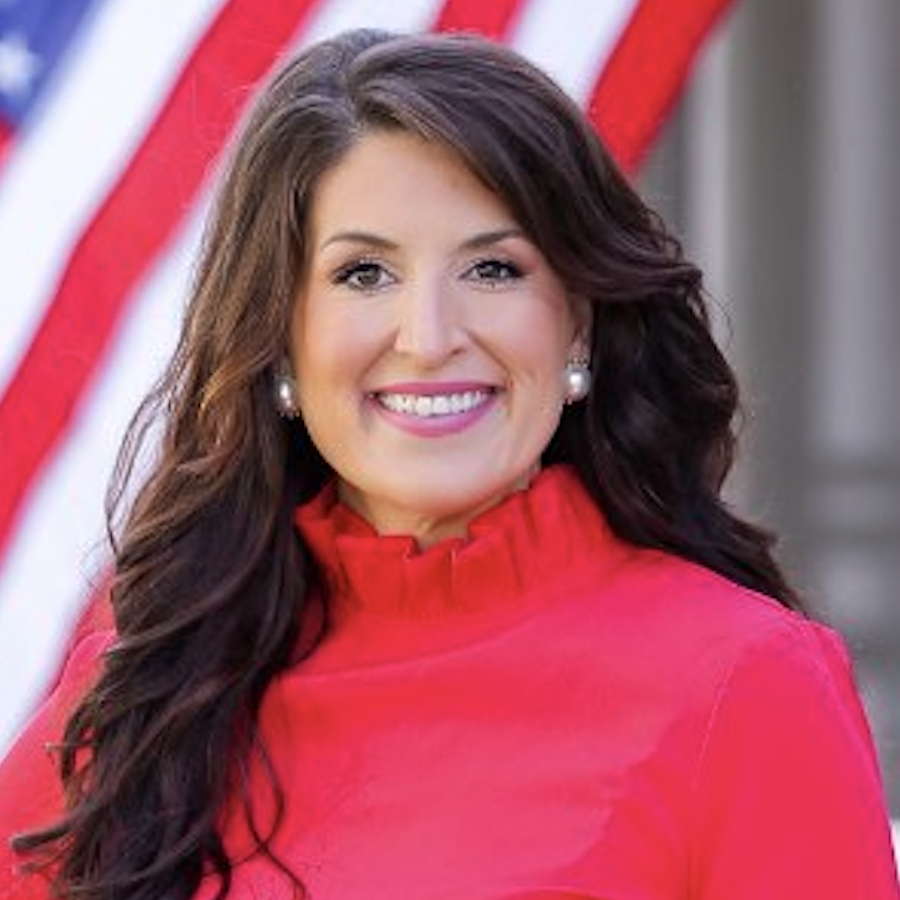
Mike Cherry
0% support rate
Ranked legislators
7
5 support · 2 oppose
Key legislators

Who's moving online safety in Virginia

Legislators moving online safety in Virginia
Legislator Party Stance Support rate Votes
Alex Askew
Alex Askew House · District 95
D
Strong +
100% 3
Anne Ferrell Tata
Anne Ferrell Tata House · District 99
R
Strong +
100% 3
Atoosa Reaser
Atoosa Reaser House · District 27
D
Strong +
100% 3
Destiny LeVere Bolling
Destiny LeVere Bolling House · District 80
D
Strong +
100% 3
Rae Cousins
Rae Cousins House · District 79
D
Strong +
100% 3
Mike Cherry
Mike Cherry House · District 74
R
Strong −
0% 3
Hillary Pugh Kent
Hillary Pugh Kent House · District 67
R
Oppose
33% 3
Showing 4 of 4 bills

All technology bills

in committee · Virginia · House of Delegates Feb 18, 2026

HB 758: Artificial Intelligence Chatbots and Minors Act; established, prohibited practices, penalties.

Artificial Intelligence Chatbots and Minors Act established; prohibited practices; penalties. Creates the Artificial Intelligence Chatbots and Minors Act to require that deployers that operate or distribute a chatbot in the Commonwealth (i) ensure that any chatbot operated or distributed by the deployer does not make human-like features, defined in the bill, available to minors to use, interact with, purchase, or converse with and (ii) implement reasonable age verification systems to ensure that chatbots with human-like features are not made available to minors. The bill also requires deployers operating or distributing a chatbot that is a social artificial intelligence companion, defined in the bill, to ensure such chatbot is not available to minors. The bill provides that a violation of its provisions constitutes a prohibited practice under the Virginia Consumer Protection Act.
passed · Virginia · Senate Mar 10, 2026

SB 819: Lottery, casino gaming, etc.; Va. Lottery shall study responsibility of gaming, age verification.

Virginia Lottery; powers of the Virginia Lottery Board; advertising restrictions; age verification. Directs the Virginia Lottery to study the feasibility of furthering responsible gaming as it relates to the lottery, casino gaming, and sports betting, and to develop an implementation plan to require all lottery terminals to possess proper age verification software to ensure that a consumer is 18 years of age or older. The Director of the Virginia Lottery shall report any findings to the Chairs of the House Committee on General Laws and the Senate Committee on General Laws and Technology by October 1, 2026.
Sub-Topics Online Safety
signed · Virginia · House of Delegates Apr 2, 2026

HB 171: Student instruction; Internet safety, policy to include key modern digital safety topics.

Student instruction; internet safety; certain topics. Requires the internet safety component that is integrated into each school division's instructional program as required by its acceptable internet use policy to include instruction on key modern digital safety topics, including online scams, misinformation, and content generated by artificial intelligence.
passed · Virginia · Senate Mar 10, 2026

SB 39: Public schools; best practice of tech. tools to assist w/identifying students at risk of self-harm.

Department of Education; best practices for implementation in public schools of technology tools to assist with the identification of students at risk of engaging in self-harm or intending to inflict harm on others; report. Directs the Department of Education to convene a work group consisting of representatives set forth in the bill, as determined by the Department in consultation with and based on consideration of suggestions from statewide education organizations and appropriate technology industries, for the purpose of identifying and making recommendations to the chairs of the Senate Committee on Education and Health and the House Committee on Education on best practices for the procurement, implementation, and use in public schools of technology tools designed to assist with the identification of students at risk of engaging in self-harm or intending to inflict harm on others. The bill directs the work group to submit a report on its findings and recommendations to the chairs of the Senate Committee on Education and Health and the House Committee on Education by November 15, 2026.