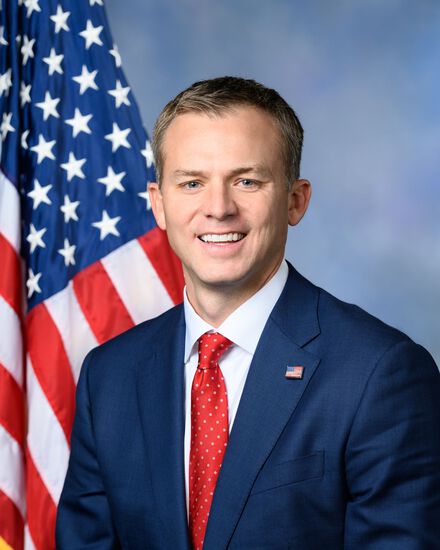
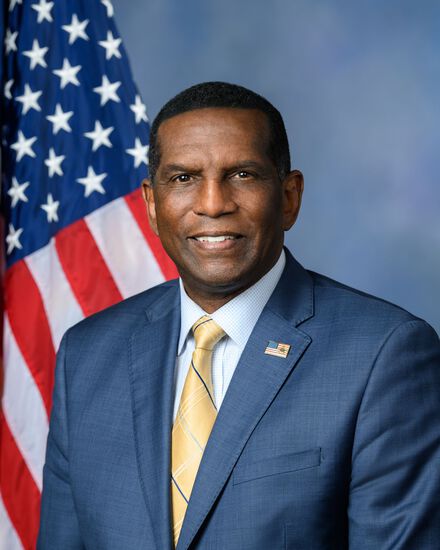
This bill, the End H-1B Visa Abuse Act of 2026, proposes to stop the issuance of H-1B work visas for three years and then restrict them to primary workers rather than their families. It would require employers to prove a shortage of qualified American workers and pay a minimum wage of $200,000 per year, while also banning the use of staffing agencies to hire these workers. The legislation further limits the total number of H-1B visas to 25,000 annually, removes the current lottery system in favor of prioritizing higher wages, and prohibits H-1B workers from holding jobs with more than one employer or working for third-party agencies. Additionally, the bill bars federal government agencies from hiring H-1B workers, eliminates optional training programs for foreign students, and generally prevents nonimmigrant visa holders from changing their status to permanent residents while in the United States.
The Securing Agriculture's Workforce Act of 2026 modernizes the H-2A visa program by transferring administrative authority to the Department of Homeland Security and introducing a unified online platform to streamline applications for employers and workers. Key provisions include establishing new housing standards with mandatory inspections, creating a system for staggered worker entry and exit, and allowing workers to transfer between employers without losing their status. The bill also defines specific job classifications for wage calculations, expands the scope of covered agricultural activities, and provides legal protections for employers who document the employment of workers seeking visa status. Additionally, it requires agencies to develop a heat illness prevention plan and allows for contract termination due to natural disasters.
The PFAS Alternatives Act directs the Secretary of Health and Human Services to create grant programs that help develop and train firefighters on using protective gear free from PFAS chemicals. Under this law, eligible nonprofit and educational organizations can receive funding to research next-generation turnout gear that maintains safety standards without relying on per- and polyfluoroalkyl substances. The legislation allocates up to $25 million between 2027 and 2031 for research grants and $2 million between 2028 and 2032 for training initiatives, ensuring that new gear designs are tested and that first responders learn proper care and decontamination methods. Additionally, the bill requires the Secretary to submit a progress report to Congress within two years of enactment to track the implementation of these safety improvements.
The STRONG Act directs the Office of Management and Budget to create a separate occupational code for strength and conditioning coaches within the Standard Occupational Classification system. This change aims to formally recognize these professionals, who work with athletes, military personnel, and first responders, as having unique skills distinct from athletic trainers or physical therapists. The bill requires the OMB to establish this new category during its next revision of the classification system or submit a report to Congress explaining why it was not done. No new funding is authorized to implement this administrative update.
This bill modifies federal rules to allow adults with disabilities aged 18 and older to work for employers at wages below the standard minimum rate, whereas the previous law restricted this option to individuals under 24. It requires these employers to make documented efforts to find suitable jobs for their employees at regular intervals and permits the use of subminimum wages only if state agencies fail to provide necessary job counseling and referrals. Additionally, the bill mandates that employers must provide copies of these job search records to the individuals they employ. These changes aim to expand employment opportunities for adults with disabilities while maintaining specific oversight to ensure they are not denied access to regular competitive employment.
The TECH Act allows qualified technical schools to apply for the same federal funding as traditional two-year and four-year colleges. To make this happen, the bill requires government agencies to update their rules and application forms so these technical schools can participate in specific grant programs for student support and workforce training. A technical school must offer approved career training programs that lead to recognized credentials in high-demand fields like healthcare or manufacturing to qualify. This change aims to help these schools compete more fairly for financial resources while ensuring they prepare students for essential jobs.
The Davis-Bacon Repeal Act would eliminate federal wage requirements that currently mandate contractors on government-funded construction projects pay workers at least the prevailing local wage rate. By repealing the relevant section of the U.S. Code, the bill removes the legal basis for these minimum wage standards on future contracts. The law includes a transition period that protects existing contracts and those with outstanding bids for 30 days after enactment, ensuring no immediate disruption to ongoing projects. This change would directly affect construction firms and workers involved in federally funded building work by removing the obligation to adhere to specific local wage floors.
The Restoring Rights of Medical Residents Act repeals a specific section of the Pension Funding Equity Act of 2004 that previously barred medical residents from participating in certain pension plans. By removing this restriction, the bill allows medical residents to join and benefit from the same retirement savings programs available to other employees. This change directly affects medical residents working in the United States by expanding their access to employer-sponsored pension funding. The law takes effect on the first March 18 following its enactment.
This bill, titled the Kenya Merritt Renewing our PACT Act of 2026, establishes a legal presumption that specific diseases are caused by exposure to open burn pits and other toxic hazards for certain federal employees. It directly affects workers in departments such as Defense, State, and Homeland Security who spent at least 30 days in foreign contingency operations on or after August 2, 1990. Under the new rules, eligible employees can receive disability or death compensation for listed illnesses without needing to prove that the disease was recorded during their time of exposure. The Secretary of Labor is tasked with maintaining an updated list of covered diseases and submitting a progress report to Congress within one year of the law's enactment.
The PROTECT Act of 2026 modifies rules for H-1B visa petitions to ensure higher wages and stricter oversight for third-party work arrangements. It requires employers to pay H-1B workers at least the higher of the local market rate or $100,000, adjusted annually for inflation, and limits visas for those working at third-party sites to a maximum of one year unless the job assignment is clearly defined and long-term. Additionally, the bill mandates that visa petitions offering higher compensation be prioritized for approval regardless of filing date. A separate provision exempts health care workers from certain filing fees if the employer can prove they made a good faith effort to hire a U.S. citizen or permanent resident before bringing in foreign staff. These changes apply to all H-1B visa petitions filed on or after the date the law is enacted.