Issue · Education

Education

Every education bill, vote, and legislator stance in Utah, automatically classified by Maddy, our AI policy reader.

Total bills
106
2026 General Session
Top supporter
Kirk Cullimore
96% support rate
Top opponent
Nate Blouin
15% support rate
Ranked legislators
10
5 support · 5 oppose
Key legislators

Who's moving education in Utah

Legislators moving education in Utah
Legislator Party Stance Support rate Votes
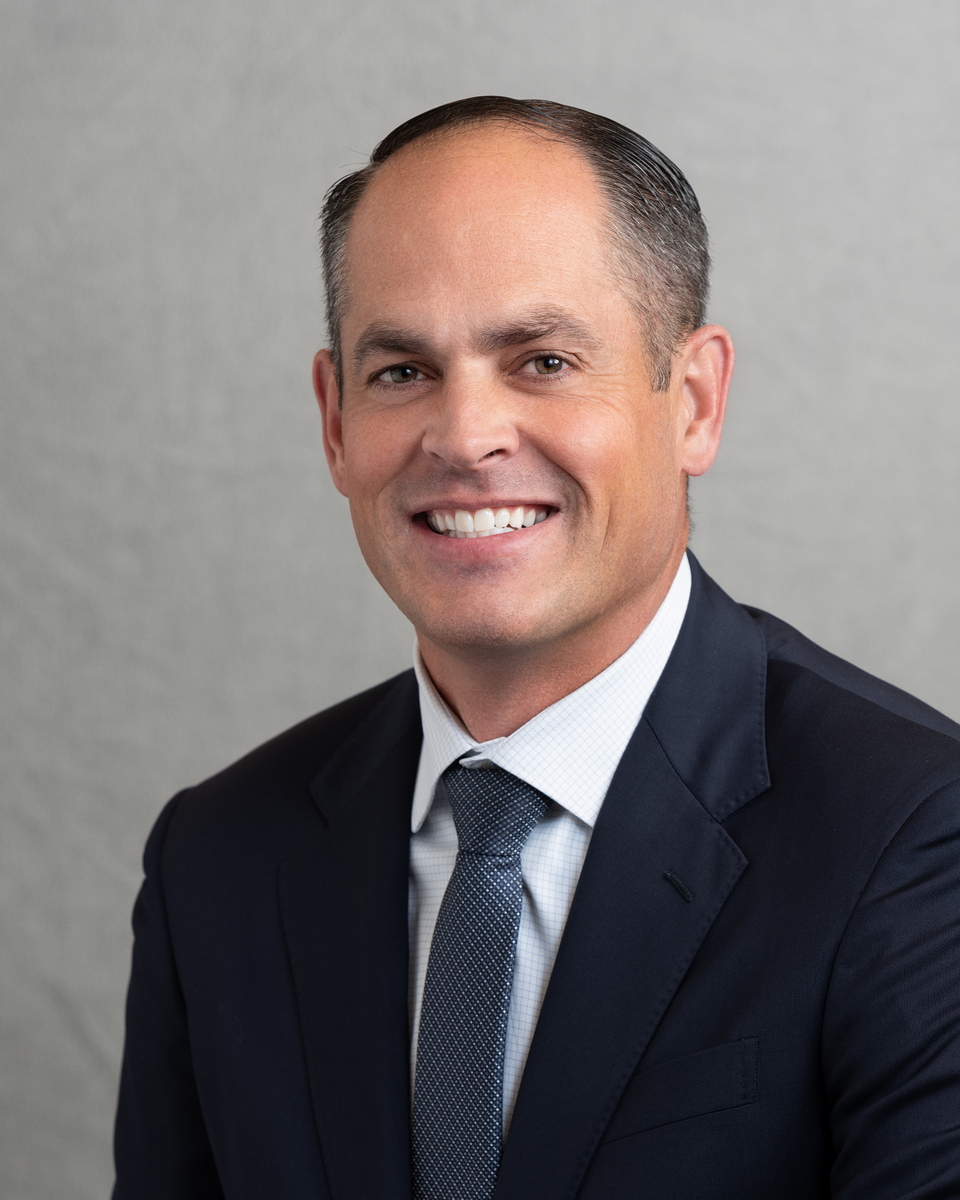
Kirk Cullimore
Kirk Cullimore Senate · District 19
R
Strong +
96% 52
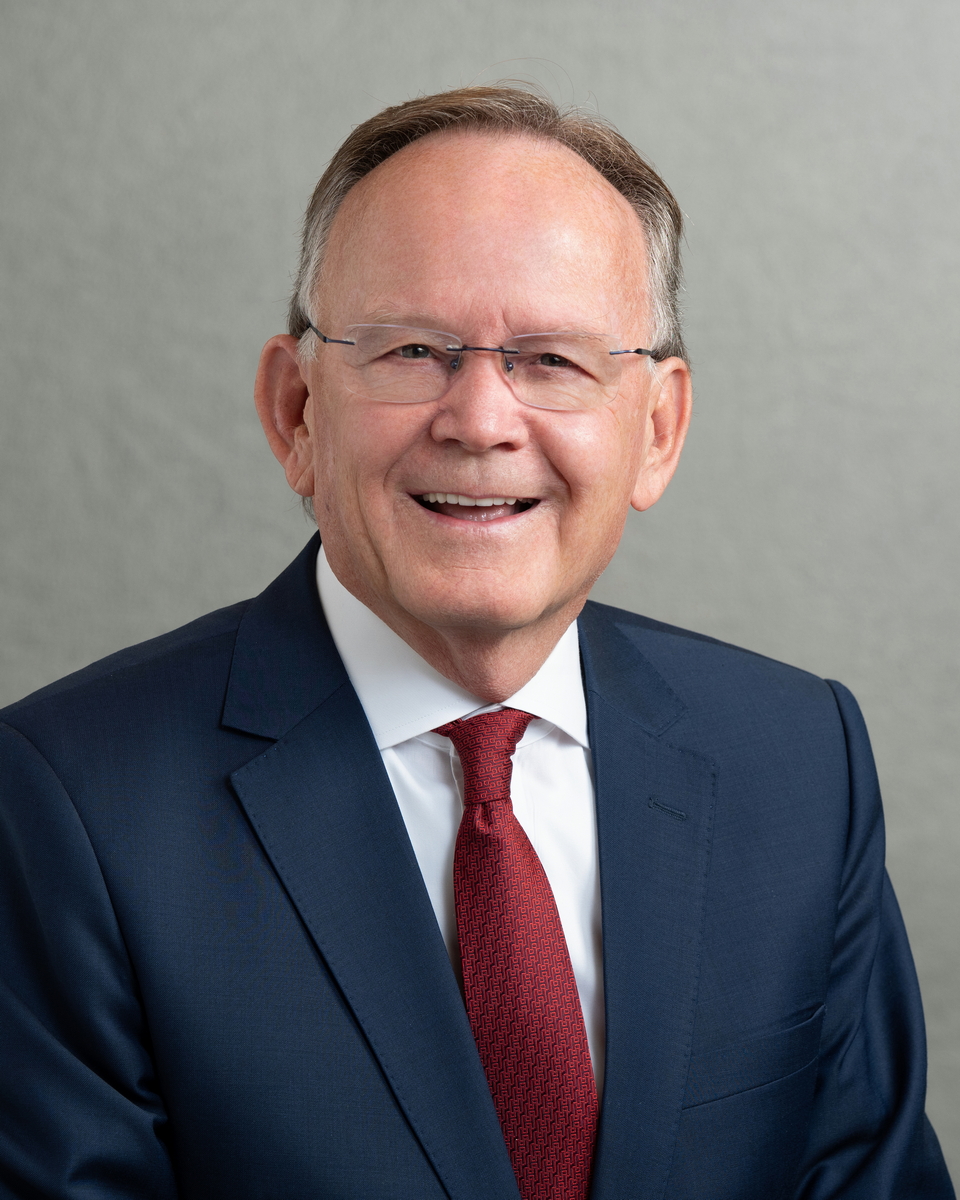
Mike McKell
Mike McKell Senate · District 25
R
Strong +
92% 69
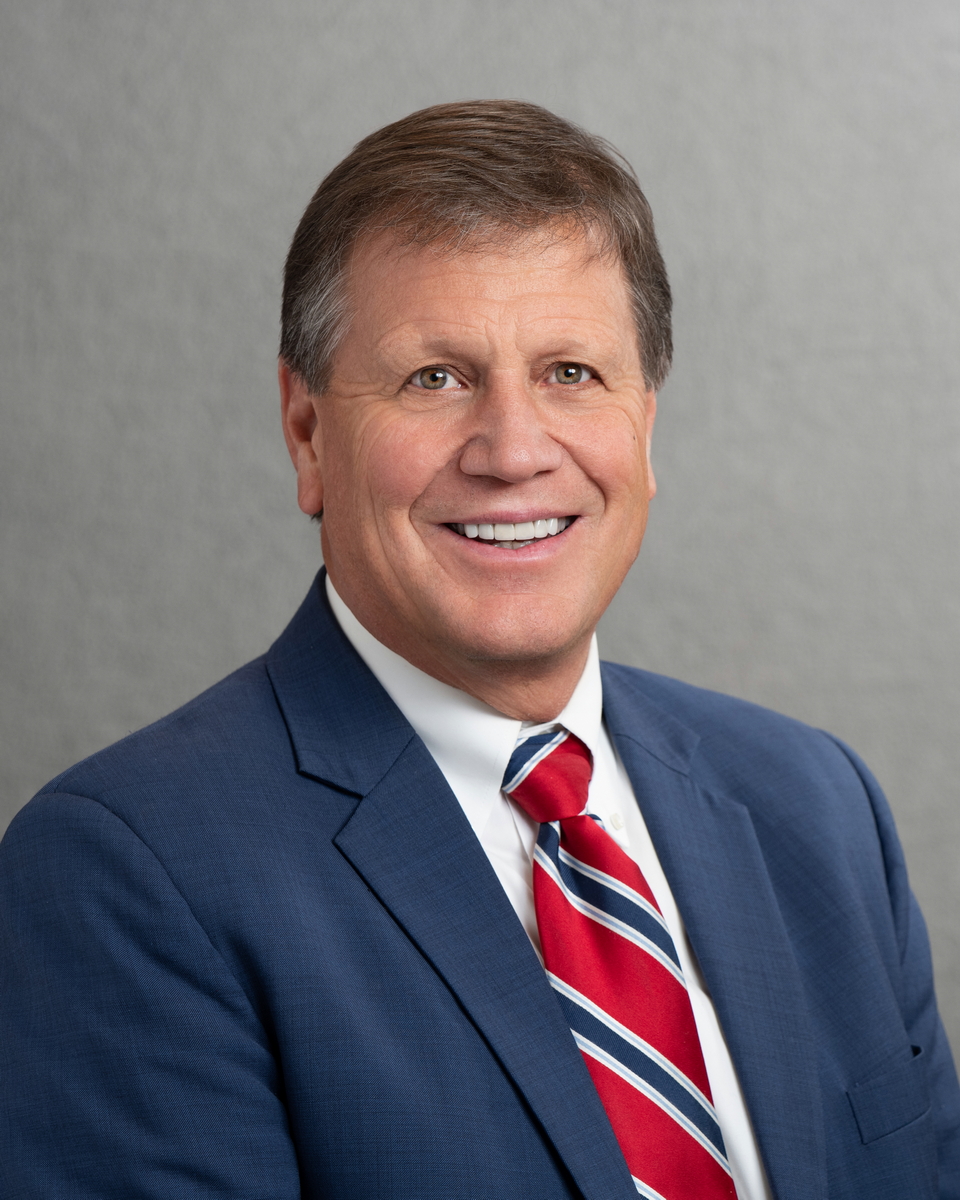
Stuart Adams
Stuart Adams Senate · District 7
R
Strong +
91% 62
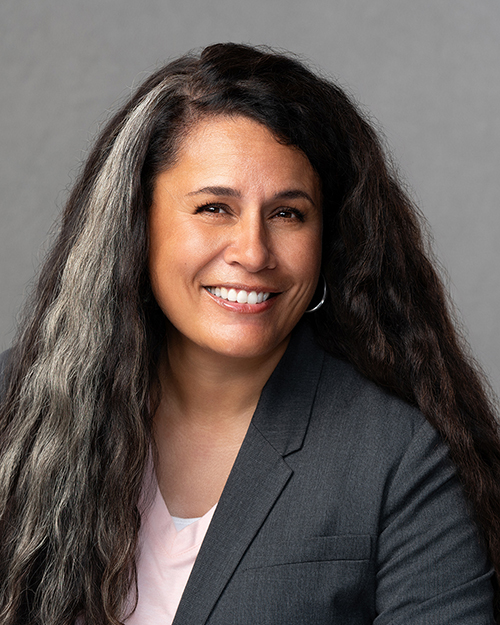
Keven Stratton
Keven Stratton Senate · District 24
R
Strong +
89% 72
Cal Musselman
Cal Musselman Senate · District 4
R
Strong +
89% 72
Nate Blouin
Nate Blouin Senate · District 13
D
Strong −
15% 78
Kathleen Riebe
Kathleen Riebe Senate · District 15
D
Oppose
21% 76
Leah Hansen
Leah Hansen House · District 51
R
Oppose
30% 51
Karen Kwan
Karen Kwan Senate · District 12
D
Oppose
32% 79
Stephanie Pitcher
Stephanie Pitcher Senate · District 14
D
Oppose
32% 76
Showing 91–100 of 106 bills

All education bills

signed · Utah · House Mar 25, 2026

HB 312: School Curriculum and Standards Modifications

HB 312 requires Utah public schools to implement "spiral instruction" on foundational U.S. civics documents (including the Declaration of Independence, Constitution, Bill of Rights, and Federalist Papers) for all K-12 students. Starting in the 2028-2029 school year, schools must teach these documents repeatedly through the grades, with content growing more complex each year to build deeper understanding of their historical context, principles, and relevance to current events. The State Board of Education must develop core standards ensuring this instruction aligns with students' developmental levels and integrates with existing social studies curricula. This policy directly affects all Utah public school districts and their K-12 students, with no new state funding allocated.
in committee · Utah · House Mar 7, 2026

HB 360: School Athlete Amendments

HB 360 prohibits Utah public schools from joining athletic associations that require students to sit out (impose ineligibility) after transferring due to open enrollment, school choice programs, or documented bullying. It directly affects public schools, athletic associations, and students who transfer under these specific circumstances. The bill bans associations from denying athletic participation based on these transfer reasons, while also clarifying documentation requirements for non-citizen students and homeless youth. The law takes effect July 1, 2026, with no new state funding required.
signed · Utah · House Mar 19, 2026

HB 352: Higher Education Alignment

HB 352 requires Utah's public higher education institutions to organize into geographic regions containing at least one degree-granting institution and one technical college per region. It mandates the Utah Board of Higher Education to establish regional groupings, report to the Higher Education Appropriations Subcommittee by August 2026, and ensure horizontal (collaboration between similar institutions) and vertical (integration across education levels) integration. Key provisions include creating clear transfer paths for credits, stackable programs that build sequentially, and shared services like admissions and student support. This affects all public higher education institutions in Utah, including research universities (e.g., University of Utah, Utah State), regional universities (e.g., Weber State, Utah Valley), community colleges (e.g., Salt Lake Community College), and technical colleges. The bill amends Utah Code Section 53H-3-602 to formalize these regional alignment requirements.
Sub-Topics Higher Education
passed · Utah · House Mar 7, 2026

HB 42: School Cybersecurity Amendments

HB 42 establishes minimum cybersecurity standards for Utah's public schools (local education agencies) and expands the Utah Cyber Center's role to provide dedicated security services to schools. It requires schools to implement specific measures like multi-factor authentication, patch management, and endpoint detection systems, while mandating incident reporting to the Cyber Center. The law also directs the State Board of Education to develop implementation guidelines and creates new reporting requirements for cybersecurity breaches in educational settings. These changes directly affect all Utah public schools and their cybersecurity practices, aiming to strengthen protection for student and school data. The bill contains no new funding and amends several existing Utah Code sections related to education and cybersecurity.
signed · Utah · Senate Mar 19, 2026

SB 51: School Safety Modifications

SB 51 creates a statewide system for Utah schools to share information about student threats. Local schools (LEAs) must report specific threat-related data to the State Board of Education, which can then share this information with other schools to improve safety coordination. The bill includes privacy protections for students, immunity for schools reporting in good faith, and clear rules for data collection and deletion. It takes effect on July 1, 2026, and does not appropriate new funding.
failed · Utah · Senate Mar 7, 2026

SB 56: Citizenship Education Amendments

Utah's SB 56 requires public schools to provide legal awareness education to all 10th-grade students starting in the 2026-27 school year. The bill mandates coverage of specific topics like voting rights, jury duty, contracts, healthcare consent, tax obligations, workplace protections, and interactions with law enforcement. Schools may deliver this information through existing courses, assemblies, or digital resources, without creating new courses or requiring student testing. The law emphasizes using current, age-appropriate materials and does not alter existing curricula or create new assessments. It directly affects Utah's 10th-grade students and public school districts.
in committee · Utah · House Mar 7, 2026

HB 106: School Attendance Changes

HB 106 requires Utah school districts (LEAs) to collect and report detailed chronic absenteeism data starting in the 2026-2027 school year. It defines chronic absenteeism as missing 10% or more of school days (excused or unexcused) and mandates reporting on student enrollment, grade-level absence rates, and individual absence records. The state board must then conduct a statewide study analyzing root causes (like transportation, health, or socioeconomic factors) and evidence-based solutions, consulting educators, parents, and community stakeholders. The study findings must be submitted to the Education Interim Committee by September 2027, including recommendations for interventions and potential policy changes.
signed · Utah · House Feb 27, 2026

HB 75: American Indian and Alaska Native Education Amendments

HB 75 amends Utah's education laws to better support American Indian and Alaska Native students. It defines "American Indian and Alaska Native concentrated schools" (those with ≥29% Native students), expands grant eligibility for schools serving these students (prioritizing certain counties), and requires the state board to adopt a specific education plan by 2027. The bill mandates annual reporting to the Native American Legislative Liaison Committee on grant use, program effectiveness, and plan implementation. It updates existing grant rules and creates new reporting requirements without appropriating new funds. The policy directly affects Utah schools with significant Native student populations and tribal communities through improved resource targeting and accountability.
Tags Tribal Nations
failed · Utah · House Mar 7, 2026

HB 43: School Security Amendments

HB 43 creates Utah's School Safety Support Program to fund school safety measures like personnel, infrastructure, and emergency protocols. It directs state funding to school districts and charter schools based on enrollment (with a 20% equal share for all charters and 80% per student), requiring schools to submit safety plans and annual reports to receive funds. The bill protects this program from funding cuts during enrollment declines and adds it to existing education programs eligible for annual inflation adjustments. No new money is appropriated - funding comes from existing state education budgets. The program applies to all public schools meeting safety requirements under Utah's School Security Act.
Sub-Topics School Safety
signed · Utah · Senate Mar 19, 2026

SB 58: Public School Attendance Amendments

SB 58 requires public schools to address chronic absenteeism and academic needs through specific, funded programs. School principals must provide written compliance assurances, and school councils must create detailed plans using allocated funds to target the school’s most critical academic needs and absenteeism. These plans must include specific programs, materials, or staff training (like attendance plans, academic recovery programs, and staff development) with measurable goals for improving student performance. The bill directly affects public schools, their councils, and principals by mandating structured, accountable approaches to attendance and academic improvement.
Sub-Topics Student Health
Showing 91 to 100 of 106 bills