

School Cybersecurity Amendments
HB 42 establishes minimum cybersecurity standards for Utah's public schools (local education agencies) and expands the Utah Cyber Center's role to provide dedicated security services to schools. It requires schools to implement specific measures like multi-factor authentication, patch management, and endpoint detection systems, while mandating incident reporting to the Cyber Center. The law also directs the State Board of Education to develop implementation guidelines and creates new reporting requirements for cybersecurity breaches in educational settings. These changes directly affect all Utah public schools and their cybersecurity practices, aiming to strengthen protection for student and school data. The bill contains no new funding and amends several existing Utah Code sections related to education and cybersecurity.
Bill status
passed
4 of 5 stages cleared
Introduction
Jan 2026
Committee Review
Feb 2026
House Passage
Feb 2026
Senate Passage
Feb 2026
Governor
Introduced Jan 20, 2026
Last action Mar 7, 2026
Maddy AI version diff · 3 comparisons
What changed between versions
Substitute #2
→
Substitute #3
·
3 edits
MINOR
The bill was updated to change the Senate sponsor from 'LONG TITLE' to a specific name, Ann Millner, and added a new coordination clause to ensure this cybersecurity bill works correctly with a separate school device revision bill. The substantive text of the cybersecurity standards, definitions, and reporting requirements remains unchanged.
Scope change
The bill now explicitly includes a coordination clause to align with S.B. 69, ensuring consistent implementation of device restrictions and cybersecurity rules across both bills.
REQUIREMENT
Added a new Section 8 requiring that if both bills pass, the device restriction rules in S.B. 69 will be updated to align with the terminology in this cybersecurity bill.
SCOPE
Updated the Senate Sponsor field from a generic placeholder to the specific name 'Ann Millner'.
TECHNICAL
Adjusted the effective date reference in the coordination clause from July 1, 2027, to July 1, 2026, to match the intended implementation timeline.
Floor votes · House Feb 17, 2026
How they voted
This bill passed the Senate by voice vote (no roll call recorded).
Full legislative history
Actions timeline
Total actions
40
Key actions
5
Committee
6
Feb 26, 2026
Upper · Passed
Senate/ committee report favorable [Senate Education Committee]
upper
Feb 26, 2026
Upper · Passed
Senate Comm - Favorable Recommendation [Senate Education Committee]
upper
Feb 23, 2026
Committee
Senate/ to standing committee [Senate Education Committee]
upper
Feb 20, 2026
Introduced
Senate/ 1st reading (Introduced)
upper
Feb 17, 2026
Upper · Passed
House/ passed 3rd reading
upper
Feb 6, 2026
Lower · Passed
House/ committee report favorable [House Law Enforcement and Criminal Justice Committee]
lower
Feb 5, 2026
Lower · Passed
House Comm - Favorable Recommendation [House Law Enforcement and Criminal Justice Committee]
lower
Feb 4, 2026
Committee
House/ to standing committee [House Law Enforcement and Criminal Justice Committee]
lower
Jan 20, 2026
Introduced
House/ 1st reading (Introduced)
lower
1 primary · 1 co-sponsor
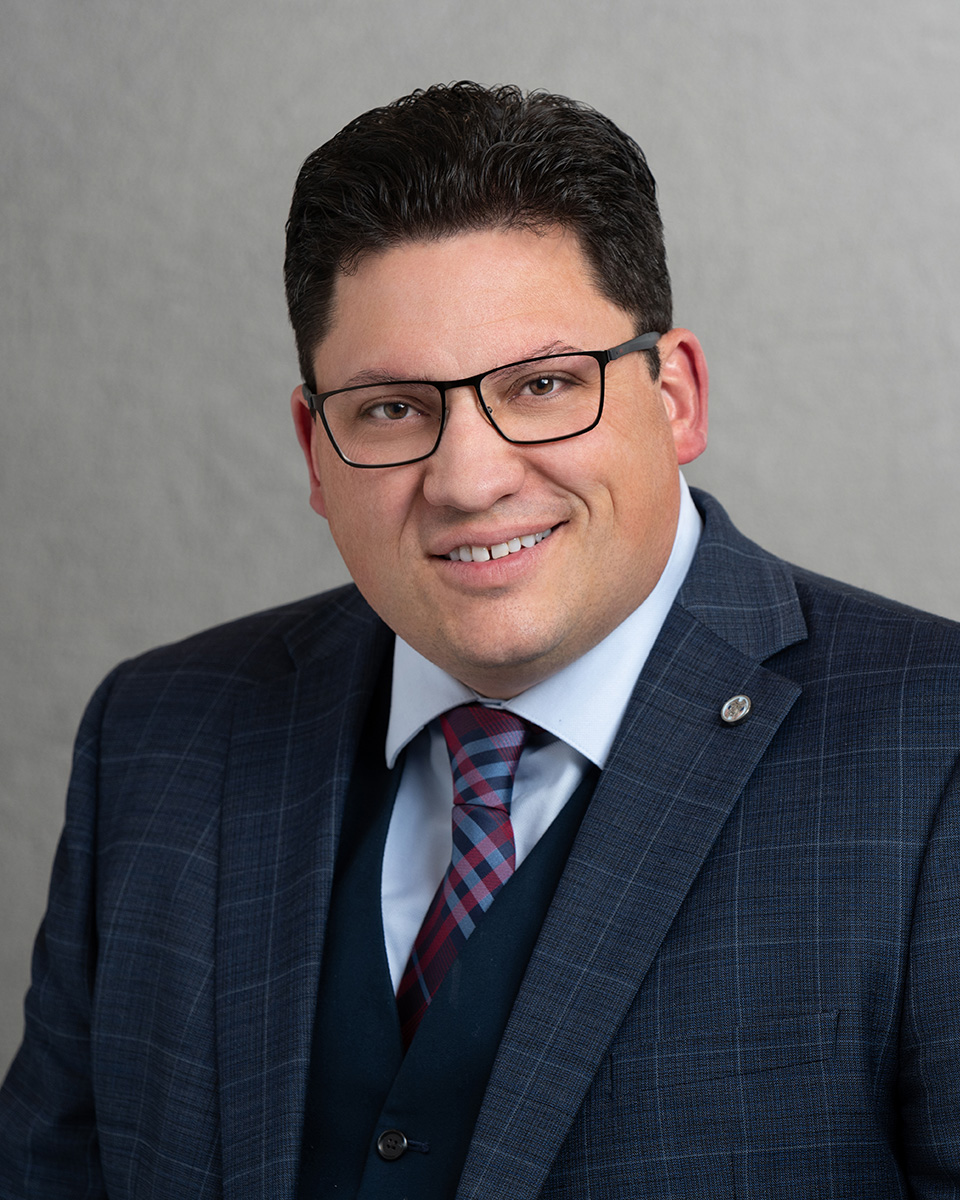
Sponsors

Ask Maddy
·
AI policy assistant
Ask Maddy about HB 42
Scope: UT
Hi! I can help you understand HB 42. What would you like to know?
Try one of these
i
Maddy answers using official bill text and legislative records. Always verify before sharing.
Sources cited inline