Issue · Technology

Technology

Every technology bill, vote, and legislator stance in United States, automatically classified by Maddy, our AI policy reader.

Total bills
1,678
119th Congress
Top supporter
Ami Bera
86% support rate
Top opponent
Scott Perry
14% support rate
Ranked legislators
10
5 support · 5 oppose
Key legislators

Who's moving technology in United States

Legislators moving technology in United States
Legislator Party Stance Support rate Decisive votes
Ami Bera
Ami Bera House · District 6
D
Strong +
86% 22
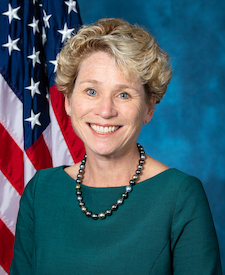
Chrissy Houlahan
Chrissy Houlahan House · District 6
D
Strong +
86% 22
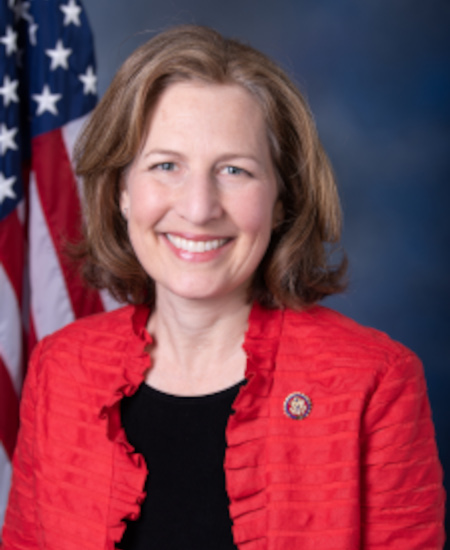
Kim Schrier
Kim Schrier House · District 8
D
Strong +
86% 22
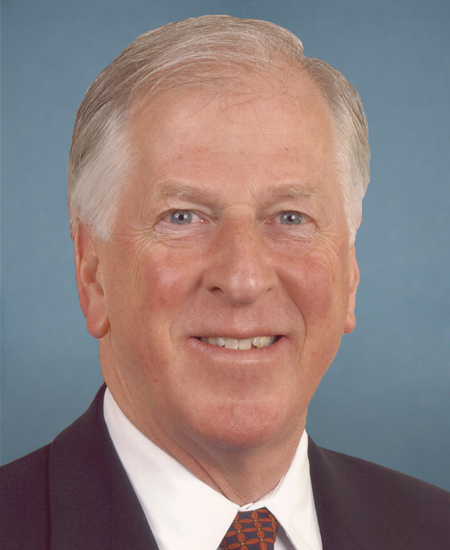
Mike Thompson
Mike Thompson House · District 4
D
Strong +
86% 22
Nancy Pelosi
Nancy Pelosi House · District 11
D
Strong +
86% 22
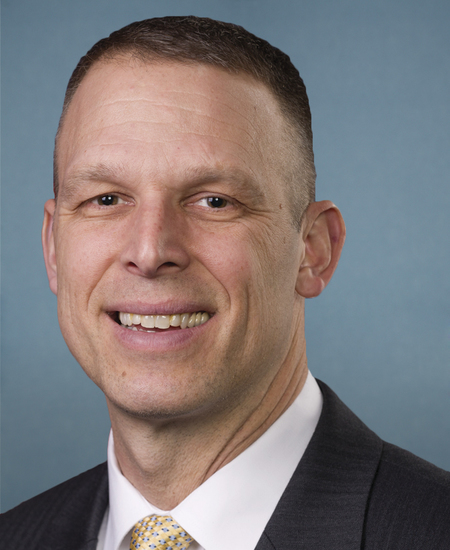
Scott Perry
Scott Perry House · District 10
R
Strong −
14% 21
AA
Alan Armstrong Senate
R
Strong −
17% 29
Rand Paul
Rand Paul Senate
R
Strong −
17% 46
Josh Hawley
Josh Hawley Senate
R
Strong −
18% 45
Andy Harris
Andy Harris House · District 1
R
Strong −
18% 22
Showing 961–970 of 1,678 bills

All technology bills

in committee · United States · House Jan 22, 2026

HR 7217: SBIR Administrative Funding Act

This bill modifies funding rules for the Small Business Innovation Research (SBIR) and Small Business Technology Transfer (STTR) programs. It extends the deadline for administrative funding from 2025 to 2030, increases the required funding percentage from 3% to 3.3%, and mandates that federal agencies (like DoD, DOE, HHS, NASA, and NSF) transfer at least 10% of certain program funds to the SBIR administrator within two months of annual appropriations. It also requires agencies to use funds for outreach to states with historically low SBIR awards to boost participation from underserved communities. These changes directly affect small businesses applying for SBIR/STTR grants and the federal agencies managing these programs.
Tags Small Business
in committee · United States · House Jun 25, 2025

HR 4143: 3D Printed Gun Safety Act of 2025

HR 4143, the 3D Printed Gun Safety Act of 2025, prohibits the online distribution of digital instructions (like 3D printer files) that can automatically create firearms or firearm parts. It directly affects individuals or entities sharing such code over the internet, not people using 3D printers to make guns. The law aims to prevent "ghost guns" made without serial numbers - making them untraceable by law enforcement, as seen in cases like the 2023 DC police seizure of 407 untraceable firearms. By banning the spread of these digital schematics, the bill targets a specific gap in firearm regulation.
in committee · United States · House Dec 17, 2025

HR 6795: School MEALS Act of 2025

The School MEALS Act of 2025 aims to improve automatic enrollment in free school meals for low-income students by expanding "direct certification" - a process where schools enroll eligible children without requiring separate applications. It provides $28 million in grants to states and tribal organizations to upgrade technology, train staff, and coordinate with other benefit programs (like SNAP), with priority for areas with low current enrollment rates. The bill also raises the target direct certification rate from 10% to 20% for some schools and extends data collection deadlines for community eligibility programs. These changes directly affect students from low-income households, schools, and state/local education agencies managing meal programs.
in committee · United States · House Dec 17, 2025

HR 6796: Military CARE Act

This bill establishes a digital system for TRICARE members to electronically file and track complaints about access to care at military medical facilities. It requires the Defense Department to create a system where beneficiaries can submit complaints online, view their status in real time, and have complaints automatically aggregated quarterly for review. The system mandates annual reports to Congress comparing complaint types (e.g., specialty vs. primary care, pediatric vs. non-pediatric, administrative hurdles) and detailing facility-level actions taken to address issues. The goal is to improve transparency and accountability in military healthcare access.
in committee · United States · House Mar 18, 2026

HR 7813: NOAA Weather Radio Modernization Act

This bill modernizes the NOAA Weather Radio network to improve emergency weather warnings across the country. It requires the network to broadcast 24/7 with enhanced reliability, especially in areas without reliable internet or cellular service. The bill mandates expanding coverage to high-risk weather areas, adding satellite capabilities, and upgrading to internet-based communication systems. It authorizes $20 million annually for operations and $100 million for modernization efforts. The goal is to ensure all communities, particularly those with limited connectivity, receive timely weather warnings during emergencies.
in committee · United States · House Feb 24, 2026

HR 7049: Improving Mental Health Care and Coordination for Homeless Veterans Act

This bill requires the Department of Veterans Affairs (VA) to conduct a comprehensive assessment within 72 hours for veterans identified as needing homeless program services who have mental health needs. The assessment must cover physical/mental health needs, create a care plan addressing immediate and long-term support, and identify suitable housing. VA staff must integrate this information into veterans' electronic health records while following privacy laws. The VA Homeless Program Office must also monitor whether these care plans effectively address veterans' needs. This directly affects homeless veterans with mental health challenges who access VA homeless services.
in committee · United States · Senate Dec 2, 2025

S 3301: Chip EQUIP Act

S 3301, the Chip EQUIP Act, restricts federal funding for semiconductor manufacturing projects using certain foreign-made equipment. It defines "ineligible semiconductor manufacturing equipment" as completed, fully assembled systems (like lithography or etching machines) manufactured, assembled, or refurbished by foreign entities of concern. The bill prohibits covered entities receiving federal assistance from procuring, installing, or using such equipment for 10 years, with limited waivers allowed if the equipment isn't available from U.S. or allied sources, meets export controls, or is deemed critical for national security. This directly affects companies and institutions receiving federal funds for semiconductor manufacturing.
in committee · United States · House Feb 18, 2025

HR 1407: Permanent Telehealth from Home Act

This bill makes permanent Medicare telehealth services that allow patients to receive care from home, removing temporary pandemic-era restrictions. It eliminates geographic limitations and expands where telehealth can originate, so beneficiaries in rural or remote areas can consistently access virtual care without needing to travel. The key change modifies Medicare rules to remove expiration dates tied to public health emergencies, ensuring home-based telehealth remains covered indefinitely. This directly affects Medicare beneficiaries, particularly seniors and people with mobility challenges in underserved communities. The policy change simplifies access to routine care without requiring in-person visits.
Sub-Topics Medicare Public Health Telehealth Tags Seniors
in committee · United States · House Jan 22, 2026

HR 7223: Language Access for All Act of 2026

The Language Access for All Act of 2026 requires federal agencies to ensure meaningful access to government services for people with limited English proficiency (LEP). Agencies must translate vital documents into languages commonly spoken in the U.S. (based on Census data), provide multilingual digital tools, interpretation services, and use bilingual staff as an alternative to professional interpreters. Each agency must create a language access plan within one year, detailing how it will serve LEP populations - including during emergencies - and annually certify compliance with technical standards. Noncompliance is treated as discrimination under civil rights law, with enforcement by the Department of Justice.
Sub-Topics Immigrant Services
in committee · United States · House Apr 10, 2025

HR 2889: Online Consumer Protection Act

This bill requires social media platforms and online marketplaces to create clear, machine-readable terms of service in plain language that explain content moderation policies, user rights, and reporting procedures. It mandates specific consumer protection policies covering content removal, user appeals, notifications, and seller protections, along with annual reports to the Federal Trade Commission detailing these practices. The FTC will develop standardized short-form disclosures (like icons) to help consumers understand platform policies. Companies must establish consumer protection programs with dedicated officers, conduct risk assessments, and implement safeguards for consumer protection. The bill also establishes enforcement mechanisms through the FTC and allows individuals to sue for violations while prohibiting pre-dispute arbitration agreements for such claims.
Sub-Topics Consumer Data Protection Social Media Tags Consumer Protection
Showing 961 to 970 of 1,678 bills
Previous 1 … 96 97 98 … 168 Next