Issue · Technology

Technology

Every technology bill, vote, and legislator stance in United States, automatically classified by Maddy, our AI policy reader.

Total bills
1,431
119th Congress
Top supporter
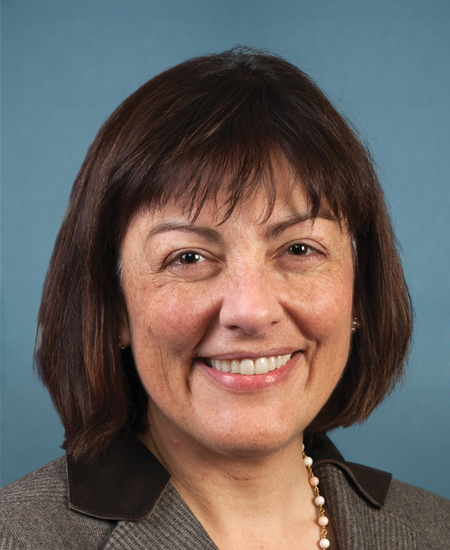
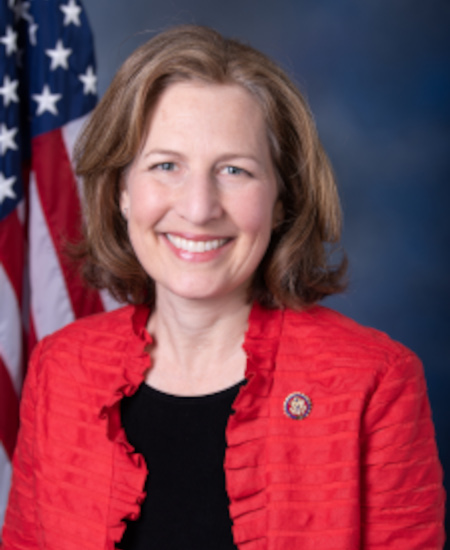
Suzan K. DelBene
86% support rate
Top opponent
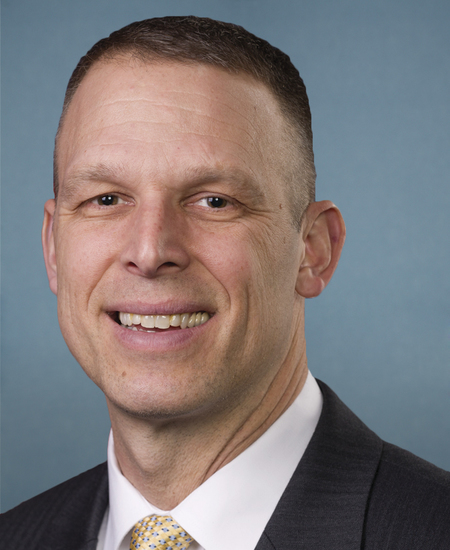
Scott Perry
14% support rate
Ranked legislators
10
5 support · 5 oppose
Key legislators

Who's moving technology in United States

Legislators moving technology in United States
Legislator Party Stance Support rate Votes
Suzan K. DelBene
Suzan K. DelBene House · District 1
D
Strong +
86% 259
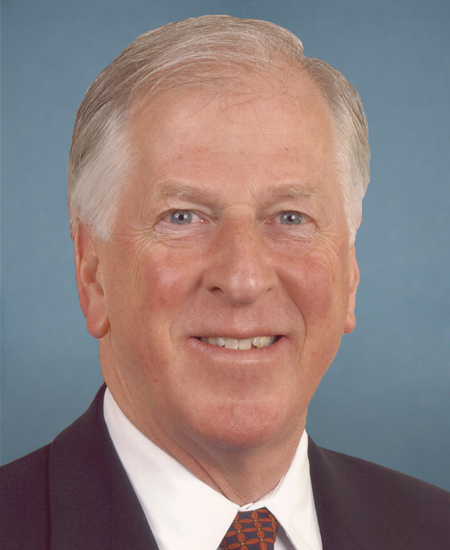
Mike Thompson
Mike Thompson House · District 4
D
Strong +
86% 261
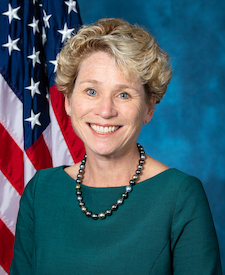
Chrissy Houlahan
Chrissy Houlahan House · District 6
D
Strong +
86% 259
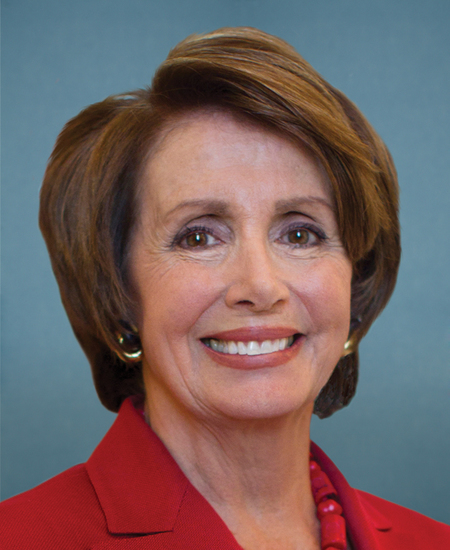
Nancy Pelosi
Nancy Pelosi House · District 11
D
Strong +
86% 246
Kim Schrier
Kim Schrier House · District 8
D
Strong +
86% 261
Scott Perry
Scott Perry House · District 10
R
Strong −
14% 252
AA
Alan Armstrong Senate
R
Strong −
14% 46
Rand Paul
Rand Paul Senate
R
Strong −
16% 223
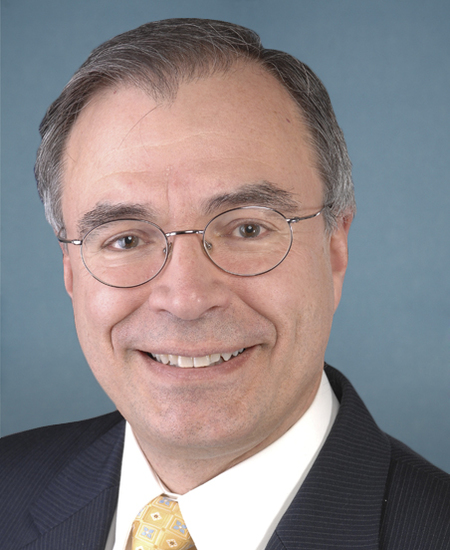
Andy Harris
Andy Harris House · District 1
R
Strong −
18% 257
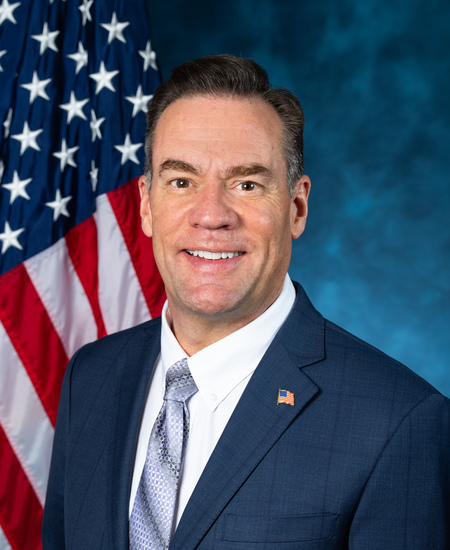
Russ Fulcher
Russ Fulcher House · District 1
R
Strong −
18% 262
Showing 1–10 of 1,431 bills

All technology bills

in committee · United States · House Sep 10, 2026

HR 10329: Combating Foreign Threats to Main Street Act of 2026

The Combating Foreign Threats to Main Street Act of 2026 directs the Small Business Administration to create and distribute educational materials that help small businesses identify and protect against harmful activities by foreign adversaries. These materials must cover topics such as intellectual property theft, cybersecurity risks, forced labor in supply chains, and the dangers of specific commercial relationships with foreign-controlled entities. The bill requires the agency to review and update these resources annually starting in 2027 to ensure they reflect current threats and best practices. Additionally, if the agency determines that a specific activity poses a significant risk to national or economic security, it must notify the relevant congressional committees about the finding and its justification.
Sub-Topics Cybersecurity Tags Small Business
in committee · United States · House Sep 8, 2026

HR 10309: HOMEFRONT Act of 2026

The HOMEFRONT Act of 2026 prohibits U.S. courts from recognizing or enforcing foreign judgments based on censorship laws if the underlying conduct would be protected by the First Amendment in the United States. The bill places the burden of proof on the party seeking enforcement to demonstrate that the foreign court's jurisdiction and the specific judgment comply with U.S. constitutional standards and Section 230 of the Communications Act. It also bars federal, state, and local government officials from assisting foreign governments in enforcing such laws against U.S. persons and prevents the extradition of individuals for speech protected domestically. Additionally, the legislation grants affected individuals a private right of action to seek damages and requires the Attorney General to submit annual reports on foreign censorship impacts while directing the Federal Trade Commission to maintain a database of targeted speech instances.
in committee · United States · House Sep 8, 2026

HR 10315: AI LABS Act

The AI LABS Act directs the Secretary of Education to provide competitive grants to states for establishing or expanding artificial intelligence programs in elementary and secondary schools. These funds are specifically designated for creating dedicated curricula that teach students how to use and understand AI, as well as providing professional development for teachers to integrate these tools into their instruction. Additionally, the bill requires the Secretary to conduct a study on how states utilize the grant money and submit a report with recommendations to Congress within one year of enactment.
in committee · United States · Senate Jul 22, 2026

S 5066: Health Equity and Accountability Act of 2026

The Health Equity and Accountability Act of 2026 is a comprehensive legislative proposal designed to reduce health disparities by mandating standardized data collection on race, ethnicity, gender identity, and socioeconomic status across federal health programs. The bill requires the Department of Health and Human Services to establish new commissions and task forces focused on preventing bias in artificial intelligence and ensuring equitable data reporting during public health emergencies. It also expands access to care for underserved populations by removing citizenship barriers to Medicaid, increasing funding for minority-serving institutions, and requiring culturally and linguistically appropriate services from federally assisted health providers. Additionally, the legislation addresses specific disease disparities through targeted research grants and mandates that drug manufacturers investigate and report on racial or ethnic differences in drug safety and effectiveness.
in committee · United States · House Jul 9, 2026

HR 9619: People-First Chatbot Act

The People-First Chatbot Act imposes strict privacy and safety regulations on companies that create or distribute AI chatbots, requiring them to obtain explicit user consent before using personal data for training or advertising purposes. The bill mandates that providers clearly disclose when users are interacting with an AI rather than a human, prohibit the sale of chat logs, and limit data retention to five years unless required by law. Additionally, companies must conduct monthly risk assessments for potential harms such as emotional dependence or compulsive usage, with specific safeguards required to protect minors from features that could cause significant injury. Enforcement is handled by the Federal Trade Commission, while state attorneys general and private individuals are granted the right to file lawsuits against providers who violate these provisions.
in committee · United States · House Sep 10, 2026

HR 10347: Data Science and Literacy Act of 2026

The Data Science and Literacy Act of 2026 establishes a competitive grant program administered by the Secretary of Education to support state agencies, local school districts, tribal schools, and higher education institutions in expanding data literacy and statistics education from pre-kindergarten through postsecondary levels. Eligible recipients must use funds for activities such as developing new curricula, providing professional development for teachers, and creating partnerships with industry or community organizations to reduce access gaps for underrepresented students. The bill authorizes $10 million annually for fiscal years 2027 through 2031, requiring grantees to submit biannual reports on student outcomes disaggregated by race, ethnicity, gender, and income status. Additionally, the legislation amends existing federal law to require the collection of demographic and background data on secondary school STEM teachers in each state every five years.
Sub-Topics K-12 Education
in committee · United States · House Jul 22, 2026

HR 9857: Protecting Americans from Doxing and Political Violence Act

The Protecting Americans from Doxing and Political Violence Act requires government agencies to remove the personal contact details, home addresses, and financial information of Members of Congress, their family members, and designated staff from public records within 72 hours of a written request. The bill also prohibits data brokers from knowingly selling or trading this private information for any individual in the United States and mandates that other online platforms take down such data if the affected person submits a takedown notice. While these protections apply broadly to prevent doxing, the law includes exceptions that allow the continued publication of information related to news stories, matters of public concern, or records required by federal election laws.
in committee · United States · House Aug 27, 2026

HR 10162: STORMWATER Act

The STORMWATER Act extends the funding period for stormwater control infrastructure technology centers from fiscal years 2022-2026 to 2027-2031. It mandates that exactly five of these centers be established, rather than a range of three to five as previously allowed. Additionally, the bill requires that one of the designated centers be located in and focused on the Great Lakes region.
Sub-Topics Water Quality
in committee · United States · House Sep 1, 2026

HR 10163: American Quantum Competitiveness Act

The American Quantum Competitiveness Act designates the Secretary of Commerce as the primary advisor to the President on policies regarding the commercial development and supply chains for quantum technology. The bill directs the Department of Commerce to promote U.S. leadership in this field by encouraging private sector investment, entering agreements with trusted suppliers and foreign partners, and identifying barriers to investment. It requires the Secretary to establish methods for assessing risks associated with critical components sourced from specific "covered nations" and to coordinate with allies to maintain resilient supply chains. Additionally, the legislation mandates that the Secretary publish a comprehensive strategy report every three years, starting two years after enactment, which includes recommendations for further government or private sector actions to strengthen U.S. economic competitiveness in quantum technology.
Sub-Topics Emerging Technology
in committee · United States · House Aug 20, 2026

HR 10130: Army Quantum Readiness Act

The Army Quantum Readiness Act requires the Secretary of the Army to establish a new initiative focused on integrating quantum computing and advanced technologies into military operations, intelligence, and logistics. This initiative aims to identify practical applications for these technologies, assess necessary infrastructure upgrades such as power and cybersecurity, and develop strategies for training the required workforce. The bill also authorizes the creation of pilot projects and demonstration activities to test quantum-enabled tools, including artificial intelligence and secure networking. Finally, it mandates that the Secretary submit a detailed report to Congress within 270 days outlining readiness requirements, recommended investments, and necessary legislative changes to accelerate this transition.
Showing 1 to 10 of 1,431 bills
1 2 3 144 Next