Issue · Technology

Technology

Every technology bill, vote, and legislator stance in United States, automatically classified by Maddy, our AI policy reader.

Total bills
1,678
119th Congress
Top supporter
Ami Bera
86% support rate
Top opponent
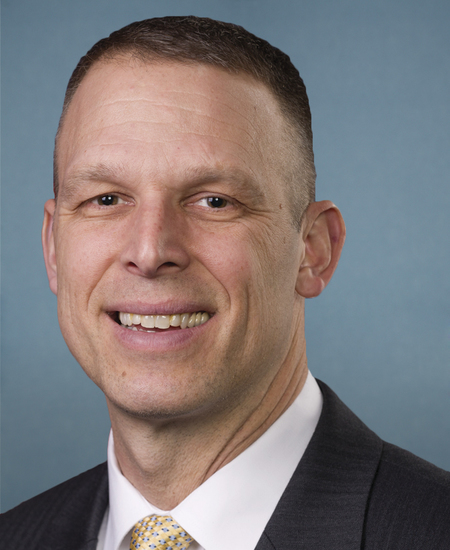
Scott Perry
14% support rate
Ranked legislators
10
5 support · 5 oppose
Key legislators

Who's moving technology in United States

Legislators moving technology in United States
Legislator Party Stance Support rate Decisive votes
Ami Bera
Ami Bera House · District 6
D
Strong +
86% 22
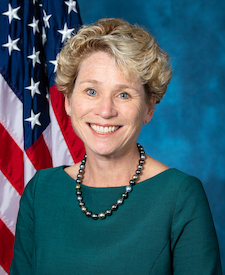
Chrissy Houlahan
Chrissy Houlahan House · District 6
D
Strong +
86% 22
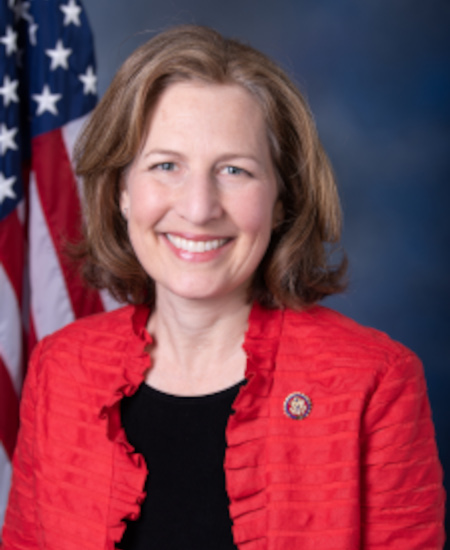
Kim Schrier
Kim Schrier House · District 8
D
Strong +
86% 22
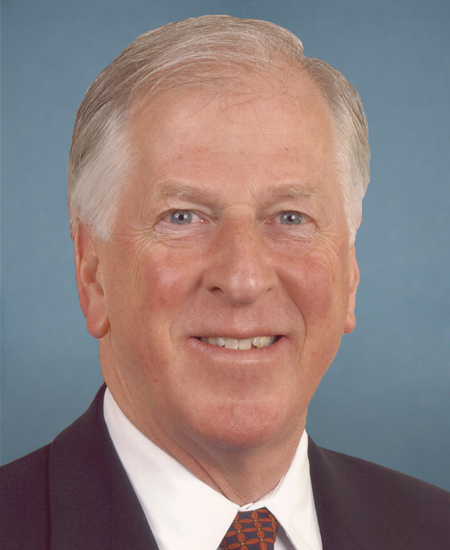
Mike Thompson
Mike Thompson House · District 4
D
Strong +
86% 22
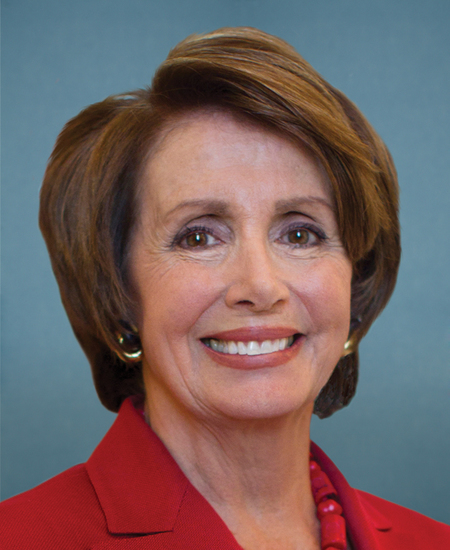
Nancy Pelosi
Nancy Pelosi House · District 11
D
Strong +
86% 22
Scott Perry
Scott Perry House · District 10
R
Strong −
14% 21
AA
Alan Armstrong Senate
R
Strong −
17% 29
Rand Paul
Rand Paul Senate
R
Strong −
17% 46
Josh Hawley
Josh Hawley Senate
R
Strong −
18% 45
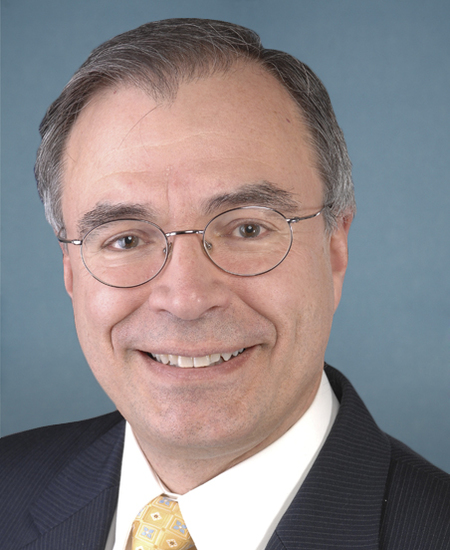
Andy Harris
Andy Harris House · District 1
R
Strong −
18% 22
Showing 941–950 of 1,678 bills

All technology bills

in committee · United States · House Sep 16, 2026

HR 2713: MAIN Event Ticketing Act

HR 2713, the MAIN Event Ticketing Act, requires ticket-issuing websites to implement stronger security measures to prevent automated bots from bypassing purchase limits and circumventing online ticketing rules. It directly affects ticket sellers (like major platforms) and their third-party service providers, mandating they establish technical safeguards, report security breaches within 30 days, and address circumvention incidents. Key provisions include requiring access controls to enforce purchase limits, creating a public complaint website for consumers, and imposing civil penalties of up to $10,000 per day for violations. The bill strengthens enforcement by the Federal Trade Commission, which will issue compliance guidance and oversee civil actions for non-compliance.
in committee · United States · House Mar 31, 2025

HR 2515: American Tank Car Modernization Act of 2025

The American Tank Car Modernization Act of 2025 provides $100 million annually (2026-2029) to fund grants for freight railcar owners to install telematics systems or gateway devices on railcars, with priority for tank cars carrying hazardous materials (toxic inhalation, flammable, or hazardous substances). These systems enable real-time tracking of railcar location, asset health, and specific safety metrics like wheel temperature, hatch status, and internal temperatures. The bill requires railcar owners to report on implementation outcomes, including safety incident data and cost efficiency, to Congress within three years. It directly affects railcar operators managing hazardous material transport by modernizing their data collection capabilities.
in committee · United States · House Feb 20, 2026

HR 7635: CHARGE Act

The CHARGE Act bans the import of energy storage systems (like batteries) made with technology from China or under Chinese Communist Party control if they contain remote monitoring features. This directly affects importers and manufacturers of such systems, prohibiting their entry into the U.S. market. Key mechanisms include requiring U.S. Customs to issue enforcement regulations within 60 days and mandating annual reviews to potentially add further restrictions. The law aims to prevent foreign access to U.S. energy grid data through these devices.
in committee · United States · House Feb 13, 2026

HR 7569: Punishing Health Care Fraudsters Act

This bill increases penalties for healthcare fraud involving federal programs like Medicare and Medicaid. It raises maximum prison sentences under federal law from 10 to 25 years and 20 to 30 years, and increases fines from $100,000 to $250,000 for violations of the Social Security Act. The law directly affects individuals or entities committing fraud against federal health programs, such as billing for unnecessary services or stealing patient data. Key provisions amend existing criminal penalties and require the U.S. Sentencing Commission to update guidelines to better reflect the severity of these offenses.
in committee · United States · Senate Jul 30, 2025

S 2533: Pick Up After Your DOGE Act

This bill requires the fictional "United States DOGE Service" (referencing Executive Order 14158) to report all instances where its teams accessed federal agency systems within 30 days of enactment. It mandates a Comptroller General audit of federal systems accessed by the DOGE Service, prioritizing Social Security, health, and tax agencies for initial review within one year. The audit must identify security vulnerabilities and recommend fixes, with agencies required to address issues within 90 days of receiving audit reports. The bill creates procedural requirements for oversight of the fictional entity's system access, with no substantive policy changes beyond these reporting and audit obligations.
in committee · United States · House Feb 24, 2026

HR 7656: ReSCUE Oceans Act

The ReSCUE Oceans Act establishes a federal program to advance marine carbon dioxide removal (mCDR) research, development, and field trials through the National Oceanic and Atmospheric Administration. It creates designated research areas for mCDR projects that require consultation with Indian Tribes, Native Hawaiian organizations, and coastal communities, while mandating monitoring of environmental and social impacts. The bill develops protocols for measuring carbon removal efficacy and establishes an interagency working group to coordinate federal efforts across NOAA, NASA, the National Science Foundation, and other agencies. It requires biennial reports on mCDR activities, includes special data protections for tribal communities, and aims to support safe, responsible mCDR technologies through science-based research and community engagement.
Sub-Topics Coastal & Flood Protection Tags Tribal Nations
in committee · United States · Senate Jun 18, 2025

S 1397: International Quantum Research Exchange Act

S 1397, the International Quantum Research Exchange Act, establishes a Department of State program to fund international collaborations in quantum information science. It authorizes the Secretary of State to award matching grants to U.S. institutions of higher education or nonprofits for joint research projects with partner countries that have signed U.S. quantum cooperation agreements. The program requires coordination with federal science agencies, alignment with national quantum strategies, and strict adherence to research security policies. It includes a $20 million authorization for fiscal year 2026 and a 10-year sunset provision. The bill directly affects U.S. research institutions and international partners engaged in quantum science collaboration.
Sub-Topics Emerging Technology
in committee · United States · House Dec 4, 2025

HR 6458: Electronic Filing Improvement and Logistical Efficiency Act of 2025

HR 6458 requires the IRS to implement a fully automated electronic filing system for employment tax returns (like Form 941) within one year of enactment, starting with the adjusted quarterly return (Form 941-X). Employers who file all employment taxes electronically for the first time in a quarter receive a $1,000 tax credit, with an additional $1,000 available in the following year for continued electronic filing. Employers filing paper returns face a $250 user fee (effective two years after enactment), though exceptions apply for rural access issues, emergencies, or first-time filers. The bill directly affects businesses required to file employment tax returns, aiming to replace paper-based processes with electronic filing as the standard.
in committee · United States · House Aug 19, 2025

HR 5006: Health Privacy From Global Bureaucrats Act

This bill prohibits the U.S. Health and Human Services (HHS) and Treasury Departments from sharing certain health-related data with the World Health Organization (WHO) or foreign governments. It specifically targets taxpayer, patient, and vaccine data controlled by these agencies. The key provision requires HHS and Treasury Secretaries to take necessary actions to block such data releases. This directly affects federal agencies managing health data and aims to limit international data sharing on U.S. health matters.
Sub-Topics Data Privacy
in committee · United States · House Nov 25, 2025

HR 6305: High-skilled Immigration Reform for Employment Act

HR 6305, the High-skilled Immigration Reform for Employment Act, expands opportunities for U.S. employers to hire foreign workers in specialty occupations by increasing the annual H-1B visa cap from 65,000 to 130,000 and adjusting employer thresholds to make it easier for larger companies to qualify for H-1B visas. It also creates a new $25 million annual grant program (2026-2030) to fund states and schools that strengthen K-12 and higher education in science, math, engineering, and technology fields. The bill directly affects U.S. employers seeking H-1B workers and schools receiving STEM education grants. Key mechanisms include raising the H-1B cap, modifying employer size thresholds for H-1B-dependent status, and authorizing federal grants for STEM education programs.
Sub-Topics K-12 Education
Showing 941 to 950 of 1,678 bills
Previous 1 … 94 95 96 … 168 Next