Issue · Technology

Technology

Every technology bill, vote, and legislator stance in United States, automatically classified by Maddy, our AI policy reader.

Total bills
1,661
119th Congress
Top supporter
Ami Bera
86% support rate
Top opponent
Scott Perry
14% support rate
Ranked legislators
10
5 support · 5 oppose
Key legislators

Who's moving technology in United States

Legislators moving technology in United States
Legislator Party Stance Support rate Decisive votes
Ami Bera
Ami Bera House · District 6
D
Strong +
86% 22
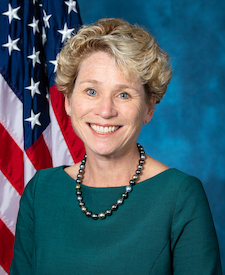
Chrissy Houlahan
Chrissy Houlahan House · District 6
D
Strong +
86% 22
Kim Schrier
Kim Schrier House · District 8
D
Strong +
86% 22
Mike Thompson
Mike Thompson House · District 4
D
Strong +
86% 22
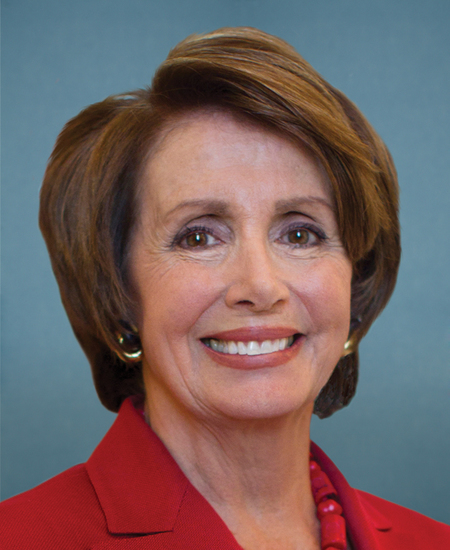
Nancy Pelosi
Nancy Pelosi House · District 11
D
Strong +
86% 22
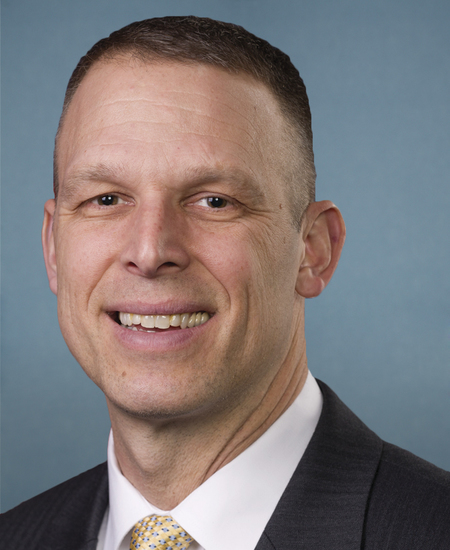
Scott Perry
Scott Perry House · District 10
R
Strong −
14% 21
AA
Alan Armstrong Senate
R
Strong −
17% 29
Rand Paul
Rand Paul Senate
R
Strong −
17% 46
Josh Hawley
Josh Hawley Senate
R
Strong −
18% 45
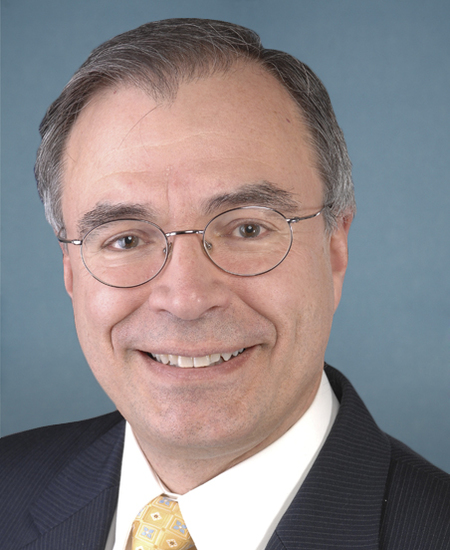
Andy Harris
Andy Harris House · District 1
R
Strong −
18% 22
Showing 361–370 of 1,661 bills

All technology bills

in committee · United States · House Apr 30, 2026

HR 8623: GUARD Act

The GUARD Act requires companies that offer AI chatbots designed to simulate human friendship to verify the age of every user and block access for anyone under 18. To comply, these platforms must collect verifiable age data, clearly disclose that the chatbot is not a human, and ensure the AI does not claim to be a licensed professional like a therapist or doctor. The law also makes it a federal crime to design or distribute such chatbots that encourage minors to engage in sexually explicit acts or promote self-harm and violence, with penalties of up to $100,000 per violation.
in committee · United States · House Apr 27, 2026

HR 8507: Precision Agriculture Workforce Training and Development Act

This bill, known as the Precision Agriculture Workforce Training and Development Act, aims to expand educational programs that prepare students for careers in precision agriculture. It directly affects universities, research institutions, and public or private partners by authorizing new grants to support workforce training initiatives. The legislation modifies existing federal funding rules to explicitly include cooperative education programs focused on improving skills in modern farming technologies. By adding these specific categories to research and extension grants, the bill ensures that financial resources are available for developing specialized training partnerships.
Sub-Topics Career & Technical Education Tags Agriculture
in committee · United States · Senate May 19, 2026

S 4565: Strengthening Cyber Resilience Against State-Sponsored Threats Act

This bill establishes a joint interagency task force to coordinate efforts against cyber threats from Chinese state-sponsored actors, specifically targeting the Volt Typhoon group. Led by the Cybersecurity and Infrastructure Security Agency and including the FBI and relevant sector agencies, the task force will analyze risks, share intelligence, and develop strategies to protect critical infrastructure. Members of the task force must be subject matter experts in cybersecurity and will submit detailed reports to Congress every year for five years, outlining findings and recommendations on how to better defend against these threats. The legislation also requires the task force to create an awareness campaign to help critical infrastructure owners understand available federal security resources.
Sub-Topics Cybersecurity
in committee · United States · Senate Apr 15, 2026

S 4302: Improving IRS Customer Service Act

The Improving IRS Customer Service Act requires the Internal Revenue Service to enhance transparency and accessibility for taxpayers by mandating real-time public dashboards that display phone wait times, call statistics, and refund processing details. The bill also directs the IRS to expand online tools, allowing individuals and authorized representatives to view tax documents, respond to notices, and track refund status through a unified website or mobile app. Additionally, the legislation establishes programs to identify taxpayers facing economic hardships and provide them with information on alternative payment options, while requiring the National Taxpayer Advocate to publish monthly performance statistics on case resolution times. These measures aim to improve communication between the IRS and the public, reduce wait times, and increase the availability of digital services for filing and account management.
Sub-Topics Digital Government
in committee · United States · Senate Apr 22, 2026

S 4380: Critical Infrastructure Airspace Defense Act

The Critical Infrastructure Airspace Defense Act grants owners and operators of high-risk facilities, such as power plants and substations, the legal authority to detect, track, and neutralize unauthorized drones threatening their safety. To use this power, personnel must complete a federally mandated training and certification program that ensures they follow specific operational standards and coordinate with aviation authorities. The legislation also provides $250 million in funding through 2031 to help these facilities purchase and install approved drone countermeasures while offering liability protection for authorized actions taken in good faith.
Sub-Topics Emerging Technology
in committee · United States · Senate May 20, 2026

S 4594: Subpoena Abuse Prevention Act

The Subpoena Abuse Prevention Act restricts how federal government agencies can use administrative subpoenas to obtain phone and app records from service providers. It requires agencies to identify a specific individual by name or account details before requesting data and explicitly bans using these subpoenas to investigate or retaliate against constitutionally protected activities like free speech or religious exercise. The law also mandates that agencies certify the subpoena's legitimate purpose and allows service providers to notify customers about the request unless a court orders otherwise. Finally, the bill requires federal agencies to publicly report annually on the number of subpoenas issued and the total accounts affected.
Sub-Topics Courts Data Privacy Tags Civil Liberties
in committee · United States · Senate Sep 22, 2026

S 4429: Connected Vehicle Security Act of 2026

The Connected Vehicle Security Act of 2026 restricts the importation, sale, and use of connected vehicles and related technology from China, Russia, Iran, and North Korea to protect national security. Starting in 2027, the bill generally bans these vehicles if they originate from or are controlled by these countries, with separate restrictions on software and hardware taking effect in 2030. The Secretary of Commerce is authorized to issue specific exemptions for items that do not pose a security risk and must publish a list of approved products. The law also requires companies to submit declarations confirming their vehicles comply with the rules and imposes heavy fines for violations.
Sub-Topics Electric Vehicles
in committee · United States · Senate Apr 16, 2026

S 4322: Communications, Video, and Technology Accessibility Act of 2026

The Communications, Video, and Technology Accessibility Act of 2026 expands accessibility requirements for video content, devices, and communication services to better serve people with disabilities. It mandates that online video programming and television shows include closed captions and audio description, while also requiring video players and customer service tools to support features like sign language interpretation and screen readers. The bill establishes an advisory committee to guide these rules and requires the Federal Communications Commission to report on accessibility progress and emerging technologies every few years.
Tags People with Disabilities
in committee · United States · Senate Apr 15, 2026

S 4309: Deescalation Drone Pilot Program Act of 2026

This bill establishes a pilot program for law enforcement agencies to test and evaluate nonlethal drones designed to help de-escalate active shooter situations. The Federal Aviation Administration will lead this initiative by reviewing weapon options, developing safety and training protocols, and assessing how these drones can safely increase the distance between officers and shooters. The program requires that all tested drones be manufactured in the United States and mandates a final report to Congress outlining a future process for official approval of such operations. Additionally, the legislation reaffirms the existing ban on drones armed with lethal weapons while defining specific criteria for what constitutes a nonlethal device in this context.
in committee · United States · House May 13, 2026

HR 8787: Servicemember Payment Data Privacy and Security Act

This bill requires the Department of Defense to review and eventually ban contracts with retailers that use payment processing systems from specific countries deemed a national security risk, such as China, Russia, Iran, and North Korea. Effective January 1, 2027, the Defense Department will be prohibited from entering into agreements for payment equipment or services if those tools rely on technology developed, owned, or controlled by entities in these nations. The law defines covered systems broadly to include hardware, software, and firmware linked to these countries, aiming to prevent potential foreign access to sensitive military financial data. Retailers wishing to continue working with the Department of Defense must replace their payment processing infrastructure with systems that do not involve these restricted technologies.
Sub-Topics Data Privacy
Showing 361 to 370 of 1,661 bills
Previous 1 … 36 37 38 … 167 Next