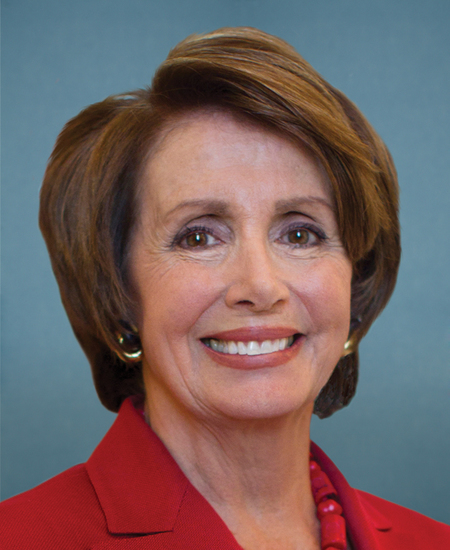
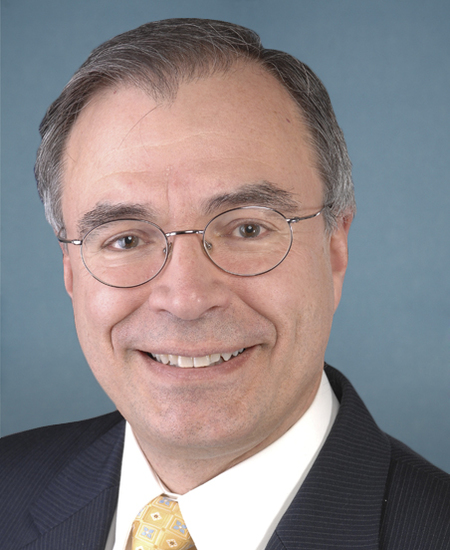
The Quantum for Health Act amends the National Quantum Initiative Act to broaden the scope of federal quantum research and education programs. It explicitly adds "social benefit" as a goal and includes "diverse sectors" alongside existing applications, ensuring that health-related fields are integrated into the national strategy. The bill also expands the oversight committees and advisory groups by adding the Department of Health and Human Services and requiring nonprofit research organizations to be included in coordination efforts. Furthermore, it increases the number of multidisciplinary research centers from five to ten and mandates that these centers focus on quantum information science, engineering, and technology to address health challenges while promoting diversity in STEM education.
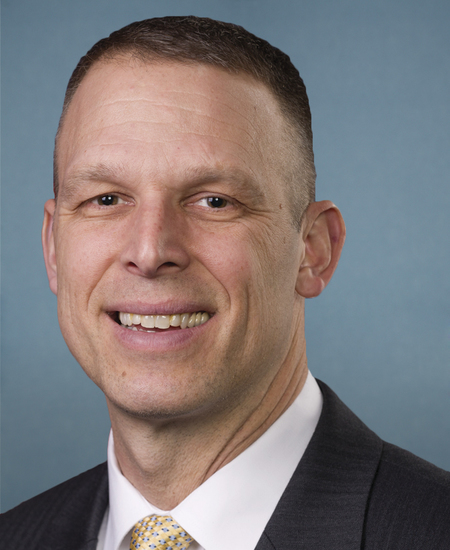
The No Aid for Ghost Students Act of 2026 requires the Department of Education to use a new identity fraud detection system to review federal student aid applications starting October 1, 2026. If an application triggers a reasonable suspicion of identity fraud, the applicant will be notified and informed that their designated colleges must verify their identity before releasing any financial aid. To prevent payment, schools must confirm the applicant's identity through in-person meetings or live video calls unless the fraud suspicion is cleared. The Department of Education will also be required to report details about the system's design and its effectiveness to Congress annually.
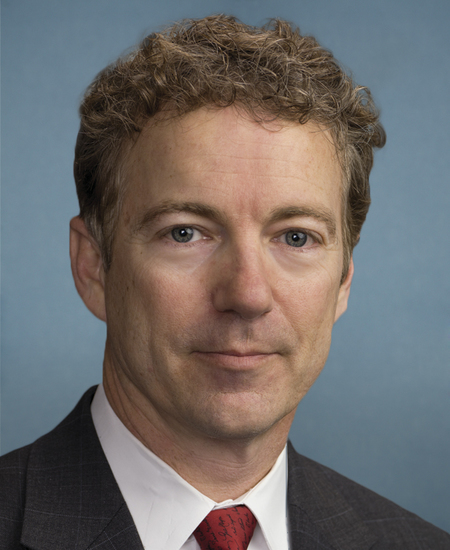
This bill directs the National Institute of Standards and Technology to create task forces that develop technical standards for labeling content created by artificial intelligence. These groups will work with technology companies, social media platforms, and privacy experts to establish methods for watermarking images and videos, as well as tagging text, to help users distinguish AI-generated material from human-made content. The legislation requires these task forces to include representatives from various sectors, including developers, media organizations, and labor groups, and mandates regular reporting to Congress on their progress. Additionally, the bill emphasizes the need to protect user privacy when implementing these new tracking and labeling systems.
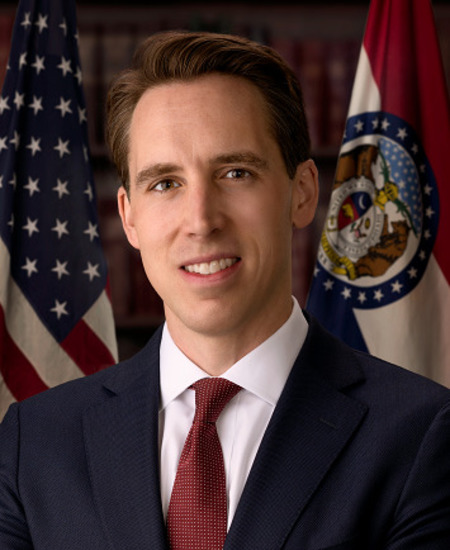
This bill requires federal crime control grants to include a certification that applicants have not improperly shared personal details about individuals involved in firearm transactions or background checks. It directly affects public agencies, private organizations, and local governments receiving funding from the Department of Justice, mandating they confirm they have protected sensitive data from accidental or intentional leaks. The law specifically defines "personally identifiable information" to include names, social security numbers, and biometric records to clarify what must be safeguarded. By adding these certification requirements to existing grant programs, the legislation aims to enforce stricter data privacy standards for those handling firearm-related records.
The PRICE Act requires third-party food delivery apps to stop using hidden pricing strategies that change delivery fees based on a customer's past order history or willingness to pay. Starting 90 days after enactment, these platforms must calculate delivery fees using a fixed formula based only on the order total and distance, while clearly displaying the base food price and the final total before checkout. The law also mandates that apps explain exactly what each delivery fee covers and whether it is refundable. The Federal Trade Commission is responsible for enforcing these rules, and state attorneys general have the authority to sue platforms that violate the act on behalf of their residents.
The Public Safety UAS Readiness Act establishes a grant program to help fire departments, law enforcement agencies, and emergency medical services train their personnel on operating drones for public safety missions. Funded by up to $10 million annually from 2026 to 2029, these grants can be used to develop training curriculums, purchase compliant drones, and cover administrative costs related to the programs. Recipients must submit detailed plans outlining their safety protocols, risk management strategies, and data privacy measures, with a priority given to agencies in high-risk areas or underserved regions that currently lack drone training capacity. To ensure quality, the act requires that training materials be maintained by recognized nonprofit organizations and mandates annual reporting on the number of trained personnel and drone deployments to Congress.
The Postal Data Privacy Act of 2026 restricts the use of mail covers by requiring governmental entities to obtain a court order before accessing postal records for criminal investigations. To qualify for such an order, authorities must provide specific facts demonstrating that the requested data is relevant and material to an ongoing case, while state laws prohibiting mail covers would override federal requirements. Additionally, the bill mandates that postal officials preserve relevant records for up to 180 days while a court order is being sought or renewed. These provisions directly affect federal and state law enforcement agencies as well as the United States Postal Inspection Service by establishing new procedural safeguards for accessing mail data.
The AI OVERWATCH Act establishes new export controls on advanced integrated circuits destined for specific countries of concern, including China, Russia, Iran, North Korea, and Cuba. It requires companies to obtain a specific license for each export of high-performance chips, prohibiting the use of general licenses and mandating detailed certifications to Congress regarding national security and defense impacts. The bill defines these restricted chips by their technical processing power and creates a "trusted United States person" program that allows certain domestic entities to bypass licensing requirements if they meet strict security and ownership standards. Additionally, the legislation requires the government to develop an "American Artificial Intelligence Victory Strategy" outlining how to maintain U.S. leadership in AI against foreign competitors.
The Next-Generation Geothermal Research and Development Act expands federal geothermal research to include advanced technologies like closed-loop and supercritical systems. It directs the Department of Energy to create a new research program, establish a center of excellence, and award grants for developing drilling equipment and materials needed for these systems. The bill also requires the creation of a public database for geothermal data and mandates periodic reports on water usage and the commercial potential of next-generation geothermal energy.
This bill expands the Federal Communications Commission's existing rules against robocalls to cover all phone numbers, not just residential lines, and allows individuals to sue for violations regardless of how many calls they receive. It also clarifies the legal definition of an automatic dialing system to include machines that use pre-set lists of numbers or dial without human intervention. By removing the "residential" restriction, the law aims to protect both home and business phone users from unwanted automated calls.