Issue · Technology

Technology

Every technology bill, vote, and legislator stance in United States, automatically classified by Maddy, our AI policy reader.

Total bills
1,435
119th Congress
Top supporter
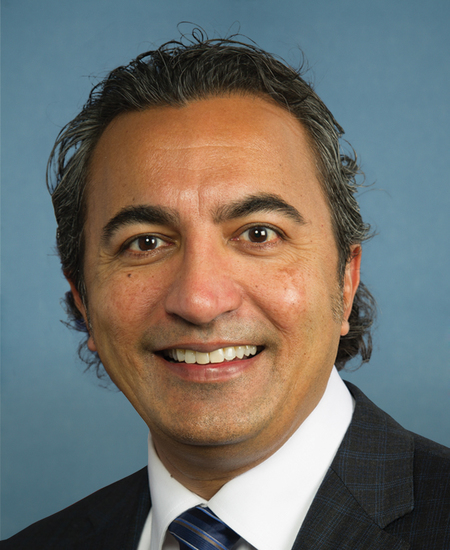
Ami Bera
86% support rate
Top opponent
Alan Armstrong
14% support rate
Ranked legislators
10
5 support · 5 oppose
Key legislators

Who's moving technology in United States

Legislators moving technology in United States
Legislator Party Stance Support rate Decisive votes
Ami Bera
Ami Bera House · District 6
D
Strong +
86% 22
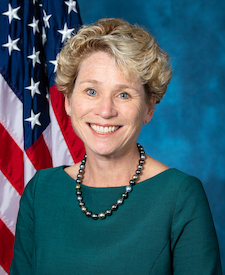
Chrissy Houlahan
Chrissy Houlahan House · District 6
D
Strong +
86% 22
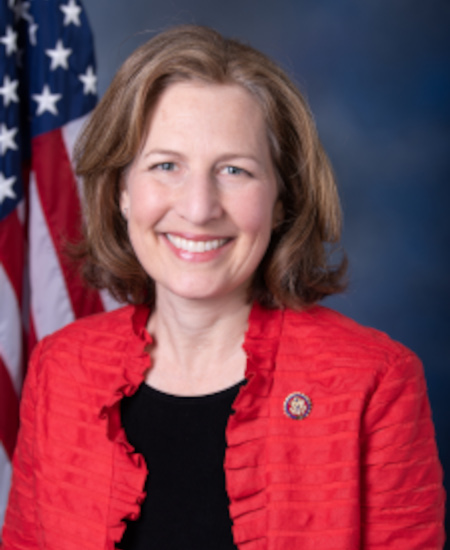
Kim Schrier
Kim Schrier House · District 8
D
Strong +
86% 22
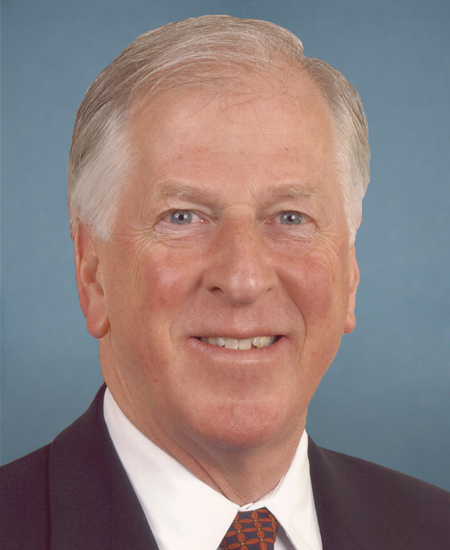
Mike Thompson
Mike Thompson House · District 4
D
Strong +
86% 22
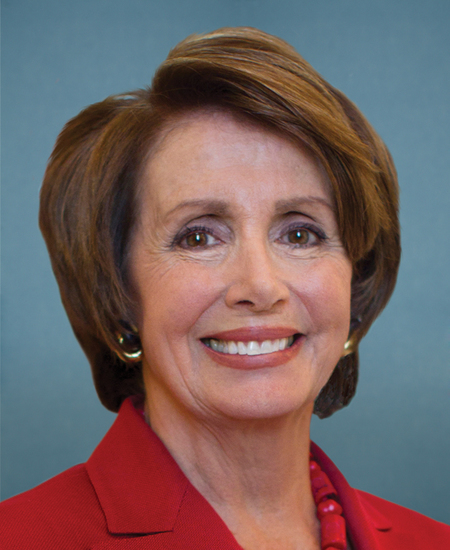
Nancy Pelosi
Nancy Pelosi House · District 11
D
Strong +
86% 22
AA
Alan Armstrong Senate
R
Strong −
14% 28
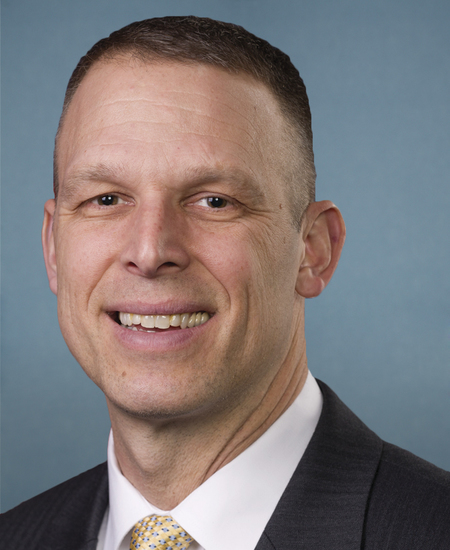
Scott Perry
Scott Perry House · District 10
R
Strong −
14% 21
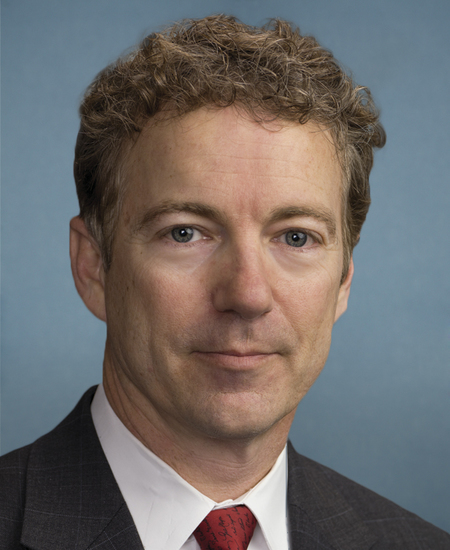
Rand Paul
Rand Paul Senate
R
Strong −
16% 45
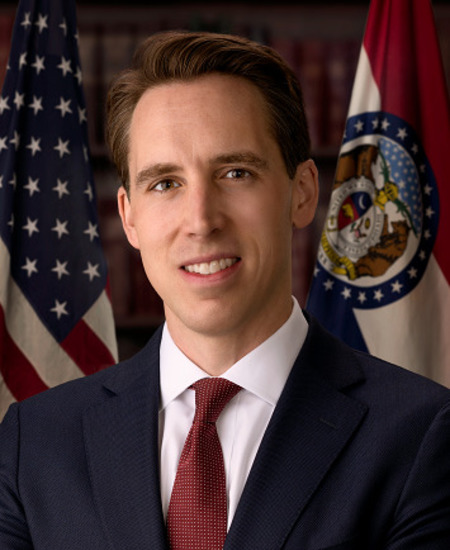
Josh Hawley
Josh Hawley Senate
R
Strong −
18% 44
Andy Harris
Andy Harris House · District 1
R
Strong −
18% 22
Showing 1,151–1,160 of 1,435 bills

All technology bills

in committee · United States · House Dec 1, 2025

HR 6334: Deepfake Liability Act

HR 6334, the Deepfake Liability Act, requires online platforms to implement specific processes to address non-consensual intimate content and cyberstalking. It amends Section 230 of the Communications Act to create a "duty of care" for platforms, mandating they prevent and remove intimate privacy violations (like non-consensual deepfakes or intimate images) within 48 hours of a valid request. The law directly affects victims of non-consensual intimate content and platforms classified as "covered platforms" (social media, apps, and websites), while excluding email, messaging services, and data storage. Key provisions include minimum data logging for legal proceedings, clear removal processes, and a 48-hour removal timeline for verified violations.
passed · United States · House Mar 4, 2025

HR 872: Federal Contractor Cybersecurity Vulnerability Reduction Act of 2025

HR 872 requires federal contractors with contracts above $250,000 or those handling federal information systems to implement vulnerability disclosure policies aligned with NIST guidelines and international standards (like ISO 29147). Within 180 days, the OMB and agencies must update the Federal Acquisition Regulation (FAR) and Defense FAR (DFARS) to mandate these policies, ensuring contractors disclose security vulnerabilities in systems they manage for the government. The bill allows limited waivers for national security or research, requiring congressional notification within 30 days. It directly affects major federal contractors, aiming to standardize how security flaws are reported and addressed across government contracts.
Sub-Topics Cybersecurity
in committee · United States · Senate Sep 17, 2025

S 2850: Protecting Legislators and Survivors of Sexual Assault and Domestic Violence from Doxing and Political Violence Act

S 2850, the Protecting Legislators and Survivors of Sexual Assault and Domestic Violence from Doxing and Political Violence Act, would protect Members of Congress, their immediate family members, designated legislative employees, and survivors of domestic violence or sexual assault from having sensitive personal information publicly shared. The bill defines "covered information" to include home addresses, phone numbers, email addresses, social security numbers, license plate numbers, and details about children's schools or daily routines. It requires government agencies to remove this information from public records within 72 hours of a request and prohibits data brokers from selling or trading this information. Businesses and websites must also remove covered information upon request, with exceptions for news reporting and information voluntarily shared by the individual.
in committee · United States · Senate Feb 9, 2026

S 3809: AI Grand Challenges Act of 2026

The AI Grand Challenges Act of 2026 directs the National Science Foundation (NSF) to establish prize competitions for U.S.-based researchers and companies to solve specific, measurable problems in critical areas like health, national security, energy, and cancer research. It requires the NSF to publish clear problem statements and success metrics for each challenge, including a mandatory $10 million prize competition focused on AI-driven cancer breakthroughs for detection, treatment, or diagnostics. Eligibility is limited to U.S. entities or citizens/permanent residents, with annual reporting to Congress on competition results and public accessibility via the Challenge.gov platform. The bill mandates public input on challenge selection and biennial reports detailing program activities and outcomes.
in committee · United States · House May 6, 2025

HR 3218: Reproductive Data Privacy and Protection Act

HR 3218, the Reproductive Data Privacy and Protection Act, requires law enforcement and government agencies to swear under oath that they will not use reproductive or sexual health information in investigations or legal proceedings. It amends federal wiretap laws (18 U.S.C. § 2518) and communication disclosure rules (18 U.S.C. § 2703) to mandate this protection. The bill defines "reproductive or sexual health information" broadly to include details about abortion, contraception, IVF, pregnancy, sexual health conditions, and related medical services. This directly affects law enforcement, courts, and service providers by legally restricting how sensitive health data can be used in investigations. The law aims to prevent government use of such data to target individuals seeking or providing reproductive care.
in committee · United States · House Apr 8, 2025

HR 2750: Bridging the Broadband Gap Act of 2025

HR 2750, the Bridging the Broadband Gap Act of 2025, allows states or local entities using Infrastructure Investment and Jobs Act broadband funds to provide vouchers to low-income households in areas lacking adequate broadband service. These vouchers cover 50% of satellite or fixed wireless equipment costs (like routers) and up to $30 monthly for service, prioritizing households in communities with below-median income. The bill restricts vouchers to unserved or underserved locations and limits coverage to a single 12-month period per household. It does not create new funding but directs existing BEAD Program grants toward these targeted household subsidies.
Sub-Topics Broadband Access Telecommunications Tags Rural Communities
in committee · United States · Senate Nov 19, 2025

S 3200: License Monopoly Prevention Act of 2025

S 3200, the License Monopoly Prevention Act of 2025, requires the Bureau of Industry and Security (BIS) to conduct a competitive market review before issuing any export license that would grant a single company exclusive rights to sell specific technology to a particular end user. The bill directly affects BIS and companies applying for export licenses, preventing the issuance of "monopoly licenses" that could distort markets or undermine regulatory credibility. Key provisions mandate BIS to verify no other applications exist for the same technology to the same end user, or that competing technologies are sufficiently distinct, and to consult with the International Trade Administration during reviews. This change applies to licenses for export, reexport, or in-country transfer of technology under the Export Control Reform Act of 2018.
in committee · United States · House Jun 25, 2026

HR 5584: LIFT AI Act

The LIFT AI Act (HR 5584) provides federal funding through competitive grants to develop AI literacy programs for K-12 education. It directly affects elementary and secondary schools, teachers, and students by supporting the creation of AI-focused curricula, teacher training on responsible AI use, and hands-on learning tools. Key provisions include funding for project-based learning materials, professional development for educators, and evaluation methods to assess student AI proficiency. The bill aims to integrate practical AI skills into classrooms while ensuring content adapts to evolving technology. It does not fund direct student programs but enables schools to build foundational AI education through grant-supported resources.
in committee · United States · House Dec 19, 2025

HR 5388: American Artificial Intelligence Leadership and Uniformity Act

HR 5388, the American Artificial Intelligence Leadership and Uniformity Act, imposes a 5-year regulatory moratorium on state laws restricting AI models, systems, or automated decision systems in interstate commerce. This directly affects businesses operating across state lines, particularly small businesses burdened by conflicting state regulations, by preventing new state rules during this period. The bill requires the President to develop a National AI Action Plan within 30 days, setting measurable goals for federal AI innovation, aligning with national standards, and reducing small business compliance burdens. It includes specific exceptions allowing states to enforce laws that facilitate AI deployment or handle criminal penalties, while explicitly preserving federal and generally applicable criminal laws. The moratorium aims to create regulatory certainty during the development of national AI governance standards.
Sub-Topics Artificial Intelligence Tags Small Business
in committee · United States · House Mar 24, 2025

HR 2298: Reducing Barriers for Broadband on Federal Lands Act of 2025

HR 2298 exempts certain broadband infrastructure projects on federal lands from requiring environmental reviews under the National Environmental Policy Act (NEPA) and historic preservation reviews under the National Historic Preservation Act. It applies specifically to wireline or wireless broadband installations (like fiber lines or cell towers) by broadband providers on federal rights-of-way, such as areas adjacent to roads or highways. The bill removes the need for agencies to conduct full environmental assessments or historic site reviews for these projects, streamlining approvals. This directly affects federal land managers (like the BLM or Forest Service) and broadband providers seeking to expand service on public lands. The key change is eliminating specific regulatory hurdles for qualifying broadband projects on federal rights-of-way.
Showing 1,151 to 1,160 of 1,435 bills