Issue · Labor & Employment

Labor & Employment

Every labor & employment bill, vote, and legislator stance in United States, automatically classified by Maddy, our AI policy reader.

Total bills
1,564
119th Congress
Top supporter
Brian K. Fitzpatrick
93% support rate
Top opponent
Bernard Sanders
27% support rate
Ranked legislators
10
5 support · 5 oppose
Key legislators

Who's moving labor & employment in United States

Legislators moving labor & employment in United States
Legislator Party Stance Support rate Decisive votes
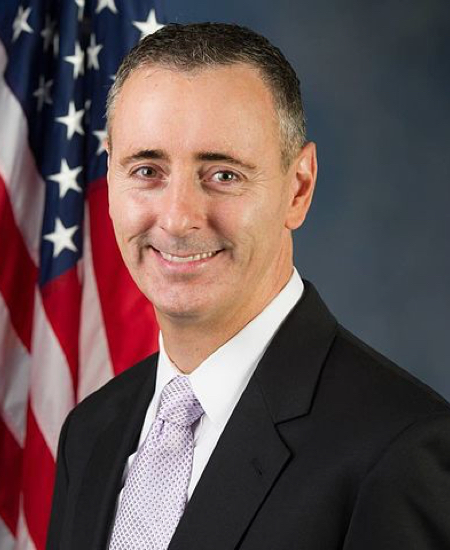
Brian K. Fitzpatrick
Brian K. Fitzpatrick House · District 1
R
Strong +
93% 14
Christopher H. Smith
Christopher H. Smith House · District 4
R
Strong +
93% 14
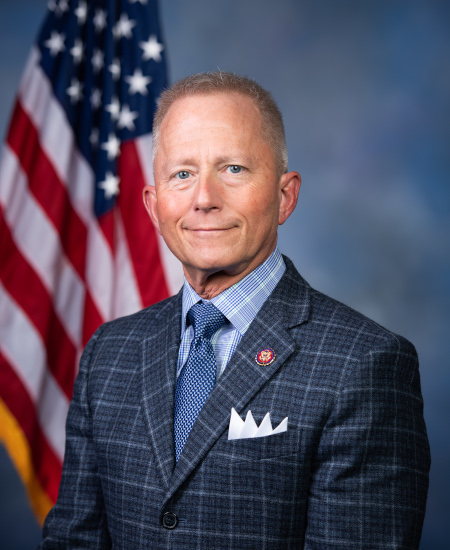
Jefferson Van Drew
Jefferson Van Drew House · District 2
R
Strong +
93% 14
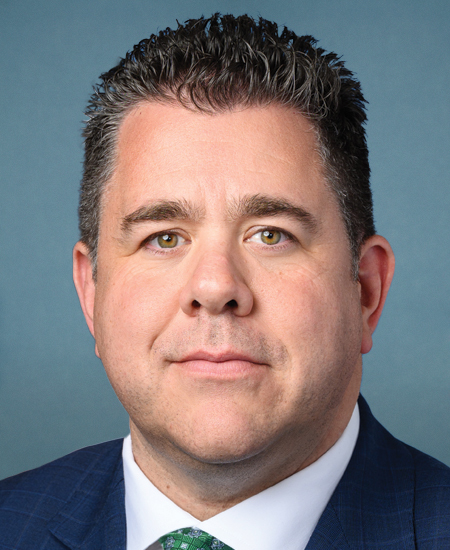
Nick LaLota
Nick LaLota House · District 1
R
Strong +
93% 14
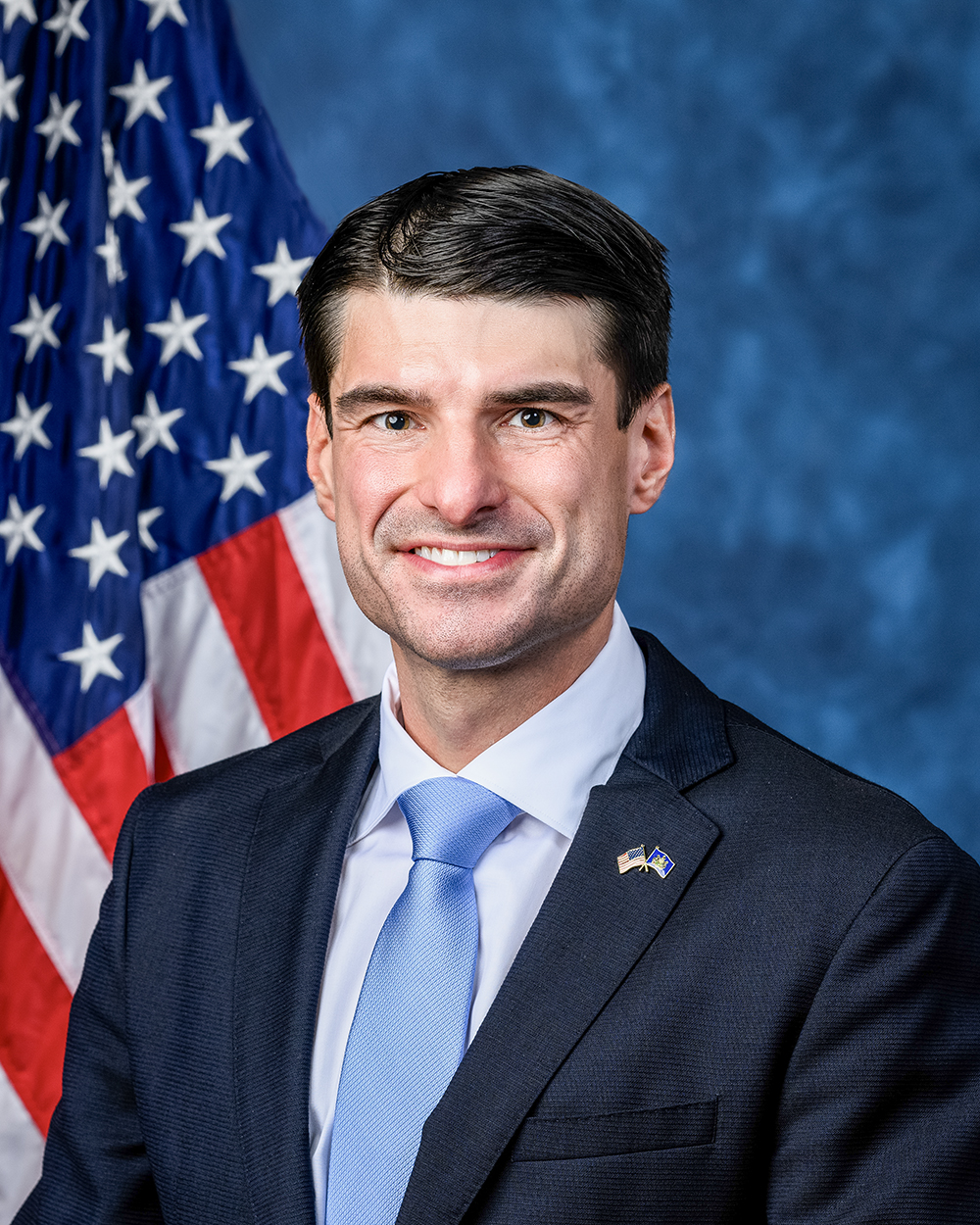
Robert P. Bresnahan, Jr.
Robert P. Bresnahan, Jr. House · District 8
R
Strong +
93% 14
Bernard Sanders
Bernard Sanders Senate
I
Oppose
27% 11
Edward J. Markey
Edward J. Markey Senate
D
Oppose
27% 11
Elizabeth Warren
Elizabeth Warren Senate
D
Oppose
27% 11
Lisa Blunt Rochester
Lisa Blunt Rochester Senate
D
Oppose
27% 11
Chip Roy
Chip Roy House · District 21
R
Oppose
29% 14
Showing 981–990 of 1,564 bills

All labor & employment bills

in committee · United States · Senate Jun 12, 2025

S 2083: Pay Our Correctional Officers Fairly Act

This bill adjusts pay rates for Bureau of Prisons correctional officers working in the "Rest of U.S." pay locality. It requires these employees to be paid based on the nearest other pay locality within 200 miles that offers a higher wage, rather than the standard "Rest of U.S." rate. For employees in specific "covered" wage areas, the bill mandates payment at the highest applicable rate within their region. The changes apply to pay periods starting 180 days after the bill's enactment.
Sub-Topics Labor Standards
in committee · United States · Senate Jun 18, 2025

S 2124: Election Worker Protection Act of 2025

The Election Worker Protection Act of 2025 provides federal grants to states for election worker recruitment, training, and safety. It establishes new criminal penalties for threatening or harassing election workers, with fines up to $100,000 and up to 5 years in prison. The bill creates a grant program to protect election workers' personally identifiable information from public disclosure, including through redaction of personal data in public records. States would receive funding based on their voting age population, with requirements for diversity-focused recruitment and regular reporting on program outcomes.
in committee · United States · House Mar 10, 2025

HR 1989: Protect Our Probationary Employees Act

This bill adjusts probationary periods for certain federal employees who were involuntarily separated between January 20, 2025, and January 20, 2029. It allows eligible employees (those separated while on probation in an Executive agency) to count their prior service time toward a new probationary period when rehired into a similar position with their former agency. Specifically, the new probation period equals the original required duration minus the time already served in their previous federal role. The law expires on January 20, 2029, and applies only to appointments matching the employee’s prior position.
Sub-Topics Public Employees
in committee · United States · House Mar 4, 2025

HR 1835: MERIT Act

HR 1835 (MERIT Act) provides reinstatement or compensation to federal employees who were terminated during a specific mass layoff period (January 20, 2025, through the bill’s enactment date). Affected probationary employees - newly hired workers on a trial period or not yet permanent - can choose to return to a similar position with matching benefits or receive a lump-sum payment covering the pay difference between their terminated role and any new federal job they held during the layoff period. Agencies must notify affected employees within 30 days and offer reinstatement or payment within 90 days, with employees required to accept or decline within 30 days to avoid losing eligibility. The bill defines "mass termination" as 15+ separations in a 30-day period by a single agency.
in committee · United States · House May 23, 2025

HR 3590: SCHOOL Professionals Act of 2025

This bill amends IRS rules to clarify that contractors primarily providing services to educational organizations (like schools) are treated similarly to employees for health coverage purposes. Specifically, it changes Section 4980H of the tax code so that these contractors count toward full-time employee thresholds when determining if an educational organization must offer health insurance. This directly affects schools and their operations/logistics contractors, requiring schools to include these contractors when assessing health coverage obligations under employer mandates. The change applies to months beginning after the bill's enactment date.
in committee · United States · Senate Jun 26, 2025

S 2200: First Responders Emergency Assistance Act

This bill creates a federal grant program to help local first responder agencies (like police departments, fire stations, and emergency centers) cover costs when there's a sudden, large increase in people entering the U.S. from abroad. Eligible entities can use the funds for equipment, personnel salaries, overtime, and other direct response costs related to these arrivals. The program requires 25% of funds to go to agencies in states bordering Canada or Mexico, and mandates detailed reporting on how money is spent and annual progress reports to Congress. Funds cannot be used to reimburse costs for enforcing immigration laws.
Sub-Topics Labor Standards Tags Emergency Management
in committee · United States · House Mar 18, 2025

HR 2210: Saving NASA’s Workforce Act

HR 2210, the Saving NASA’s Workforce Act, prohibits NASA from initiating or implementing reductions in force or involuntary separations of most employees until after full-year funding for fiscal year 2026 is enacted. It specifically protects employees in competitive service, excepted service, and the Senior Executive Service from being laid off, except for cause related to misconduct, inefficiency, or delinquency. The bill applies to all standard personnel actions under federal law and does not affect existing authority for disciplinary separations. This moratorium directly affects NASA’s workforce by preventing layoffs during the current funding cycle.
in committee · United States · Senate Oct 29, 2025

S 3073: Pay Our Capitol Police Act

This bill ensures the U.S. Capitol Police continue receiving pay during fiscal year 2026 funding gaps by authorizing temporary funds for salaries, benefits (including hazard pay and retirement), and contractor support. It directly affects Capitol Police officers (classified as "excepted employees" during emergencies), their civilian support staff, and contractors providing essential services. The funding mechanism provides immediate payments for the period starting October 1, 2025, and lasts until Congress passes regular appropriations for the Capitol Police or September 30, 2026, whichever comes first.
introduced · United States · Senate Nov 7, 2025

S 3012: Shutdown Fairness Act

Shutdown Fairness Act This bill provides appropriations to pay federal employees who work during a government shutdown. Specifically, the bill provides appropriations for federal agencies to provide standard rates of pay, allowances, pay differentials, benefits, and other payments to excepted employees for work performed during any period in which interim continuing appropriations or full-year appropriations are not in effect for a fiscal year (i.e., a government shutdown). An excepted employee is an employee who is required to work during a government shutdown. Under current law, excepted employees are not paid until the government shutdown is over. This bill provides appropriations to pay excepted employees during a government shutdown. The bill also specifies that the term  excepted employee includes certain contractors who support federal employees during a government shutdown and members of the Armed Forces who are on active duty.  A federal agency may not use the funds provided by this bill during any period in which continuing appropriations are in effect for the purpose of paying excepted employees of the agency. The bill must take effect as if it had been enacted on September 30, 2025.
in committee · United States · House Nov 17, 2025

HR 6011: VA Work-Study Improvement Act

HR 6011, the VA Work-Study Improvement Act, expands opportunities for veterans and military members participating in the VA's work-study program. It allows them to work on activities with state/local governments or nonprofits that benefit veterans (e.g., community service or job training), and sets a new wage standard requiring payments to be the highest of federal employee rates, state minimum wage, or local minimum wage. The bill also requires electronic tracking of work hours and annual public reporting on program participation, including demographics, wages, hours worked, and participating schools. These changes apply to work-study payments made on or after January 1, 2028.
Showing 981 to 990 of 1,564 bills
Previous 1 … 98 99 100 … 157 Next