Issue · Labor & Employment

Labor & Employment

Every labor & employment bill, vote, and legislator stance in United States, automatically classified by Maddy, our AI policy reader.

Total bills
1,564
119th Congress
Top supporter
Brian K. Fitzpatrick
93% support rate
Top opponent
Bernard Sanders
27% support rate
Ranked legislators
10
5 support · 5 oppose
Key legislators

Who's moving labor & employment in United States

Legislators moving labor & employment in United States
Legislator Party Stance Support rate Decisive votes
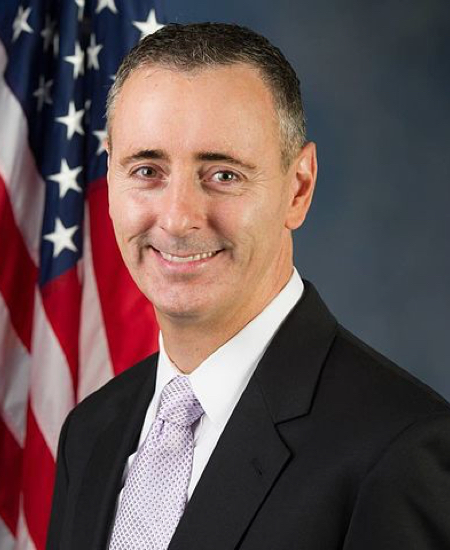
Brian K. Fitzpatrick
Brian K. Fitzpatrick House · District 1
R
Strong +
93% 14
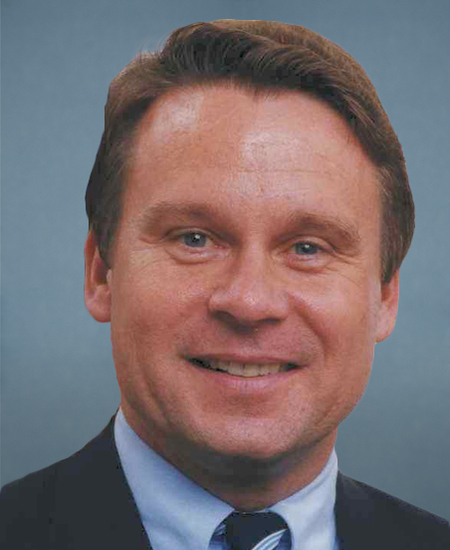
Christopher H. Smith
Christopher H. Smith House · District 4
R
Strong +
93% 14
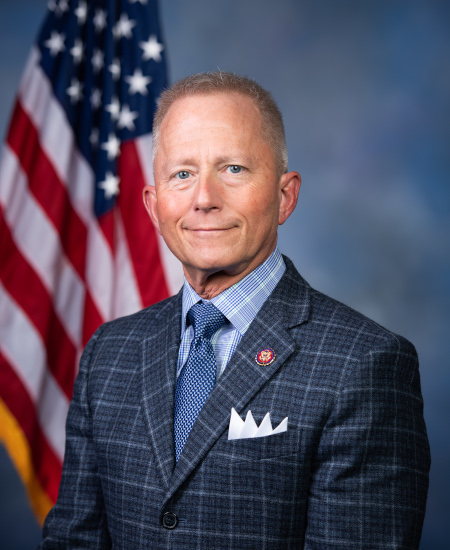
Jefferson Van Drew
Jefferson Van Drew House · District 2
R
Strong +
93% 14
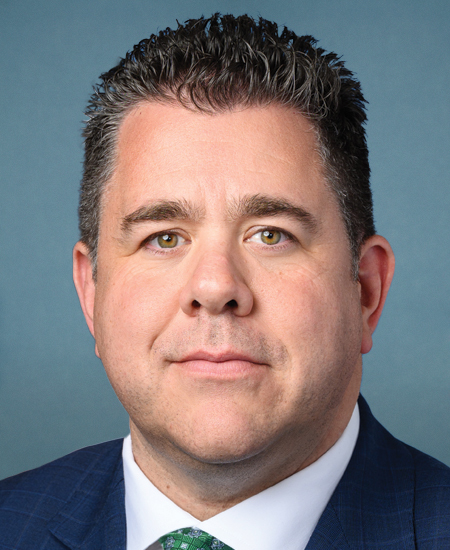
Nick LaLota
Nick LaLota House · District 1
R
Strong +
93% 14
Robert P. Bresnahan, Jr.
Robert P. Bresnahan, Jr. House · District 8
R
Strong +
93% 14
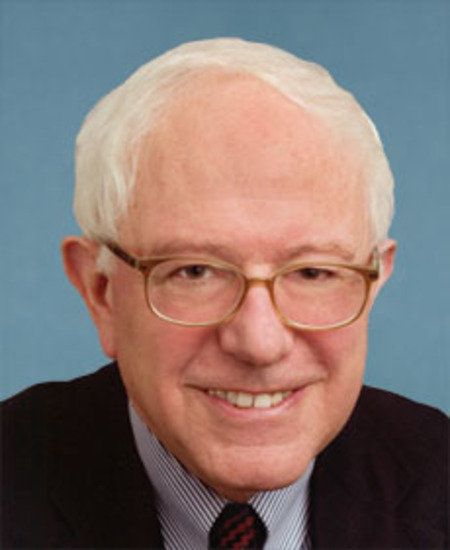
Bernard Sanders
Bernard Sanders Senate
I
Oppose
27% 11
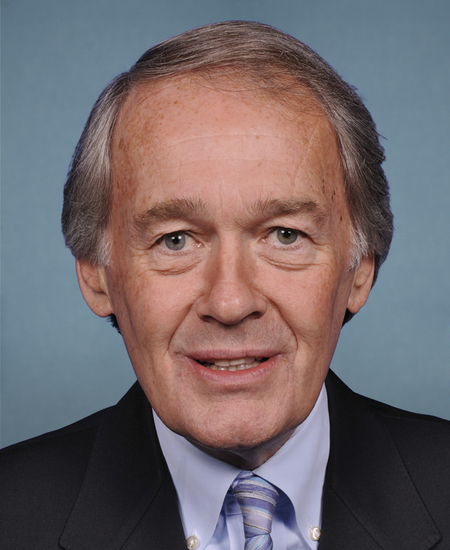
Edward J. Markey
Edward J. Markey Senate
D
Oppose
27% 11
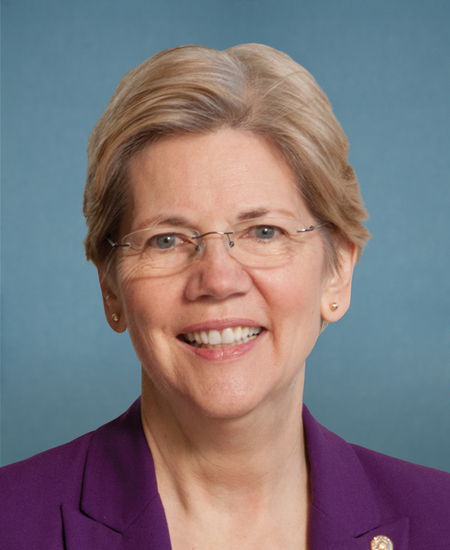
Elizabeth Warren
Elizabeth Warren Senate
D
Oppose
27% 11
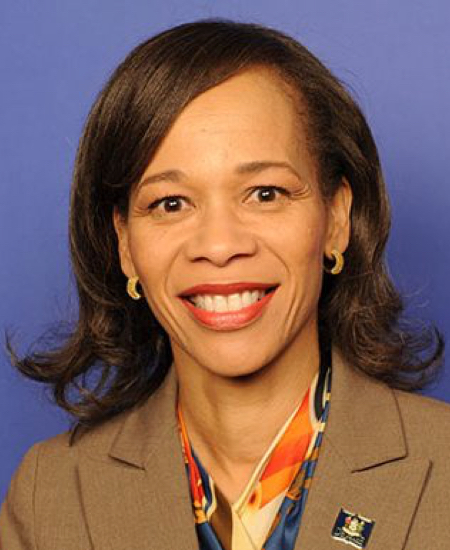
Lisa Blunt Rochester
Lisa Blunt Rochester Senate
D
Oppose
27% 11
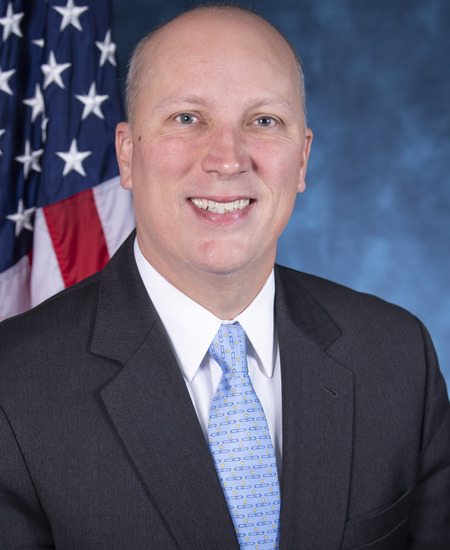
Chip Roy
Chip Roy House · District 21
R
Oppose
29% 14
Showing 971–980 of 1,564 bills

All labor & employment bills

in committee · United States · House Nov 20, 2025

HR 1559: Postal Employee Appeal Rights Amendment Act of 2025

This bill amends federal law to expand appeal rights for certain postal employees to the Merit Systems Protection Board (MSPB). It specifically applies to postal workers in supervisory, professional, technical, clerical, administrative, or managerial roles who are not represented by a union under Section 1203 of federal labor law. The key change clarifies that these employees can now directly appeal personnel decisions (like discipline or termination) to the MSPB, rather than relying solely on internal postal processes. This modifies eligibility criteria for MSPB appeals under Title 39 of the U.S. Code.
in committee · United States · House Feb 18, 2025

HR 1408: Affordable Child Care Act

This bill doubles key tax benefits for child care expenses. It increases the maximum child and dependent care credit from $3,000 to $6,000 per child (and $6,000 to $12,000 for two or more children) and doubles the dependent care assistance program limit from $5,000 to $10,000 annually. It also doubles the employer credit for providing child care from $150,000 to $300,000 per year. These changes directly affect working parents paying for child care and employers offering on-site or subsidized care, applying to tax years starting in 2025.
Sub-Topics Tax Credits
in committee · United States · House Jan 31, 2025

HR 876: To amend the Defense Base Act to exclude Guam.

This bill amends the Defense Base Act to specifically exclude Guam from its coverage. It changes the law's definition so that Guam is no longer considered a "Territory or possession outside the continental United States" under the Act. As a result, workers in Guam who might have been covered by the Act for defense-related injuries will no longer fall under its provisions. The key change is a definitional update in the statute, directly affecting Guam's legal status under this specific federal workers' compensation law.
in committee · United States · House May 8, 2025

HR 3270: Air Traffic Control Workforce Development Act of 2025

HR 3270, the Air Traffic Control Workforce Development Act of 2025, aims to strengthen the pipeline of air traffic controllers by improving training programs and retention. It provides $20 million annually (2026-2031) for colleges to develop specialized curricula and equipment through the Enhanced-Collegiate Training Initiative program, allowing graduates to be hired noncompetitively as controllers. The bill also establishes a committee to modernize training curricula and the Air Traffic Skills Assessment exam, while creating retention bonuses for certified controllers and mental health training for medical examiners. These changes directly affect colleges offering air traffic control programs, prospective controllers, and current FAA air traffic controllers.
in committee · United States · Senate Jul 10, 2025

S 2241: Enhancing Detection of Human Trafficking Act

S 2241 (Enhancing Detection of Human Trafficking Act) requires the U.S. Department of Labor to train specific employees - particularly those in the Wage and Hour Division working in states with rising oppressive child labor - on identifying human trafficking. The training, to be implemented within 180 days of enactment, covers current trafficking trends, victim identification methods, and proper referral procedures to the Department of Justice and victim advocacy groups, while respecting privacy laws. The bill mandates annual reports to Congress detailing training participation, effectiveness evaluations, and the number of trafficking cases referred by the Department of Labor to authorities. It directly affects Department of Labor staff handling labor enforcement and child labor issues, aiming to improve detection and response through structured training and accountability.
in committee · United States · House Jun 26, 2025

HR 4161: Fair Calculations in Civil Damages Act of 2025

This bill prohibits U.S. courts from using future earnings calculations in civil damages cases that factor in race, ethnicity, sex, gender identity, sexual orientation, or intersex traits. It requires the Secretary of Labor to create guidance for "inclusive" future earnings tables within 180 days that avoid such bias, and directs studies on damages data by case type and protected class. The bill also mandates training for federal judges on implementing these changes and ensures calculations based on age or disability don’t conflict with equal protection laws. It directly affects plaintiffs, defendants, and courts in personal injury and discrimination cases where damages are calculated.
in committee · United States · House May 14, 2025

HR 3412: Ending Administrative Garnishment Act of 2025

This bill suspends federal student loan wage garnishment authority until the Secretary of Education submits a certification to Congress. The certification requires implementing a process to refund improperly garnished wages within one week, allowing the Secretary to halt garnishment at any time, and verifying employer data quarterly. It also mandates a centralized database tracking garnished borrowers and annual reports to Congress. If the Secretary cannot meet these requirements, garnishment must stop entirely, and borrowers receive double the improperly withheld wages within 10 days. The bill also limits garnishment to loans outstanding for less than 10 years.
in committee · United States · House Feb 4, 2026

HR 5932: CLEAN VA Act

The CLEAN VA Act (HR 5932) streamlines disciplinary procedures for Department of Veterans Affairs (VA) employees and strengthens fraud prevention. It requires decisions on employee discipline within 15 business days, limits appeals to constitutional issues only, and increases penalties for VA employee fraud (e.g., up to 15 years in prison for misusing veterans' records). The bill also mandates whistleblower protections with 60-day investigation timelines, creates incentives for reporting fraud, and requires a VA review of disability rating systems using AI tools (with human oversight) to identify fraudulent claims. These changes directly affect VA employees through stricter accountability and veterans by aiming to reduce fraud in benefits processing.
in committee · United States · Senate Jul 31, 2025

S 2605: A bill to amend title 10, United States Code, to improve recruitment and retention of the cyber workforce of the Department of Defense, and for other purposes.

This bill (S 2605) creates special hiring and pay authorities to help the Department of Defense recruit and retain cybersecurity professionals. It allows the Secretary to establish "qualified positions" outside regular civil service hiring rules, set pay up to 150% of top executive rates, and offer flexible benefits like sabbaticals or retention bonuses. The policy directly affects DoD cyber workers in critical technical roles, including new hires and current employees in converted positions. It requires an implementation plan, annual reports tracking hiring/retention metrics, and a Comptroller General assessment to evaluate effectiveness.
in committee · United States · Senate Jan 16, 2025

S 135: Wildland Firefighter Paycheck Protection Act of 2025

The Wildland Firefighter Paycheck Protection Act of 2025 establishes special pay rates for wildland firefighters employed by the Forest Service and Department of the Interior. It replaces standard General Schedule base pay with increased rates (ranging from 1.5% to 42% higher depending on position grade) and creates 450% daily premium pay for employees deployed during qualifying wildfire incidents. The bill also creates mandatory rest and recuperation leave requirements, including minimum rest periods after incident deployment and limits on work hours during firefighting operations. These provisions apply to employees whose duties primarily relate to wildland fires, as defined in the bill.
Showing 971 to 980 of 1,564 bills
Previous 1 … 97 98 99 … 157 Next