Issue · Labor & Employment

Labor & Employment

Every labor & employment bill, vote, and legislator stance in United States, automatically classified by Maddy, our AI policy reader.

Total bills
1,543
119th Congress
Top supporter
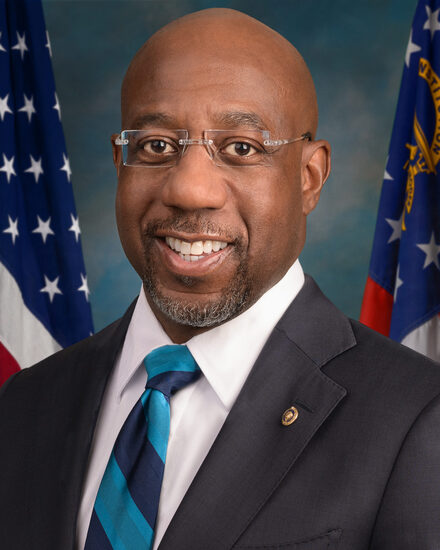
Raphael G. Warnock
100% support rate
Top opponent
Eric Burlison
31% support rate
Ranked legislators
10
5 support · 5 oppose
Key legislators

Who's moving labor & employment in United States

Legislators moving labor & employment in United States
Legislator Party Stance Support rate Votes
Raphael G. Warnock
Raphael G. Warnock Senate
D
Strong +
100% 211
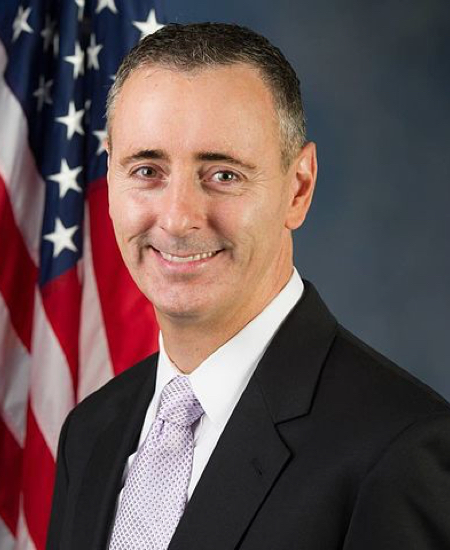
Brian K. Fitzpatrick
Brian K. Fitzpatrick House · District 1
R
Strong +
92% 194
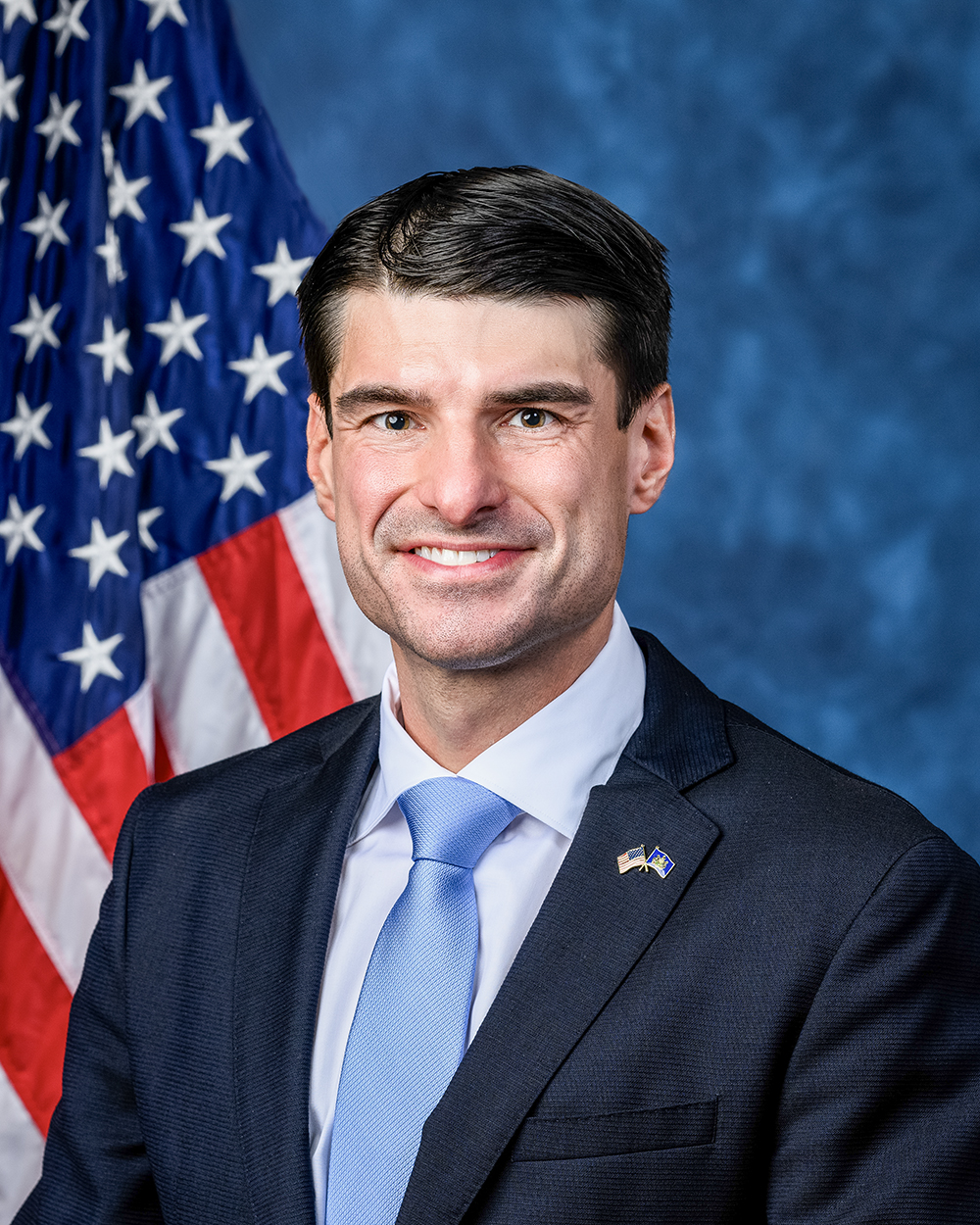
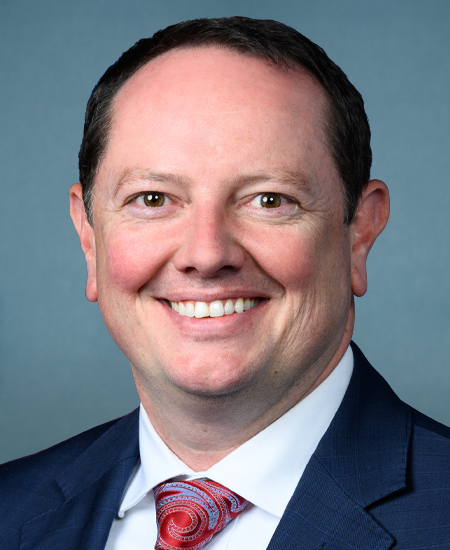
Robert P. Bresnahan, Jr.
Robert P. Bresnahan, Jr. House · District 8
R
Strong +
92% 197
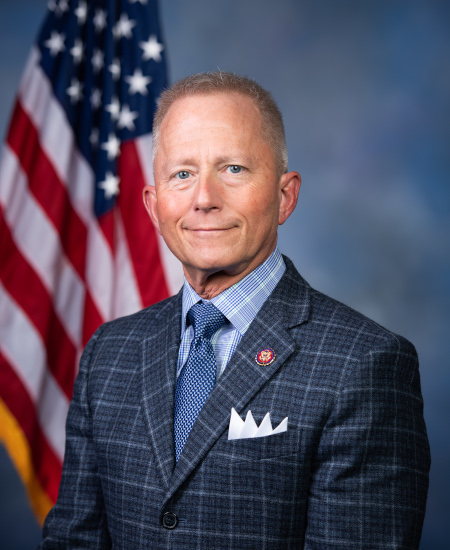
Jefferson Van Drew
Jefferson Van Drew House · District 2
R
Strong +
92% 197
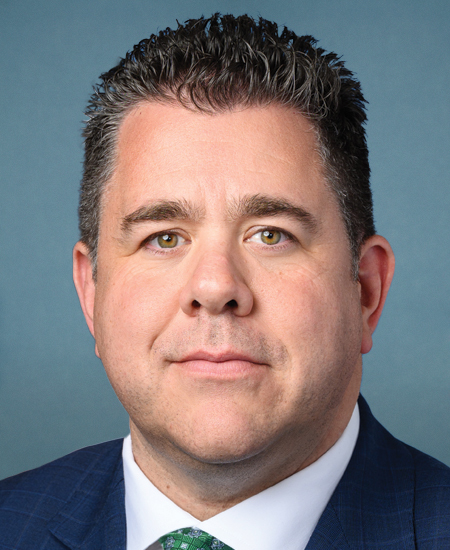
Nick LaLota
Nick LaLota House · District 1
R
Strong +
92% 195
Eric Burlison
Eric Burlison House · District 7
R
Oppose
31% 197
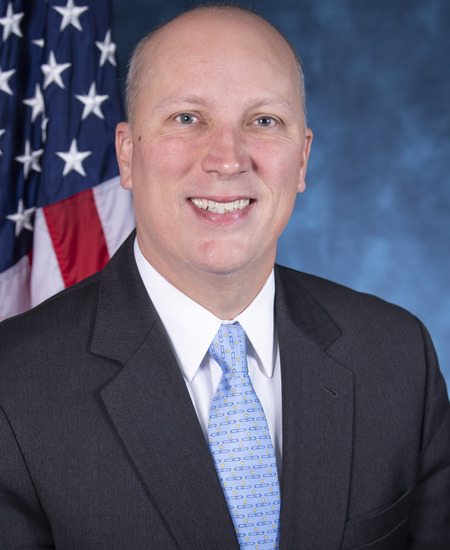
Chip Roy
Chip Roy House · District 21
R
Oppose
31% 190
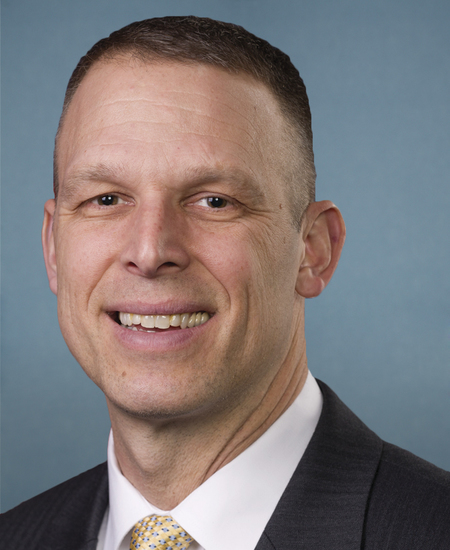
Scott Perry
Scott Perry House · District 10
R
Oppose
31% 194
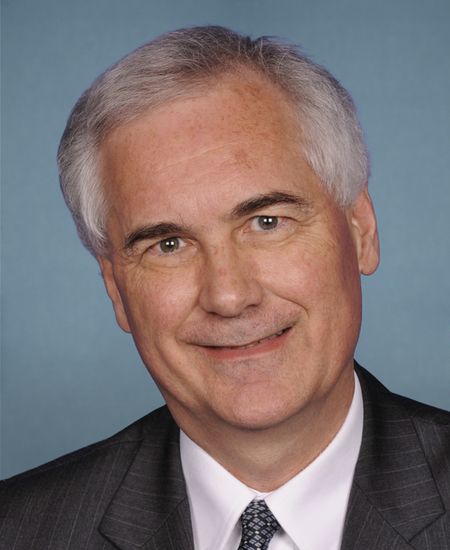
Tom McClintock
Tom McClintock House · District 5
R
Oppose
31% 190
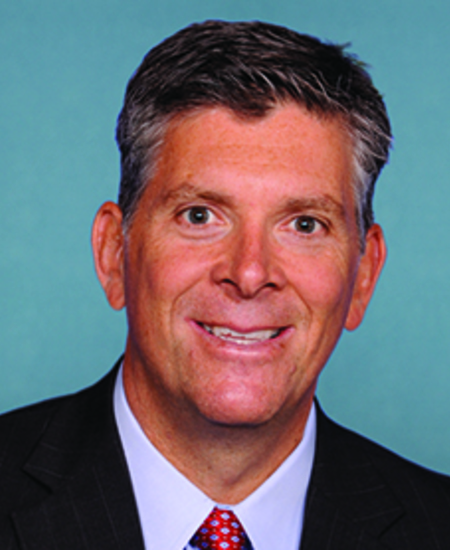
Darin LaHood
Darin LaHood House · District 16
R
Oppose
33% 175
Showing 231–240 of 1,543 bills

All labor & employment bills

in committee · United States · Senate Apr 22, 2026

S 4375: RETAIN Act of 2026

The RETAIN Act of 2026 aims to improve retention for Air Force rated officers by modifying pay and assignment policies. It allows officers with over eight years of aviation service to receive the maximum possible aviation incentive pay and extends a specific retention demonstration program through 2031. Under this program, the Air Force would offer officers flexible duty locations, non-flying staff roles, and the option to transition to non-combat positions, alongside a potential aviation bonus of up to $100,000 for those who commit to active duty. The legislation also requires that contract lengths and bonus amounts for these officers match or exceed those offered to members of the Air National Guard and Air Force Reserve.
in committee · United States · House May 21, 2026

HR 8987: Foreign Service Workforce Retention Act

The Foreign Service Workforce Retention Act aims to improve the ability of retired U.S. diplomatic officers to return to their jobs. It allows former career members to request reappointment within five years of leaving the service and requires the government to hire them back within 180 days if approved. The law also mandates that these returning officials be placed in the next assignment cycle with full standing, meaning they keep their previous rank and benefits. Additionally, the act requires the Secretary of State to submit annual reports to Congress detailing how many officers were recalled, their former grades, and their new positions. These changes directly affect retired Foreign Service officers and the administrative processes for re-hiring them.
in committee · United States · Senate Apr 27, 2026

S 4396: Social Security Caregiver Credit Act of 2026

The Social Security Caregiver Credit Act of 2026 would allow unpaid family members who care for chronically dependent relatives to earn Social Security credits as if they were working. To qualify, a caregiver must provide at least 80 hours of care per month to a relative under age 12 or an adult with significant daily needs, such as help with eating, bathing, or managing finances. The law treats these caregiving months as if the individual earned wages, potentially increasing their future retirement benefits or those of their surviving family members. Starting in 2027, caregivers would need to submit an application with medical documentation and certify their status annually to receive these deemed wages.
in committee · United States · House Apr 28, 2026

HR 8541: Long-Term Care Workforce Support Act

The Long-Term Care Workforce Support Act aims to address the severe shortage and low wages of direct care professionals who support older adults and people with disabilities by increasing Medicaid funding, expanding training grants, and establishing new federal labor protections. To improve compensation and retention, the bill allows states to receive additional Medicaid funds if they implement specific workforce improvements, such as raising wages, providing paid leave, and ensuring stable scheduling, while also creating a national strategy to calculate fair labor costs. The legislation introduces comprehensive worker rights, including a requirement for written employment agreements, fair scheduling with advance notice, paid sick time, and a federal standard to prevent workplace violence. Furthermore, the bill establishes multiple grant programs to fund training, career advancement, and diversity initiatives, alongside a new commission to develop national training standards and a technical assistance center to address inequities within the workforce.
in committee · United States · House May 7, 2026

HR 8676: To amend the Elementary and Secondary Education Act of 1965 to authorize the Secretary of Education to award grants to State educational agencies to carry out wellness programs for school personnel, and for other purposes.

This bill authorizes federal grants to help states and local school districts create wellness programs specifically designed to support the mental, emotional, and physical well-being of school staff, including teachers, administrators, and support personnel. The funding, available for fiscal years 2026 through 2030, would be distributed competitively to states, which must then provide subgrants to local agencies that prioritize schools serving high-need student populations. Recipients are required to develop initiatives addressing stress management, workplace conditions, and job satisfaction while reporting annually on program effectiveness and staff retention rates. Additionally, the legislation updates the authorization period for these funds and adjusts the structure of the Elementary and Secondary Education Act to include this new category of support.
Sub-Topics Student Health
in committee · United States · House May 21, 2026

HR 8994: Protect Working Musicians Act of 2026

The Protect Working Musicians Act of 2026 allows independent musicians and small music businesses to collectively negotiate licensing terms with large online music streaming platforms without fear of antitrust lawsuits. To qualify for this protection, creators must own their own copyrights and earn less than $1 million in licensing revenue annually, while the platforms targeted must generate over $100 million in music-related revenue. The law explicitly permits these groups to coordinate on pricing and licensing strategies, provided the negotiations remain fair and do not involve outside parties. Additionally, the bill extends similar collective bargaining protections to negotiations with companies developing generative artificial intelligence systems.
in committee · United States · House May 13, 2026

HR 8789: Volunteer First Responder Housing Act

This bill expands housing benefits for volunteer firefighters and other first responders by allowing them to receive a $18,000 income deduction when applying for USDA single-family housing loans. It also grants these volunteers eligibility to purchase discounted homes through the Good Neighbor Next Door program and similar federal housing sales initiatives. To qualify, individuals must provide a verification letter from their volunteer organization confirming at least two years of service, meeting specific hour or membership requirements, and holding valid state or tribal certification. The legislation defines "qualified volunteer first responders" based on existing Internal Revenue Code standards and requires proof of a commitment to continue volunteering for at least one year after buying a home.
in committee · United States · Senate Apr 16, 2026

S 4334: Blind Americans Return to Work Act of 2026

The Blind Americans Return to Work Act of 2026 establishes a 20-year demonstration project to help blind individuals who receive Social Security disability benefits return to the workforce. Under this program, the usual rules that reduce or stop benefits when a recipient earns money are modified to allow them to keep working while still receiving financial support. Specifically, the bill removes the requirement that earnings must be low enough to qualify for disability benefits and limits how much a person's monthly payment decreases based on their income and work-related expenses. Additionally, the project prevents benefits from ending solely because of earnings and waives certain standard compliance rules to facilitate the trial. After the initial 120-month period, participants have the option to exit the demonstration project if they choose.
Tags People with Disabilities
in committee · United States · House May 14, 2026

HR 8816: Tax Cut for Striking Workers Act of 2026

This bill, the Tax Cut for Striking Workers Act of 2026, allows workers who are on strike or lockout to receive tax-free strike benefits from their labor unions. These benefits are intended to replace wages lost due to the labor dispute and will not be counted as taxable income for the recipient. The law applies to compensation received after December 31, 2026, and specifically covers members of tax-exempt labor organizations. By excluding these payments from gross income, the bill aims to provide financial relief to striking employees without increasing their tax liability.
passed · United States · Senate May 21, 2026

S 4631: Expanding Whistleblower Protections for Contractors Act of 2026

This bill expands whistleblower protections for contractors, subcontractors, and grant recipients working with the Department of Defense, NASA, and the broader Federal Government. It allows these individuals to report evidence of gross mismanagement, waste of funds, abuse of authority, or dangers to public health and safety without fear of retaliation. The legislation also prohibits government officials from demanding that contractors take retaliatory actions and bans the waiver of these rights through arbitration agreements or other employment contracts. Additionally, it broadens the definition of who is protected to include personal service workers and employees of state, tribal, and territorial governments.
Showing 231 to 240 of 1,543 bills
Previous 1 23 24 25 155 Next