Issue · Labor & Employment

Labor & Employment

Every labor & employment bill, vote, and legislator stance in United States, automatically classified by Maddy, our AI policy reader.

Total bills
1,543
119th Congress
Top supporter
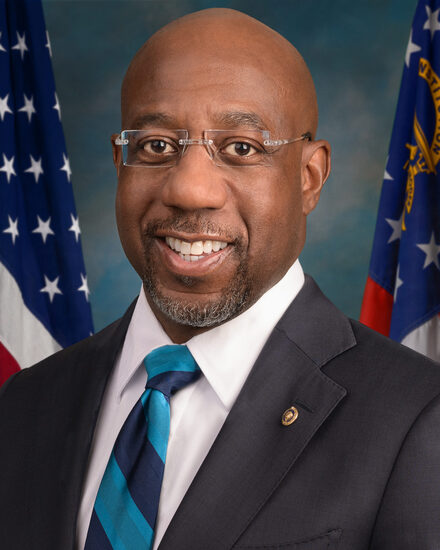
Raphael G. Warnock
100% support rate
Top opponent
Eric Burlison
31% support rate
Ranked legislators
10
5 support · 5 oppose
Key legislators

Who's moving labor & employment in United States

Legislators moving labor & employment in United States
Legislator Party Stance Support rate Votes
Raphael G. Warnock
Raphael G. Warnock Senate
D
Strong +
100% 211
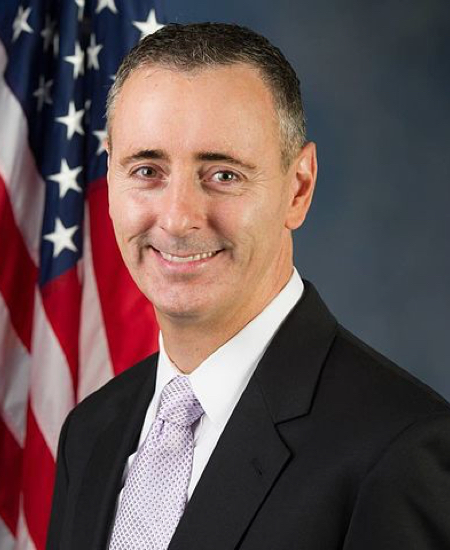
Brian K. Fitzpatrick
Brian K. Fitzpatrick House · District 1
R
Strong +
92% 194
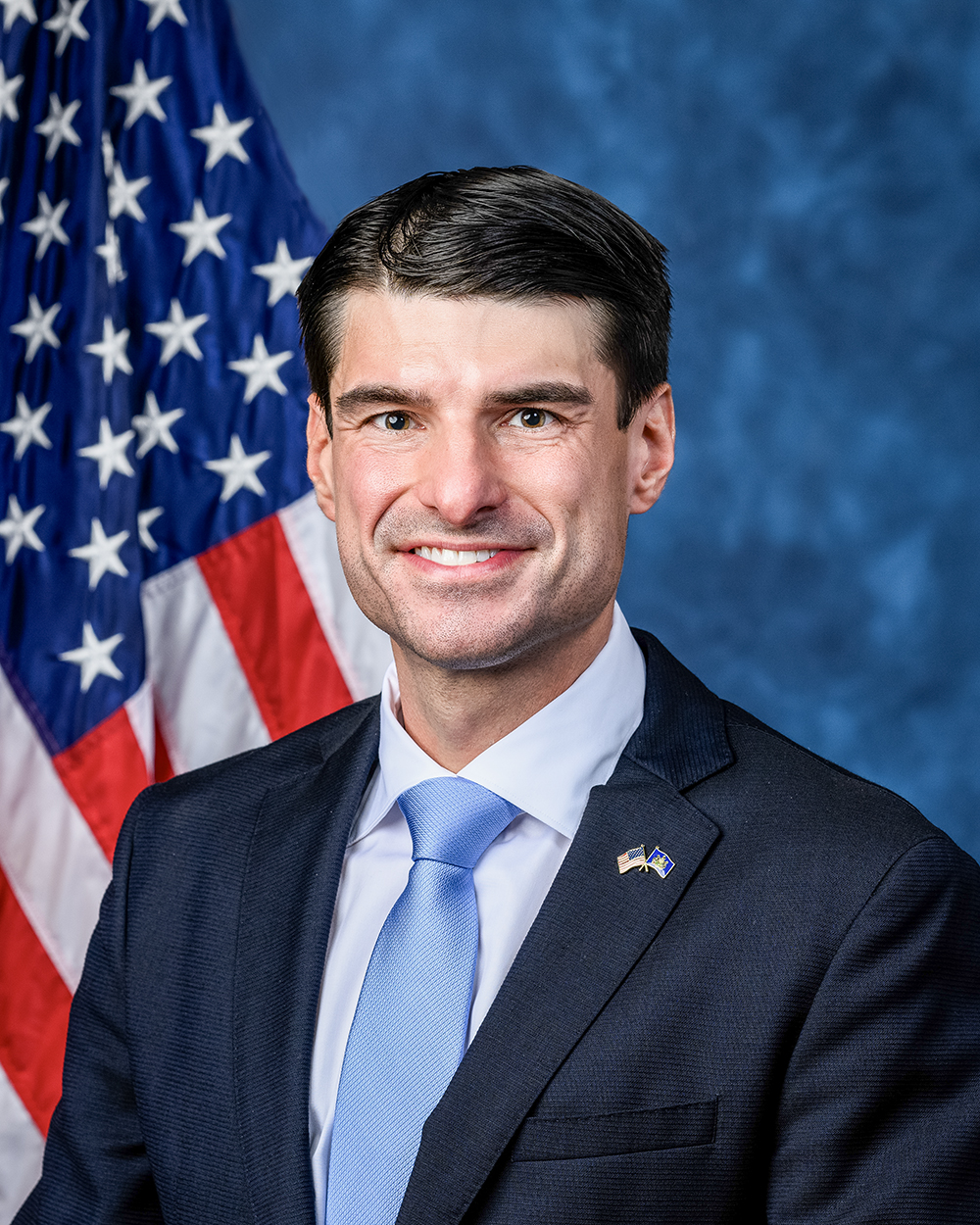
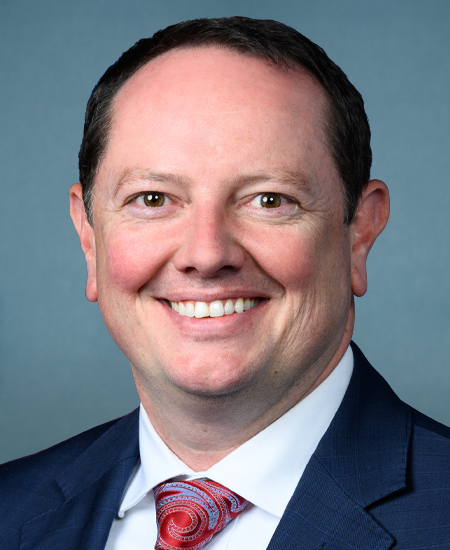
Robert P. Bresnahan, Jr.
Robert P. Bresnahan, Jr. House · District 8
R
Strong +
92% 197
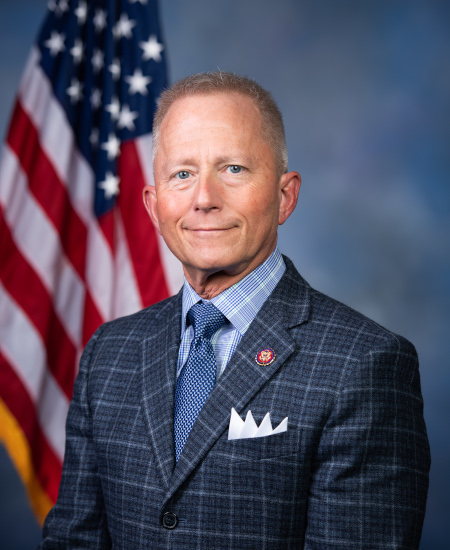
Jefferson Van Drew
Jefferson Van Drew House · District 2
R
Strong +
92% 197
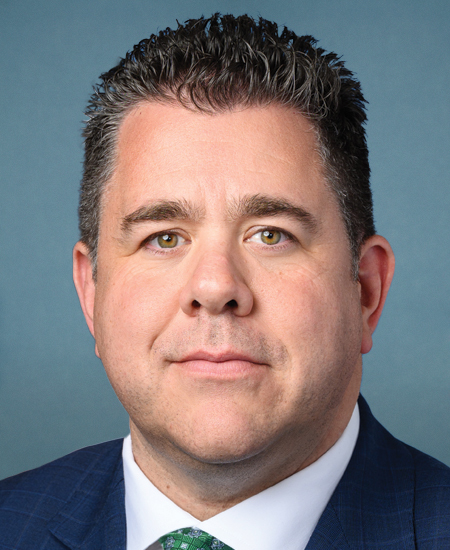
Nick LaLota
Nick LaLota House · District 1
R
Strong +
92% 195
Eric Burlison
Eric Burlison House · District 7
R
Oppose
31% 197
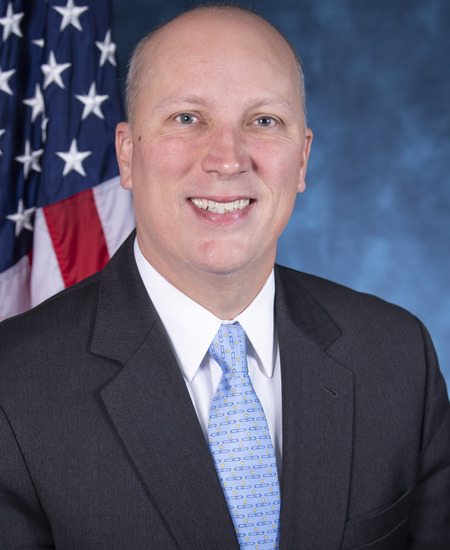
Chip Roy
Chip Roy House · District 21
R
Oppose
31% 190
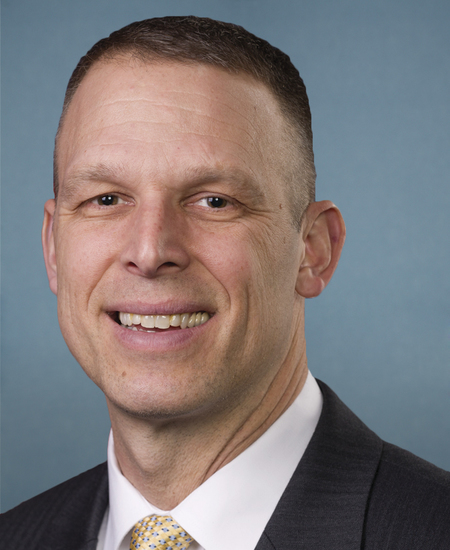
Scott Perry
Scott Perry House · District 10
R
Oppose
31% 194
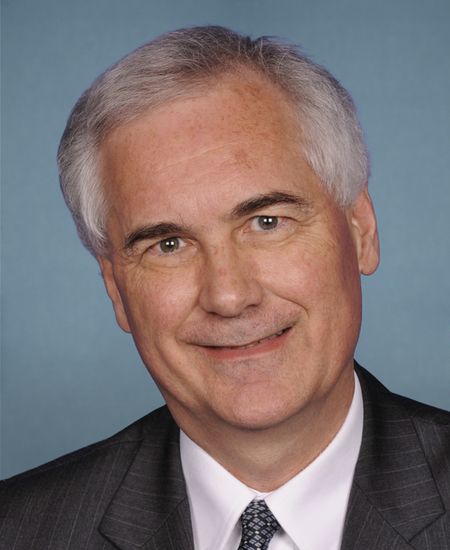
Tom McClintock
Tom McClintock House · District 5
R
Oppose
31% 190
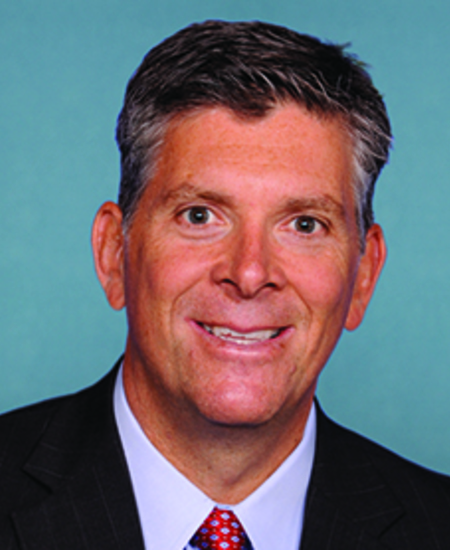
Darin LaHood
Darin LaHood House · District 16
R
Oppose
33% 175
Showing 1,441–1,450 of 1,543 bills

All labor & employment bills

in committee · United States · House Mar 25, 2025

HR 17: Paycheck Fairness Act

The Paycheck Fairness Act strengthens equal pay protections by expanding the definition of "sex" to include pregnancy, childbirth, sexual orientation, gender identity, and sex characteristics. It modifies employer defenses for pay disparities to require proof that any pay difference is job-related, not based on sex, and accounts for the entire pay gap. The bill prohibits employers from asking about salary history, enhances penalties for violations, and requires employers with 100+ employees to collect and report detailed pay data by race, sex, and job category. It also establishes training programs for employers on eliminating pay bias and creates a National Equal Pay Enforcement Task Force to coordinate enforcement efforts. This legislation directly affects employers, particularly those with 100+ employees, and aims to address pay disparities impacting women, people of color, and other underrepresented groups.
in committee · United States · Senate Jul 9, 2025

S 2228: Modern Worker Empowerment Act

This bill amends the Fair Labor Standards Act (FLSA) to clarify key definitions. It adds "as determined under the usual common law rules" to the definition of "employee" (Section 3(e)(1)) and inserts "employee" after "permit" in the definition of "employ" (Section 3(g)). These changes aim to standardize how worker classification is determined under existing law, directly affecting how the FLSA's minimum wage and overtime protections apply to workers. The bill does not create new benefits but refines the legal framework for applying current protections.
in committee · United States · House Mar 5, 2025

HR 1859: Apprenticeship Opportunity Act

This bill requires states to ignore income earned during the first year of a registered apprenticeship when determining eligibility for Temporary Assistance for Needy Families (TANF) welfare benefits. It directly affects low-income individuals entering apprenticeships who might otherwise lose welfare support due to their first-year earnings. The law mandates states to disregard this income in eligibility calculations, with a penalty of a 1% reduction in federal TANF funding for states that fail to comply. The policy change takes effect in the first federal fiscal year after the bill becomes law, ensuring apprentices can maintain welfare access while starting their training.
in committee · United States · House Feb 21, 2025

HR 1505: Public Safety Employer-Employee Cooperation Act

HR 1505, the Public Safety Employer-Employee Cooperation Act, establishes federal standards for collective bargaining rights for public safety officers (including police, firefighters, and emergency medical personnel) in states that do not meet minimum requirements. The Federal Labor Relations Authority (FLRA) will determine after 180 days whether a state law "substantially provides" key rights, such as forming unions, negotiating wages/hours, and using binding arbitration to resolve disputes. If a state fails this assessment, federal bargaining rules apply within two years, but existing state laws with stronger protections remain valid. The bill explicitly respects state laws that exceed its standards and exempts small jurisdictions (under 5,000 population or 25 full-time employees).
in committee · United States · Senate Feb 5, 2025

S 408: Job Protection Act

This bill expands access to job-protected leave under the Family and Medical Leave Act (FMLA) by reducing the required employment duration from 12 months to 90 days for most workers. It also broadens coverage to apply to all employers, regardless of size (down from the previous 50+ employee threshold), affecting nearly all private and public sector workers. Key provisions include modifying FMLA eligibility rules, adjusting federal employee leave requirements, and updating congressional employee provisions to align with the new 90-day standard. The changes apply to leave taken on or after the bill's enactment date.
in committee · United States · House Apr 28, 2025

HR 3036: Protecting America’s Workers Act

The Protecting America's Workers Act (HR 3036) strengthens workplace safety protections for all employees, including public sector workers and voluntary emergency responders, by expanding coverage under the Occupational Safety and Health Act. Key provisions include enhanced whistleblower protections against retaliation for reporting safety concerns, mandatory employer reporting of work-related injuries and deaths, and increased civil penalties for violations (up to $70,000 per violation). The bill also establishes new rights for victims and families of workplace incidents, requiring employers to preserve evidence after fatalities, and creates procedures for faster resolution of safety complaints through improved inspection and enforcement mechanisms. These changes directly affect employers across all industries, employees reporting safety concerns, and families of workers injured or killed on the job.
in committee · United States · House Feb 10, 2025

HR 1177: Improve and Enhance the Work Opportunity Tax Credit Act

HR 1177, the "Improve and Enhance the Work Opportunity Tax Credit Act," increases tax credits for employers hiring from targeted groups. It raises the credit rate from 40% to 50% for qualified first-year wages up to $6,000, plus 50% for wages between $6,000 and $12,000. The bill also creates higher credit limits for veterans (up to $24,000/$48,000), removes an age cap for Supplemental Nutrition Assistance Program (SNAP) recipients, and adjusts rules for summer youth workers and long-term family assistance recipients. These changes apply to employees hired after December 31, 2024, directly benefiting employers who hire from these eligible groups.
in committee · United States · Senate Nov 20, 2025

S 3265: Improve and Enhance the Work Opportunity Tax Credit Act

This bill extends and expands the Work Opportunity Tax Credit (WOTC), which helps employers hire from targeted groups like veterans, long-term welfare recipients, and individuals in high-unemployment areas. It extends the program through 2030 (from 2025), increases the credit rate to 50% for certain new hires (up from 40%), adds automatic annual inflation adjustments to key dollar amounts, and expands eligibility to include military spouses and people receiving SNAP benefits without an age limit. Employers hiring from these groups will see higher tax credits for qualifying wages, with new rules specifically for agricultural workers, summer youth employees, and veterans. The changes apply to workers hired after December 2025.
in committee · United States · Senate Mar 12, 2025

S 1006: Federal Workforce Freedom Act

The Federal Workforce Freedom Act (S 1006) prohibits federal employees from joining or participating in labor unions for collective bargaining and bans federal agencies from recognizing or negotiating with such unions. It terminates all existing collective bargaining agreements and dismisses any pending disputes based on those agreements. The bill repeals Chapter 71 of Title 5, U.S. Code, which currently governs federal labor relations. This legislation directly affects all federal employees and agencies by eliminating the legal framework for collective bargaining in the federal workforce.
in committee · United States · House Dec 11, 2025

HR 6646: Empowering App-Based Workers Act

The Empowering App-Based Workers Act requires digital labor platforms (like ride-hail and delivery services) to disclose how they use algorithms and electronic monitoring tools to determine worker pay and assignments. It caps the percentage of consumer payments that platforms can keep (take rate) at 25% for ride-hail services and mandates detailed weekly pay statements showing compensation, take rate, and other work metrics. The bill prohibits platforms from using algorithms to set different pay rates for similar work based on protected characteristics like race or gender. These provisions directly affect app-based workers, platform companies, and consumers, aiming to create more transparent and fair working conditions in the gig economy. The bill does not override existing state or local laws that provide greater protections for workers.
Showing 1,441 to 1,450 of 1,543 bills