Issue · Healthcare

Healthcare

Every healthcare bill, vote, and legislator stance in United States, automatically classified by Maddy, our AI policy reader.

Total bills
3,150
119th Congress
Top supporter
Darline Graham
100% support rate
Top opponent
Ashley Moody
18% support rate
Ranked legislators
10
5 support · 5 oppose
Key legislators

Who's moving healthcare in United States

Legislators moving healthcare in United States
Legislator Party Stance Support rate Decisive votes
Darline Graham
Darline Graham Senate
R
Strong +
100% 6
AA
Alan Armstrong Senate
R
Strong +
88% 8
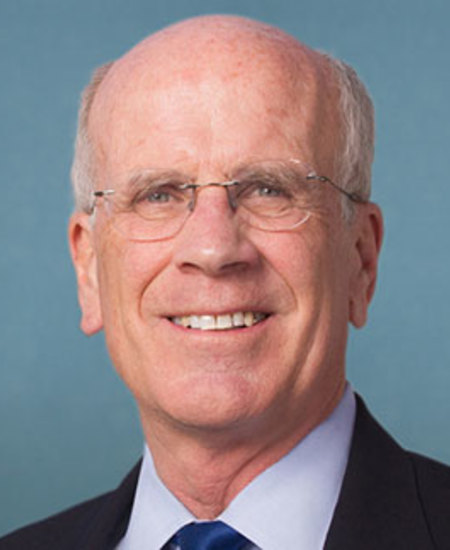
Peter Welch
Peter Welch Senate
D
Strong +
82% 22
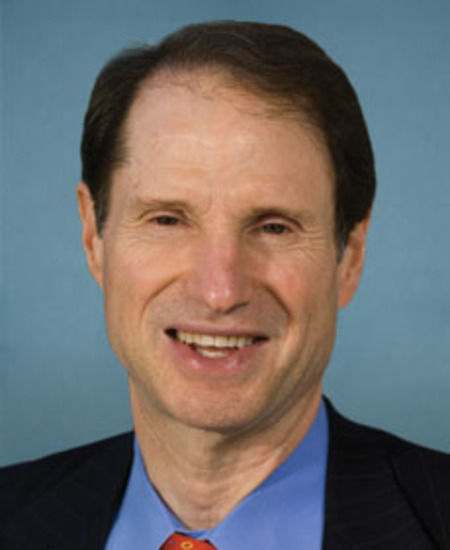
Ron Wyden
Ron Wyden Senate
D
Support
77% 22
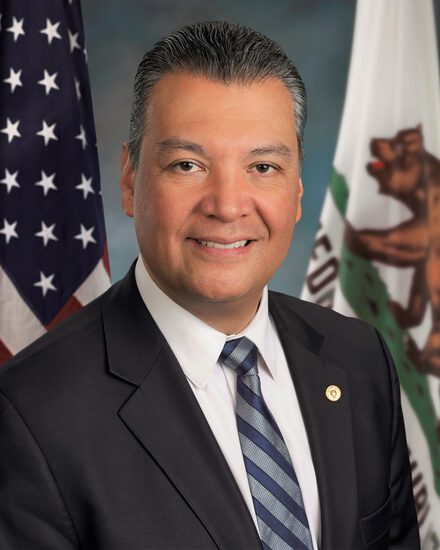
Alex Padilla
Alex Padilla Senate
D
Support
76% 21
Ashley Moody
Ashley Moody Senate
R
Strong −
18% 22
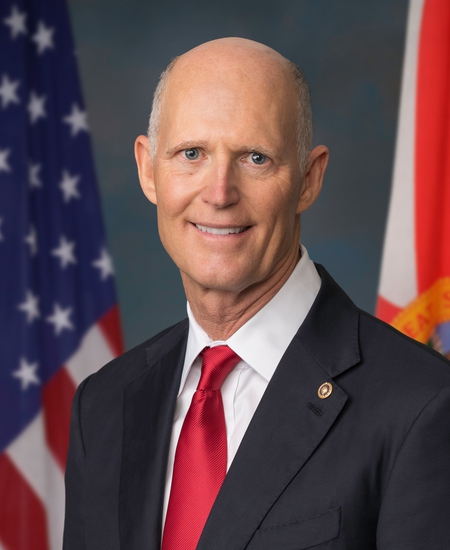
Rick Scott
Rick Scott Senate
R
Strong −
18% 22
Rand Paul
Rand Paul Senate
R
Oppose
23% 22
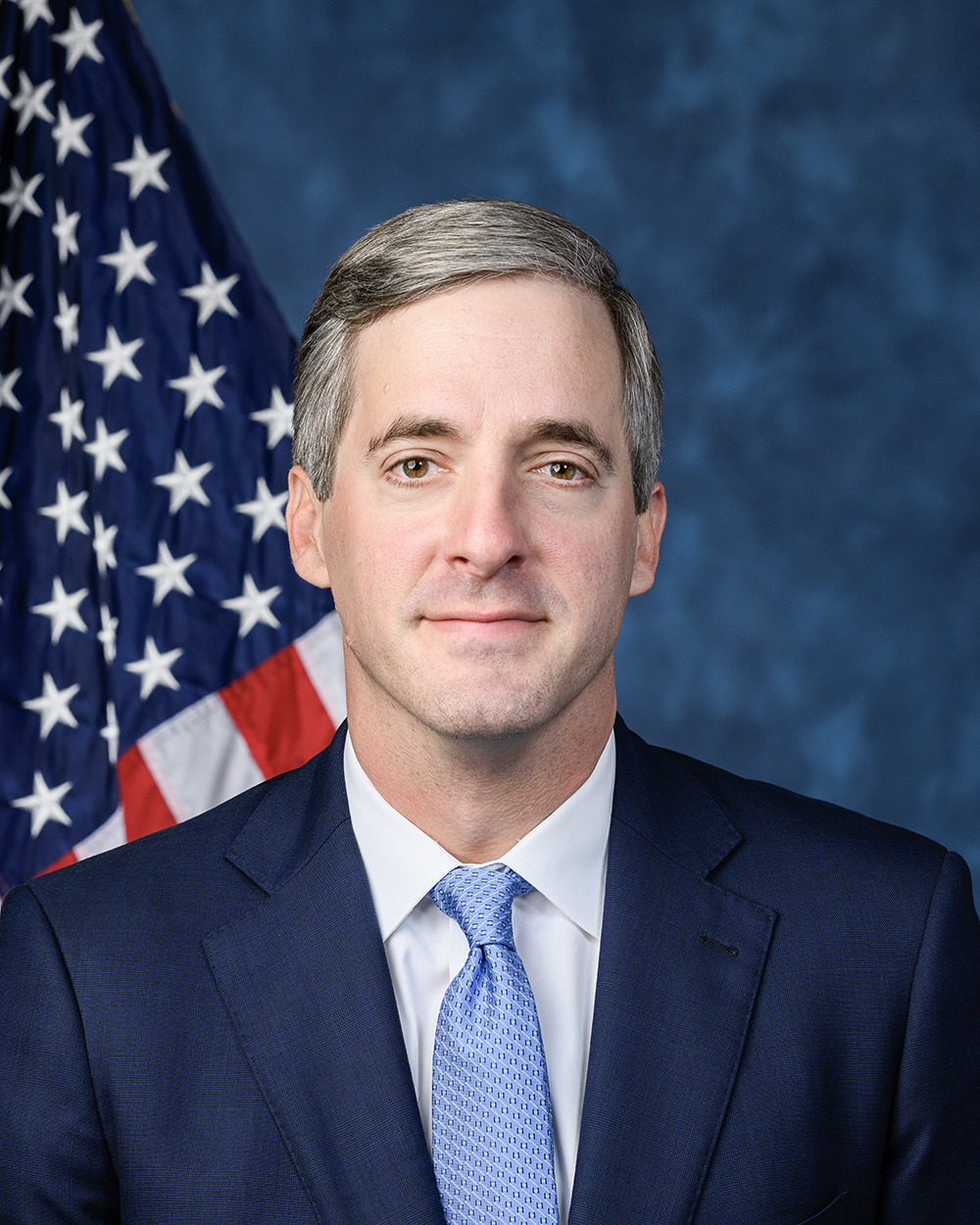
Brad Knott
Brad Knott House · District 13
R
Oppose
28% 18
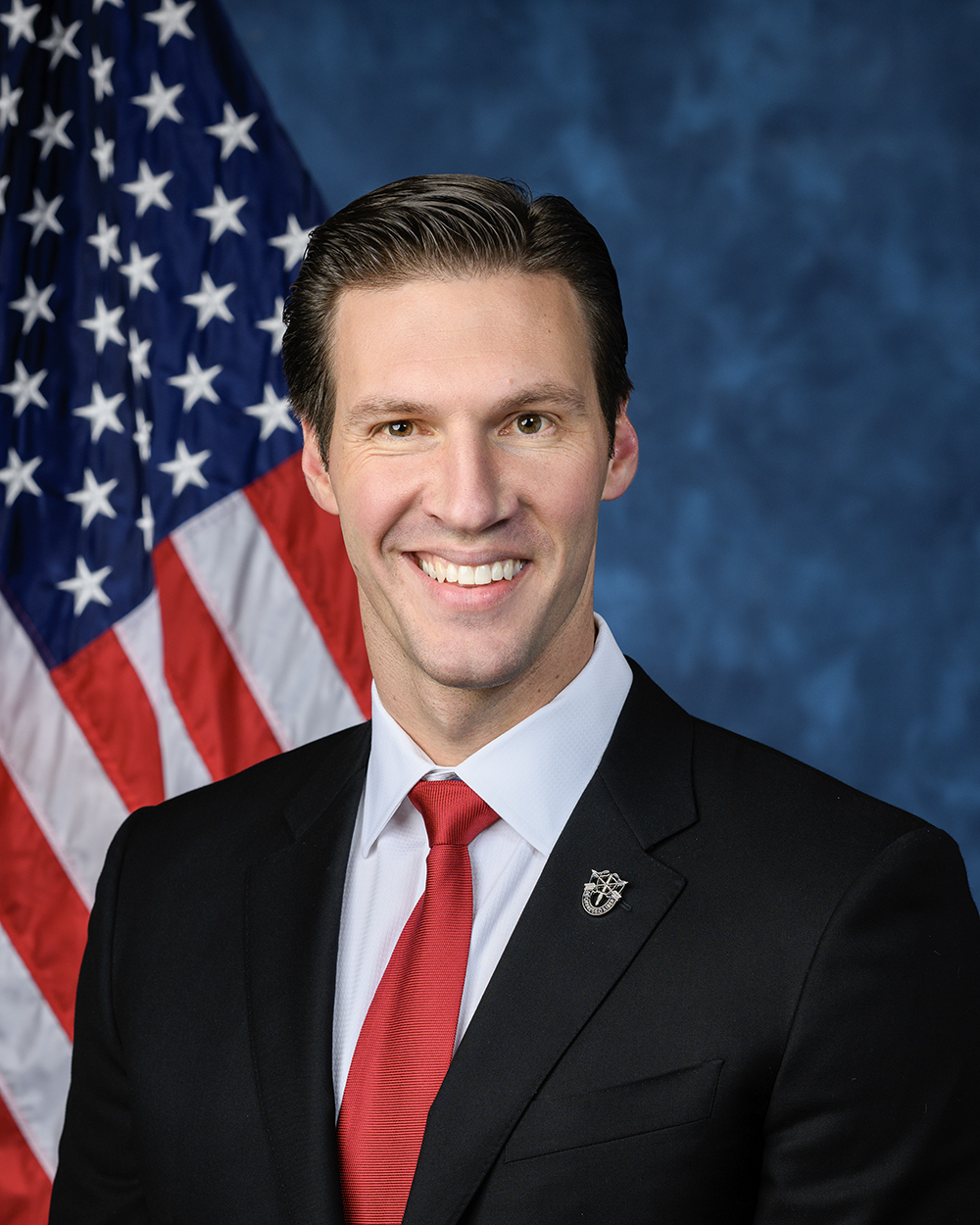
Pat Harrigan
Pat Harrigan House · District 10
R
Oppose
28% 18
Showing 2,961–2,970 of 3,150 bills

All healthcare bills

in committee · United States · House Feb 18, 2025

HR 1433: Kids’ Access to Primary Care Act of 2025

HR 1433, the Kids’ Access to Primary Care Act of 2025, sets a minimum Medicaid payment rate of 100% of Medicare’s rate for primary care services provided to children. It directly affects Medicaid-covered children and expands eligibility for providers to include pediatricians, family medicine physicians, nurse practitioners, physician assistants, certified nurse-midwives, and rural health clinics or Federally-qualified health centers (FQHCs) under specific conditions. Key provisions require Medicaid managed care plans to pay these providers at the minimum rate, with documentation requirements to verify compliance, and exclude emergency department services from the definition of primary care. The bill also mandates a study to track enrollment and payment rate changes across states after implementation.
Sub-Topics Children's Health Medicaid Primary Care Tags Children
in committee · United States · House Feb 10, 2026

HRES 1050: Expressing support for the designation of September 19, 2026, as "Black Autism Acceptance and Awareness Day".

HRES 1050 is a symbolic resolution designating September 19, 2026, as "Black Autism Acceptance and Awareness Day" to highlight racial disparities in autism care. It directly addresses Black autistic individuals and their families, who face higher rates of misdiagnosis, delayed treatment, underrepresentation in research, and healthcare dismissal. The resolution encourages nationwide awareness-raising, cultural competence in care, and advocacy for equitable resources across all life stages. It does not create new laws or funding but formally recognizes systemic inequities and calls for inclusion. The resolution focuses on acknowledging these disparities rather than prescribing policy changes.
in committee · United States · House Mar 4, 2025

HRES 185: Recognizing the need of Congress to prevent, address, and treat obesity as a disease in the United States on this World Obesity Day, March 4, 2025.

HRES 185 is a symbolic House resolution recognizing obesity as a disease and urging congressional action on March 4, 2025 (World Obesity Day). It does not create new laws or funding but formally acknowledges obesity’s health impacts (linked to over 200 conditions like diabetes and heart disease), economic costs ($283 billion in U.S. health expenses in 2023), and disparities (e.g., 49.9% obesity rate among Black adults). The resolution encourages evidence-based prevention and treatment strategies while highlighting obesity’s role in preventable deaths and its disproportionate burden on low-income and rural communities. As a non-binding resolution, it has no direct effect on policy or affected individuals.
in committee · United States · Senate Mar 26, 2025

S 1140: Health ACCESS Act

The Health ACCESS Act (S 1140) sets rules for online platforms that help consumers find healthcare providers, requiring them to operate transparently and avoid conflicts of interest. It prohibits these platforms from steering consumers toward specific providers based on payment, sharing personal contact information without consent, or offering services like transportation. Platforms must disclose financial ties to healthcare providers, provide objective, non-biased information, and ensure compensation is fair and not tied to services covered by federal health programs. This applies to any web-based service matching consumers with healthcare providers or suppliers.
in committee · United States · House Feb 12, 2026

HR 7535: Second Chance Mental Health Access Act of 2026

This bill requires states to cover 12 annual telehealth mental health visits for Medicaid enrollees who were recently incarcerated in a public institution and are under court-ordered home confinement. It amends Medicaid law to mandate this coverage specifically for individuals released from prison and subject to home confinement, effective after the bill's enactment. The provision applies to all states operating under Medicaid plans or waivers, ensuring consistent access to mental health support during the reentry phase. It directly affects formerly incarcerated individuals transitioning from prison to home supervision, focusing on accessible mental health care through telehealth. The policy change is limited to Medicaid-covered telehealth visits during the period of home confinement, with no additional funding specified.
in committee · United States · House May 7, 2025

HR 3257: Bridge to Medicaid Act of 2025

HR 3257, the Bridge to Medicaid Act of 2025, would make healthcare more affordable for low-income Americans by reducing out-of-pocket costs for individuals with household incomes at or below 138% of the federal poverty level. The bill extends cost-sharing reductions through 2028, creates special enrollment periods for eligible low-income individuals, and provides additional benefits including non-emergency medical transportation services. It also temporarily expands premium tax credits for 2026-2028 and increases federal Medicaid funding for newly eligible individuals through 2029. The legislation aims to improve access to healthcare for millions of Americans who face financial barriers to coverage.
Sub-Topics Insurance Medicaid
in committee · United States · House Apr 2, 2025

HR 2590: Mental and Physical Health Care Comorbidities Act of 2025

HR 2590 establishes a 5-year Medicare demonstration program (2025-2030) testing integrated care models for hospitals serving vulnerable communities. It directly affects eligible hospitals (rural, safety net, or teaching hospitals with high patient need) and individuals with co-occurring mental and physical health conditions - including Medicare beneficiaries, Medicaid enrollees, and uninsured people. Hospitals must develop evidence-based plans addressing both health conditions and social determinants (like housing or food insecurity) through innovations like coordinated care teams, electronic health record improvements, and community partnerships. The program requires tracking outcomes such as reduced emergency visits, lower costs, improved health status, and decreased disparities, with a final evaluation report to Congress after 2030.
in committee · United States · House Feb 13, 2025

HR 1300: PSA Screening for HIM Act

HR 1300, the PSA Screening for HIM Act, requires health insurance plans and issuers to cover prostate cancer screenings without cost-sharing (like copays or deductibles) for men aged 40+ who are at high risk of prostate cancer. This directly affects African-American men and men with a family history of prostate cancer, as defined by the bill. The law amends existing insurance coverage rules to mandate this specific screening coverage, effective for plan years starting January 1, 2026. It does not change screening guidelines but removes financial barriers to recommended screenings for these high-risk groups.
Sub-Topics Insurance Primary Care
in committee · United States · Senate Dec 2, 2025

S 3300: ANCHOR Act of 2025

The ANCHOR Act of 2025 (S 3300) creates a new state option to provide medical assistance to uninsured individuals with serious mental illness or substance use disorders who have incomes at or below 100% of the federal poverty line. It defines "specified individuals" as those meeting income limits, being uninsured, and having a qualifying condition (like opioid use disorder or serious mental illness), as determined by healthcare providers or designated state entities. States choosing to adopt this program must ensure enrollees receive a care plan within 60 days and report on behavioral health quality measures. The assistance covers the same scope as standard Medicaid for this group, initially for one year with potential annual renewals after redetermination. This bill directly affects uninsured adults with specific health conditions in states that implement the new option.
in committee · United States · Senate Sep 9, 2025

S 2743: Save Our Safety-Net Hospitals Act of 2025

This bill modifies Medicaid funding rules to help safety-net hospitals that serve many low-income patients. It changes how "disproportionate share hospital" (DSH) payments are calculated, allowing states to use unspent DSH funds from prior years to increase payments to these hospitals without exceeding new caps. States can retroactively adjust their Medicaid plans to boost payments for past years, as long as the total doesn’t exceed the annual allotment. The key change ensures hospitals serving high numbers of Medicaid patients receive more consistent federal support, directly affecting hospitals and state Medicaid programs.
Sub-Topics Hospitals Medicaid
Showing 2,961 to 2,970 of 3,150 bills