Issue · Healthcare

Healthcare

Every healthcare bill, vote, and legislator stance in United States, automatically classified by Maddy, our AI policy reader.

Total bills
3,150
119th Congress
Top supporter
Darline Graham
100% support rate
Top opponent
Ashley Moody
18% support rate
Ranked legislators
10
5 support · 5 oppose
Key legislators

Who's moving healthcare in United States

Legislators moving healthcare in United States
Legislator Party Stance Support rate Decisive votes
Darline Graham
Darline Graham Senate
R
Strong +
100% 6
AA
Alan Armstrong Senate
R
Strong +
88% 8
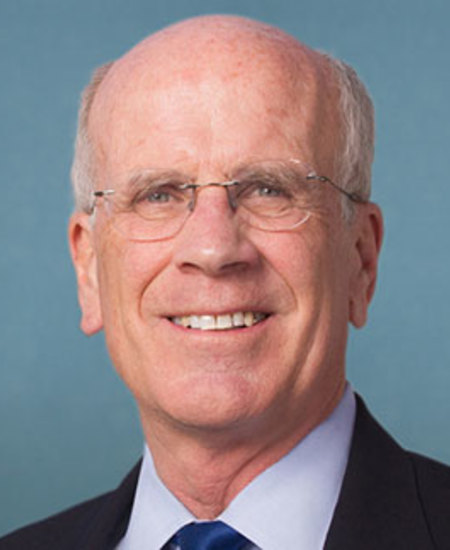
Peter Welch
Peter Welch Senate
D
Strong +
82% 22
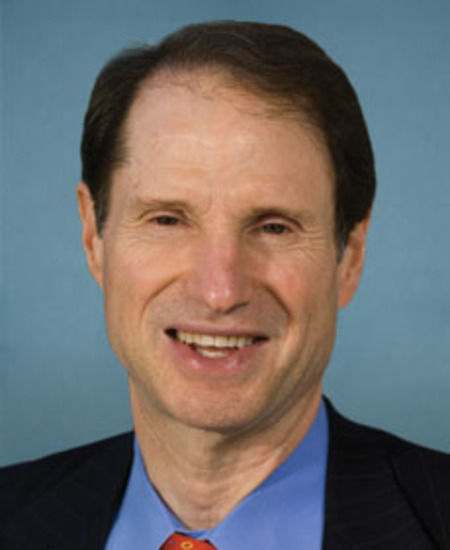
Ron Wyden
Ron Wyden Senate
D
Support
77% 22
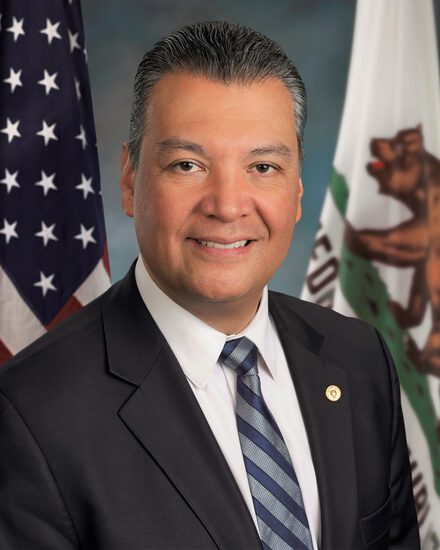
Alex Padilla
Alex Padilla Senate
D
Support
76% 21
Ashley Moody
Ashley Moody Senate
R
Strong −
18% 22
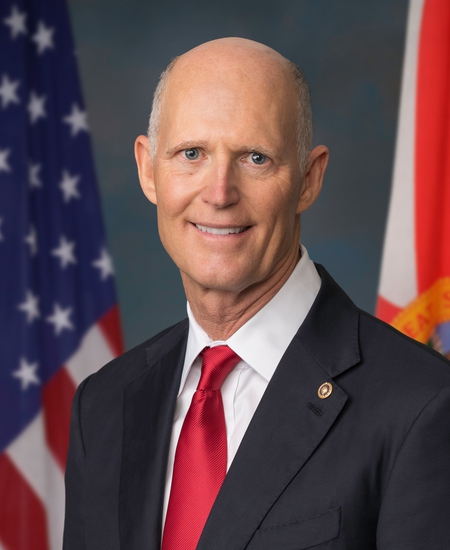
Rick Scott
Rick Scott Senate
R
Strong −
18% 22
Rand Paul
Rand Paul Senate
R
Oppose
23% 22
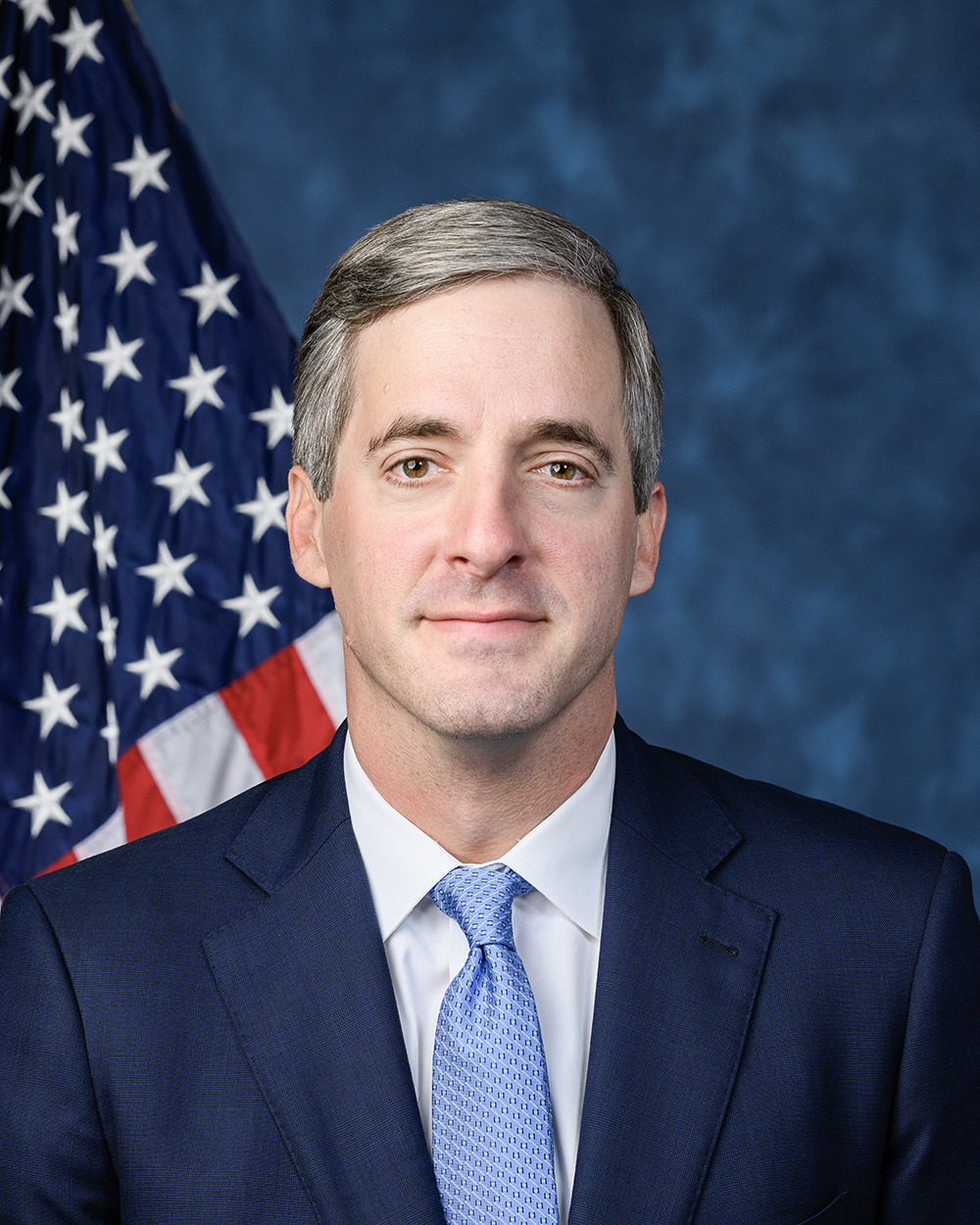
Brad Knott
Brad Knott House · District 13
R
Oppose
28% 18
Pat Harrigan
Pat Harrigan House · District 10
R
Oppose
28% 18
Showing 2,951–2,960 of 3,150 bills

All healthcare bills

in committee · United States · House Oct 24, 2025

HRES 827: Expressing support for the recognition of October 26, 2025, as Intersex Awareness Day, and supporting the goals and ideals of Intersex Awareness Day.

This resolution expresses the U.S. House of Representatives' support for recognizing October 26, 2025, as Intersex Awareness Day, which honors intersex individuals - those with natural variations in physical sex characteristics (such as anatomy, hormones, or chromosomes) that differ from typical male or female bodies. It affirms the day’s goals of promoting bodily autonomy and addressing issues like nonconsensual medical procedures on intersex children. The resolution encourages federal agencies, schools, and organizations to observe the day through educational activities that increase public awareness and support for the intersex community. It does not create new laws or policies but symbolically aligns with existing federal actions promoting nondiscrimination and health equity for intersex people.
in committee · United States · Senate Feb 11, 2026

S 3840: Health Investment Zones Act of 2026

The Health Investment Zones Act of 2026 creates a program to designate areas with significant health disparities as "Health Investment Zones" to improve health outcomes. The bill provides tax incentives including a new 30% tax credit for wages paid to qualified Health Investment Zone workers and incentive payments for Medicare services provided in these zones. It also establishes a grant program for community organizations to fund health care improvements and a student loan repayment program for health care practitioners working in designated zones. Areas must meet specific criteria related to income levels, health outcomes, and documented health disparities to qualify for designation, with zones designated for 10 years.
in committee · United States · Senate Apr 29, 2025

S 1506: Medicare for All Act

The Medicare for All Act would establish a government-run health insurance program providing comprehensive coverage to all U.S. residents, replacing current private insurance, Medicare, and Medicaid. The program would cover all medically necessary services including hospital care, prescription drugs, dental, vision, mental health, and reproductive care without patient cost-sharing (except for limited prescription drug cost-sharing under specific conditions). It would prohibit private insurers from selling duplicate coverage and require employers to stop providing duplicate benefits, while allowing supplemental coverage for additional services not included in the core benefits package. The bill includes a transition period with immediate coverage for children and a gradual phase-in for full implementation, with benefits first available for most individuals in 2027. The program would be funded through a new Medicare for All Trust Fund, consolidating current health care program revenues.
in committee · United States · House Dec 17, 2025

HR 6804: Rural Hospital Flexibility Act of 2025

The Rural Hospital Flexibility Act of 2025 creates new federal grant programs to support rural healthcare providers in improving services and adapting to community needs. It provides funding for quality improvement, behavioral health services, and technical assistance for critical access hospitals, rural health clinics, and rural emergency hospitals. The bill also establishes 5-year grants to help rural providers transition to new care models - including telehealth, integrated behavioral health, and extended emergency services - and offers specialized technical support for hospitals seeking rural emergency hospital status. These grants aim to strengthen rural healthcare systems by enhancing operational capacity and sustainability.
Sub-Topics Hospitals Mental Health Telehealth Tags Rural Communities
in committee · United States · House Nov 17, 2025

HR 6050: HEALTH Act

This bill extends the health insurance premium tax credit program for tax years after 2025, allowing individuals with household incomes above 400% of the federal poverty line to continue receiving subsidies. It modifies the calculation method for these credits to temporarily extend eligibility beyond the current threshold, with the extension date determined by the Secretary of the Treasury based on budget estimates. The bill also includes a separate provision rescinding unobligated funds for U.S. assistance to Argentina, though this is unrelated to healthcare. The changes directly affect millions of Americans who rely on federal subsidies to afford health insurance coverage through marketplaces.
Sub-Topics Tax Credits Insurance
in committee · United States · House Jul 10, 2025

HR 4331: Access to Claims Data Act

This bill requires the Health and Human Services Secretary to create a process by January 1, 2026, allowing specific healthcare research groups (qualified clinical data registries and clinician-led registries) to access Medicare claims data, and potentially Medicaid/CHIP data if approved. These groups can link claims data with clinical outcomes to assess provider quality, improve patient safety, and conduct research. The data will be provided at cost (covering only the fee to make it available), with fees deposited into the CMS account. It directly affects healthcare researchers and providers by enabling data-driven quality improvement efforts.
in committee · United States · Senate Sep 4, 2025

SRES 374: A resolution expressing the sense of the Senate that Secretary of Health and Human Services Robert Fitzgerald Kennedy Jr. does not have the confidence of the Senate or of the American people to faithfully carry out the duties of his office and should be removed from his position.

SRES 374 is a non-binding Senate resolution expressing that Secretary of Health and Human Services Robert F. Kennedy Jr. lacks the confidence of the Senate and American people to serve in his role. The resolution cites specific actions including the termination of $11 billion in public health funding, mass firings of scientists (notably eliminating 8 Offices of Minority Health), replacing all 17 members of the vaccine advisory committee (ACIP) with critics of vaccines, and dismantling programs supporting maternal health, disability services, and chronic disease research. It alleges these actions violated federal law, undermined scientific integrity, and endangered public health during a measles outbreak. The resolution calls for the Secretary’s removal but has no legal effect, as it is a symbolic statement of disapproval.
in committee · United States · House Jul 14, 2025

HRES 579: Supporting the designation of July as Uterine Fibroids Awareness Month.

HRES 579 is a non-binding resolution designating July as Uterine Fibroids Awareness Month. It supports raising public awareness about uterine fibroids - a condition affecting an estimated 80% of women by age 50 - particularly highlighting the disproportionate impact on Black and Hispanic women (3x and 2x higher rates than White women). The resolution recognizes the need for more research, treatment options, and education on fibroid prevention and symptoms. It urges the President to issue a proclamation encouraging nationwide awareness activities during July. This is a symbolic measure with no new funding or legal requirements.
in committee · United States · House Jan 3, 2025

HRES 7: Recognizing the importance of access to comprehensive, high-quality, life-affirming medical care for women of all ages.

HRES 7 is a symbolic House resolution recognizing the importance of access to comprehensive, high-quality medical care for women. It specifically endorses the standards set by Pro Women’s Healthcare Centers, a national consortium that provides services like well-woman exams, STI testing, prenatal care, miscarriage support, and referrals for mental/emotional resources. The resolution expresses the House’s support for nationwide access to such care but does not create new laws or allocate funding. It serves as a statement of endorsement for the consortium’s model, which emphasizes holistic (physical, mental, and spiritual) care for women.
Sub-Topics Women's Health
in committee · United States · Senate Jul 27, 2026

S 1954: Biosimilar Red Tape Elimination Act

This bill simplifies the approval process for biosimilar drugs - medicines that are highly similar to, but not identical to, existing biologic drugs. It amends the Public Health Service Act to clarify when biosimilars are deemed "interchangeable" with the original drug (allowing pharmacists to substitute them without a doctor's specific order), adjusts exclusivity periods for existing biosimilars, and sets a 60-day transition period after enactment. The bill also requires the FDA to update its guidance documents within 18 months to reflect these changes. This directly affects pharmaceutical companies developing biosimilars, the FDA in its review process, and ultimately patients seeking more affordable treatment options.
Showing 2,951 to 2,960 of 3,150 bills