Issue · Healthcare

Healthcare

Every healthcare bill, vote, and legislator stance in United States, automatically classified by Maddy, our AI policy reader.

Total bills
3,150
119th Congress
Top supporter
Darline Graham
100% support rate
Top opponent
Ashley Moody
18% support rate
Ranked legislators
10
5 support · 5 oppose
Key legislators

Who's moving healthcare in United States

Legislators moving healthcare in United States
Legislator Party Stance Support rate Decisive votes
Darline Graham
Darline Graham Senate
R
Strong +
100% 6
AA
Alan Armstrong Senate
R
Strong +
88% 8
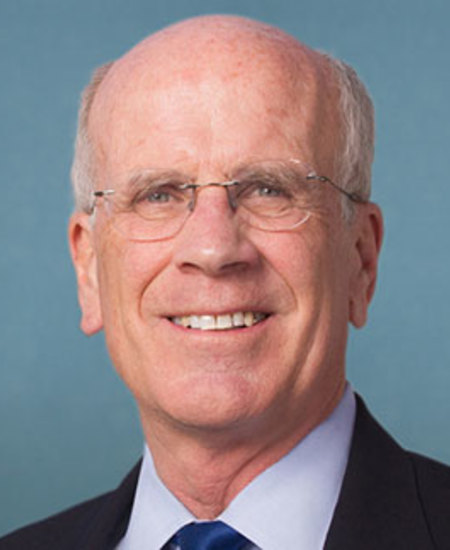
Peter Welch
Peter Welch Senate
D
Strong +
82% 22
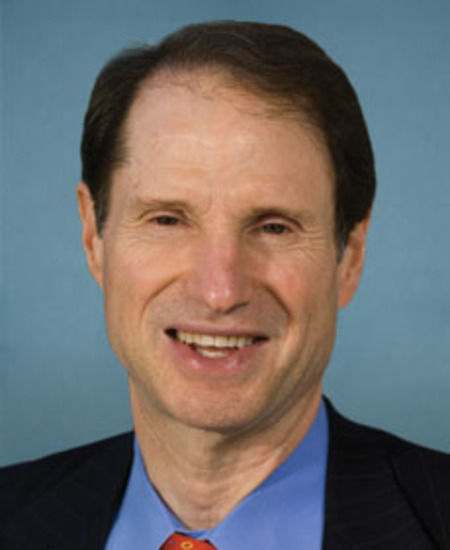
Ron Wyden
Ron Wyden Senate
D
Support
77% 22
Alex Padilla
Alex Padilla Senate
D
Support
76% 21
Ashley Moody
Ashley Moody Senate
R
Strong −
18% 22
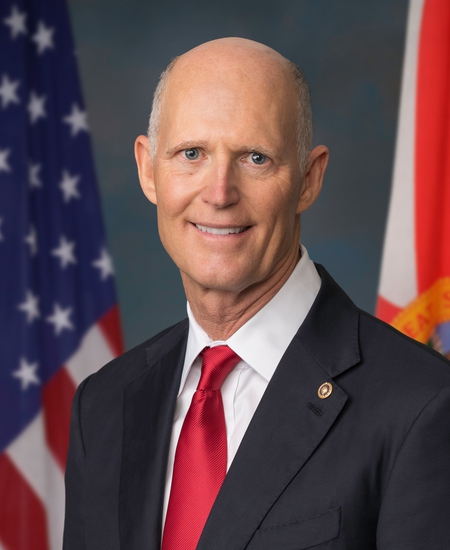
Rick Scott
Rick Scott Senate
R
Strong −
18% 22
Rand Paul
Rand Paul Senate
R
Oppose
23% 22
Brad Knott
Brad Knott House · District 13
R
Oppose
28% 18
Pat Harrigan
Pat Harrigan House · District 10
R
Oppose
28% 18
Showing 2,941–2,950 of 3,150 bills

All healthcare bills

in committee · United States · House Feb 4, 2026

HRES 1002: Recognizing the value of the Older Americans Act of 1965 nutrition program in addressing hunger, malnutrition, and isolation, and improving the health and quality of life for millions of our Nations seniors each year.

HRES 1002 is a symbolic House resolution recognizing the Older Americans Act (OAA) nutrition program, which provides meals and social services to seniors aged 60+. It directly affects millions of older adults - particularly those who are homebound, isolated, or facing hunger, malnutrition, or chronic health conditions - by highlighting how the program reduces hospital visits, lowers healthcare costs, and improves quality of life. Key provisions include acknowledging the program’s role in preventing falls and institutionalization, emphasizing volunteer support as its "backbone," and urging Congress to secure sustained federal funding. As a non-binding resolution, it does not change policy but formally endorses the program’s value and calls for community and legislative support.
Sub-Topics Hospitals Tags Seniors
in committee · United States · House Oct 28, 2025

HRES 835: Declaring gun violence a public health crisis.

HRES 835 is a symbolic resolution declaring gun violence a public health crisis in the United States. It urges federal agencies, particularly the Centers for Disease Control and Prevention (CDC), to apply a public health framework - including data collection, prevention research, and coordinated government action - to address gun violence. The resolution supports similar declarations already made by states and cities, and calls for the Surgeon General to issue a report on firearm violence prevention. As a non-binding resolution, it does not create new laws or allocate funding but aims to shift the national approach to gun violence as a preventable health issue.
Sub-Topics Public Health
in committee · United States · Senate Mar 13, 2025

S 1056: Home-Based Telemental Health Care Act of 2025

The Home-Based Telemental Health Care Act of 2025 would authorize federal grants to expand mental health and substance use services for rural underserved populations and workers in farming, fishing, or forestry occupations. Grant recipients must deliver care via telehealth directly in patients' homes or comfortable settings, measure its effectiveness compared to in-person care, and improve infrastructure like broadband access and patient devices. The program requires annual reports on outcomes after three years and every two years, with up to $10 million allocated yearly from 2025 through 2029. This initiative aims to address geographic and occupational barriers to mental health care access.
in committee · United States · Senate Jun 5, 2025

S 1984: Striking and Locked Out Workers Healthcare Protection Act

This bill prevents employers from dropping health insurance coverage for workers during strikes or lockouts. It amends the National Labor Relations Act to prohibit employers from terminating group health plan coverage for employees who are either locked out (during bargaining disputes) or participating in a lawful strike. Employers who violate this rule face civil penalties of up to $75,000 per violation for lockout-related actions (doubling to $150,000 for repeat offenses) or $50,000 for strike-related actions (doubling to $100,000 for repeat offenses). The law directly affects workers engaged in strikes or locked out by employers, ensuring their healthcare coverage continues during these labor disputes.
in committee · United States · House Sep 17, 2025

HR 5433: POP Act

The POP Act (HR 5433) prohibits any entity from owning both a Medicare-focused health insurance company and certain healthcare providers (like clinics or outpatient facilities, excluding hospitals, pharmacies, and durable medical equipment suppliers). It requires violators to divest one business within 1-2 years of the law's enactment or acquisition. The Federal Trade Commission and state attorneys general can enforce this through civil actions, including ordering divestment and recovering revenue from violations. The law also updates Medicare rules to ban such ownership for Medicare Advantage plans starting in 2026, treating violations as false claims. This directly affects health insurers and provider networks operating under Medicare.
Sub-Topics Insurance Medicare
in committee · United States · House Jul 2, 2025

HR 3391: End Price Gouging for Medications Act

The End Price Gouging for Medications Act establishes annual reference prices for prescription drugs based on the lowest retail prices in 12 international reference countries (like Canada and the UK) or specific criteria if international data is unavailable. It requires drug manufacturers to sell medications at or below these reference prices for all patients covered by federal health programs - including Medicare, Medicaid, TRICARE, and VA care - as well as for all other patients, including those with private insurance. Manufacturers violating this rule face civil penalties of five times the revenue difference, with collected funds directed to the National Institutes of Health for drug research. This bill directly affects drug manufacturers and millions of Americans enrolled in the specified federal health programs.
in committee · United States · Senate Sep 16, 2025

SRES 389: A resolution condemning the extreme anti-vaccine policies of Secretary of Health and Human Services Robert F. Kennedy, Jr., strongly opposing the policies of the State of Florida that roll back immunization requirements, and expressing the sense of the Senate that vaccines are critical to protecting public health, eliminating preventable illness and death, and reducing hospitalizations and severity of illness, work best when adopted at a high level within each community, and must be made available to the public.

This non-binding Senate resolution (SRES 389) condemns Secretary of Health and Human Services Robert F. Kennedy, Jr.'s actions dismissing the CDC's independent Advisory Committee on Immunization Practices and opposes Florida's 2025 policy rolling back school immunization requirements for children. It affirms that vaccines are critical for public health, preventable illness, and hospitalization reduction, and must be widely accessible at high community adoption rates. The resolution expresses the Senate's support for science-based vaccine policies, opposes politicizing medical recommendations, and emphasizes that vaccines should remain affordable and available through insurance and community settings like clinics and pharmacies. It does not create new laws but formally states the Senate's position against policies it views as endangering public health.
in committee · United States · Senate Feb 6, 2025

SRES 67: A resolution declaring racism a public health crisis.

SRES 67 is a Senate resolution declaring racism a public health crisis in the United States. It cites documented racial health disparities - including lower life expectancy, higher maternal mortality, and disproportionate disease burdens among Black, American Indian, Alaska Native, and other minority communities - as meeting public health crisis criteria (affecting many, unfairly distributed, preventable, and lacking current solutions). The resolution calls for a nationwide strategy to dismantle systemic racism and address social determinants of health (like housing, education, and healthcare access), but it does not create new laws or funding. As a symbolic resolution, it aims to prompt government action rather than impose policy changes.
Sub-Topics Public Health
in committee · United States · House May 6, 2025

HRES 388: Supporting the designation of the first week of April as "Adolescent Immunization Action Week" and recognizing the importance of encouraging vaccination for adolescents and young adults to protect against serious illness.

House Resolution 388 designates the first week of April as "Adolescent Immunization Action Week" to promote vaccination for teens and young adults. The resolution calls on communities, health providers, and organizations to support immunization efforts, particularly addressing vaccine misinformation and low uptake in rural and underserved areas. It does not create new laws or funding but encourages collaborative action to improve vaccination rates for adolescents.
in committee · United States · House Nov 28, 2025

HR 6321: Lung Cancer Medicare Access to Precise Testing Act

This bill requires Medicare to cover lung cancer biomarker testing for beneficiaries diagnosed with lung cancer, starting January 1, 2027. It defines the testing as procedures analyzing tissue, blood, or bodily fluids to identify specific biomarkers (like genes or proteins) for treatment planning. Medicare will pay 100% of reasonable charges for these tests, removing out-of-pocket costs for patients. The policy directly affects Medicare patients with lung cancer who need this specialized testing to guide personalized treatment options.
Sub-Topics Medicare
Showing 2,941 to 2,950 of 3,150 bills