Issue · Environment

Environment

Every environment bill, vote, and legislator stance in United States, automatically classified by Maddy, our AI policy reader.

Total bills
1,978
119th Congress
Top supporter
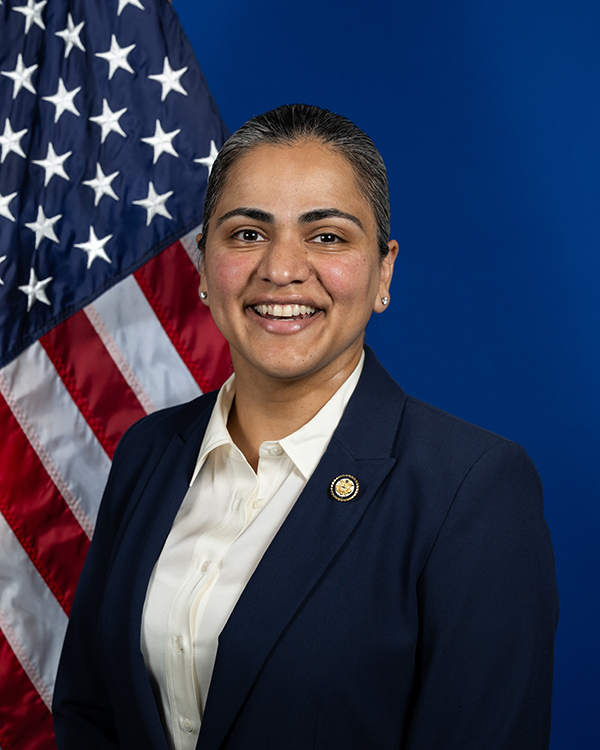
Aisha Wahab
100% support rate
Top opponent
Marsha Blackburn
11% support rate
Ranked legislators
10
5 support · 5 oppose
Key legislators

Who's moving environment in United States

Legislators moving environment in United States
Legislator Party Stance Support rate Decisive votes
Aisha Wahab
Aisha Wahab House · District 14
D
Strong +
100% 7
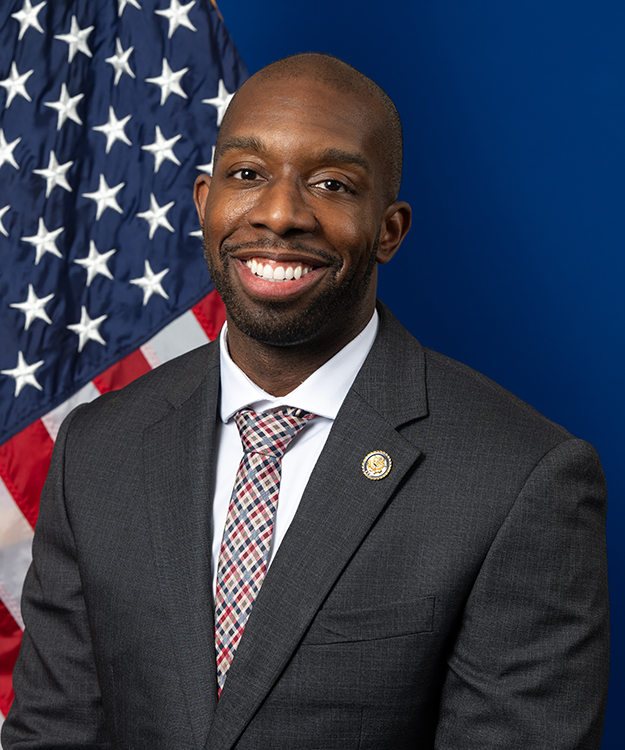
Everton Blair Jr.
Everton Blair Jr. House · District 13
D
Strong +
89% 9
Martin Heinrich
Martin Heinrich Senate
D
Strong +
84% 37
Adam B. Schiff
Adam B. Schiff Senate
D
Support
79% 53
Christopher A. Coons
Christopher A. Coons Senate
D
Support
79% 52
Marsha Blackburn
Marsha Blackburn Senate
R
Strong −
11% 36
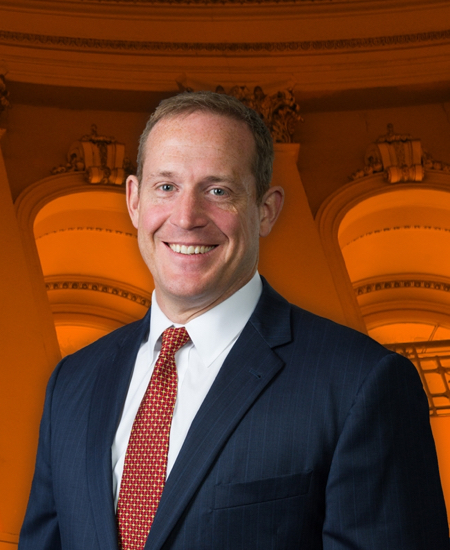
Ted Budd
Ted Budd Senate
R
Strong −
20% 40
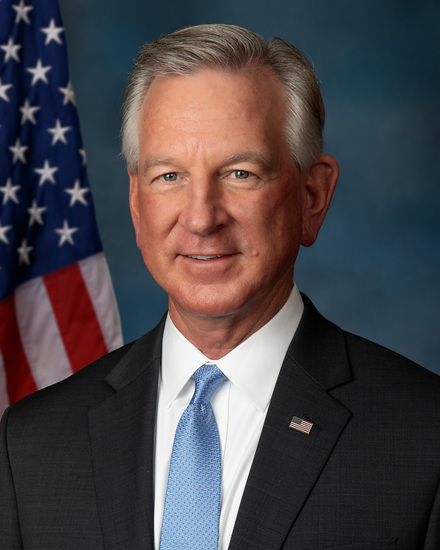
Tommy Tuberville
Tommy Tuberville Senate
R
Oppose
21% 53
Bill Cassidy
Bill Cassidy Senate
R
Oppose
22% 54
Jerry Moran
Jerry Moran Senate
R
Oppose
23% 53
Showing 511–520 of 1,978 bills

All environment bills

in committee · United States · House Jan 31, 2025

HR 907: Northern Montana Water Security Act of 2025

The Northern Montana Water Security Act of 2025 (HR 907) establishes a final settlement of water rights for the Fort Belknap Indian Community (Gros Ventre and Assiniboine Tribes) in Montana, confirming their rights to 20,000 acre-feet of water annually from Lake Elwell. The bill ratifies a water rights compact between the tribe and Montana, creates a process for exchanging Federal and State lands, and establishes two trust funds to support water infrastructure projects and management. It includes provisions for the tribe to manage water allocations, lease water rights, and develop infrastructure while protecting allottees' water rights through a Tribal water code. The bill provides specific funding for rehabilitation of the Fort Belknap Indian Irrigation Project and mitigation for the Milk River Project, with implementation requirements and timelines.
Tags Tribal Nations
in committee · United States · House Feb 4, 2026

HR 7340: Rebuild America’s Schools Act of 2026

The Rebuild America's Schools Act of 2026 authorizes $20 billion annually from 2027 to 2031 to improve public school facilities nationwide. The bill provides grants to states to fund school construction, renovation, and modernization projects that focus on safety, energy efficiency, and accessibility, with priority given to schools serving high percentages of students eligible for free or reduced-price lunch. Funds cannot be used for routine maintenance, athletic facilities, or vehicles, and must meet specific environmental, safety, and energy efficiency standards. The bill also includes specific provisions for repairing school foundations affected by pyrrhotite, a mineral that causes concrete deterioration, and requires use of American-made materials for construction projects.
in committee · United States · Senate Jan 14, 2026

S 3471: EFFECTIVE Food Procurement Act

The EFFECTIVE Food Procurement Act requires the U.S. Department of Agriculture (USDA) to change its food procurement practices to prioritize foods supporting local farmers, worker well-being, environmental sustainability, and equitable food systems. It mandates the USDA to purchase more foods produced by beginning farmers, socially disadvantaged farmers, veterans, and those using sustainable practices, while requiring transparency through annual reports on procurement spending. The bill sets specific targets for increasing such purchases by 2032, allocates $2 million annually from 2026-2031 for covered producers, and creates a $25 million grant program to help small producers meet USDA requirements. The legislation also establishes a pilot program to evaluate "best value" procurement that considers factors beyond price, such as environmental impact and labor practices.
in committee · United States · House Jan 14, 2026

HR 7074: Keeping Public Lands Out of Adversarial Hands Act

HR 7074 requires the Secretary of the Interior to join the Committee on Foreign Investment in the United States (CFIUS) when reviewing transactions involving land or resources near federal lands managed by agencies like the Bureau of Land Management, National Park Service, or Bureau of Indian Affairs. It specifically targets acquisitions by foreign entities from China, North Korea, Russia, or Iran, mandating CFIUS to assess whether such transactions - reported by the Interior Secretary - constitute a "covered transaction" requiring review. The bill creates a new process for evaluating these land deals, with the review ending for a specific country once it’s removed from the U.S. list of "foreign adversaries." This directly affects foreign buyers from those four nations seeking to acquire land adjacent to federally protected areas.
in committee · United States · House Dec 2, 2025

HR 6094: Fire Innovation Unit Act

The Fire Innovation Unit Act establishes a 7-year federal pilot program to test and deploy new wildfire prevention, detection, and response technologies. It connects private companies, nonprofits, and universities (covered entities) with government agencies like FEMA, tribal fire departments, and land management agencies (covered agencies) to jointly test technologies in real-world scenarios. Key provisions include identifying priority technology areas - such as remote sensing, safety equipment, community resilience tools, and autonomous systems - and requiring annual reports to Congress on costs, effectiveness, and procurement barriers. The program aims to accelerate the adoption of proven, cost-effective technologies through public-private partnerships, with the pilot ending seven years after enactment.
Sub-Topics Forestry Public Lands Tags Emergency Management
in committee · United States · Senate Feb 6, 2025

S 443: Fire Management Assistance Grants for Tribal Governments Act

This bill amends the Robert T. Stafford Disaster Relief Act to allow Indian tribal governments to directly request fire management assistance grants from FEMA for wildfires, rather than requiring state authorization. It specifically adds tribal governments as eligible recipients in the law and permits their chief executives to submit requests directly to FEMA, bypassing state governors. The bill also requires the President to issue new regulations within one year, clarifying that tribal governments can receive assistance either directly or through state-authorized requests, while preserving existing eligibility pathways. This change directly affects tribal governments facing wildfire disasters by streamlining access to federal disaster aid.
Sub-Topics Forestry Natural Disasters Tags Emergency Management Tribal Nations
in committee · United States · Senate May 5, 2025

S 1588: Taiwan Relations Reinforcement Act of 2025

The Taiwan Relations Reinforcement Act of 2025 directs the U.S. government to strengthen ties with Taiwan by promoting Taiwan's meaningful participation in international organizations, security forums, and economic dialogues, while prioritizing a free-trade agreement with high labor and environmental standards. It requires creating an interagency task force within 90 days to coordinate U.S. policy on Taiwan, including military cooperation and diplomatic engagement, and mandates annual reports on U.S.-Taiwan relations. The bill also prohibits U.S. agencies from recognizing China's sovereignty claims over Taiwan without Taiwan's democratic consent and directs strategies to counter Chinese disinformation and coercion targeting U.S. businesses and NGOs. These provisions directly affect U.S. government agencies, Taiwan's government, and U.S. entities operating in international contexts.
in committee · United States · House Nov 7, 2025

HR 5990: Whole-Home Repairs Act of 2025

The Whole-Home Repairs Act of 2025 establishes a federal pilot program to fund home repairs for affordable housing. It provides grants to eligible homeowners (with income at or below 80% of area median income) and forgivable loans to eligible landlords (who own 10 or fewer rental properties with majority affordable units) for repairs addressing accessibility, habitability, energy efficiency, and safety. The program requires landlords to maintain affordability by capping rent increases at 5% annually for three years after repairs and to comply with accessibility standards. The pilot will operate until 2031 with $30 million in funding, administered by local governments or qualified nonprofits, and will track outcomes through annual reporting on units served and demographic data.
passed · United States · House Sep 14, 2026

HR 2388: Lower Elwha Klallam Tribe Project Lands Restoration Act

HR 2388 transfers approximately 1,082 acres of federal land (within Olympic National Park) into trust for the Lower Elwha Klallam Tribe, adding it to their reservation in Washington State. The land will be managed under existing river protections, and the bill explicitly states this land cannot be used for tribal gaming under federal law. This act directly affects the tribe by expanding their reservation and clarifying land management rules, without altering treaty rights.
in committee · United States · Senate Dec 11, 2025

S 3455: Moving Transit Forward Act of 2025

This bill creates a new federal grant program to fund public transit improvements in cities. It provides 80% federal funding for urban transit systems to cover operating costs (like vehicle service), security enhancements (including personnel), and safety projects identified by safety committees. Recipients must certify they will maintain or increase their own funding levels for these services and cannot use funds to switch to third-party on-demand transit providers. The grants are allocated based on each city's reported transit operating expenses from the previous year.
Showing 511 to 520 of 1,978 bills
Previous 1 51 52 53 198 Next