Issue · Environment

Environment

Every environment bill, vote, and legislator stance in United States, automatically classified by Maddy, our AI policy reader.

Total bills
1,978
119th Congress
Top supporter
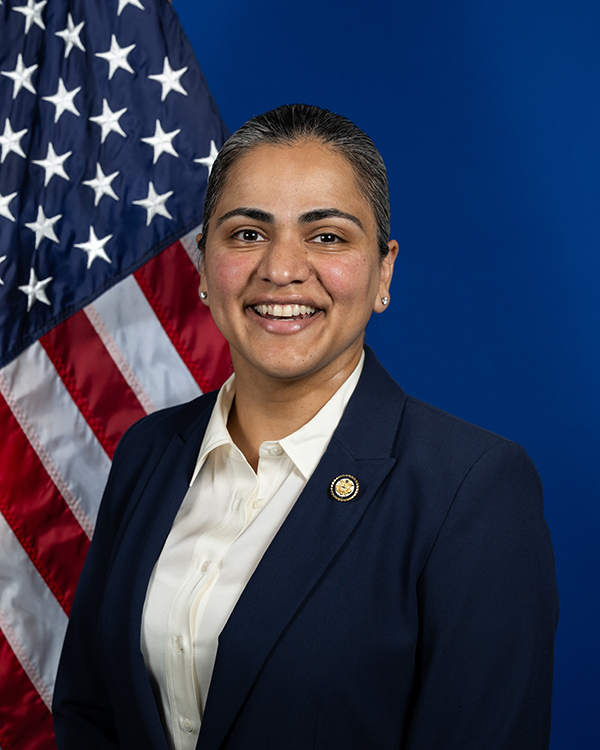
Aisha Wahab
100% support rate
Top opponent
Marsha Blackburn
11% support rate
Ranked legislators
10
5 support · 5 oppose
Key legislators

Who's moving environment in United States

Legislators moving environment in United States
Legislator Party Stance Support rate Decisive votes
Aisha Wahab
Aisha Wahab House · District 14
D
Strong +
100% 7
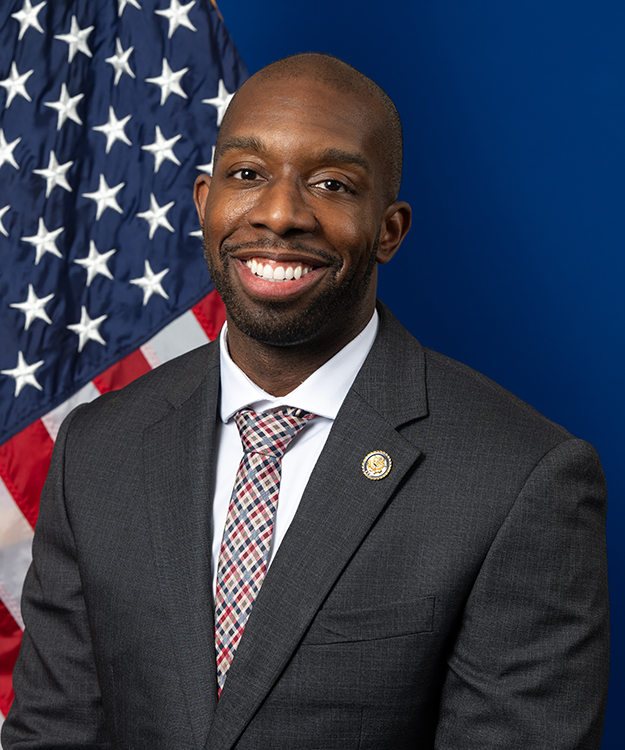
Everton Blair Jr.
Everton Blair Jr. House · District 13
D
Strong +
89% 9
Martin Heinrich
Martin Heinrich Senate
D
Strong +
84% 37
Adam B. Schiff
Adam B. Schiff Senate
D
Support
79% 53
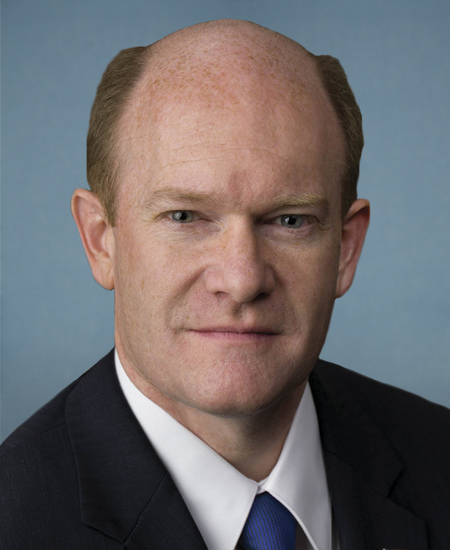
Christopher A. Coons
Christopher A. Coons Senate
D
Support
79% 52
Marsha Blackburn
Marsha Blackburn Senate
R
Strong −
11% 36
Ted Budd
Ted Budd Senate
R
Strong −
20% 40
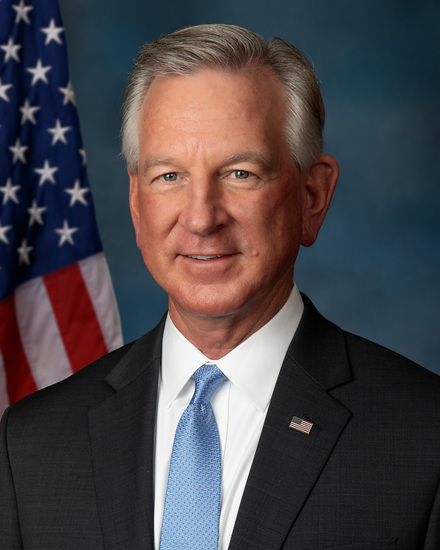
Tommy Tuberville
Tommy Tuberville Senate
R
Oppose
21% 53
Bill Cassidy
Bill Cassidy Senate
R
Oppose
22% 54
Jerry Moran
Jerry Moran Senate
R
Oppose
23% 53
Showing 521–530 of 1,978 bills

All environment bills

in committee · United States · Senate Mar 5, 2025

S 565: Navajo Nation Rio San José Stream System Water Rights Settlement Act of 2025

This bill establishes a final settlement of water rights claims for the Navajo Nation in the Rio San José Stream System, resolving a decades-long legal dispute in New Mexico's Thirteenth Judicial District Court. It ratifies an agreement between the Navajo Nation, the State of New Mexico, and other parties, creating a $223.27 million trust fund to support water infrastructure, management, and implementation of the settlement. The settlement recognizes the Navajo Nation's water rights, prevents forfeiture through non-use, and includes waivers of historical claims in exchange for the settlement. It preserves water rights for individual allottees (Native American landholders) while allowing the Nation to manage water use on and off tribal lands, including leasing water rights for up to 99 years. The settlement becomes effective on the "Enforceability Date," requiring multiple conditions including court approval, full funding, and execution of waivers.
in committee · United States · Senate Jan 8, 2026

S 3600: National Housing Emergency Act of 2026

S 3600 declares a national housing emergency, requiring the President to use the Defense Production Act to boost domestic materials for housing construction and rehabilitation. It temporarily suspends federal environmental reviews for housing projects, removes barriers like zoning restrictions (e.g., minimum lot sizes, parking requirements), and waives certain regulations affecting housing development. States and localities must meet housing growth targets - such as increasing permits or allowing duplexes - to qualify for federal block grants. The bill aims to address a projected 4 million housing shortage by accelerating construction, with the emergency ending when 4 million units are built or by 2031.
in committee · United States · Senate Dec 9, 2025

S 3403: Building Resilience and Stronger Communities Act

This bill increases federal funding for disaster resilience projects. It requires the federal government to cover at least 90% of costs for small hazard prevention projects under $1 million and potentially more than 90% for critical facilities like hospitals, schools, and emergency centers. The bill also makes hazard mitigation planning mandatory for states and local governments (changing "may" to "shall") and ensures Indian Tribes can directly access funds or apply through states for resilience projects. These changes apply to all eligible communities and tribes receiving federal disaster relief under the Stafford Act.
Sub-Topics Natural Disasters
in committee · United States · House Feb 13, 2025

HR 1345: Gas Can Freedom Act of 2025

HR 1345, the Gas Can Freedom Act of 2025, repeals two existing federal safety laws: the Portable Fuel Container Safety Act of 2020 and the Children’s Gasoline Burn Prevention Act. This bill removes requirements that portable gasoline containers must include flame mitigation devices or child-resistant features. As a result, the Consumer Product Safety Commission can no longer enforce these specific safety standards for fuel containers. The bill directly affects manufacturers of portable fuel containers and consumers who purchase them, eliminating these regulatory requirements.
in committee · United States · Senate Nov 19, 2025

S 148: RED TAPE Act

S 148, the RED TAPE Act, requires federal agencies to base regulatory impact analyses solely on quantifiable monetary costs and benefits, prohibiting consideration of non-monetized factors (like environmental or health impacts) in rulemaking. It mandates agencies to publish full methodology and results of these analyses in the Federal Register for public transparency. Affected parties can legally challenge rules violating this requirement in court, with courts able to invalidate such rules. The law applies to all new regulations issued after November 9, 2023, and takes effect 30 days after enactment.
Tags Small Business
in committee · United States · House Dec 15, 2025

HR 6709: Office of Fusion Act of 2025

HR 6709 establishes a dedicated Office of Fusion within the Department of Energy to accelerate the development and commercial deployment of fusion energy technology. The bill consolidates existing fusion programs under this new office, requires a detailed commercial deployment roadmap for Congress within one year, and mandates coordination with private industry, national labs, and other agencies to overcome barriers. It directly affects the Department of Energy, the U.S. fusion industry, and regulators by streamlining efforts to meet a goal of starting construction on multiple private fusion power plants by 2028. Key mechanisms include centralizing fusion research, managing public-private partnerships, and ensuring supply chain development to advance fusion energy as a clean power source.
in committee · United States · House Jul 16, 2025

HR 4443: Asunción Valdivia Heat Illness, Injury, and Fatality Prevention Act of 2025

This bill establishes federal worker heat protection standards to prevent heat-related illness and injury. It requires employers to provide a workplace free from heat stress hazards, including access to cool water, scheduled rest breaks, shaded cooling areas, and training on heat illness symptoms. The Secretary of Labor must create these standards within one year, incorporating evidence-based practices like engineering controls (e.g., ventilation), administrative measures (e.g., adjusted schedules), and employer-paid personal protective equipment. The law directly affects all employers in high-heat work environments - such as construction, agriculture, and manufacturing - and strengthens whistleblower protections for workers reporting safety violations.
in committee · United States · House Jul 29, 2025

HR 4816: Safe Drinking Water for Disadvantaged Communities Act

HR 4816 directs existing federal infrastructure funds to provide forgivable loans or grants specifically for lead pipe replacement projects in disadvantaged communities. It requires that all funds allocated under the Infrastructure Investment and Jobs Act for drinking water system upgrades must be distributed as these forgivable loans or grants to communities meeting the definition in the Safe Drinking Water Act. The bill targets lead service line replacement, including associated activities like identifying and planning for pipe replacement. This policy change ensures disadvantaged communities receive direct financial support for critical water infrastructure improvements without requiring repayment.
Sub-Topics Drinking Water
in committee · United States · Senate Oct 14, 2025

S 190: North Pacific Research Board Enhancement Act

This bill amends the North Pacific Research Board's structure and funding rules. It adds a new Board member position to be nominated by the Board and appointed by the Secretary, requiring the person to represent Alaska Natives and have direct experience with subsistence uses. The bill also adjusts the 15% cap on administrative expenses for the Board, allowing the NOAA Administrator to temporarily increase this cap if funding decreases, to prioritize continuing Board operations, maximizing research funding, and maintaining grant quality. The cap waiver is set to last for 5 years from the bill's enactment date.
in committee · United States · House Apr 10, 2025

HR 2813: Small Modular Reactor Commercialization Act of 2025

This bill updates federal definitions and policies to support small modular nuclear reactors (SMRs). It increases the size threshold for SMRs from 300 megawatts to 500 megawatts per reactor unit (and adjusts combined capacity limits), ensuring projects within this range qualify for federal funding. The bill requires the Nuclear Regulatory Commission and Department of Energy to revise their guidance to align with these new definitions and creates a federal working group to assess U.S. competitiveness in SMR manufacturing and commercialization. These changes directly affect nuclear developers, manufacturers, and federal agencies managing energy policy and regulation.
Sub-Topics Nuclear
Showing 521 to 530 of 1,978 bills
Previous 1 52 53 54 198 Next