Issue · Environment

Environment

Every environment bill, vote, and legislator stance in United States, automatically classified by Maddy, our AI policy reader.

Total bills
1,975
119th Congress
Top supporter
Martin Heinrich
84% support rate
Top opponent
Marsha Blackburn
11% support rate
Ranked legislators
10
5 support · 5 oppose
Key legislators

Who's moving environment in United States

Legislators moving environment in United States
Legislator Party Stance Support rate Votes
Martin Heinrich
Martin Heinrich Senate
D
Strong +
84% 215
Adam B. Schiff
Adam B. Schiff Senate
D
Support
79% 231
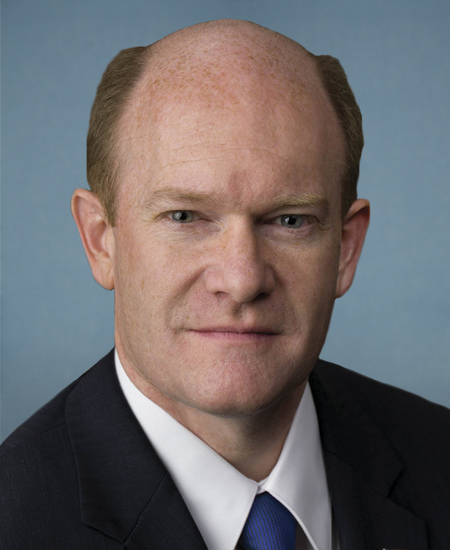
Christopher A. Coons
Christopher A. Coons Senate
D
Support
79% 229
Jeanne Shaheen
Jeanne Shaheen Senate
D
Support
78% 232
Alex Padilla
Alex Padilla Senate
D
Support
78% 232
Marsha Blackburn
Marsha Blackburn Senate
R
Strong −
11% 211
Ted Budd
Ted Budd Senate
R
Strong −
20% 220
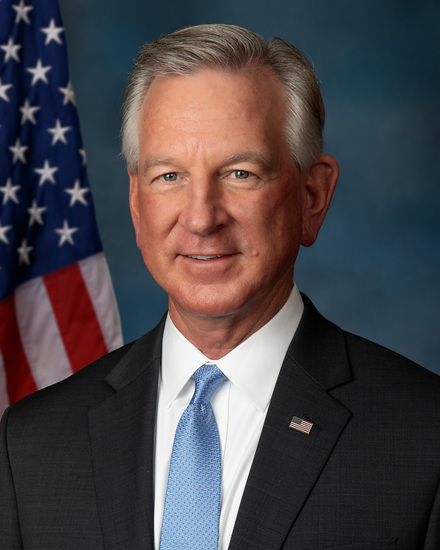
Tommy Tuberville
Tommy Tuberville Senate
R
Oppose
21% 229
Bill Cassidy
Bill Cassidy Senate
R
Oppose
22% 221
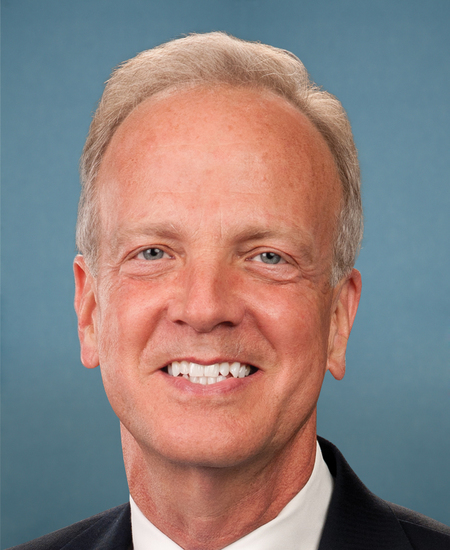
Jerry Moran
Jerry Moran Senate
R
Oppose
23% 228
Showing 211–220 of 1,975 bills

All environment bills

in committee · United States · Senate Jun 11, 2026

S 4757: Federal Flood Risk Management Act of 2026

The Federal Flood Risk Management Act of 2026 requires federal agencies to evaluate and manage flood risks when undertaking projects in or affecting floodplains. Under this law, agencies must use climate-informed science to determine flood levels, adding a safety margin of two to three feet above current base flood elevations depending on the project's criticality. The bill mandates that federal construction and funding comply with a specific risk management standard, which includes elevating structures, preserving natural floodplain functions, and notifying the public of potential flood hazards. Federal agencies are also required to inform private parties about flood risks before approving financial transactions in vulnerable areas and must submit regular reports to Congress on how these new requirements are being implemented.
in committee · United States · Senate Jun 9, 2026

S 4724: No Toxic Chemicals in Food Packaging Act of 2026

The No Toxic Chemicals in Food Packaging Act of 2026 prohibits the use of specific harmful substances, such as PFAS, certain phthalates, and bisphenols, in materials that come into contact with food. This law directly affects manufacturers and regulators by amending federal statutes to classify these chemicals as unsafe and requiring the FDA to consider potential risks to vulnerable groups, including children and pregnant women, when evaluating alternative substances. The bill sets a minimum national standard while explicitly allowing states to enforce stricter regulations without fear of federal preemption. These restrictions will not take effect until two years after the law is enacted to provide time for industry adjustments.
Sub-Topics Drinking Water
in committee · United States · House Jul 21, 2026

HR 9338: Pipeline Safety Authorization Act of 2026

The Pipeline Safety Authorization Act of 2026 expands federal oversight of gas and hazardous liquid pipelines by clarifying which smaller rural systems are exempt from regulation and raising maximum civil penalties for safety violations to $3.4 million. It requires the Department of Transportation to establish a confidential voluntary information-sharing system where pipeline operators can safely exchange safety data without fear of it being used in enforcement actions or lawsuits. Additionally, the bill mandates that states adopt specific best practices for preventing excavation damage, such as limiting exemptions for utility locates and requiring positive confirmation before digging begins. The legislation also authorizes funding for these safety programs through 2031 and creates a formal hearing process for enforcement cases involving significant financial costs.
in committee · United States · Senate Jul 15, 2026

S 4715: Offshore Leasing Standards and Accountability Act of 2026

The Offshore Leasing Standards and Accountability Act of 2026 introduces stricter requirements for companies operating oil and gas leases on the Outer Continental Shelf. To obtain or maintain a lease, operators must be certified as "fit to operate," a process that verifies their financial solvency, clean environmental and safety record over the past decade, and possession of an investment-grade credit rating. The bill also mandates that leaseholders deposit funds into an interest-bearing escrow account to cover future decommissioning costs, with payment schedules established before new leases are issued. Additionally, the legislation limits the time a well can be temporarily abandoned to three years, requiring an economic analysis to justify such status.
in committee · United States · Senate Jun 8, 2026

S 4700: Complete America’s Great Trails Act

The Complete America's Great Trails Act creates a new federal tax credit to encourage donations of land that includes National Scenic Trails or their surrounding corridors. This provision allows taxpayers to claim a credit equal to the fair market value of the donated land, provided the property meets specific width requirements and is used for conservation purposes. The bill also permits continued recreational or agricultural use of the donated land as long as such activities do not harm significant conservation interests. Additionally, the legislation requires the Secretary of the Interior to study the credit's effectiveness and report back to Congress within four years regarding potential changes like making the credit refundable.
in committee · United States · Senate Jun 2, 2026

S 4650: Improving Pest and Disease Preparedness for Specialty Crops Act

The Improving Pest and Disease Preparedness for Specialty Crops Act directs federal funding toward high-risk states to better manage plant pests and diseases. It increases the annual budget for these preparedness activities from $5 million to $12 million and adds $150 million for future years. Additionally, the law requires that cooperative agreements for these funds prioritize states identified as having a higher risk for crop threats. These changes aim to strengthen the nation's ability to prevent and respond to agricultural emergencies in specialty crop production.
in committee · United States · Senate Jun 10, 2026

S 4731: Protecting Indian Water Rights Settlements Act of 2026

This bill creates two new funding accounts within the Indian Water Rights Settlement Completion Fund to support specific tribal water agreements. The first account provides $45 million annually from 2026 to 2035 to cover ongoing maintenance and repair costs for five existing settlements involving the Ak-Chin, Colorado Ute, Hualapai, and other tribes. The second account allocates $250 million annually over the same period to help complete new or continuing water rights settlements approved by Congress. These funds are managed by the Secretary of the Interior and can be transferred directly to tribal trust funds without needing additional yearly approval from Congress. Additionally, the legislation extends the expiration date for certain customs user fees from December 31, 2031, to September 30, 2035.
Tags Tribal Nations
in committee · United States · Senate Jun 10, 2026

S 4730: Community College Agriculture Advancement Act of 2026

The Community College Agriculture Advancement Act of 2026 creates a new funding program to support junior and community colleges in expanding their agriculture and natural resources programs. The bill authorizes $20 million annually from 2027 to 2031 for competitive grants that colleges can use to improve workforce training, education, research, and outreach. Eligible institutions may use these funds to purchase equipment, hire faculty, develop apprenticeships, and offer courses in farm business management. The legislation also allows colleges to apply for a special designation as a center of excellence to demonstrate best practices and provide regional leadership.
Sub-Topics Career & Technical Education Higher Education Tags Agriculture
in committee · United States · House Jun 8, 2026

HR 9188: Military Readiness Permitting Efficiency Act of 2026

The Military Readiness Permitting Efficiency Act of 2026 allows the Department of Defense to enter into agreements with the National Marine Fisheries Service and the U.S. Fish and Wildlife Service to speed up environmental reviews for priority military projects. Under these agreements, the military can provide direct funding to hire additional staff for these agencies if they lack the necessary personnel or funds to complete reviews within a specific timeframe. This process applies to environmental assessments required by laws such as the Endangered Species Act and the Marine Mammal Protection Act. The bill aims to reduce delays in military construction and operations by ensuring these reviews are completed promptly when national defense interests are at stake.
Sub-Topics Wildlife
in committee · United States · House Jun 8, 2026

HR 9181: Rail Motive Power Source Integration Act of 2026

The Rail Motive Power Source Integration Act of 2026 directs the Federal Railroad Administration to launch a pilot program exploring how trains can switch between different power sources like batteries, electricity, hydrogen, and diesel. The bill requires the agency to research these technologies, design rail cars that allow for easy power source changes, and test these designs through demonstration projects. Additionally, the Administrator must study locations where trains currently need to change power sources due to limitations and report the findings to Congress within one year of the law's enactment.
Sub-Topics Rail
Showing 211 to 220 of 1,975 bills
Previous 1 21 22 23 198 Next