Issue · Environment

Environment

Every environment bill, vote, and legislator stance in United States, automatically classified by Maddy, our AI policy reader.

Total bills
1,989
119th Congress
Top supporter
Aisha Wahab
100% support rate
Top opponent
Marsha Blackburn
11% support rate
Ranked legislators
10
5 support · 5 oppose
Key legislators

Who's moving environment in United States

Legislators moving environment in United States
Legislator Party Stance Support rate Decisive votes
Aisha Wahab
Aisha Wahab House · District 14
D
Strong +
100% 7
Everton Blair Jr.
Everton Blair Jr. House · District 13
D
Strong +
89% 9
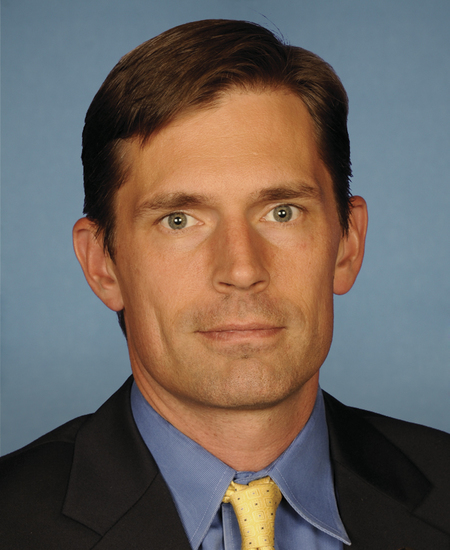
Martin Heinrich
Martin Heinrich Senate
D
Strong +
84% 37
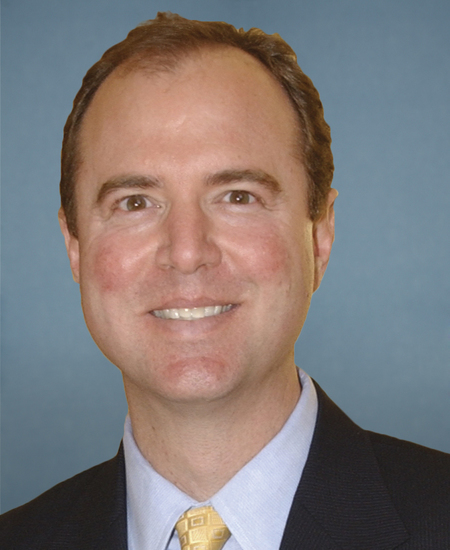
Adam B. Schiff
Adam B. Schiff Senate
D
Support
79% 53
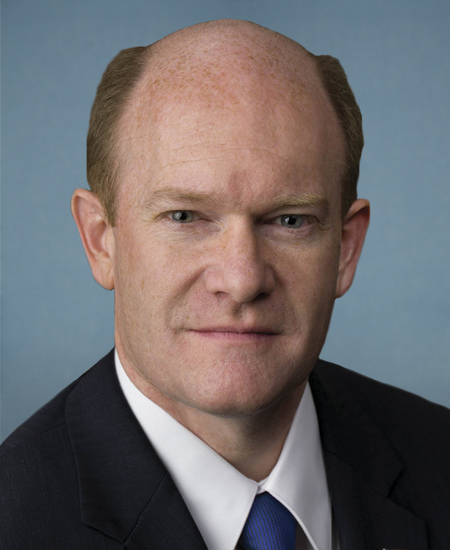
Christopher A. Coons
Christopher A. Coons Senate
D
Support
79% 52
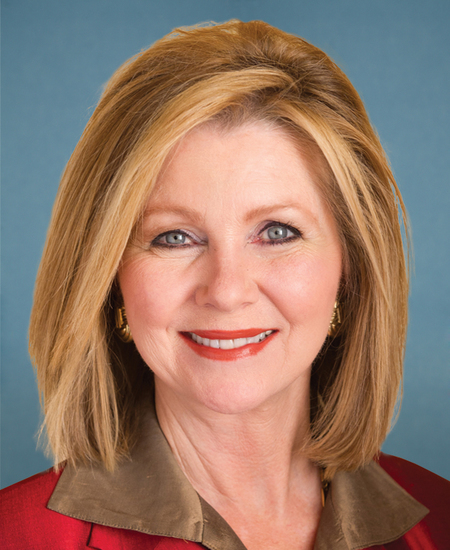
Marsha Blackburn
Marsha Blackburn Senate
R
Strong −
11% 36
Ted Budd
Ted Budd Senate
R
Strong −
20% 40
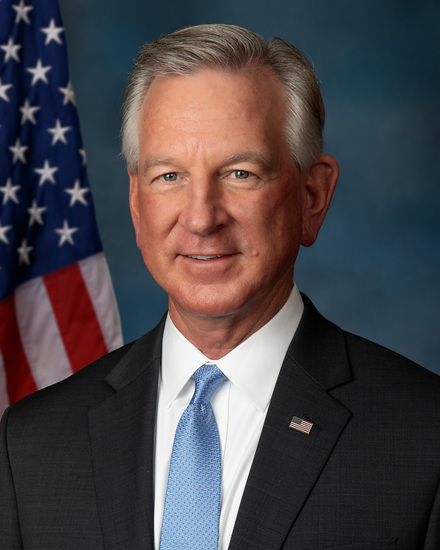
Tommy Tuberville
Tommy Tuberville Senate
R
Oppose
21% 53
Bill Cassidy
Bill Cassidy Senate
R
Oppose
22% 54
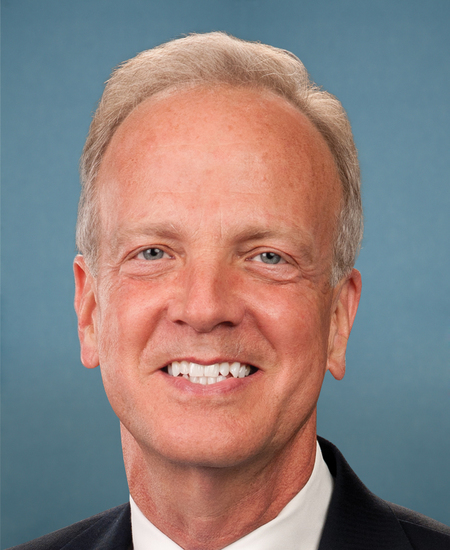
Jerry Moran
Jerry Moran Senate
R
Oppose
23% 53
Showing 1,341–1,350 of 1,989 bills

All environment bills

in committee · United States · House Feb 28, 2025

HR 598: FIR Act

HR 598, the Forest Information Reform Act (FIR Act), modifies federal land management rules to eliminate a requirement for reinitiating consultations under the Endangered Species Act (ESA). It applies directly to the U.S. Forest Service and Bureau of Land Management (BLM), preventing them from needing to restart ESA consultations when managing land plans if: (1) a new species is listed as endangered or critical habitat is designated, or (2) new information reveals impacts on listed species not previously considered. The bill removes a specific procedural step that would otherwise trigger federal agencies to reassess their land management plans in response to new ESA-related developments. This changes how agencies handle species conservation updates within their planning processes.
in committee · United States · House Dec 2, 2025

HR 5564: To amend the Federal Insecticide, Fungicide, and Rodenticide Act to provide for improved coordination between the Administrator of the Environmental Protection Agency and the Secretary of Agriculture, and for other purposes.

This bill requires the Environmental Protection Agency (EPA) to coordinate closely with the U.S. Department of Agriculture (USDA) when making decisions about pesticide safety rules. It mandates that the EPA conduct economic analyses of costs for farmers, state agencies, and businesses affected by pesticide safety measures, and share data on pesticide use and alternatives. The EPA must also coordinate with USDA and other agencies (like Interior and Commerce) on Endangered Species Act protections related to pesticides. These changes directly affect pesticide manufacturers, farmers, state agricultural agencies, and federal agencies involved in pesticide regulation.
Sub-Topics Wildlife Tags Agriculture
in committee · United States · House Jun 5, 2025

HR 3748: MARITIME Act

This bill establishes U.S. policy that sea level rise driven by climate change should not cause Pacific island nations to lose UN membership or their maritime rights under international law. It requires the State Department to submit a report within 120 days detailing U.S. diplomatic efforts to encourage other countries and international organizations to preserve maritime boundaries affected by rising seas. The report must assess cooperation with nations like the Pacific Islands Forum, identify barriers to policy adoption, and list countries supporting this approach. The bill directly supports small island nations' economic security by aiming to protect their existing ocean resource rights under the U.N. Convention on the Law of the Sea.
in committee · United States · House Dec 11, 2025

HR 6669: No Taxation on PFAS Remediation Act

This bill excludes reimbursements received by individuals for cleaning up PFAS contamination from their taxable income under the federal tax code. It directly affects people who were paid back for remediation costs related to "forever chemicals" (PFAS) in their property. The key provision adds a new tax code section (139M) to ensure these specific reimbursements are not counted as income, reducing tax liability for affected individuals. The rule applies to reimbursements received in tax years starting after December 31, 2020.
in committee · United States · House Dec 3, 2025

HR 6391: Save Oak Flat from Foreign Mining Act

HR 6391, the Save Oak Flat from Foreign Mining Act, repeals Section 3003 of the 2014 National Defense Authorization Act that would have transferred Oak Flat (2,422 acres in Arizona’s Tonto National Forest) to Resolution Copper for mining. The bill withdraws Oak Flat from all public land use, preventing the foreign-owned mining venture (Rio Tinto/BHP) from extracting copper beneath the site for export to China. It directly protects the area, which is a sacred site for Indigenous peoples and a National Register Historic Property, from a mine projected to consume 250 billion gallons of groundwater over 40 years and cause significant land subsidence. The bill halts a process that would have allowed foreign corporations to mine copper from public land without requiring domestic smelting or benefiting U.S. consumers.
Sub-Topics Forestry Public Lands
in committee · United States · Senate Jun 10, 2026

S 140: Wildfire Prevention Act of 2025

This bill sets annual targets for wildfire prevention treatments on federal lands, requiring the Forest Service and Bureau of Land Management to increase mechanical thinning and prescribed burning acreage each year (with goals increasing 20% in 2027-2028 and 40% in 2029+). It mandates detailed public reporting on treatment progress, challenges, effectiveness, and cost data, while streamlining environmental reviews for hazard tree removal. The bill also revises vegetation management rules near power lines, creates a public-private technology pilot program for wildfire prevention tools, and repeals outdated reporting requirements. These provisions directly affect federal land managers, electric utility companies, and private entities participating in the technology pilot program.
Sub-Topics Forestry Public Lands
in committee · United States · Senate Jul 31, 2025

S 2638: Energy Efficiency for Affordable Housing Act

This bill increases tax credits for affordable housing developers who improve energy efficiency in existing buildings. It adds a 30% credit boost (to 130% of rehabilitation costs) for buildings meeting specific energy standards, either by adopting a government-determined advanced construction standard or using a certified retrofit plan that reduces energy use by 50% or more. Buildings in high-cost areas qualify for an additional 30% boost (to 160% of costs) if they meet these standards. The changes apply to housing credit allocations after December 31, 2025, with specific rules for bond-financed projects.
in committee · United States · House Mar 5, 2025

HR 1871: Water Conservation Rebate Tax Parity Act

HR 1871, the Water Conservation Rebate Tax Parity Act, changes federal tax rules to allow homeowners to exclude certain water-related rebates from taxable income. It expands the existing tax exclusion to cover rebates for water conservation measures (like efficient fixtures), storm water management (such as rain gardens), and wastewater management (like septic system upgrades), but only for the homeowner's principal residence. These rebates must come from public utilities, storm water providers, or state/local governments. The changes apply to rebates received after December 31, 2021, and do not affect tax treatment for rebates received before 2022.
passed · United States · House Feb 5, 2025

HR 776: Nutria Eradication and Control Reauthorization Act of 2025

This bill extends the Nutria Eradication and Control program's authorization period through 2030 (previously set to expire in 2025) and corrects a minor technical error in the original 2003 law's reference to the Secretary. It does not create new policy or change program requirements, only maintaining the existing framework for managing invasive nutria rodents. The program directly affects wetland ecosystems and landowners in states where nutria are established, primarily Maryland and Delaware. This is a procedural reauthorization with no substantive policy changes.
in committee · United States · House Sep 10, 2026

HR 177: Yosemite National Park Equal Access and Fairness Act

This bill expands public recreational access to Yosemite's Hetch Hetchy Reservoir and Lake Eleanor Basin areas. It increases annual funding for park improvements from $30,000 to $2 million (adjusted for inflation), prohibits recouping costs from water/power customers, and adds wildfire mitigation to maintenance projects. The bill explicitly permits activities like swimming, non-motorized watercraft, camping above high-water marks, and picnicking, while requiring the National Park Service to report on equitable access funding. The report must analyze whether original recreational access intentions were followed and propose adjustments to San Francisco's water/power pricing or fees to cover maintenance costs.
Showing 1,341 to 1,350 of 1,989 bills